Fortaleza de Nossa Senhora da Conceição
Fortaleza de Nossa Senhora da Conceição is a significant historic fortification located in Rio de Janeiro, Brazil. This hill castle was constructed during the colonial period as part of the defensive system designed to protect the city and its harbor from naval attacks and invasions. The fort stands on elevated terrain, commanding strategic views over the surrounding landscape and the coastline, which was crucial for early warning and defense.
Historical context and strategic importance
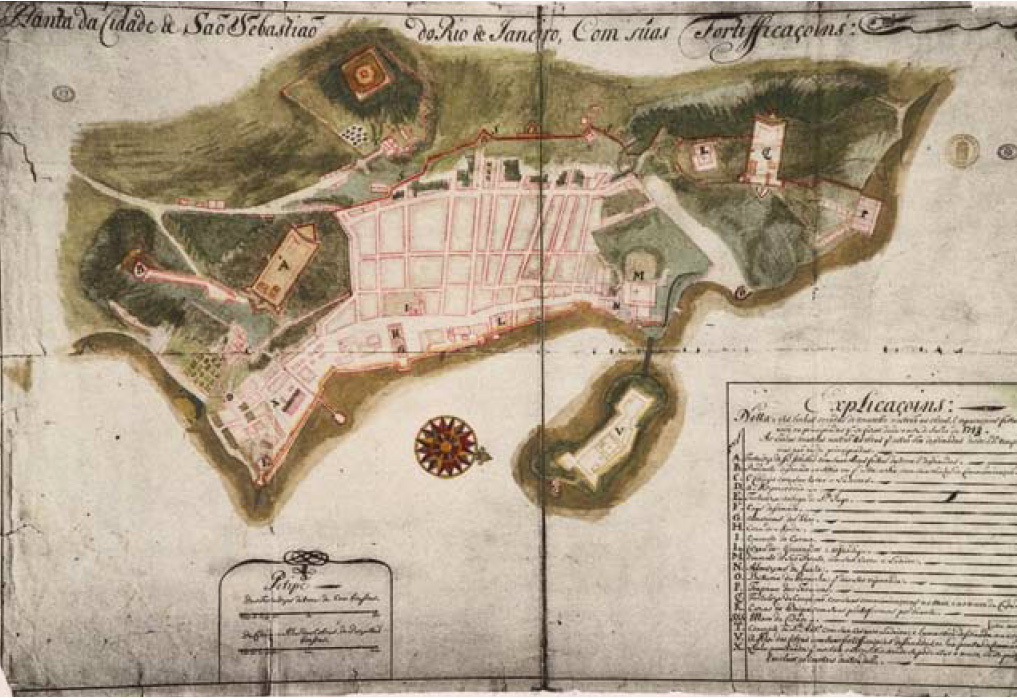
The fort was built in the context of Portuguese colonial expansion in Brazil, where coastal defenses were vital for securing territories and trade routes. During the 17th and 18th centuries, Rio de Janeiro grew in importance as a port city, prompting the construction and reinforcement of several fortifications including Fortaleza de Nossa Senhora da Conceição. Its location on a hill provided a vantage point to monitor maritime activities and protect the city against potential incursions by rival European powers or pirates.
Architectural features and design
The design of Fortaleza de Nossa Senhora da Conceição reflects typical characteristics of colonial military architecture. The fort features robust stone walls, bastions for artillery placement, and defensive battlements designed to withstand cannon fire. The layout is adapted to the hilltop terrain, with walls following the natural contours to maximize defensive capabilities. Inside the fort, there would have been spaces for soldiers' quarters, ammunition storage, and command areas.
Defensive structures
The fort's walls are thick and angled to deflect cannonballs, and the bastions allow for overlapping fields of fire. The entrance is typically fortified with a gatehouse and possibly a drawbridge or portcullis, designed to delay attackers. The use of natural elevation combined with man-made fortifications made it a formidable obstacle for any invading force.
Role in military history
Fortaleza de Nossa Senhora da Conceição played a role in various conflicts involving colonial powers in Brazil. It contributed to the defense of Rio de Janeiro during periods of tension and conflict, including threats from the Dutch and other European rivals. The fort was part of a network of fortifications that helped maintain Portuguese control over the region.
Current condition and cultural significance
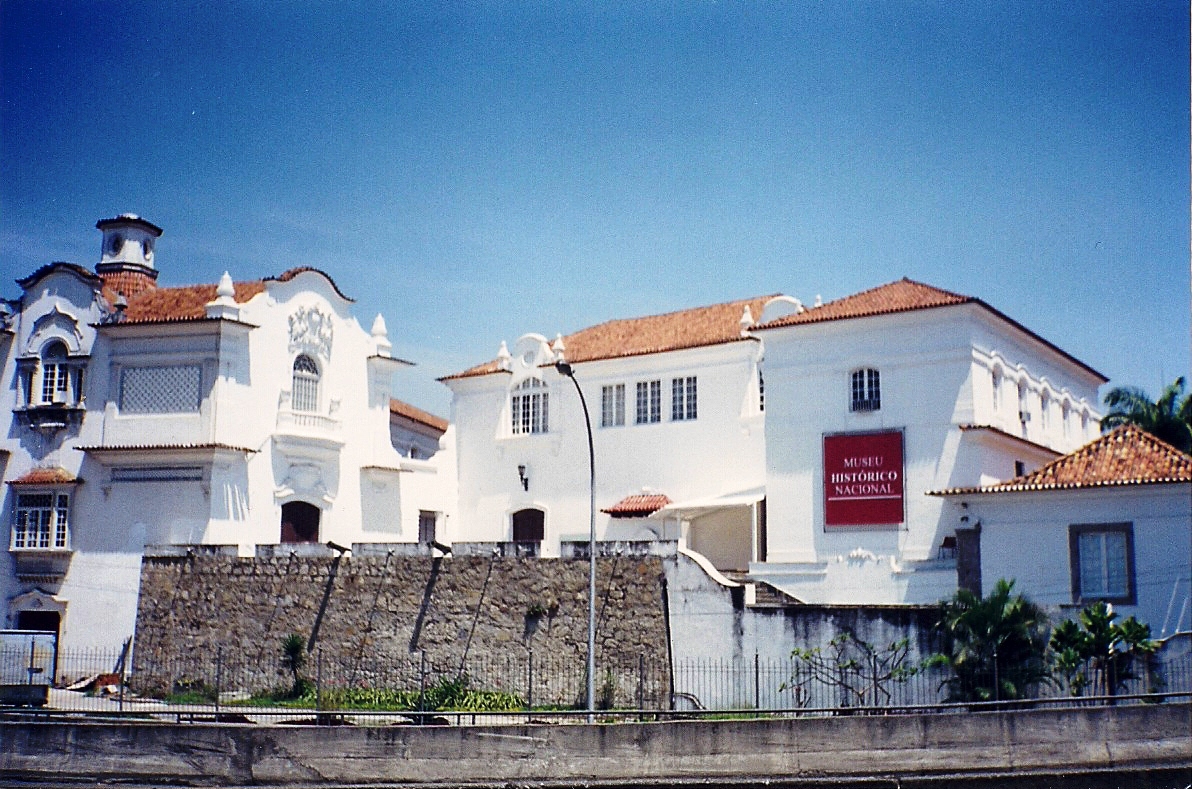
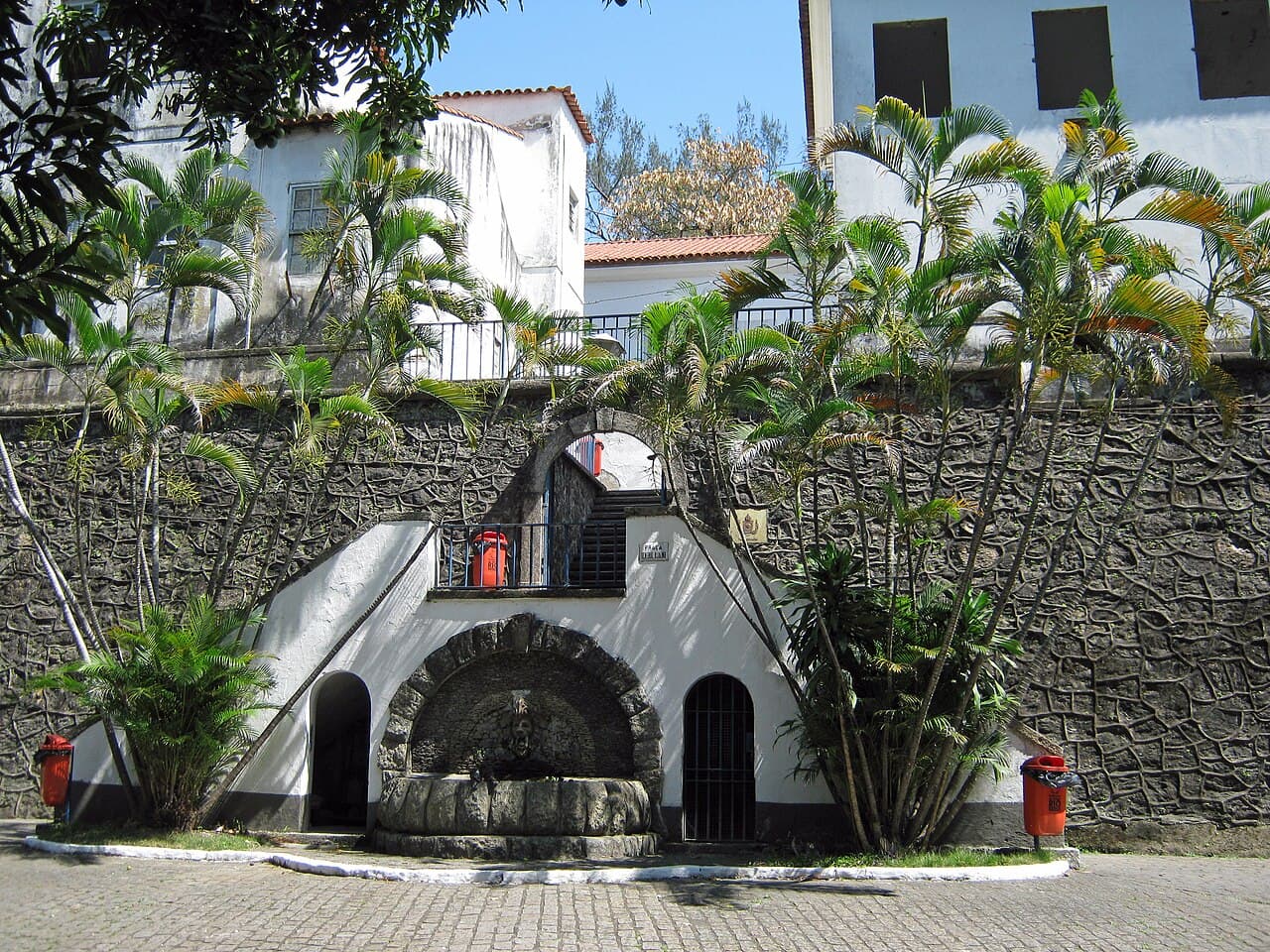
Today, Fortaleza de Nossa Senhora da Conceição is recognized as an important cultural and historical monument in Rio de Janeiro. It is partially preserved, with some original walls and structures remaining intact. The site attracts visitors interested in colonial history and military architecture. Efforts have been made to maintain and restore parts of the fort to preserve its heritage for future generations.
Visitor experience
Visitors to the fort can explore the remaining ramparts and enjoy panoramic views of the city and coastline. Interpretive displays and guided tours often provide insights into the fort's history and architectural features. The location also offers a glimpse into the strategic military thinking of the colonial era in Brazil.
Architectural style and period
The fort exemplifies the military architecture of the colonial period in Brazil, featuring elements typical of 17th and 18th-century fortifications. Its style is functional and robust, prioritizing defense and strategic advantage over ornamental design.
Frequently asked questions (FAQ)
- What is the historical significance of Fortaleza de Nossa Senhora da Conceição?
- Fortaleza de Nossa Senhora da Conceição, built in the 17th century, is a key historic site that served as a military fortress protecting the city of Rio de Janeiro from invasions. It played a crucial role during the colonial period and symbolizes Brazil's colonial military architecture.
- When was Fortaleza de Nossa Senhora da Conceição constructed?
- The construction of Fortaleza de Nossa Senhora da Conceição began in 1610 and was completed in the late 17th century. It was strategically built to safeguard the harbor of Rio de Janeiro and reflect the military might of the Portuguese Empire at the time.
- Can I visit Fortaleza de Nossa Senhora da Conceição?
- Yes, Fortaleza de Nossa Senhora da Conceição is open to the public, allowing visitors to explore its rich history and stunning architecture. Guided tours are often available, providing insights into the fortress's past and its role in Brazilian history.
- What are the opening hours for Fortaleza de Nossa Senhora da Conceição?
- The fortress is typically open to visitors from Tuesday to Sunday, with hours varying by season. It is advisable to check the official website or local sources for the most current information on opening times before planning your visit.
- Is it possible to access Fortaleza de Nossa Senhora da Conceição with mobility challenges?
- Accessibility at Fortaleza de Nossa Senhora da Conceição may be limited due to the historic nature of the site and its uneven terrain. Visitors with mobility challenges are encouraged to contact the site beforehand to inquire about available accommodations and accessibility options.
- What are the ticket prices for visiting Fortaleza de Nossa Senhora da Conceição?
- Admission to Fortaleza de Nossa Senhora da Conceição is generally affordable, with discounts available for students, seniors, and children. It's best to check the official website or onsite for the latest ticket prices and any special promotions.
- When is the best time to visit Fortaleza de Nossa Senhora da Conceição?
- The best time to visit is during the dry season, from May to October, when temperatures are mild and rainfall is minimal. This ensures a more pleasant experience while exploring the fortress and enjoying the surrounding views.
- Are there any nearby attractions to visit after Fortaleza de Nossa Senhora da Conceição?
- Yes, after visiting the fortress, you can explore nearby attractions such as the Museum of Tomorrow and the historic district of Santa Teresa. Additionally, the beautiful beaches of Copacabana and Ipanema are just a short distance away, making for a perfect day of sightseeing.
Photo gallery

Information
Loading map...
Visitor reviews
No reviews yet. Been here? Write the first review and help other travelers!
Write the first reviewVisited this castle? Share your experience
Your review helps other travelers and adds first-hand knowledge to our encyclopedia.