Fort Winiary is a prominent bastioned fortress located in the city of Poznań, western Poland. It served as the main citadel within the extensive defensive system known as Festung Posen or Poznań Fortress, constructed during the 19th century under Prussian rule. This fortress complex was designed to protect the city and its strategic surroundings through a series of fortifications that evolved over several decades.
Historical context and strategic importance
The origins of Fort Winiary date back to 1828, when the first defensive ring was established around central Poznań. This initial fortification was a tightly constructed ring that included Fort Winiary as its centerpiece. The fortress played a crucial role in the military strategy of the Prussian authorities, who sought to secure their territories in the region. Over time, Poznań Fortress expanded to become the third largest fortification system in Europe, reflecting the city's growing military significance.
In 1876, construction began on an outer defensive ring composed mainly of separate forts encircling the city’s perimeter. These outer forts complemented Fort Winiary’s role as the core of the inner defenses. The entire system was designed to withstand modern artillery and siege tactics of the 19th and early 20th centuries, incorporating advanced bastion designs and layered defensive structures.
Architectural features of fort winiary
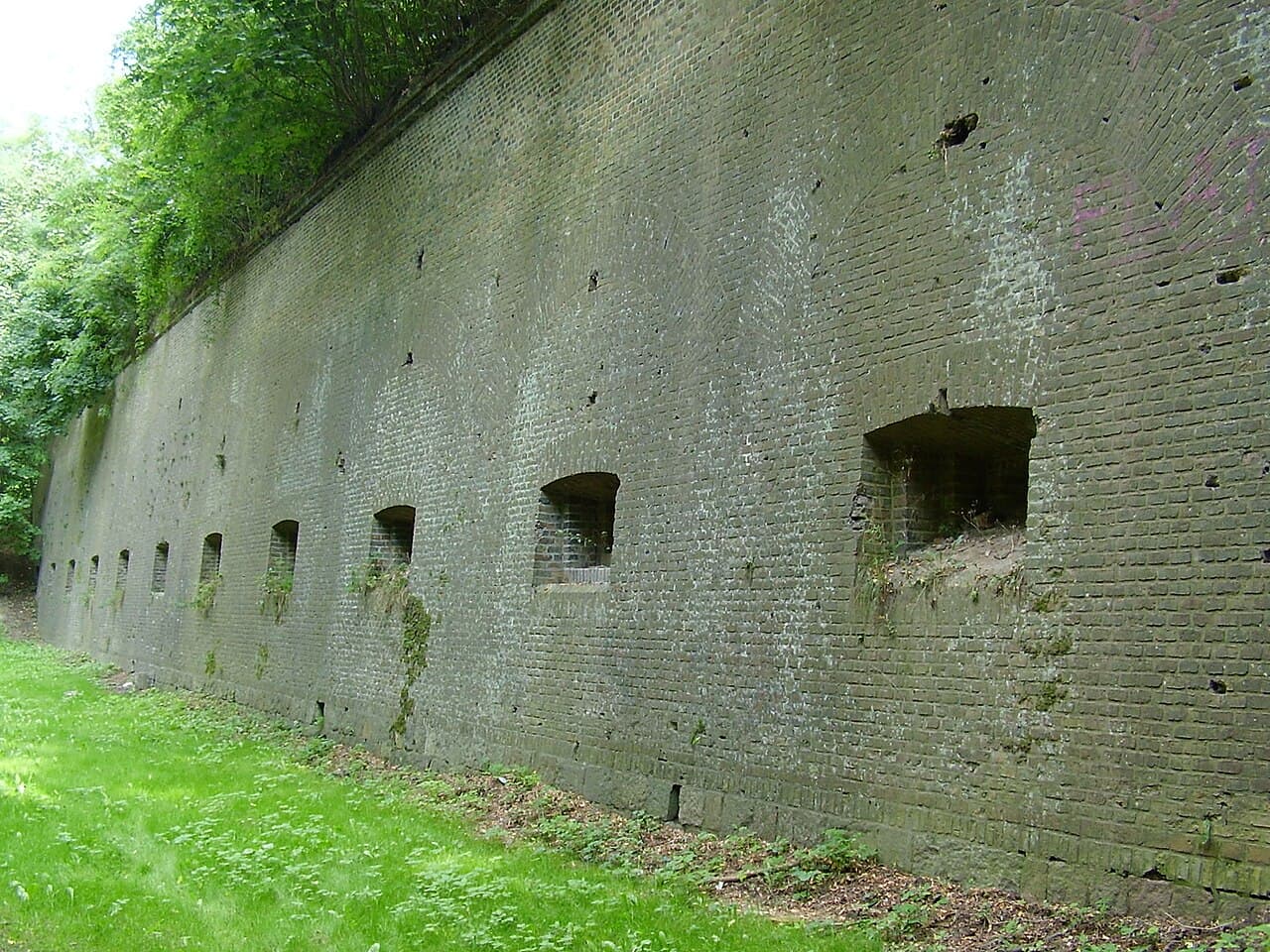
Fort Winiary exemplifies the bastioned fortress style, characterized by angular bastions projecting from the main walls to allow overlapping fields of fire. This design minimized blind spots and maximized defensive coverage against attackers. The fortress included thick ramparts, deep moats, and multiple layers of defensive walls to absorb artillery fire and resist infantry assaults.
The central citadel housed various military facilities, including barracks, ammunition depots, command posts, and artillery placements. Its layout was carefully planned to support prolonged defense and maintain communication lines with the outer forts. Fort Winiary’s construction utilized robust masonry and earthworks, combining stone and brick with earthen embankments to enhance durability against bombardment.
Defensive structures and layout
The fortress featured curtain walls connecting bastions, protected by dry or wet moats, designed to slow enemy advances. The bastions themselves were equipped with artillery platforms for cannons and later, rifled guns. Underground passages and storage rooms provided secure areas for troops and supplies during sieges.
Additional defensive elements included caponiers and ravelins, outworks placed in front of the main walls to disrupt and expose attacking forces. These structures were integral to the fortress's layered defense strategy, forcing attackers to overcome multiple obstacles before reaching the core.
Fort winiary in world war ii and aftermath
During the closing stages of World War II, Fort Winiary gained renewed military significance. Under the Nazi German occupation, Poznań was declared a Festung or fortress city, intended to be defended at all costs against the advancing Soviet Red Army. Fort Winiary became the last stronghold during the Battle of Poznań (1945), enduring intense combat and siege conditions.
The fortress suffered considerable damage during the battle but remained a symbol of resistance. Following the war, much of the fortifications were dismantled or repurposed, with Fort Winiary itself transformed into a public park known as Cytadela Park. The park preserves some of the original military structures and serves as a historical monument commemorating the city's turbulent past.
Cultural heritage and current status
Today, Fort Winiary and the remnants of Poznań Fortress are recognized as significant cultural heritage sites. The fortress's remains provide insight into 19th-century military architecture and the evolution of defensive strategies in Central Europe. Cytadela Park offers visitors green spaces alongside preserved bastions, ditches, and underground passages, blending historical education with recreational use.
Efforts to maintain and restore parts of the fortress continue, highlighting its importance as a historical landmark. Fort Winiary stands as a testament to the military engineering of its era and the complex history of Poznań through periods of Prussian rule, German occupation, and Polish sovereignty.
Visiting fort winiary
Visitors to Fort Winiary can explore the extensive park grounds and view surviving fortification elements. Informational plaques and guided tours provide context about the fortress's construction, military role, and wartime experiences. The site is accessible year-round, offering a unique combination of history, architecture, and natural beauty in the heart of Poznań.
Frequently asked questions (FAQ)
- How do I get to Fort Winiary?
- Fort Winiary is located in Poznań, Poland, and is easily accessible by public transport. You can take trams or buses that stop nearby, and parking is available if you're driving. It's advisable to check local transport schedules for the most accurate route information.
- What is the historical significance of Fort Winiary?
- Fort Winiary is a prominent example of 19th-century military architecture and played a crucial role in the defense of Poznań. Constructed between 1828 and 1832, it served as part of a larger fortification system. The fort's history reflects the military strategies and geopolitical challenges of its time.
- When was Fort Winiary built?
- Fort Winiary was built between 1828 and 1832 as part of the Prussian defensive system. Its construction marked a significant period in the military history of Poznań, highlighting the city's strategic importance. The fort has undergone various modifications and restorations since its initial completion.
- Can I visit Fort Winiary?
- Yes, Fort Winiary is open to visitors, and guided tours are available to enhance your experience. Exploring the fort allows you to learn about its history and architecture firsthand. Be sure to check the schedule for any special events or tours that may be available during your visit.
- Why is Fort Winiary an important architectural site?
- Fort Winiary is notable for its well-preserved military architecture that exemplifies the design principles of 19th-century fortifications. Its unique layout and structural features offer insight into historical military engineering. The fort is also a beautiful example of how military structures can harmonize with natural landscapes.
- Is it possible to hold events at Fort Winiary?
- Yes, Fort Winiary can host various events, including cultural gatherings, exhibitions, and educational programs. The venue offers a unique setting that combines history with modern amenities. It is advisable to contact the management in advance to discuss available options and arrangements.
- What are the opening hours of Fort Winiary?
- Fort Winiary typically opens to visitors from Tuesday to Sunday, with specific hours depending on the season. During peak tourist seasons, the fort may extend its hours to accommodate more visitors. Always check the official website or contact them directly for the most current opening hours before your visit.
- What are the ticket prices for visiting Fort Winiary?
- Ticket prices for Fort Winiary vary depending on the type of tour and age group. Generally, there are discounts for students, seniors, and children. It's best to check the official website for the latest pricing information and any special promotions that may be available.
- What nearby attractions can I visit while at Fort Winiary?
- While visiting Fort Winiary, you can also explore other historical sites in Poznań, such as the Imperial Castle and the Old Market Square. The city offers a rich cultural experience with museums, parks, and restaurants nearby. Make a day of it by enjoying both the fort and the vibrant atmosphere of Poznań.
Photo gallery

Photo by Kacper•Public domain
Information
Loading map...
Visitor reviews
No reviews yet. Been here? Write the first review and help other travelers!
Write the first reviewVisited this castle? Share your experience
Your review helps other travelers and adds first-hand knowledge to our encyclopedia.