Fort Santiago
Fort Santiago, also known as Fuerte de Santiago in Spanish and Moóg ng Santiago in Filipino, stands as a prominent 16th-century bastioned fortress within the historic walled city of Intramuros, Manila, Philippines. Constructed in 1571 by Spanish navigator and governor Miguel López de Legazpi, the fort was integral to the defense of the newly established Spanish colonial capital. Its strategic location near the mouth of the Pasig River allowed control over access to Manila Bay, making it a critical military and administrative stronghold during the Renaissance period.
Architectural design and fortifications
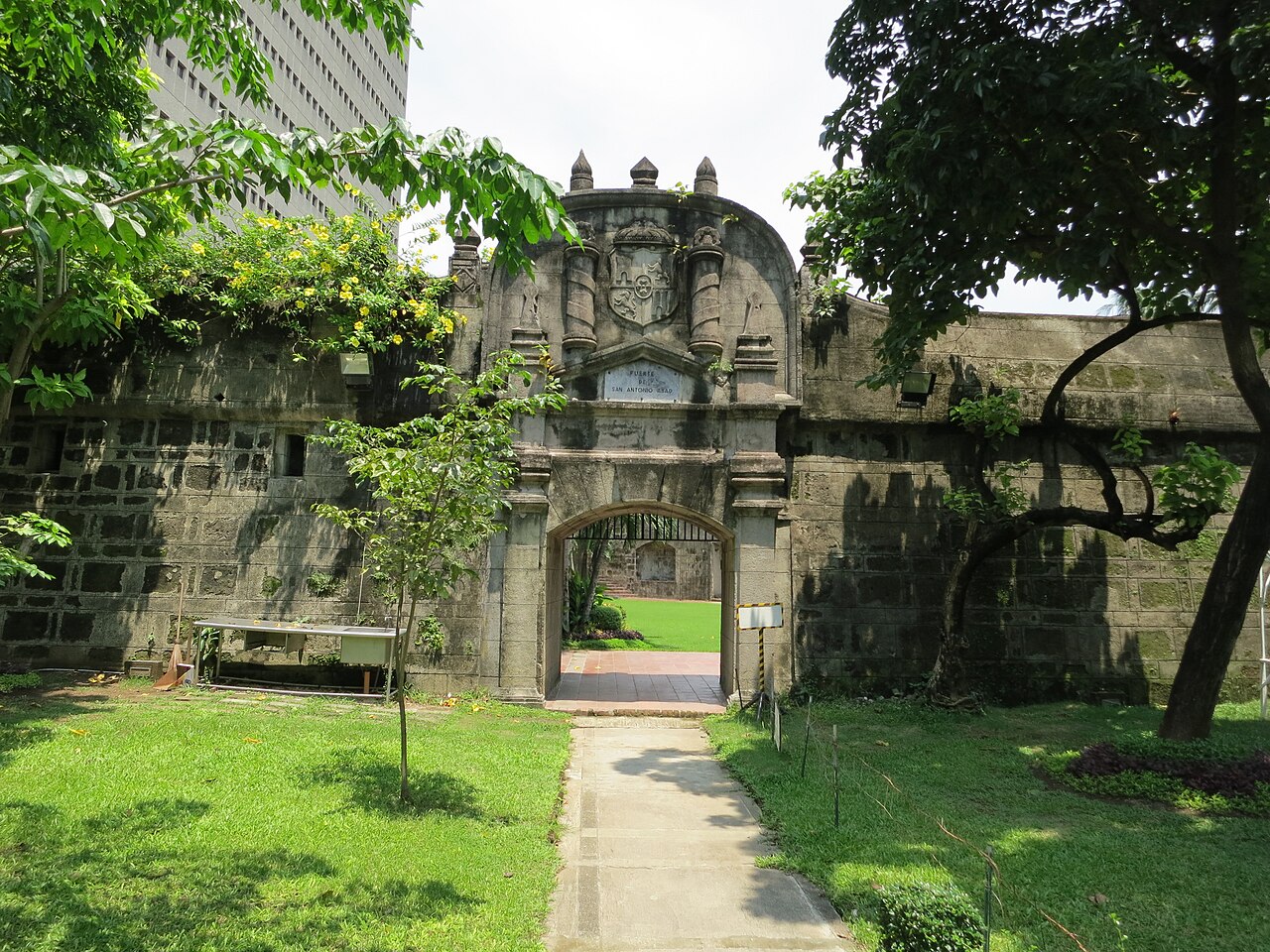
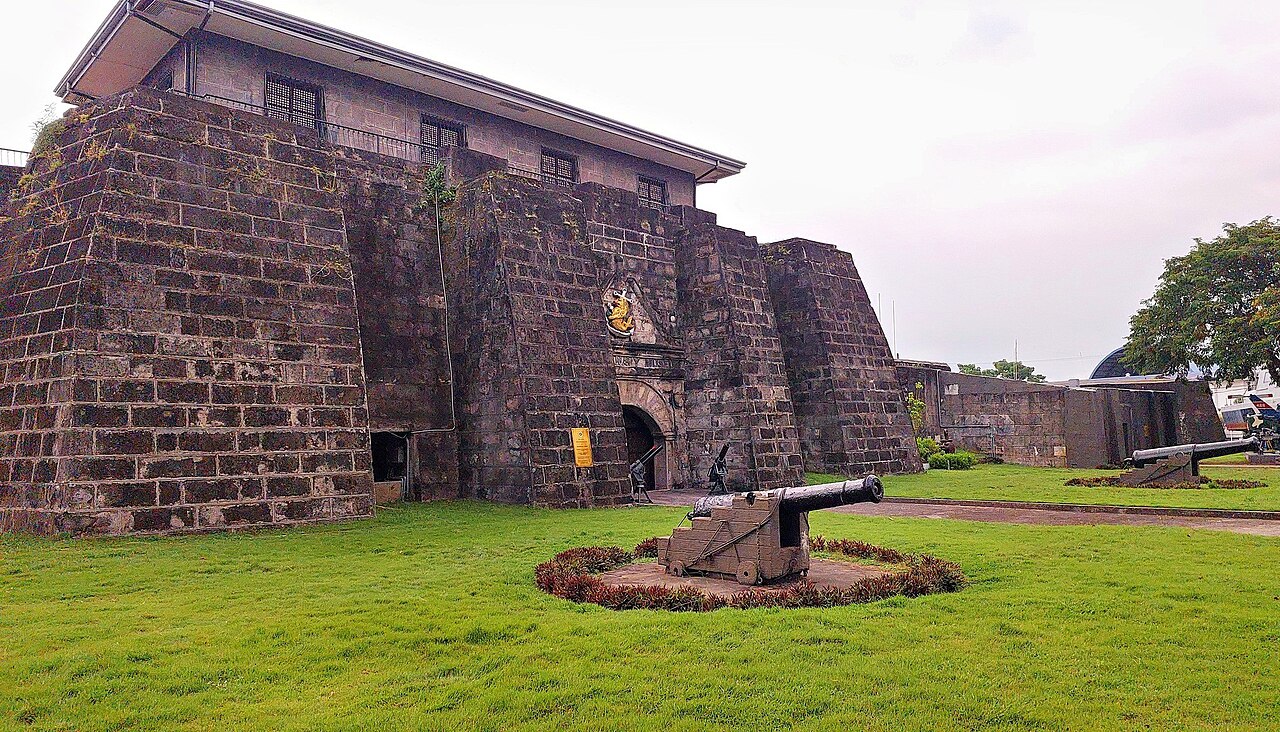
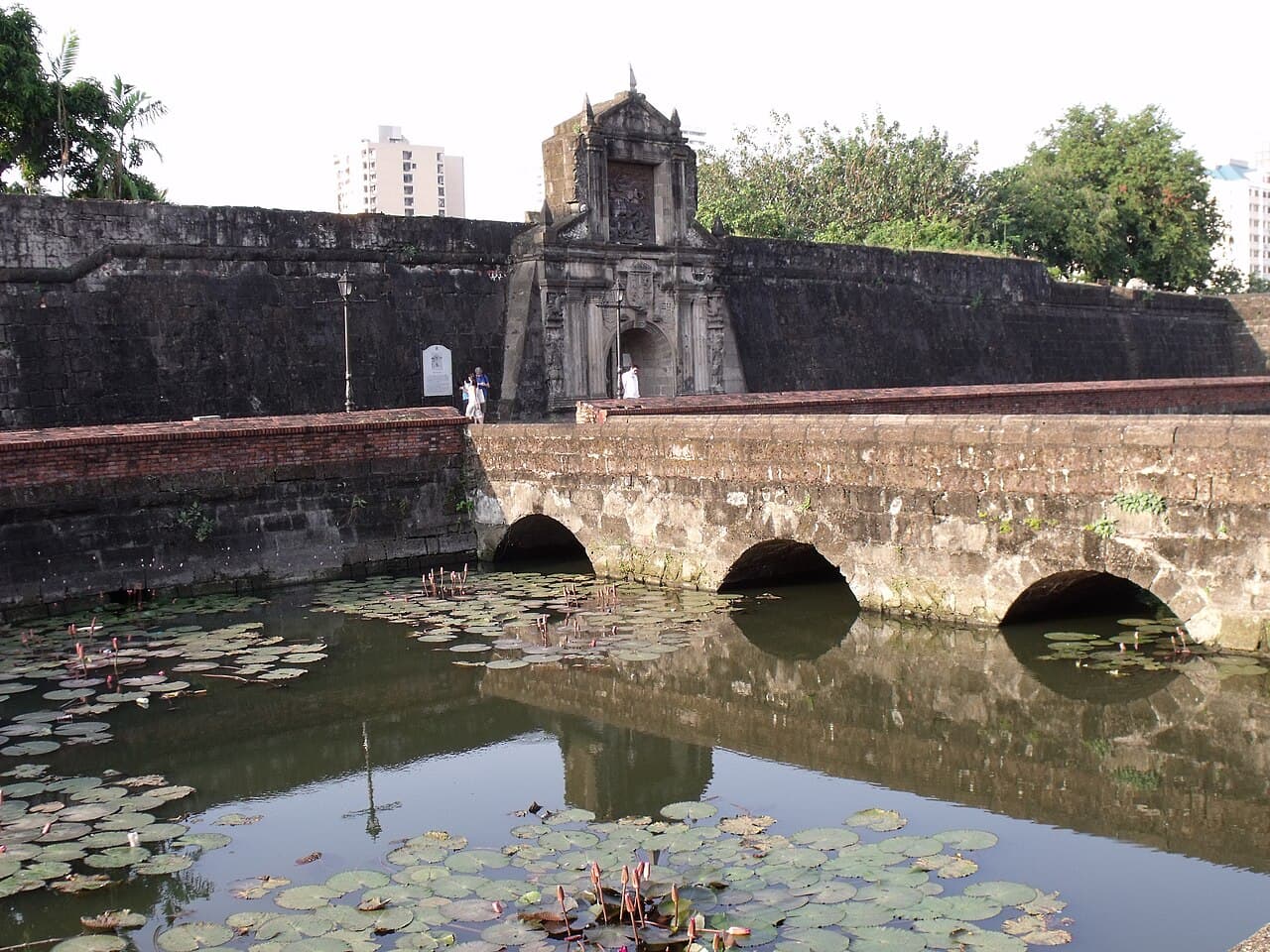
The design of Fort Santiago reflects the principles of bastioned fortresses that were prevalent in the 16th century, influenced by European military architecture adapted to local conditions. The fort features thick stone walls and angled bastions designed to deflect cannon fire and provide overlapping fields of defensive fire. Its layout includes a moat, drawbridges, and multiple gates, which served both defensive and ceremonial functions.
The fortress is surrounded by massive stone ramparts and bastions that provide commanding views of the surrounding area. Its interior contains courtyards, barracks, dungeons, and administrative buildings. The fort's construction utilized local volcanic tuff stone, known as adobe, combined with coral stones, which helped withstand tropical weather and artillery attacks.
Historical significance and events
Fort Santiago played a central role in the Spanish colonial period as a military defense installation and a prison. It was the site where numerous prisoners were held, including José Rizal, the Philippine national hero, who was incarcerated here before his execution in 1896. The prison cells and dungeons within the fort witnessed many tragic events during the Spanish Empire and later during World War II, when the fort was used by Japanese forces as a prison and torture chamber.
The fort's proximity to key landmarks such as the Manila Cathedral and the Palacio del Gobernador (Governor's Palace) highlights its importance within the urban fabric of Intramuros. The Governor's Palace currently houses the office of the Commission on Elections.
Cultural heritage and modern-day use
Today, Fort Santiago is one of the most visited historical sites in Manila, serving as a museum and cultural park. The Rizal Shrine museum inside the fort preserves memorabilia related to José Rizal and educates visitors about his life and the Philippine struggle for independence. Embedded in the ground near the shrine are bronze footprints marking Rizal's final walk from his cell to the place of execution, a poignant reminder of the country's colonial past and quest for freedom.
The fort's well-preserved walls and bastions offer visitors a glimpse into Spanish Renaissance military architecture adapted to Southeast Asian contexts. It remains a symbol of resilience and a testament to the layered history of Manila, reflecting centuries of colonial rule, war, and national identity formation.
Frequently asked questions (FAQ)
- How do I get to Fort Santiago?
- Fort Santiago is located in Intramuros, Manila, and can be easily accessed by public transportation. You can take the LRT Line 1 to the Central Terminal station, then walk or take a taxi to the fort entrance.
- What is the historical significance of Fort Santiago?
- Fort Santiago is a crucial symbol of Philippine history, serving as a defense fortress during the Spanish colonial period and later as a prison for national hero José Rizal. It played a significant role in the country's struggle for independence and is now a prominent historical site.
- When was Fort Santiago built?
- Fort Santiago was constructed in 1571, making it over 450 years old. It was designed by Spanish engineer Miguel López de Legazpi and has since undergone various renovations and restorations.
- Can I take photos inside Fort Santiago?
- Yes, visitors are encouraged to take photos throughout Fort Santiago to capture its beautiful architecture and historical artifacts. Just be mindful of other guests and respect any designated no-photography areas.
- Why is Fort Santiago a popular tourist attraction?
- Fort Santiago attracts visitors due to its rich history, stunning views of the Pasig River, and preserved Spanish colonial architecture. It also offers educational exhibits that provide insights into the Philippines' past, making it a must-visit for history enthusiasts.
- Is it possible to visit Fort Santiago during the holidays?
- Yes, Fort Santiago is open to visitors during holidays, although it is advisable to check for any special events or changes in operating hours. The fort often hosts cultural programs and reenactments during festive seasons.
- What are the opening hours of Fort Santiago?
- Fort Santiago is typically open from 9:00 AM to 7:00 PM daily. However, it's best to verify current opening hours on their official website before planning your visit, as they may vary on holidays.
- What are the ticket prices for Fort Santiago?
- As of now, the entrance fee to Fort Santiago is quite affordable, usually around 75 PHP for adults and 50 PHP for students and senior citizens. Special rates may apply for group visits, so it's worth checking for discounts.
- What is the best time to visit Fort Santiago?
- The best time to visit Fort Santiago is during the dry season, which typically runs from November to April. This period offers pleasant weather, making your exploration of the fort and its surroundings more enjoyable.
- Are there any nearby attractions to visit after Fort Santiago?
- Yes, after visiting Fort Santiago, you can explore other historical sites in Intramuros, such as San Agustin Church, Casa Manila, and the Manila Cathedral. These attractions are within walking distance and provide a rich cultural experience.
Photo gallery

Information
Loading map...
Visitor reviews
No reviews yet. Been here? Write the first review and help other travelers!
Write the first reviewVisited this castle? Share your experience
Your review helps other travelers and adds first-hand knowledge to our encyclopedia.