Fort San Felipe
Fort San Felipe (Spanish: Fortaleza de San Felipe; Filipino: Moog ng San Felipe Neri) is a significant 17th-century bastioned fortress located in Cavite City, Philippines. Constructed by the Spanish military in 1609, it was built to defend the first port town of Cavite, the historic heart of the present-day city. This fortress played a vital role in protecting the important naval base and port facilities during the Spanish colonial period.
Historical context and strategic importance
Fort San Felipe was erected during the Renaissance period of military architecture, reflecting the Spanish Empire's efforts to fortify its overseas territories against foreign threats and local uprisings. Located at the entrance of Manila Bay, the fortress guarded one of the most crucial maritime gateways in Southeast Asia. The fort's position within the original port town of Cavite, then known as Cavite Nuevo or Cavite Puerto, made it a key defensive structure for Spanish naval operations in the region.
Over the centuries, Fort San Felipe witnessed numerous historical events, including attacks during the Philippine Revolution and World War II. Its role as a military stronghold was central to the defense strategies of the Spanish colonial government and later the Philippine Navy.
Architectural features and design
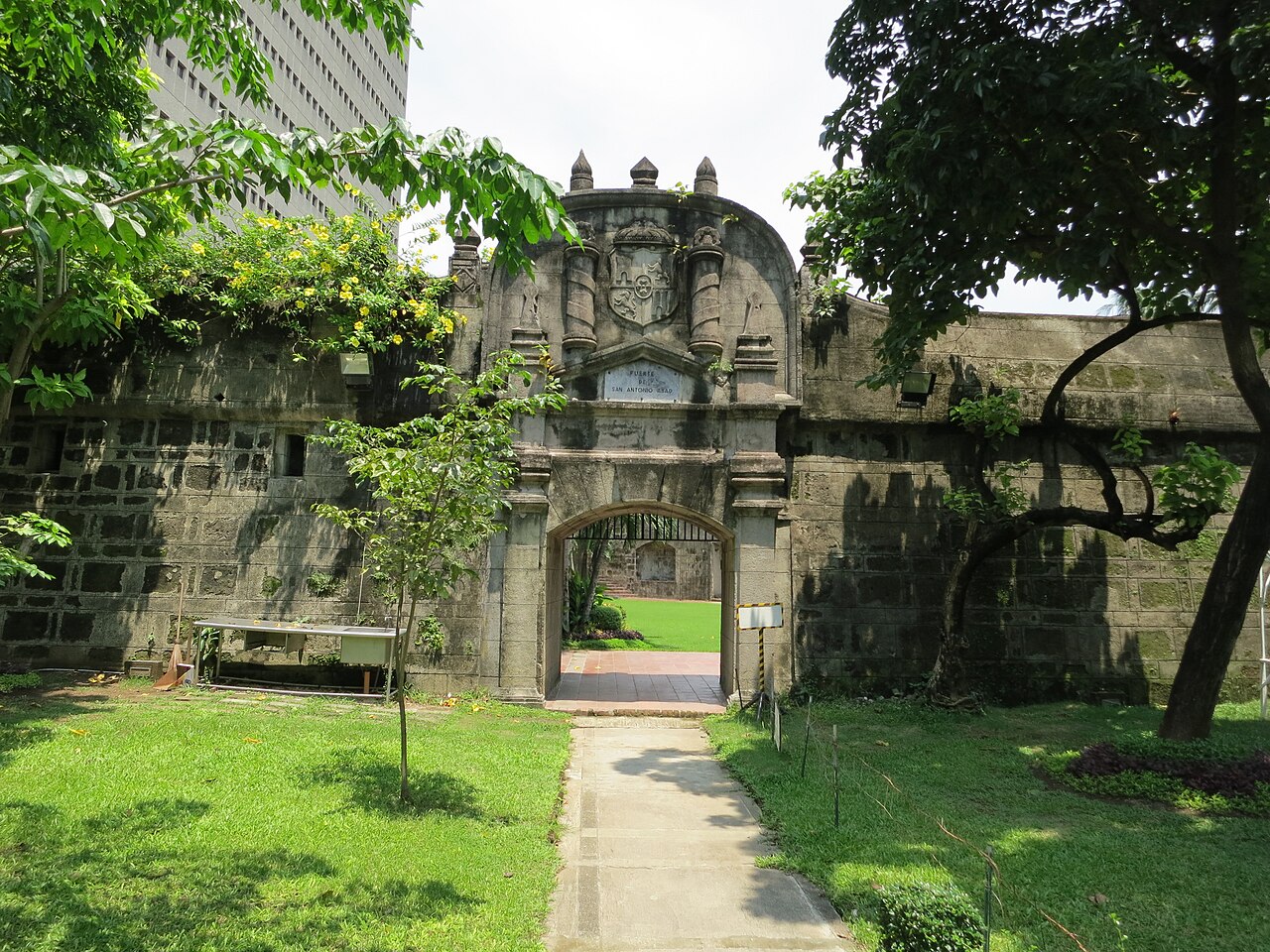
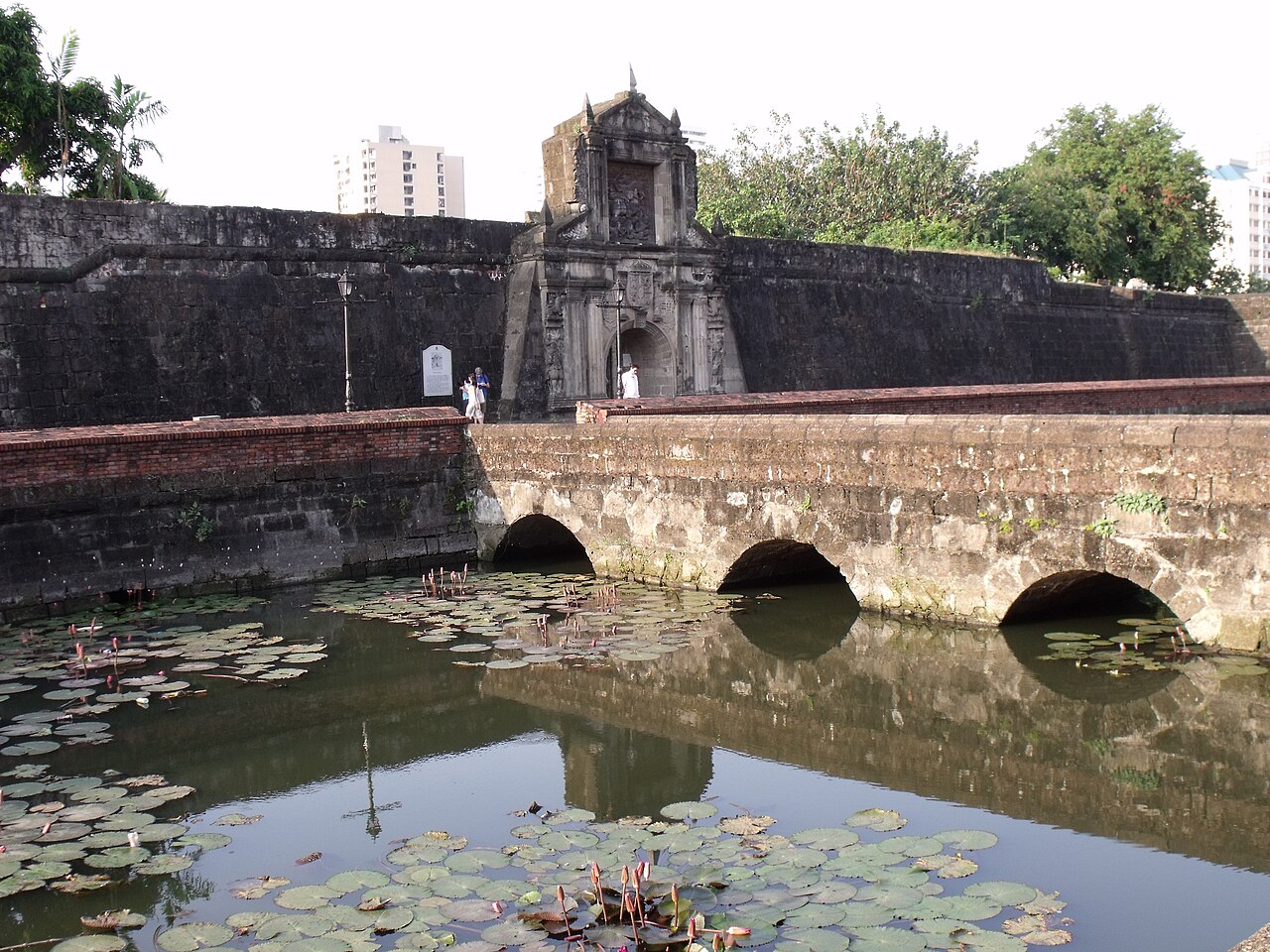
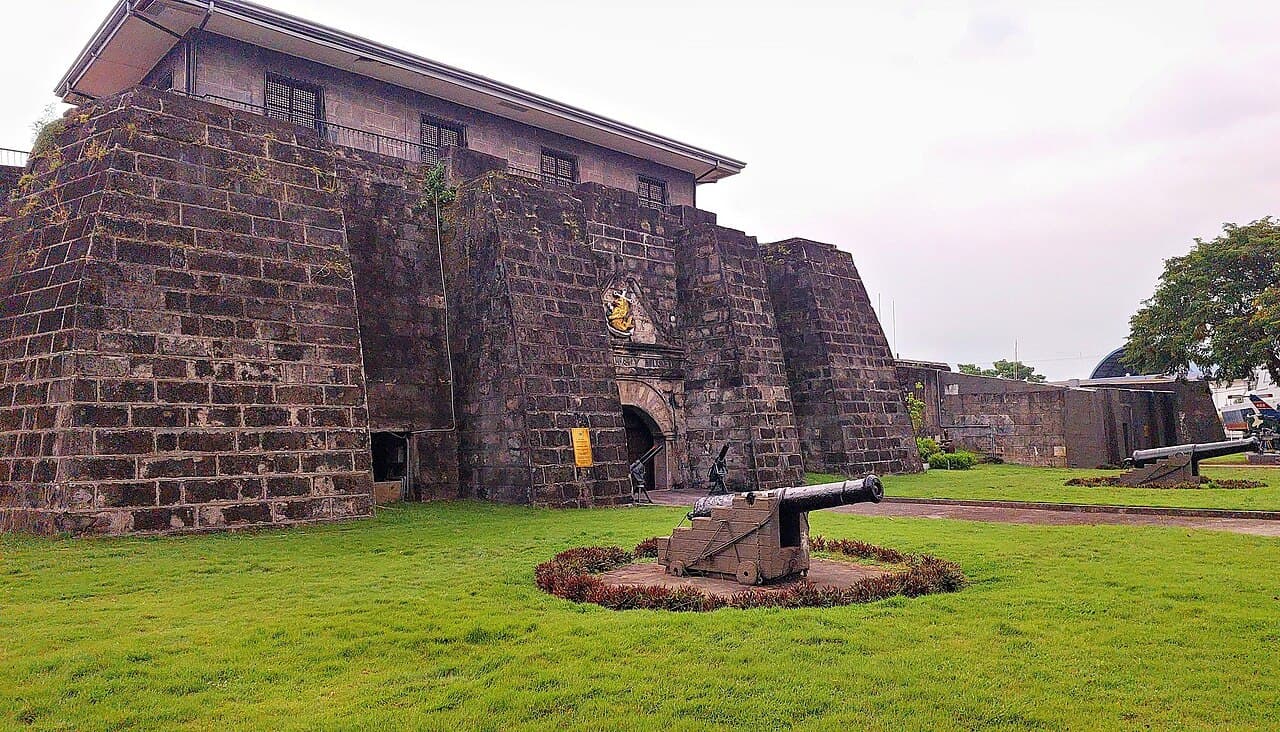
Fort San Felipe is a classic example of a bastioned fortress, a style of fortification developed in the Renaissance to withstand artillery sieges. The surviving portions of the fort are constructed from massive granite blocks, with walls reaching heights of approximately 30 feet. These thick walls were designed to resist cannon fire and provide a platform for defensive artillery.
The fortress originally featured multiple bastions—angular projections that allowed defenders to cover adjacent walls with overlapping fields of fire, eliminating blind spots. A wide stairway leads to the top of the bastions and the remaining walls, providing access to the defensive positions.
The fort's layout included a courtyard and various chambers for troops and supplies, although much of the original structure has been lost. The surviving walls and bastions still convey the scale and strength of the original fortress.
Defensive elements and armaments
Fort San Felipe was equipped with numerous cannons and other artillery pieces, some of which remain as naval memorabilia displayed on its grounds. Antique cannons and cannonballs are scattered throughout the lawns, serving as reminders of the fort's martial past. These weapons were critical for repelling naval attacks and protecting the harbor.
Current condition and preservation
Today, less than half of the original fortress remains intact. The surviving structure is partially preserved, with significant portions lost due to natural decay and human activity over the centuries. Despite this, the remaining walls and bastions still represent an important cultural and historical landmark.
Fort San Felipe is situated within the 9-hectare (22-acre) Naval Base Cavite, operated by the Philippine Navy. Because it lies within an active military base, the fort is not open to the public, limiting access for tourism and study.
Fort San Felipe and the Cavite area today
The name Fort San Felipe also refers to the surrounding district within Cavite City where the original port town and the Cavite Arsenal (now Naval Base Cavite) were established. This area is part of the San Roque district, a historically significant zone that preserves the legacy of Spanish naval and military presence in the Philippines.
While the fortress itself remains largely inaccessible, its historical footprint influences the cultural identity and heritage conservation efforts in Cavite City. The fort's remnants serve as a tangible connection to the colonial past and the strategic maritime history of the Philippines.
Frequently asked questions (FAQ)
- What is the historical significance of Fort San Felipe?
- Fort San Felipe is a historic fortress built during the Spanish colonial period in the Philippines. It served as a key military installation to protect Manila Bay from foreign invasions and played a significant role in various battles throughout history.
- When was Fort San Felipe constructed?
- Construction of Fort San Felipe began in 1586 and was completed in 1611. The fort has undergone several renovations and expansions over the centuries, reflecting the changing military needs and architectural styles of the time.
- What are the opening hours of Fort San Felipe?
- Fort San Felipe is open to visitors from 8:00 AM to 5:00 PM daily. It is advisable to check for any holiday schedules or special events that may affect these hours before planning your visit.
- Can I take a guided tour of Fort San Felipe?
- Yes, guided tours are available at Fort San Felipe, providing visitors with in-depth knowledge of its history and architecture. These tours enhance the experience by offering insights into the fort's significance and its role in Philippine history.
- Is Fort San Felipe accessible for individuals with disabilities?
- Fort San Felipe strives to be accessible for all visitors, with pathways and facilities designed to accommodate those with mobility challenges. However, some areas may have limitations due to the fort's historic structure, so it's best to inquire ahead of your visit.
- What is the best time to visit Fort San Felipe?
- The best time to visit Fort San Felipe is during the dry season, which typically runs from November to April. During these months, the weather is more favorable for exploring the fort and enjoying the surrounding views.
- Are there any nearby attractions to visit after Fort San Felipe?
- Yes, there are several nearby attractions, including the Aguinaldo Shrine, which is just a short distance away. Visitors can also explore the historical sites in Cavite City, such as the San Roque Church and the Cavite Museum.
- How much is the ticket price for Fort San Felipe?
- The entrance fee for Fort San Felipe is typically minimal, making it affordable for all visitors. It is advisable to check at the entrance for the most current ticket prices and any available discounts for students or senior citizens.
Photo gallery

Information
Current owner
Philippine Navy
Loading map...
Visitor reviews
No reviews yet. Been here? Write the first review and help other travelers!
Write the first reviewVisited this castle? Share your experience
Your review helps other travelers and adds first-hand knowledge to our encyclopedia.