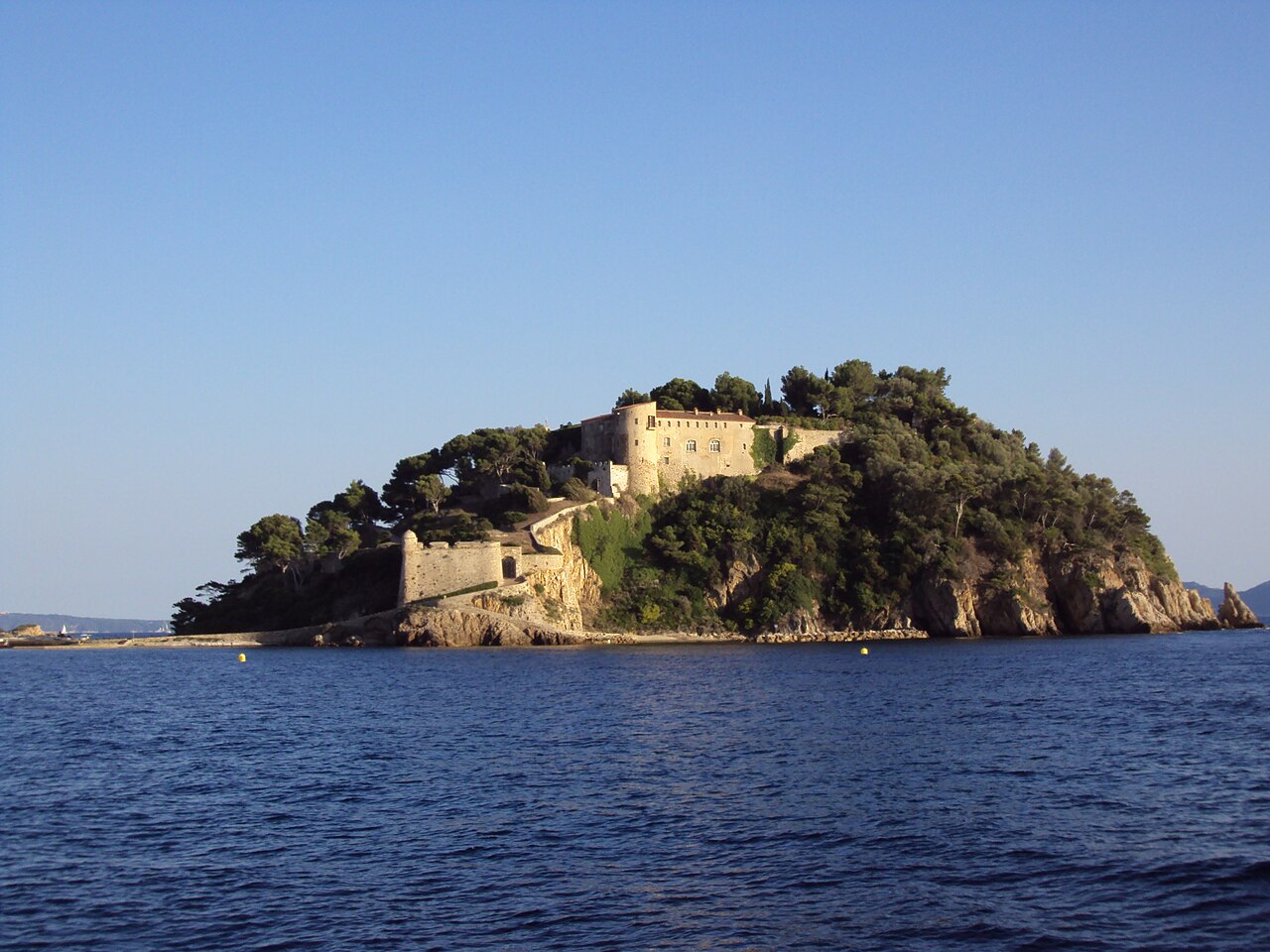
Fort Sainte Agathe
Fort Sainte Agathe is a notable Renaissance coastal fortress located in Hyères, France, constructed in 1531 during the reign of King François I. This fortification was strategically built to defend the Mediterranean coast from frequent maritime attacks, particularly from pirates and rival naval forces. Its position near the coast allowed for effective surveillance and artillery deployment to protect the surrounding region.
Historical context and purpose
During the early 16th century, the French crown invested heavily in coastal defenses as part of a broader military strategy to secure its borders and maritime interests. Fort Sainte Agathe was originally constructed as a cannon tower, a common type of fortification designed to mount artillery pieces capable of deterring enemy ships. Its primary role was to guard the approaches to the nearby islands, including Porquerolles, and to serve as an early warning post against seaborne threats.
Architectural features and evolution
The fort began as a compact, robust cannon tower featuring thick stone walls to withstand bombardment and a platform for mounting heavy artillery. Over the centuries, it underwent various modifications and expansions to adapt to changing military technologies and needs. These adaptations included the addition of defensive walls, bastions, and internal chambers to accommodate troops and supplies.
The design reflects typical Renaissance military architecture, emphasizing functionality and defense. The use of angled bastions and thick masonry walls helped to deflect cannonballs and resist sieges. Despite its relatively small size, the fort's elevated position and robust construction made it a formidable defensive structure.
Current use and exhibitions
Today, Fort Sainte Agathe serves as a cultural and historical site open to the public through guided tours. The fort houses an exhibition dedicated to the history of the nearby Porquerolles Island and the activities of the National Park of Port-Cros. Visitors can explore the fort's interior, learning about its military significance and the natural heritage of the region.
The exhibition includes artifacts, historical documents, and multimedia displays that provide insight into the fort's role in coastal defense and the broader ecological importance of the surrounding islands. The guided tours offer detailed commentary on the fort's architecture, history, and ongoing conservation efforts.
Significance and preservation
Fort Sainte Agathe is an important example of Renaissance coastal fortifications in southern France. Its preservation allows for the study of military architecture from the period and offers a tangible connection to the region's maritime history. The fort's location also provides panoramic views of the Mediterranean Sea and the Hyères archipelago, enhancing its appeal to visitors interested in history and nature.
Efforts to maintain and restore the fort have ensured that it remains structurally sound and accessible. The site contributes to the cultural tourism of Hyères and supports educational initiatives related to both history and environmental conservation.
Frequently asked questions (FAQ)
- How do I visit Fort Sainte Agathe?
- Fort Sainte Agathe is accessible only through guided tours. Visitors should check the official schedule and book in advance to ensure availability.
- What is the historical significance of Fort Sainte Agathe?
- Built in 1531 under François I, Fort Sainte Agathe was a key coastal defense against maritime attacks, protecting the Hyères region and nearby islands.
- Can I see exhibitions at Fort Sainte Agathe?
- Yes, the fort houses exhibitions about the history of Porquerolles Island and the National Park of Port-Cros, providing insights into local heritage.
- Is Fort Sainte Agathe suitable for families?
- The guided tours and exhibitions are educational and suitable for visitors of all ages, making it a family-friendly destination.
- What architectural style is Fort Sainte Agathe?
- Fort Sainte Agathe reflects Renaissance military architecture focused on functionality and defense, with thick walls and cannon placements.
Information
Opening hours
Guided tours only
Current owner
State museum
Loading map...
Visitor reviews
No reviews yet. Been here? Write the first review and help other travelers!
Write the first reviewVisited this castle? Share your experience
Your review helps other travelers and adds first-hand knowledge to our encyclopedia.