Fort Real de São Filipe — Cabo Verde castle

Fort Real de São Filipe

Fort real de São Filipe in Cidade Velha, Cape Verde
Cidade Velha, Ribeira Grande de Santiago, Cabo Verde
Renaissance (15th–17th c.)
Well Preserved

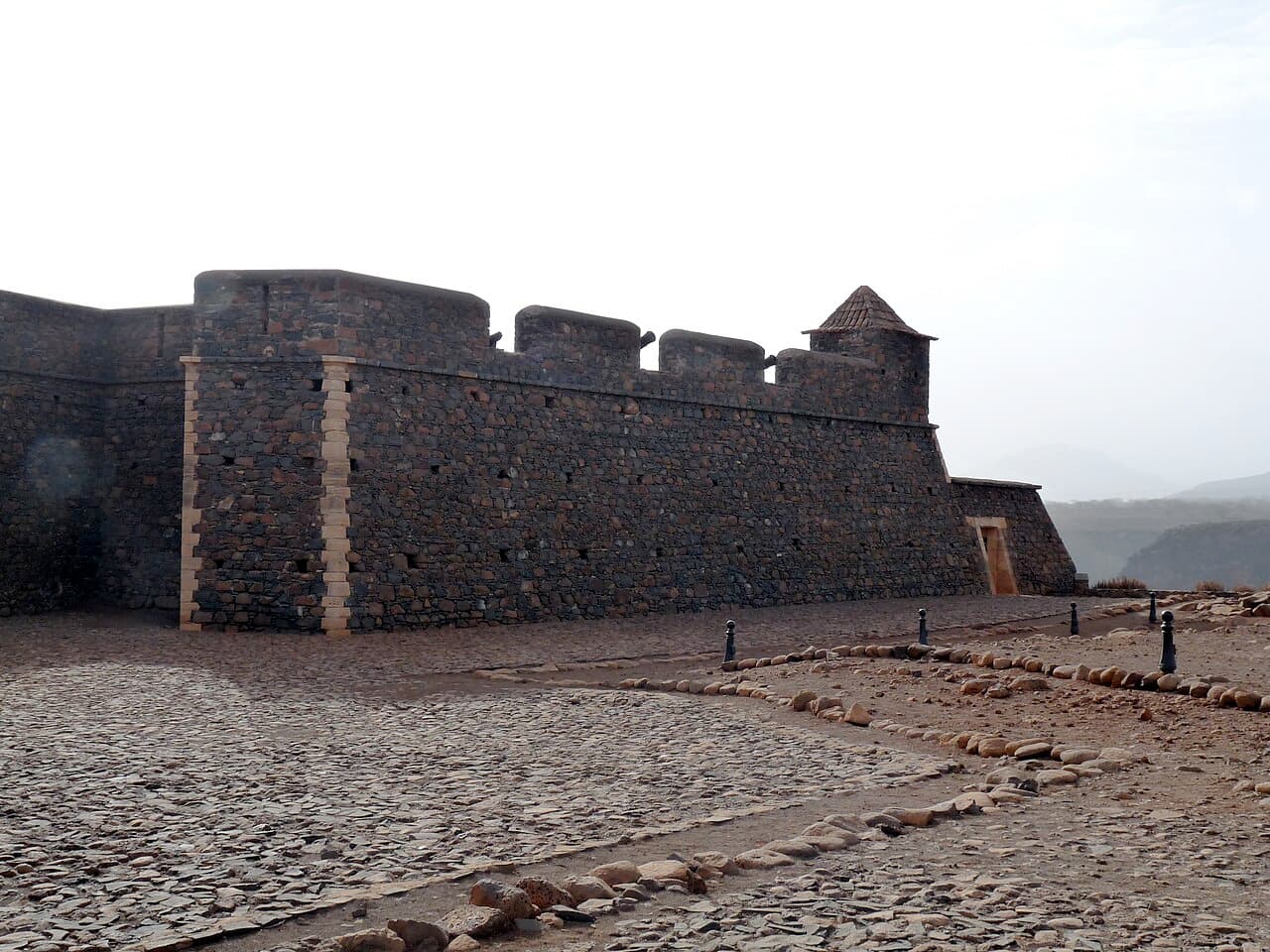
Forte Real de São Filipe is a prominent 16th-century bastioned fortress situated in the historic city of Cidade Velha on the southern coast of Santiago Island, Cape Verde. Perched on a strategic plateau approximately 120 meters above sea level, the fort overlooks the town center and the Atlantic Ocean, commanding exceptional views that were essential for its defensive role. The fortress was constructed during the Renaissance period as part of a comprehensive military system designed to protect Cidade Velha, which was then the capital and a crucial port in the transatlantic trade routes.

The historic center of Cidade Velha, where the fort stands, was designated a UNESCO World Heritage Site in June 2009 due to its outstanding cultural and historical significance. The fortification complex includes not only Forte Real de São Filipe but also a network of six smaller forts strategically placed along the coastline and a defensive wall that enclosed the port area. This system was vital in safeguarding against pirate attacks and foreign invasions during the height of European maritime expansion.

Historical context and strategic importance

Constructed in the 16th century, Forte Real de São Filipe was commissioned by the Portuguese crown to secure its interests in the Atlantic and protect the important trading hub of Cidade Velha. The fortress played a critical role in the defense against frequent pirate raids, which threatened the economic and military stability of the island. Its location on a plateau allowed for early detection of approaching ships and provided a stronghold that was difficult to assault.

The fort's establishment coincided with the broader European Renaissance era, during which military architecture evolved significantly to counter new artillery technologies. The design of Forte Real de São Filipe reflects these innovations, incorporating bastions and angled walls to deflect cannon fire and improve defensive coverage.

Architectural features and design

Forte Real de São Filipe is a classic example of a bastioned fortress, characterized by its angular bastions projecting from the main walls, allowing defenders to cover adjacent walls with overlapping fields of fire. The fortress is constructed primarily of local stone, with thick walls designed to withstand bombardment.

The layout includes a central courtyard surrounded by defensive walls and bastions, with facilities such as barracks, storage rooms, and artillery platforms integrated within the complex. The entrance is fortified with a gatehouse that would have controlled access and served as an additional defensive barrier.

The fort's design reflects Renaissance military engineering principles, emphasizing both functionality and the ability to sustain prolonged sieges. Its elevated position enhances its defensive capabilities, making it a formidable obstacle for any attacking force.

The fort's role in Cape Verde's colonial era

During the colonial period, Forte Real de São Filipe was a key military installation for the Portuguese empire in the Atlantic. It not only protected the local population but also secured the maritime routes essential for trade, including the transatlantic slave trade, which was a significant and tragic part of the island's history.

The fortress witnessed numerous conflicts and sieges, reflecting the turbulent history of the region as European powers vied for control over strategic territories. Its presence helped maintain Portuguese dominance in Cape Verde for centuries.

Preservation and current status

Today, Forte Real de São Filipe remains well preserved and stands as a major cultural landmark in Cidade Velha. Its condition allows visitors to appreciate the scale and sophistication of Renaissance military architecture in an Atlantic island context.

The fort is accessible to tourists and scholars interested in military history, architecture, and Cape Verde's colonial past. It forms part of the broader heritage landscape of Cidade Velha, which includes other historical structures such as the old cathedral and colonial-era houses.

Visiting information

Visitors to Forte Real de São Filipe can explore the fortress grounds, enjoy panoramic views of Cidade Velha and the surrounding ocean, and learn about the site's historical significance through guided tours and informational displays. The fort's elevated position provides excellent photographic opportunities and a tangible connection to the island's past.

Efforts to maintain and conserve the fort continue, ensuring that this important monument remains a testament to Cape Verde's rich and complex history.

Frequently asked questions (FAQ)

What is the historical significance of Fort Real de São Filipe?
Fort Real de São Filipe, built in the 16th century, played a crucial role in protecting the island of Santiago from pirate attacks and foreign invasions. It is one of the best-preserved examples of military architecture in Cabo Verde and symbolizes the strategic importance of the island during the Age of Exploration.
When was Fort Real de São Filipe constructed?
The construction of Fort Real de São Filipe began in 1587 and was completed in 1590. Its establishment marked a significant development in the defense systems of the Portuguese empire in the Atlantic region.
What are the opening hours for visiting Fort Real de São Filipe?
Fort Real de São Filipe is generally open to visitors from 9 AM to 5 PM daily. However, it is advisable to check for any seasonal changes or public holidays that may affect these hours before planning your visit.
Can I enter Fort Real de São Filipe without a guided tour?
Yes, visitors can explore Fort Real de São Filipe on their own without a guided tour. However, taking a guided tour can enhance your experience by providing deeper insights into the fort's history and architecture.
Is it possible to take photographs inside Fort Real de São Filipe?
Yes, photography is allowed inside Fort Real de São Filipe, making it a great opportunity to capture the stunning views and architectural details. Just be respectful of other visitors and the historical significance of the site.
What is the best time to visit Fort Real de São Filipe?
The best time to visit Fort Real de São Filipe is during the dry season, which runs from November to May. During this period, the weather is generally pleasant, making it ideal for exploring the fort and enjoying the surrounding scenery.
Are there any nearby attractions to visit after Fort Real de São Filipe?
Yes, after visiting Fort Real de São Filipe, you can explore the town of Cidade Velha, which is a UNESCO World Heritage site. Other nearby attractions include the Igreja de Nossa Senhora do Rosário and the picturesque beaches that line the coastline.
What are the ticket prices for entering Fort Real de São Filipe?
The ticket prices for Fort Real de São Filipe are quite affordable, typically around 200 escudos for adults and reduced rates for children and seniors. Be sure to check for any special discounts or combined tickets with other local attractions.
How do I get to Fort Real de São Filipe from the city center?
To reach Fort Real de São Filipe from the city center, you can either walk, as it is located within a short distance, or take a local taxi for convenience. Walking allows you to enjoy the historical ambiance of Cidade Velha along the way.

Photo gallery

Fort Real de São Filipe
Click to view

Photo by Gagum from Lisbon, Portugal•CC BY 2.0

1 photo • Click any image to view in full screen

Information

Bastioned Fortress

Current owner

State museum

Loading map...

Visitor reviews

No reviews yet. Been here? Write the first review and help other travelers!

Write the first review

Visited this castle? Share your experience

Your review helps other travelers and adds first-hand knowledge to our encyclopedia.
Write a review

(5/5)

0/2000 characters

Your review will be visible after admin approval

Nearby castles

48.4 km
Forte de São José — Cabo Verde castle

Forte de São José

Porto Inglês, Cabo Verde

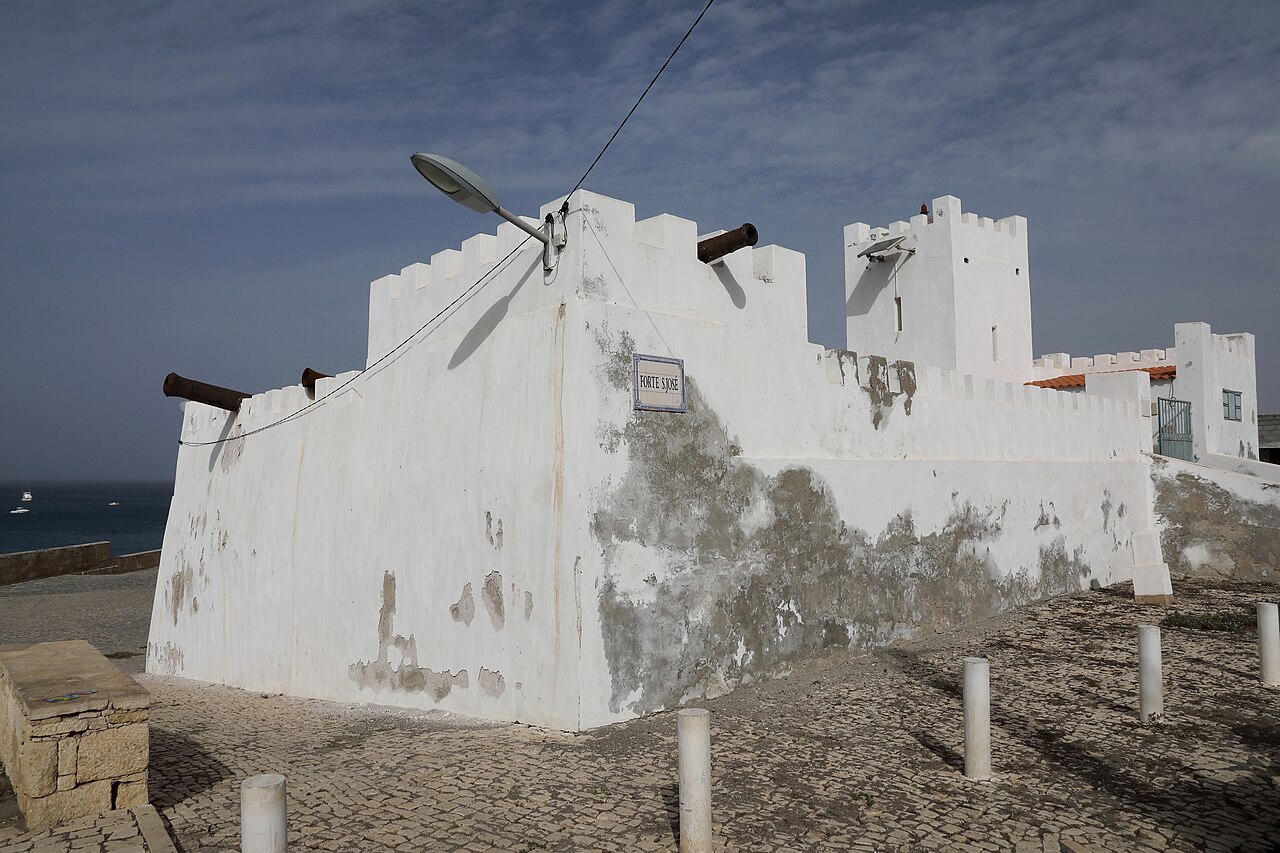
Forte de São José, meaning the Fort of Saint Joseph, is a historic bastioned fortress situated in the city of Porto Inglês on the southern coast of Maio Island, part of the Cape Verde archipelago. Constructed by the Portuguese in the mid-18th century, around 1743, the fort was strategically established to protect the town and its harbor from frequent pirate attacks and maritime threats common during that era. Historical context and strategic importance The 18th century was a period marked by increased naval activity and piracy along the West African coast and Atlantic islands. The Portuguese, who controlled Cape Verde as an important stopover for Atlantic navigation, prioritized fortifying key settlements to secure their maritime routes and colonial possessions. Forte de São José was part of this defensive network, serving as a deterrent and a military stronghold to safeguard Porto Inglês, which was the main settlement on Maio Island. The fort's location on the southern shore provided a vantage point over the surrounding waters, allowing early detection of hostile ships. Its presence was crucial in maintaining the security and economic stability of the island, which depended heavily on maritime trade and fishing. Architectural features and design Forte de São José is classified as a bastioned fortress, a style characterized by angular bastions projecting from the curtain walls, designed to provide overlapping fields of fire and eliminate blind spots. This architectural approach was common in the Modern period of fortification, reflecting advances in military engineering that responded to the use of cannon artillery. The fort's layout typically includes low, thick walls with bastions at the corners, allowing defenders to cover all approaches. The walls were constructed using local stone and lime mortar, materials readily available on Maio Island. Inside, the fort would have contained barracks, storage facilities for ammunition and supplies, and a central courtyard for troop movements. Although the fort has undergone changes over time, its bastioned structure remains a significant example of Portuguese colonial military architecture in Cape Verde. Role in local history and legacy Throughout its active use, Forte de São José played a key role in the defense of Maio Island against various threats, including pirate raids and potential foreign incursions. Its presence contributed to the relative stability of Porto Inglês and helped protect the local population and economic interests. With the decline of piracy and changes in military technology, the fort's strategic importance diminished. Today, it stands as a cultural and historical landmark, attracting visitors interested in the colonial history of Cape Verde and the architectural heritage of Portuguese fortifications. Current condition and tourism The fort is currently in a partially preserved state, with some original walls and bastions still visible, though parts have suffered from weathering and lack of maintenance. Efforts have been made to preserve the site as a tourist attraction and educational resource, highlighting its significance in Cape Verde's history. Visitors to Forte de São José can explore the remains and enjoy views of the surrounding coastline and harbor. The fort is accessible from the town center of Porto Inglês, making it a popular destination for those interested in history and architecture. Architectural significance in Cape Verde Forte de São José exemplifies the adaptation of European bastioned fortress design to the Atlantic island environment. Its construction reflects the Portuguese colonial military strategy during the Modern period, combining functional defense with the use of local materials and techniques suited to the island's climate and geography. The fort contributes to the understanding of Cape Verde's role in Atlantic maritime history and the broader context of European colonial fortifications in Africa. Visiting information Tourists interested in exploring Forte de São José should check local resources for visiting hours and any guided tours available. The site offers a glimpse into the island's colonial past and is part of the cultural heritage that shapes Maio Island's identity today.

Modern (19th–20th c.)
Details
156.3 km
Forte Duque de Bragança — Cabo Verde castle

Forte Duque de Bragança

, Cabo Verde

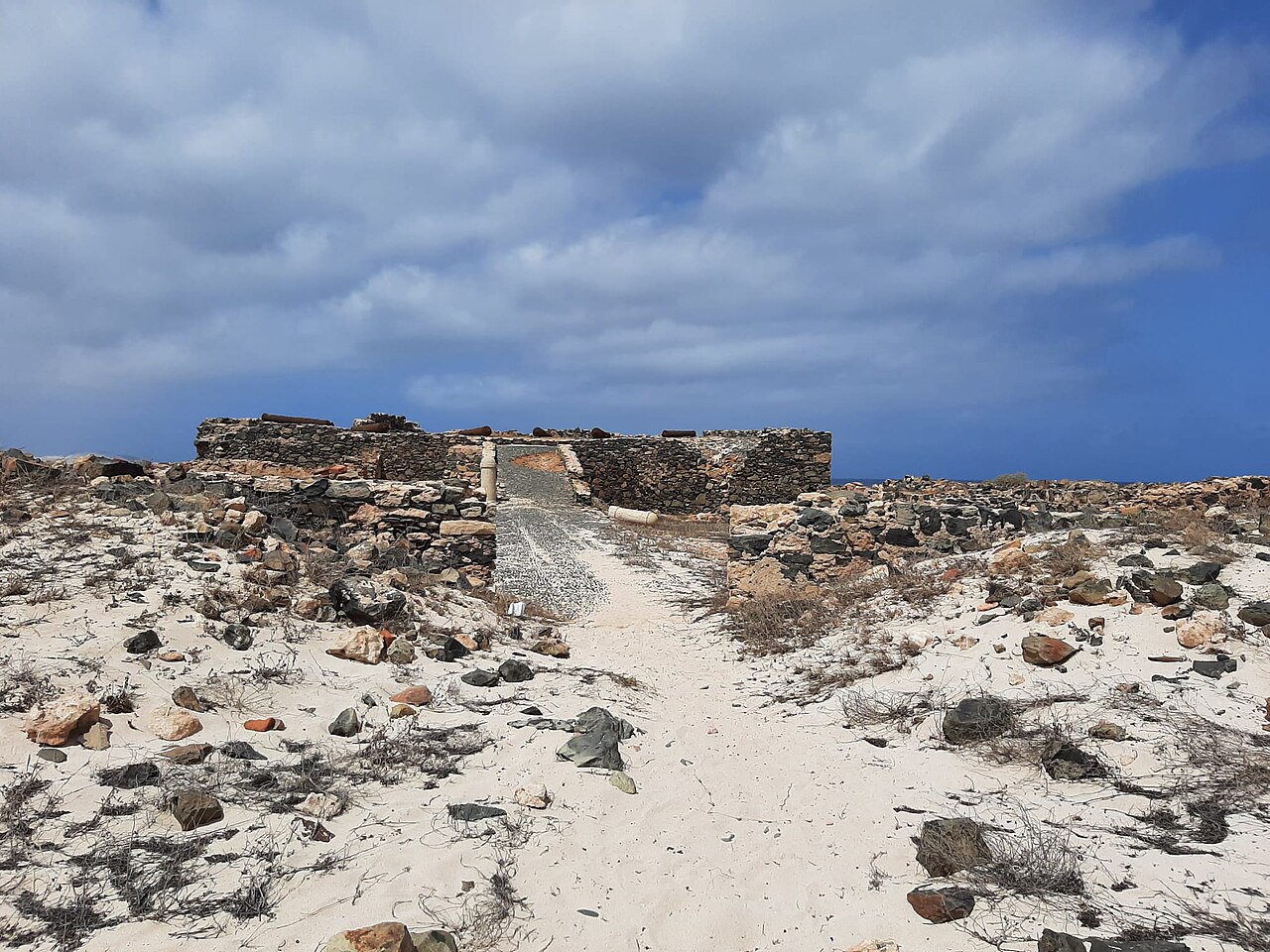
Forte Duque de Bragança is a 19th-century fortification situated on the small islet of Ilhéu de Sal Rei, just off the northwestern coast of Boa Vista island in Cape Verde. This fort was strategically positioned to guard the valuable salt-producing region and the anchorage nearby, both critical to the island's economy and international trade during the early 19th century. The fort's name honors the Duke of Bragança, an important Portuguese noble title, reflecting Cape Verde's colonial ties to Portugal.Historical context and strategic importanceDuring the early 1800s, the Atlantic Ocean was rife with piracy and coastal raiding, posing a constant threat to maritime commerce and coastal settlements. The island of Boa Vista was known for its salt production, a commodity highly prized in international markets. The anchorage near Ilhéu de Sal Rei was a focal point for ships involved in the salt trade, making it a tempting target for pirates and raiders.The area suffered significant attacks in 1815 and 1817, which severely disrupted trade and local security. In response to these raids, the Portuguese colonial administration commissioned the construction of Forte Duque de Bragança in 1818 to provide a defensive stronghold capable of deterring pirate incursions and protecting the economic interests of the island.Architectural features and fortificationsThe fort was designed as a compact defensive structure typical of coastal fortifications of the early 19th century. Its location on the small islet provided a natural vantage point to monitor and control access to the anchorage. The fort's walls were built from local stone, arranged to create a robust perimeter capable of withstanding cannon fire and attacks from small raiding parties.Though much of the fort is now in ruins, archaeological excavations have revealed the remains of defensive walls, a gun platform, and foundations of internal buildings used for storage and garrison quarters. The fort likely housed a small garrison equipped with artillery pieces to cover the approaches by sea.Defensive layoutThe fort's layout was compact and functional, designed to maximize the defensive capabilities with limited manpower. The walls formed an enclosure with bastions or raised platforms at key points to mount cannons. The entrance was fortified to control access, and the positioning allowed overlapping fields of fire over the adjacent coastline and anchorage.Archaeological research and preservationToday, Forte Duque de Bragança stands as a ruin, with much of its original structure degraded by time and exposure to the harsh Atlantic environment. The site has been the subject of archaeological investigation, notably by researchers from the University of Cambridge, who have conducted partial excavations to uncover the fort's layout and historical usage.These excavations have helped to document the fort's construction techniques, military architecture, and role in regional defense. The findings contribute valuable insights into the colonial history of Cape Verde and its strategic importance in Atlantic maritime routes.Significance in Cape Verde's heritageThe fort is an important cultural and historical landmark that reflects the challenges faced by coastal communities in protecting their economic resources from piracy in the 19th century. It also illustrates the Portuguese colonial military architecture adapted to the unique geographic and economic context of Cape Verde.While the fort is not fully preserved, it remains a point of interest for historians, archaeologists, and visitors interested in the maritime history of the Atlantic islands and the legacy of colonial defense systems.

Modern (19th–20th c.)
Details
931.9 km
Fortaleza de São José da Amura — Guinea-Bissau castle

Fortaleza de São José da Amura

Bissau, Guinea-Bissau

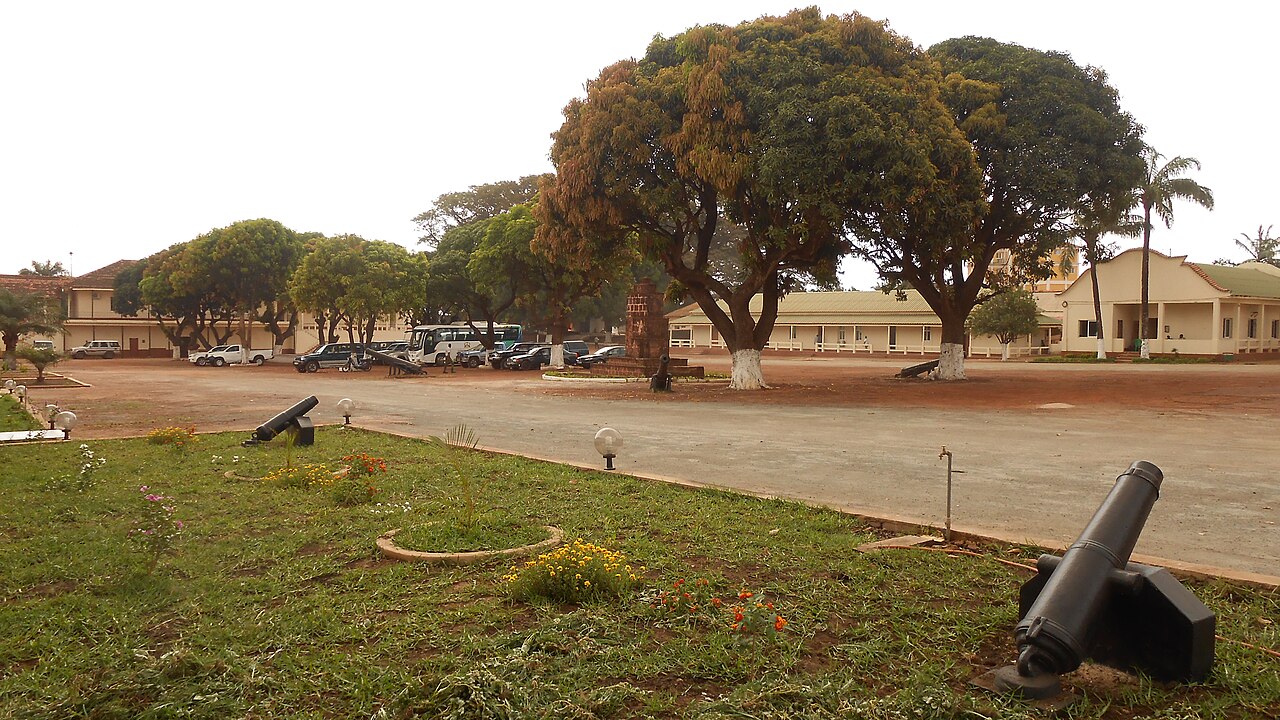
Fortaleza de São José da Amura, commonly known as Amura Fort, is a prominent bastioned fortress situated in the city of Bissau, the capital of Guinea-Bissau in West Africa. This fortification holds significant historical and architectural value as a vestige of Portuguese colonial military presence in the region. Constructed during the colonial period, the fortress exemplifies the strategic military architecture employed by the Portuguese to secure their interests along the West African coast. Historical context and construction The fort was built in the 17th or 18th century, a period marked by intense European competition for control over trade routes and territories in West Africa. As a bastioned fortress, its design reflects the influence of the trace italienne style, characterized by angular bastions designed to withstand artillery attacks and provide overlapping fields of fire. The fort played a crucial role in protecting the harbor of Bissau and served as a military and administrative center during Portuguese rule. Architectural features and layout Fortaleza de São José da Amura features robust stone walls with bastions at the corners, allowing defenders to cover all approaches with cannon fire. The fortress is surrounded by a moat, enhancing its defensive capabilities. Inside, the layout includes barracks, storage facilities, and command quarters, arranged around a central courtyard. The design emphasizes both defense and functionality, typical of bastioned fortresses constructed in colonial contexts. Bastions and defensive elements The bastions are the most distinctive elements of the fort, projecting outward from the main walls to eliminate blind spots. These angular structures were designed to absorb and deflect cannon fire, a significant advancement over medieval castle designs. The walls are thick and constructed from locally sourced stone and mortar, ensuring durability against both siege weaponry and tropical weather conditions. Interior structures Within the fort, the barracks provided housing for soldiers stationed at the fort, while storage rooms held ammunition and supplies necessary for prolonged defense. The commander's quarters were strategically located to oversee both the courtyard and the fort's defenses. The central courtyard served as a muster point and facilitated communication among the garrison. Role in regional history Throughout its history, Fortaleza de São José da Amura was integral to Portuguese efforts to control trade and maintain security in the Bissau region. It served not only as a military stronghold but also as a symbol of colonial authority. The fort witnessed various conflicts and shifts in control as European powers vied for dominance in West Africa. Its presence influenced the development of Bissau as a strategic port city. Preservation and current status Today, the fort is recognized as a significant cultural and historical landmark in Guinea-Bissau. While some sections have suffered from the effects of time and tropical climate, it remains a well-preserved example of bastioned fortress architecture. Efforts have been made to maintain and restore parts of the structure to preserve its historical integrity and promote cultural heritage tourism. Visitor information The fort is accessible to visitors interested in colonial history and military architecture. Its location in Bissau makes it a key point of interest for tourists exploring the city and the wider region. Interpretive signage and guided tours provide insights into the fort's construction, historical significance, and architectural features.

Post-Renaissance (17th–18th c.)
Details