Fort Hays
Fort Hays, initially known as Fort Fletcher, was established in 1865 near what is now the city of Hays, Kansas. It functioned as a critical military installation during the American Indian Wars in the latter half of the 19th century. The fort was strategically positioned to protect settlers and maintain control over the expanding western frontier. Its role was pivotal in the United States Army's efforts to secure the region and manage conflicts with Native American tribes.
History and military significance
Fort Hays was constructed shortly after the Civil War, during a period of intense westward expansion and military campaigns against Native American tribes. The fort's primary mission was to serve as a base for military operations in the surrounding plains and to safeguard the nearby Union Pacific Railroad and settlers moving westward. It was active from 1865 until 1889, a time marked by numerous skirmishes and engagements during the American Indian Wars.
The fort was initially named Fort Fletcher, after a Union general, but was renamed Fort Hays in honor of Brigadier General Alexander Hays, who was killed in the Civil War. Throughout its operational years, Fort Hays played a crucial role in the military strategy of the United States Army in the region.
Architectural features and fortifications
Fort Hays was designed as a bastioned fortress, a style that incorporates projecting bastions at the corners of the fort's walls to allow defensive fire in multiple directions. This design was typical of mid-19th-century military architecture, emphasizing strong defensive capabilities against potential attacks.
The fort included numerous structures such as barracks, officers' quarters, a guardhouse, stables, and storehouses. The walls were constructed primarily from wood and earthworks, which were common materials for frontier forts due to their availability and ease of construction. The layout was practical, with a central parade ground surrounded by the various functional buildings.
Defensive elements
The bastions at Fort Hays allowed soldiers to cover the fort's perimeter effectively. Earthworks and wooden palisades supplemented the fortifications, providing additional protection against assaults. Although it was not a stone castle, the fort's design reflected contemporary military engineering principles aimed at maximizing defense with available resources.
Post-military use and preservation
After its decommissioning in 1889, Fort Hays fell into disuse as the frontier moved further west and the American Indian Wars concluded. Recognizing its historical importance, the site was reopened in 1929 as a historical park. It is currently managed by the Kansas Historical Society as the Fort Hays State Historic Site.
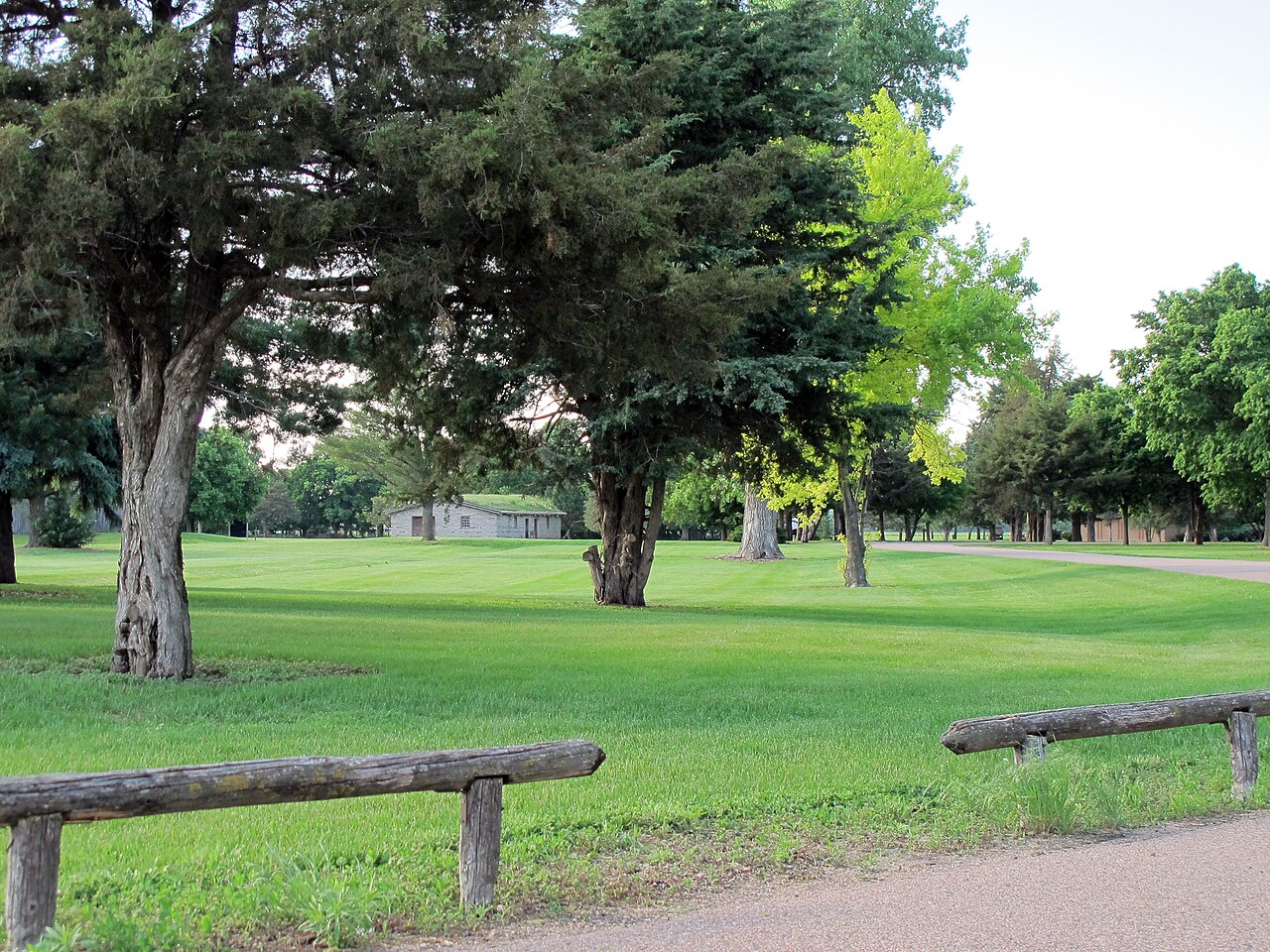
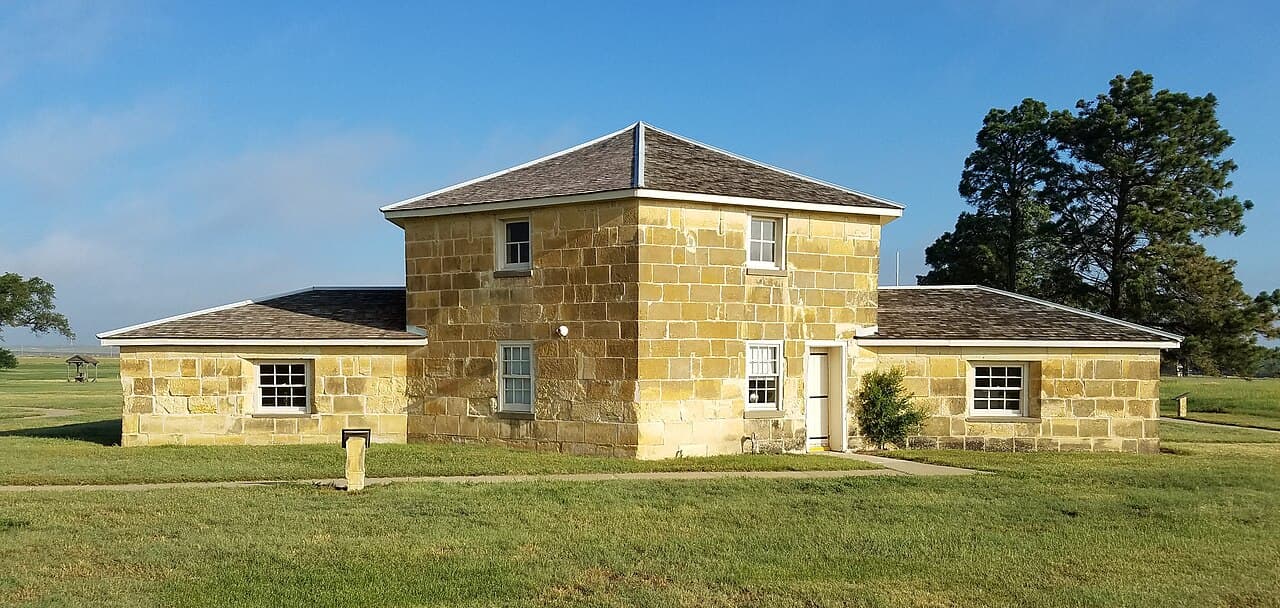
The site preserves several original buildings and features interpretive exhibits that educate visitors about the fort's role in American history. It serves as a cultural and educational resource, illustrating the military and frontier history of the region.
Visitor information and cultural impact
Today, Fort Hays State Historic Site offers visitors a glimpse into 19th-century military life on the American frontier. The preserved structures and reconstructed elements provide insight into the daily routines of soldiers stationed at the fort. The site hosts reenactments, educational programs, and special events that highlight its historical significance.
Fort Hays remains an important landmark in Kansas, symbolizing the complex history of westward expansion, military strategy, and Native American relations during a transformative period in United States history.
Frequently asked questions (FAQ)
- When was Fort Hays built and what was its original name?
- Fort Hays was built in 1865 and was originally named Fort Fletcher before being renamed in honor of Brigadier General Alexander Hays.
- What type of fortress is Fort Hays and what are its key defensive features?
- Fort Hays is a bastioned fortress featuring projecting bastions at its corners, wooden palisades, and earthworks designed to provide comprehensive defensive coverage.
- Is Fort Hays open to the public and what can visitors expect?
- Yes, Fort Hays is open to the public as a state historic site managed by the Kansas Historical Society, offering preserved buildings, educational exhibits, and reenactments.
- Why was Fort Hays important during the American Indian Wars?
- Fort Hays served as a strategic military post protecting settlers and the Union Pacific Railroad, playing a key role in military operations during the American Indian Wars.
- What happened to Fort Hays after it was decommissioned?
- After decommissioning in 1889, Fort Hays was reopened in 1929 as a historical park and is now preserved as a state historic site.
Photo gallery

Information
Current owner
Kansas Historical Society
Loading map...
Visitor reviews
No reviews yet. Been here? Write the first review and help other travelers!
Write the first reviewVisited this castle? Share your experience
Your review helps other travelers and adds first-hand knowledge to our encyclopedia.