Fort Fisher
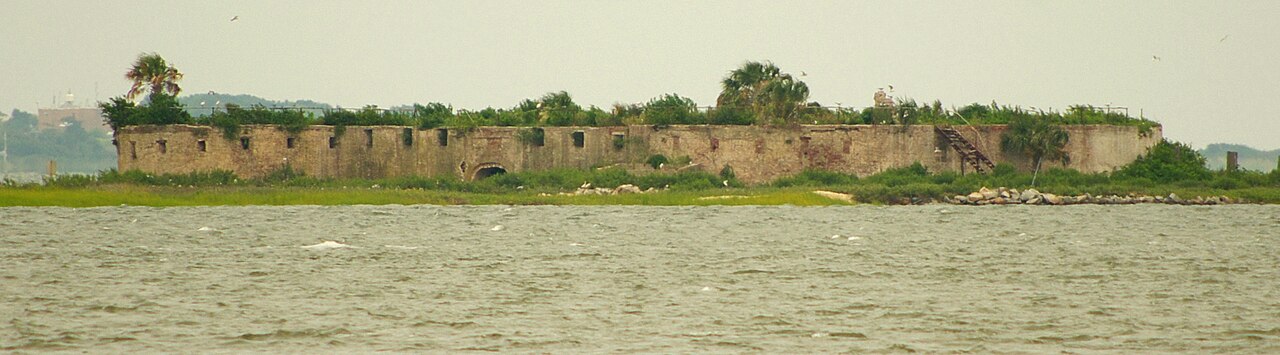
Fort Fisher was a critical Confederate bastioned fortress constructed in the 19th century to defend the vital trading routes of Wilmington, North Carolina, during the American Civil War. Situated on what was then known as Federal Point or Confederate Point, now called Pleasure Island, the fort commanded one of the two outlets of the Cape Fear River leading to the Atlantic Ocean. Its strategic location allowed it to protect the last major seaport open to the Confederacy, making it a linchpin in the Southern war effort.
Strategic importance and role during the civil war
Fort Fisher's primary mission was to safeguard Wilmington's port, which was essential for the import of supplies and export of goods, including cotton. From 1861 until its fall in 1865, the fort played a pivotal role in maintaining the Confederacy's lifeline through blockade running. The fort's formidable defenses earned it the nickname "Southern Gibraltar" and the "Malakoff Tower of the South", highlighting its reputation for impregnability and strength.
The fort was the site of two major battles in late 1864 and early 1865, where Union forces launched extensive assaults to capture it and close the port of Wilmington. The Second Battle of Fort Fisher in January 1865 was particularly decisive, involving a combined amphibious and land attack by Union troops and naval forces. Its capture marked a significant turning point, effectively sealing the Confederacy's access to overseas supplies.
Architectural design and fortifications
Fort Fisher was designed as a bastioned fortress, a style characterized by angular, projecting bastions that provided overlapping fields of fire to cover the walls and approaches. The fort's defenses included extensive earthen walls reinforced with timber, designed to absorb and deflect artillery fire more effectively than traditional masonry. This construction method was innovative for the period and well-suited to the coastal environment and the artillery technology of the Civil War.
The fort's layout was roughly trapezoidal, with large bastions at the corners and a network of trenches, bombproof shelters, and artillery emplacements. It featured heavy coastal artillery batteries facing the sea and smaller guns positioned to defend against infantry assault. The earthen walls were up to 30 feet thick in places, providing substantial protection against bombardment.
Historical significance and legacy
The fall of Fort Fisher was a critical blow to the Confederate war effort, hastening the collapse of the Confederacy by cutting off its last major Atlantic port. The fort's defense and eventual capture have been studied extensively for their military and engineering aspects. Its reputation as the "Southern Gibraltar" underscores its importance as one of the most formidable fortifications of the Civil War era.
Today, Fort Fisher is preserved as a historic site managed by the state of North Carolina. Visitors can explore the remains of the earthen walls, artillery positions, and interpretive exhibits that detail the fort's construction, battles, and role in the Civil War. The site serves as a poignant reminder of the conflict's impact on the region and the strategic military innovations of the period.
Visiting fort fisher
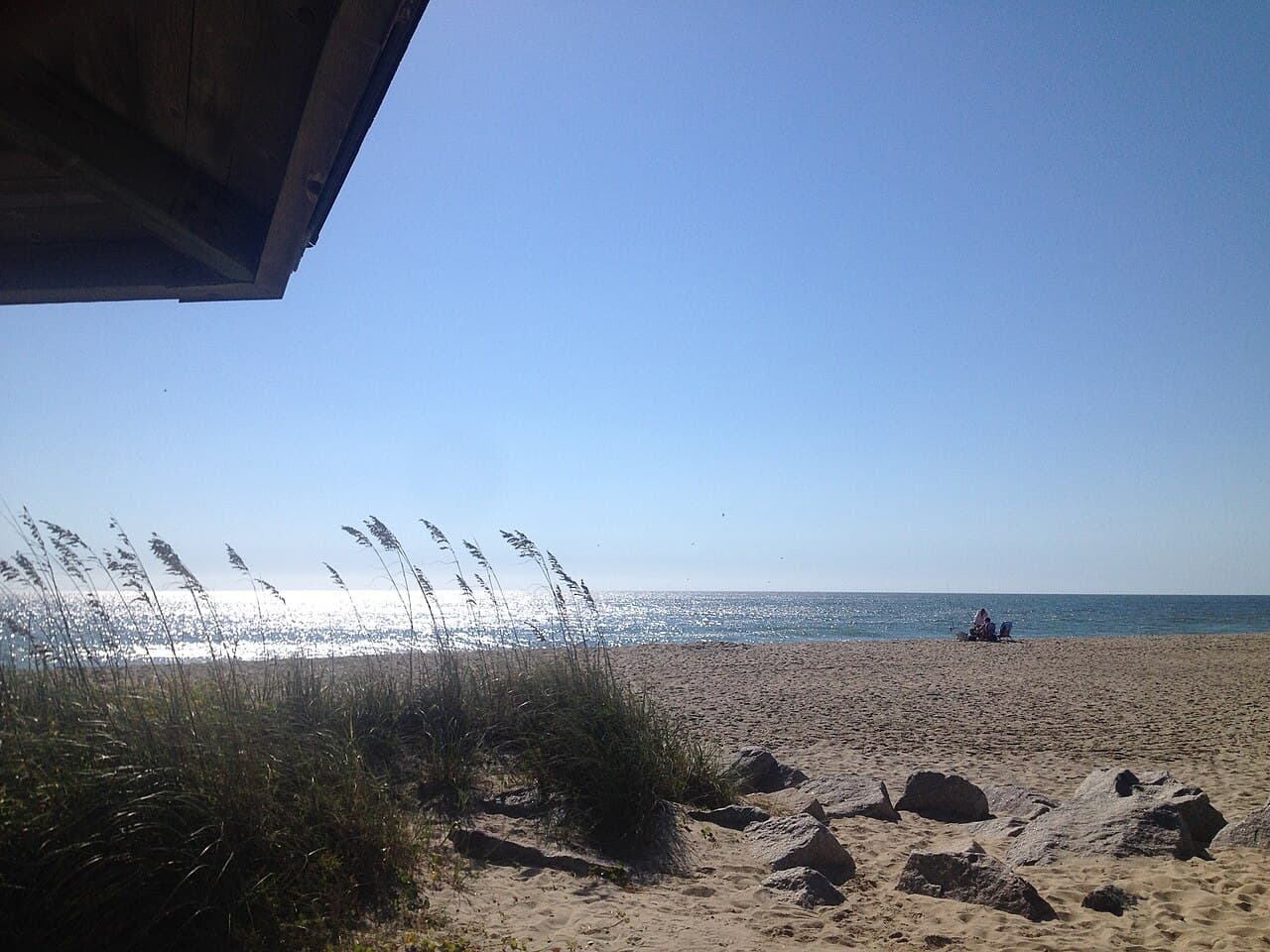
Fort Fisher is open to the public and offers a range of educational programs and guided tours. The site includes a visitor center with exhibits, walking trails around the fortifications, and access to nearby beaches. The best time to visit is during the spring and fall when weather conditions are mild, and the crowds are smaller. Accessibility features are in place to accommodate visitors with mobility challenges.
Admission to Fort Fisher is typically free, though donations are encouraged to support preservation efforts. The site is open daily from morning until late afternoon, providing ample opportunity for visitors to immerse themselves in the rich history and coastal scenery.
Frequently asked questions (FAQ)
- How do I get to Fort Fisher?
- Fort Fisher is located near Wilmington, North Carolina, accessible by car via US Highway 421 and local roads. There is parking available on-site for visitors.
- What is the historical significance of Fort Fisher?
- Fort Fisher was the Confederacy's last major coastal stronghold protecting Wilmington's port, crucial for blockade running during the Civil War. Its capture in 1865 marked a turning point in the war.
- Can I tour the fort's remains?
- Yes, visitors can explore the partially preserved earthen walls, artillery positions, and bombproof shelters. Guided tours and self-guided walking trails are available.
- When is the best time to visit Fort Fisher?
- Spring and fall offer mild weather and fewer crowds, making these seasons ideal for visiting the historic site and enjoying the coastal environment.
- Is there an admission fee to enter Fort Fisher?
- Admission is free, but donations are encouraged to help maintain and preserve the site.
Photo gallery

Information
Opening hours
Daily 9:00-17:00
Ticket prices
Free, donations encouraged
Current owner
State museum
Loading map...
Visitor reviews
No reviews yet. Been here? Write the first review and help other travelers!
Write the first reviewVisited this castle? Share your experience
Your review helps other travelers and adds first-hand knowledge to our encyclopedia.