Fort Du Guesclin
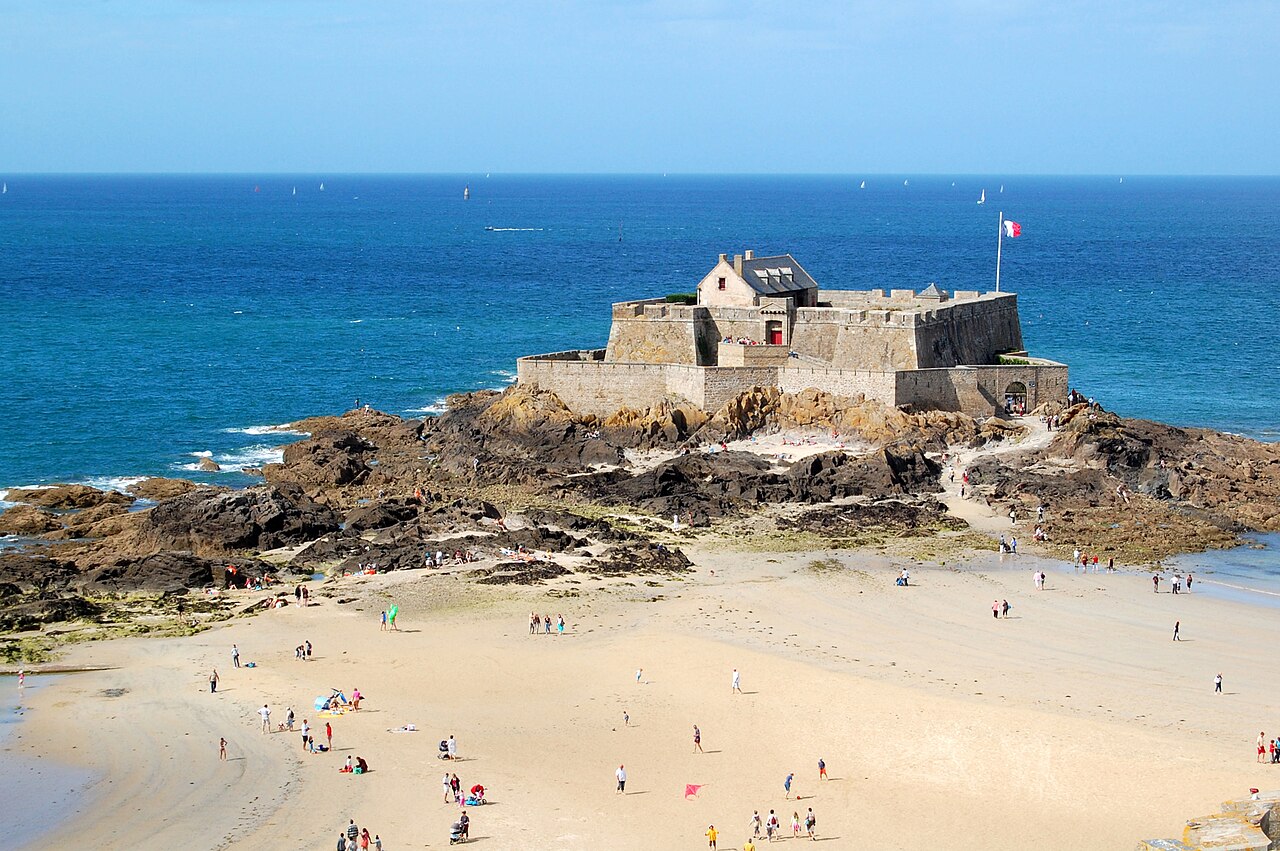
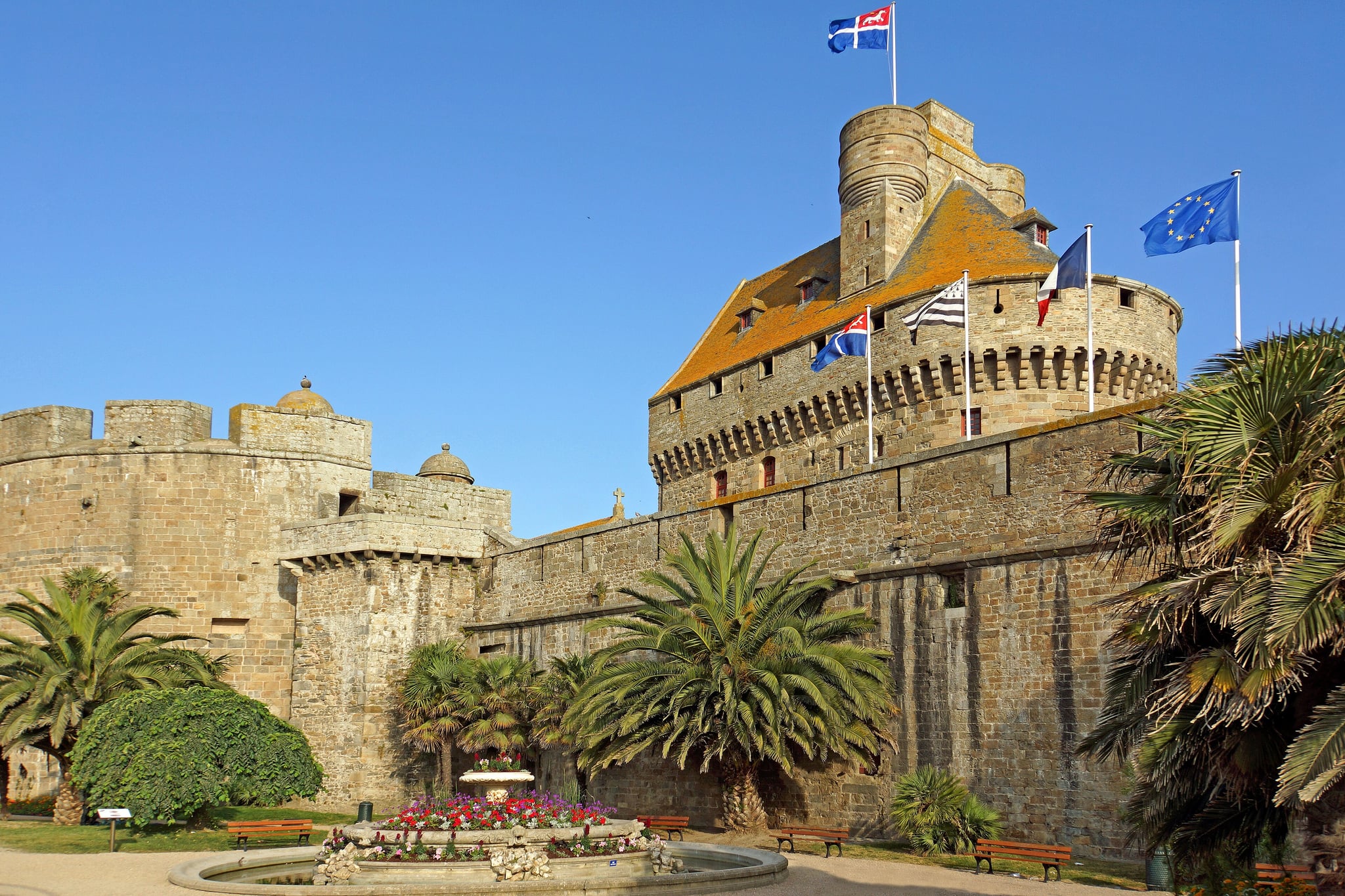
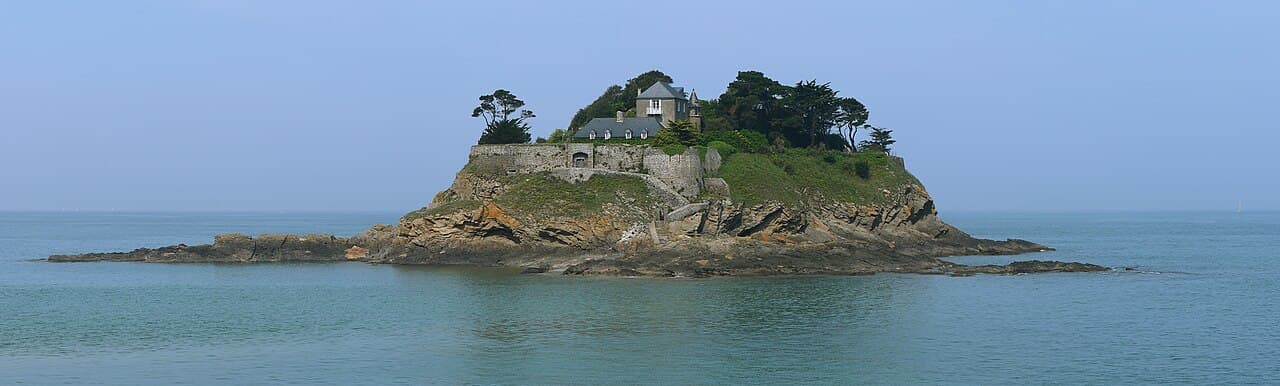
Fort du Guesclin is a historically significant bastioned fortress located in France, with origins tracing back to the 11th century. As a military stronghold, it exemplifies the transitional architectural developments of the High Medieval period, combining early medieval fortification techniques with later adaptations to withstand evolving siege warfare.
Historical context and significance
The fortress derives its name from the renowned Breton military commander Bertrand du Guesclin, a key figure in the Hundred Years' War who served as Constable of France in the 14th century. Although the original construction dates to the 11th century, the fortress gained prominence during the medieval conflicts between France and England, serving as a strategic defensive site in the region.
Throughout its history, Fort du Guesclin was involved in various military actions and underwent modifications to adapt to changing military technologies, including the introduction of gunpowder artillery in the late medieval period. Its bastioned design reflects these adaptations, featuring angled bastions that allowed defenders to cover adjacent walls with crossfire.
Architectural features and layout
Bastioned fortifications
The fortress is characterized by its bastioned walls, a hallmark of fortifications designed to resist cannon fire and improve defensive coverage. These bastions project outward from the main curtain walls, providing overlapping fields of fire and eliminating blind spots. This design marked a significant evolution from earlier medieval castles, which typically had high curtain walls and round towers vulnerable to artillery.
Walls and gates
The curtain walls of Fort du Guesclin are robustly constructed, combining thick stone masonry with earthworks to absorb and deflect artillery impact. The main gate was fortified with a gatehouse and possibly a barbican, creating multiple defensive layers to slow attacking forces.
Interior structures
Within the fortress, there would have been essential military and domestic buildings, including a keep or donjon, barracks for soldiers, storage magazines for weapons and provisions, and possibly a chapel. The layout prioritized functionality, with courtyards allowing for troop movements and mustering.
Strategic location and role
Situated in a region of strategic importance, Fort du Guesclin controlled key routes and served as a defensive bulwark against invasions. Its elevated position, typical of bastioned fortresses, maximized visibility and defensive advantage over surrounding terrain.
Preservation and current condition
Today, Fort du Guesclin is recognized as a historical monument, though its physical condition varies. Some sections of the fortress remain partially preserved, providing valuable insights into medieval military architecture. Restoration efforts aim to maintain the structural integrity of the bastions and walls while preserving the site's historical authenticity.
Visiting Fort du Guesclin
Visitors to Fort du Guesclin can explore the remnants of its bastioned walls and imagine the fortress's role in medieval warfare. The site offers a tangible connection to France's military past and the evolution of fortification design from the High Medieval era onward.
Frequently asked questions (FAQ)
- How do I get to Fort Du Guesclin?
- Fort Du Guesclin is located in Brittany, France, and can be accessed by car or public transport. The nearest major city is Saint-Malo, from where you can take local buses or taxis to reach the castle. Parking facilities are available nearby for those driving.
- What are the opening hours of Fort Du Guesclin?
- Fort Du Guesclin is open to visitors from 10 AM to 6 PM during the summer months, while winter hours may vary. It is advisable to check the official website or contact local tourism offices for the most current information before your visit. Special events may also affect opening hours.
- Is there an admission fee to visit Fort Du Guesclin?
- Yes, there is a small admission fee to enter Fort Du Guesclin, which helps maintain the castle and its grounds. Ticket prices are reasonable, with discounts available for children, students, and seniors. Be sure to check for any special pricing during events or guided tours.
- When was Fort Du Guesclin built?
- Fort Du Guesclin was constructed in the 14th century, serving as a strategic military stronghold during various conflicts. Its historical significance is tied to its role in the defense against English forces during the Hundred Years' War. The castle's architecture reflects the military style of its era, making it a fascinating site for history enthusiasts.
- Can I take a guided tour of Fort Du Guesclin?
- Yes, guided tours are available at Fort Du Guesclin, providing visitors with in-depth information about its history and architecture. These tours are usually conducted by knowledgeable guides who share fascinating stories and insights. It’s recommended to book in advance, especially during peak tourist seasons.
- What is the best time to visit Fort Du Guesclin?
- The best time to visit Fort Du Guesclin is during the spring and summer months when the weather is mild and conducive for exploring the castle grounds. Additionally, many events and reenactments take place during this time, enhancing the visitor experience. Early mornings or late afternoons can also be less crowded.
- Why is Fort Du Guesclin historically significant?
- Fort Du Guesclin is historically significant due to its role in the defense of Brittany during the medieval period, particularly against English invasions. Named after the famed Breton knight Bertrand du Guesclin, the castle embodies the military architecture of its time and reflects the region's turbulent history. It serves as a reminder of the strategic importance of fortifications in medieval France.
- Is it possible to access Fort Du Guesclin with a disability?
- Fort Du Guesclin aims to be accessible to all visitors, with facilities in place for those with disabilities. However, some areas of the castle may have limited access due to its historic architecture. It's recommended to check with the site’s management for specific accessibility options before your visit.
- What nearby attractions can I visit while at Fort Du Guesclin?
- While visiting Fort Du Guesclin, you can explore nearby attractions such as the beautiful beaches of Cancale and the historic town of Saint-Malo. The area is also rich in natural beauty, with scenic coastal walks and hiking trails. Don't miss the opportunity to enjoy local seafood restaurants and shops in the vicinity.
Photo gallery

Information
Loading map...
Visitor reviews
No reviews yet. Been here? Write the first review and help other travelers!
Write the first reviewVisited this castle? Share your experience
Your review helps other travelers and adds first-hand knowledge to our encyclopedia.