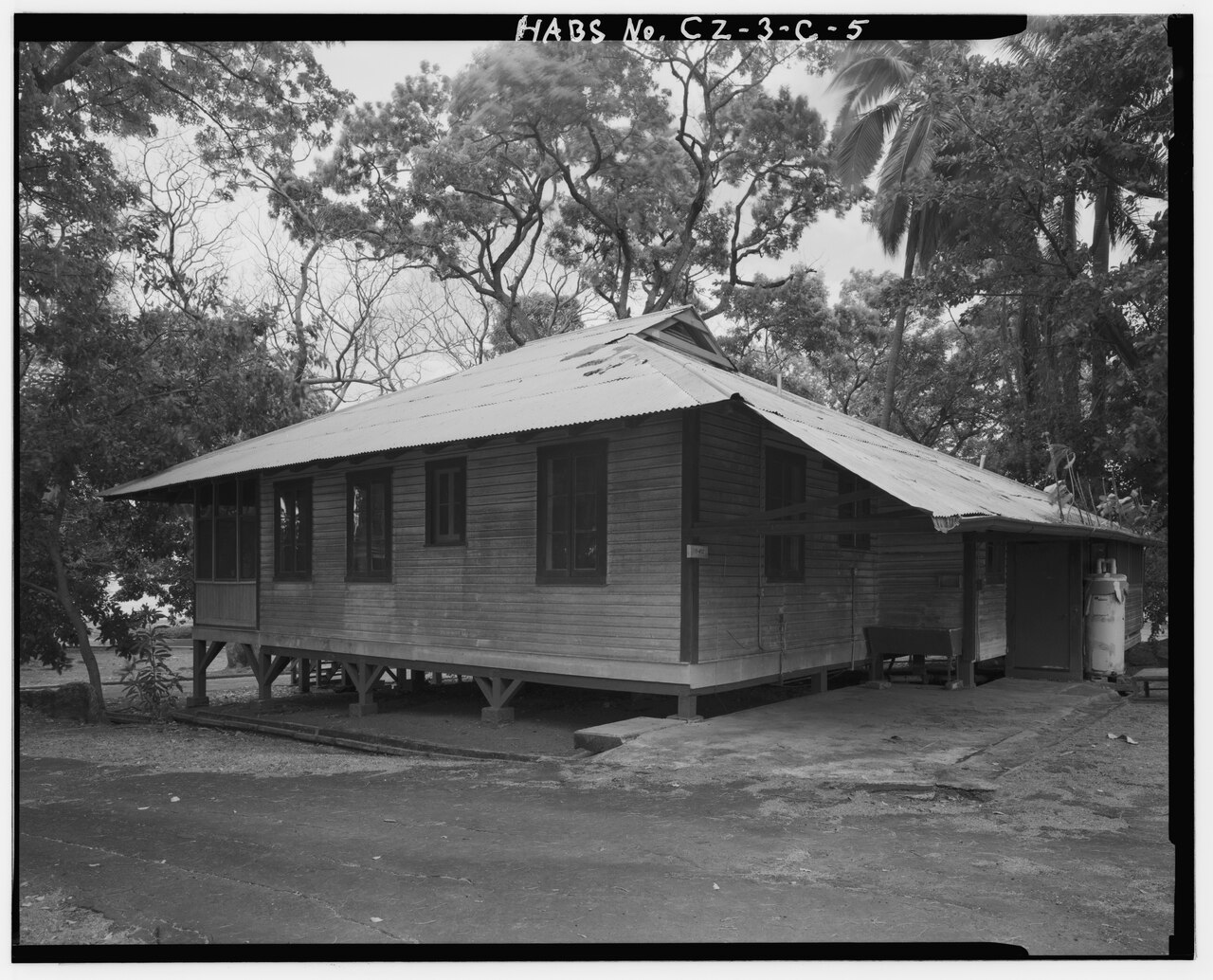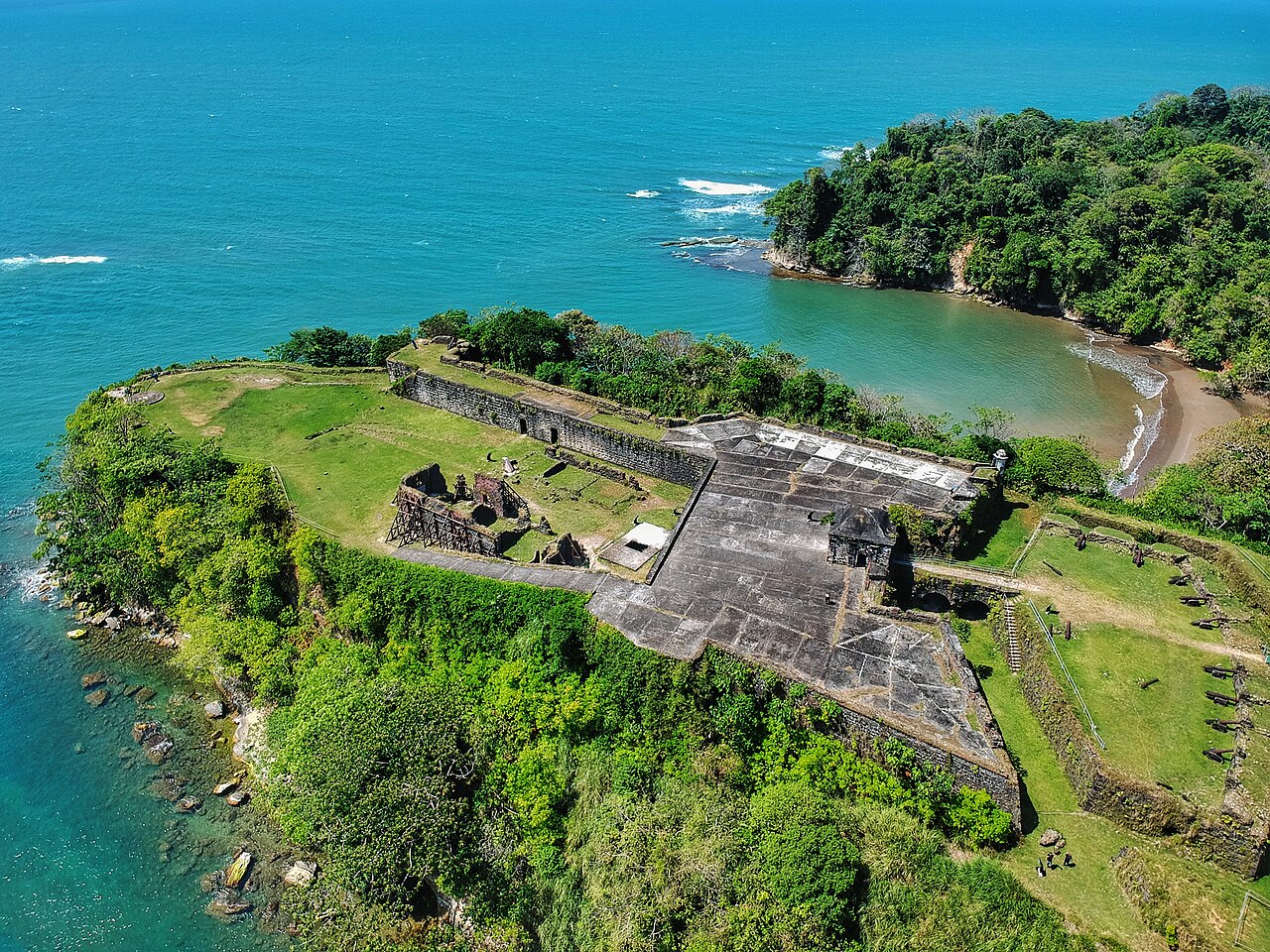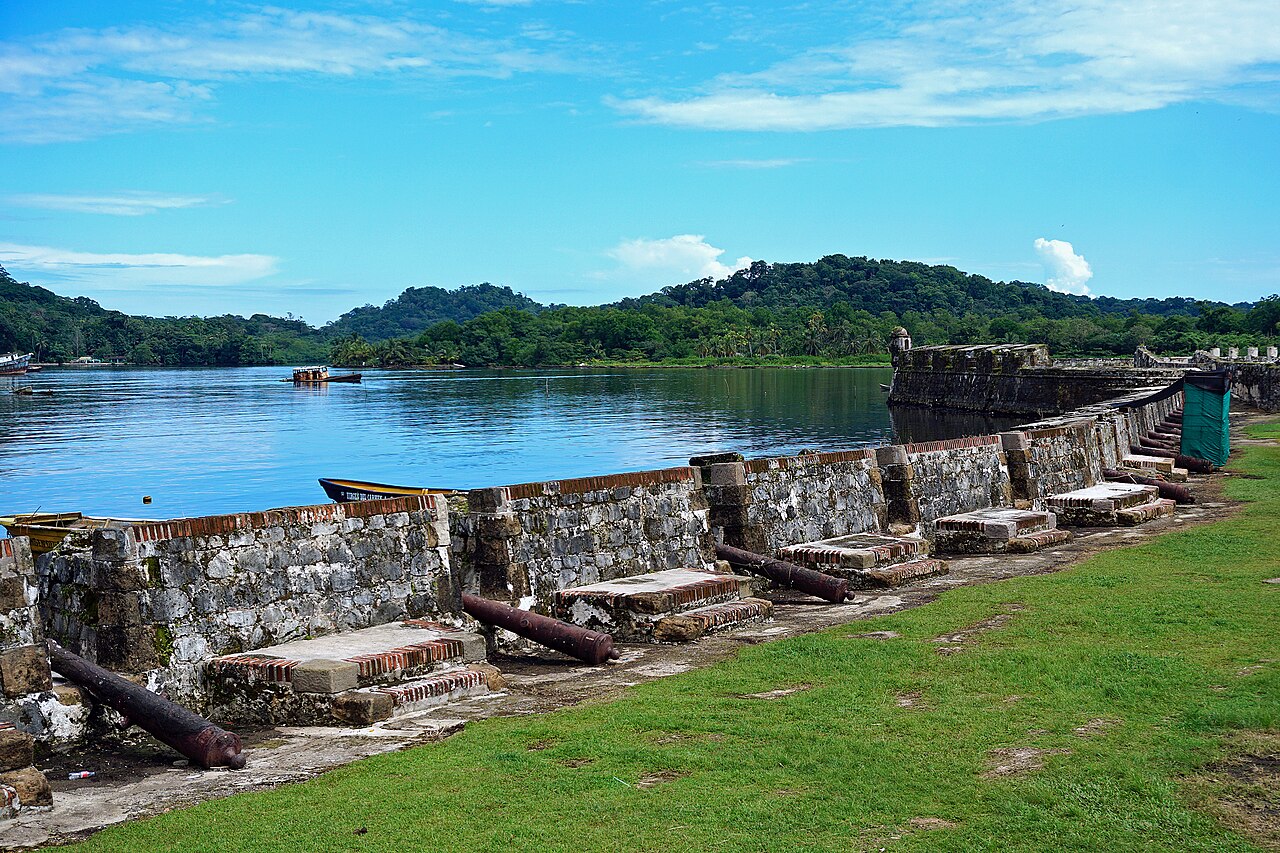
Fort Clayton served as a significant United States Army base located within the former Panama Canal Zone, an area of strategic military and geopolitical importance. Established during the early 20th century, the fort was part of a network of installations designed to protect the vital Panama Canal, a crucial maritime passage connecting the Atlantic and Pacific Oceans. Its role was primarily defensive, guarding the canal against potential threats during periods of global conflict and political tension.
Historical background and strategic significance
The establishment of Fort Clayton came in the context of American control over the Panama Canal Zone following the canal's completion in 1914. The United States recognized the canal's immense economic and military value, necessitating robust defense measures. Fort Clayton was among several forts, including Fort Amador and Fort Sherman, constructed to secure the canal's approaches and maintain American influence in the region.
Throughout its operational history, Fort Clayton functioned as a bastioned fortress, a style characterized by angular, projecting bastions designed to provide overlapping fields of fire and enhanced defensive capabilities against artillery and infantry assaults. This architectural approach was common for military installations in the early to mid-20th century, reflecting contemporary advances in fortress design.
Architectural features and military infrastructure
The design of Fort Clayton incorporated typical elements of a bastioned fortress, including thick reinforced concrete walls, multiple bastions arranged to cover all defensive sectors, and a layout optimized for both defense and internal military operations. The fort included barracks, administrative buildings, armories, and training facilities to support the stationed troops.
Defensive structures at Fort Clayton were complemented by modern military technology of the time, such as artillery emplacements, anti-aircraft batteries, and communication centers. The fort's location within the Panama Canal Zone allowed it to oversee key transit routes and coordinate with other military installations to form a comprehensive defense network.
Role during the 20th century and transition to Panamanian control
Fort Clayton played a vital role during World War II and the Cold War, periods when the canal's security was paramount to the United States and its allies. The base hosted various military units and served as a training ground and operational center. After the 1977 Torrijos-Carter Treaties, which outlined the eventual transfer of the Panama Canal and surrounding areas to Panama, Fort Clayton's control gradually shifted.
By the end of the 20th century, the base was officially handed over to the Republic of Panama. Since then, the site has seen changes in use and preservation status, reflecting Panama's sovereignty and evolving defense needs. The fort's structures remain as historical military architecture, representing the era of American military presence in the region.
Current condition and cultural significance
Today, Fort Clayton is no longer an active military base but stands as a reminder of the strategic importance of the Panama Canal and the military history associated with it. The fort's bastioned design and remaining structures offer insight into mid-20th century military architecture and defense strategies.
While some buildings may be in various states of preservation or repurposing, Fort Clayton contributes to Panama's cultural heritage, symbolizing a period of international military collaboration and conflict. It attracts interest from historians, military enthusiasts, and visitors seeking to understand the region's complex past.
Visiting and exploring fort clayton
Access to Fort Clayton may be limited due to its current ownership and use, but guided tours or special events occasionally allow public engagement with the site. Visitors interested in military history or the Panama Canal's defense system should check local resources for opportunities to explore the fort.
Nearby attractions include the Panama Canal itself, the Miraflores Locks visitor center, and other former military installations that together provide a comprehensive picture of the canal's defense network.
Frequently asked questions (FAQ)
- How do I get to Fort Clayton?
- You can reach Fort Clayton by taking a taxi or using a ride-sharing service from Panama City. The castle is approximately a 30-minute drive from the city center, making it easily accessible for visitors.
- What is the historical significance of Fort Clayton?
- Fort Clayton played a crucial role in the defense strategy of the Panama Canal during its operation by the United States. The fort was established in the 1930s and served as a military base until it was handed over to Panama in 1999.
- When was Fort Clayton built?
- Fort Clayton was constructed in the late 1930s and was officially opened in 1941. Its strategic location and robust design were intended to protect the Panama Canal from potential threats.
- Can I take guided tours of Fort Clayton?
- Yes, guided tours of Fort Clayton are available for visitors interested in learning more about its history and architecture. It's recommended to book in advance to ensure your spot, especially during peak tourist seasons.
- Why is Fort Clayton an interesting architectural site?
- Fort Clayton features a blend of military architecture and tropical design, which reflects its historical context and geographic location. The fort's design includes reinforced concrete structures and strategic layouts that demonstrate the military engineering of its time.
- Is it possible to visit Fort Clayton year-round?
- Yes, Fort Clayton is open to visitors throughout the year, but it's best to check specific opening hours and any seasonal closures before planning your visit. This ensures that you can make the most of your experience.
- What are the opening hours for Fort Clayton?
- Fort Clayton typically opens to visitors from 9 AM to 5 PM, but it's advisable to verify these hours as they may vary on holidays or special events. Arriving early in the day can help you avoid crowds and enjoy a more personal experience.
- Are there any nearby attractions to visit along with Fort Clayton?
- Yes, nearby attractions include the Panama Canal, Amador Causeway, and the Biomuseo, all of which offer unique insights into Panama's culture and history. Combining your visit to Fort Clayton with these sites can make for a fulfilling day of exploration.
- What are the ticket prices for visiting Fort Clayton?
- Admission to Fort Clayton is generally free, but some guided tours may have a fee associated with them. It’s always a good idea to check official websites or local sources for the most current pricing information.
Photo gallery

Information
Loading map...
Visitor reviews
No reviews yet. Been here? Write the first review and help other travelers!
Write the first reviewVisited this castle? Share your experience
Your review helps other travelers and adds first-hand knowledge to our encyclopedia.