Chagres and Fort San Lorenzo
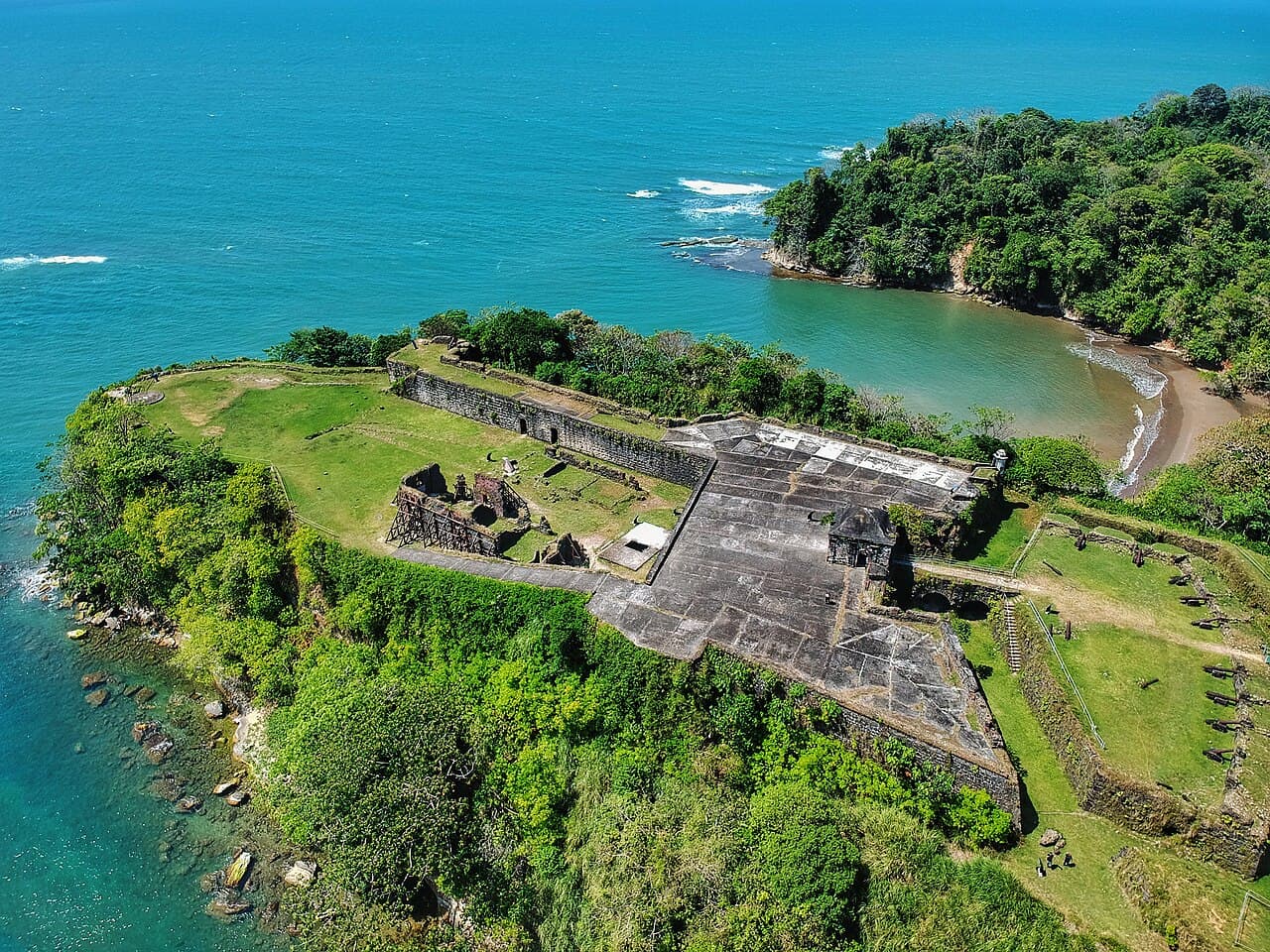
Chagres, located on the Atlantic coast of Panama, was historically the principal port on the isthmus during the 16th century. It served as a crucial gateway for Spanish ships navigating the Americas, particularly during the era of Spanish colonial expansion. The site is now an abandoned village, notable primarily for the ruins of Fort San Lorenzo (Spanish: Fuerte de San Lorenzo), which stands on a promontory overlooking the mouth of the Chagres River.
Historical significance of chagres and fort san lorenzo
During the Renaissance period, the fort was constructed by the Spanish Empire to defend the vital maritime route connecting the Atlantic Ocean to the Pacific via the isthmus of Panama. The strategic location of Fort San Lorenzo allowed it to control access to the river, which was a key transit point for goods and treasure transported overland to the Pacific coast before shipment to Spain.
The fort was part of a broader network of fortifications designed to protect Spanish interests from pirates and rival European powers. Its position near the river mouth enabled it to guard against naval attacks and secure the passage of valuable cargo, including gold and silver from South America.
Architectural features and fortifications
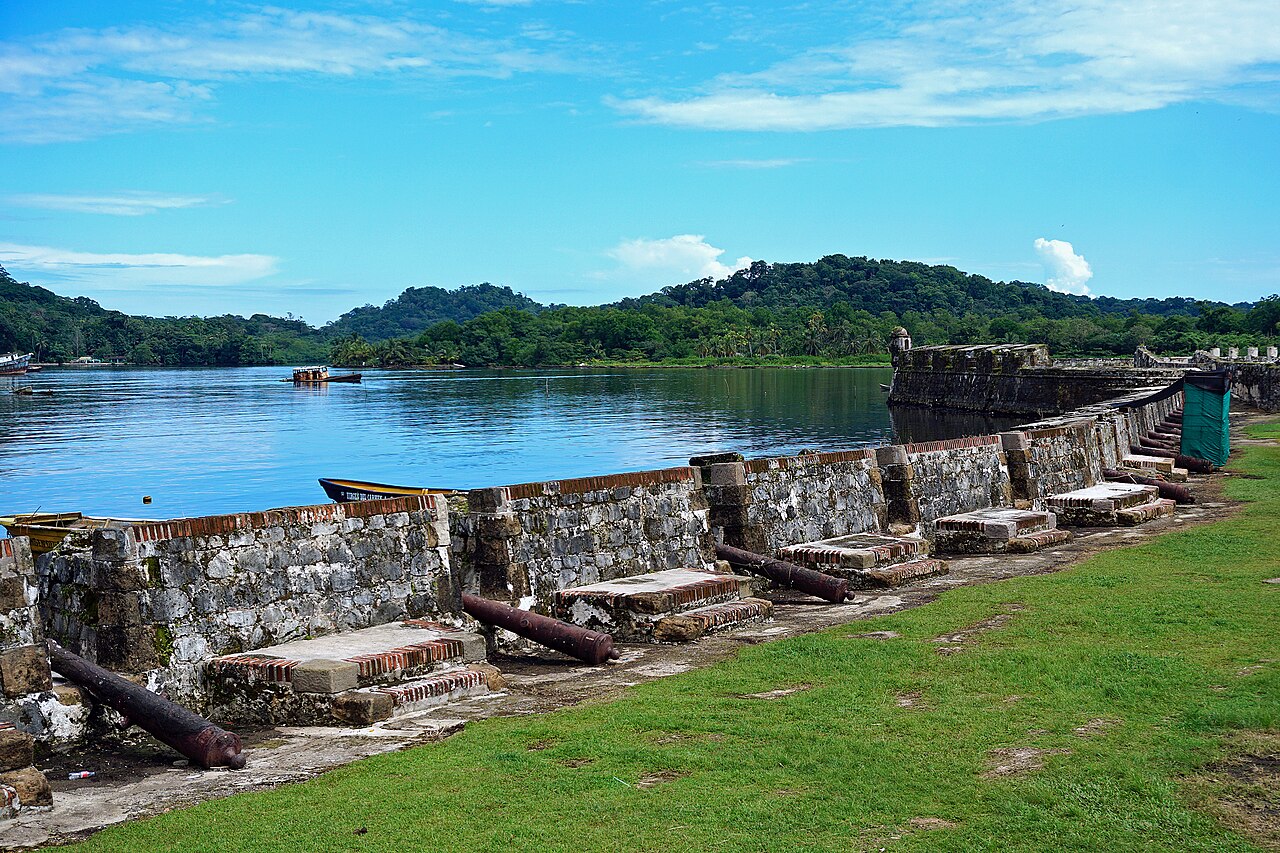
Fort San Lorenzo was built with typical Renaissance military architecture principles, emphasizing strong defensive walls, bastions, and a commanding view of the surrounding waters. The fort's design incorporated thick stone walls, angled bastions for improved cannon defense, and a layout adapted to the rocky promontory on which it stands.
The fort included several key structures such as battlements, gun platforms, and a main gatehouse that controlled access. Its elevated position provided a vantage point to monitor approaching ships and coordinate defense. The use of local stone and masonry techniques reflects the engineering capabilities of the period.
Defensive strategy and military role
The fort's primary function was to deter and repel attacks by pirates and foreign navies, particularly during the height of Spanish colonial power in the Americas. It played a role in several conflicts, including resisting English privateers in the 17th century. The fort's artillery placements were designed to cover the river entrance and adjacent coastline.
Decline and current condition
By the 18th century, the significance of Fort San Lorenzo diminished due to changes in maritime routes and the construction of other fortifications closer to emerging settlements like Colón. Over time, the fort fell into disrepair and was eventually abandoned.
Today, the site is classified as archaeological ruins, with remnants of the fort's walls and structures still visible. The ruins provide valuable insight into Renaissance military architecture in the New World and the strategic importance of Panama during the colonial era.
Visiting fort san lorenzo and chagres
The site is accessible to visitors interested in history and archaeology. Exploring the ruins offers a glimpse into the defensive measures employed by the Spanish and the challenges of protecting a key transit point. The surrounding natural environment, including the river and coastal landscapes, adds to the experience.
Visitors should prepare for a remote location and limited facilities. Guided tours may be available that provide historical context and highlight architectural features.
Cultural and heritage importance
Fort San Lorenzo and the former village of Chagres are important cultural landmarks that illustrate the colonial history of Panama and the broader Spanish Empire. The site is part of Panama's heritage and contributes to understanding the military, economic, and social dynamics of the period.
Preservation efforts focus on maintaining the ruins and promoting awareness of their historical value. The fort's remains are a testament to the strategic military planning of the Renaissance era and the role of Panama as a crossroads of global maritime trade.
Frequently asked questions (FAQ)
- How do I get to Fort San Lorenzo from Colón?
- Fort San Lorenzo is located about 13 km west of Colón and can be reached by boat or a combination of road and hiking through forested areas. Visitors often take guided tours departing from Colón to explore the site.
- What is the historical importance of Fort San Lorenzo?
- Fort San Lorenzo was a key defensive structure built in the 16th century to protect the Spanish Empire's maritime routes on the Atlantic coast of Panama, guarding the mouth of the Chagres River against pirates and rival powers.
- Can I explore the ruins of Fort San Lorenzo?
- Yes, visitors can explore the archaeological ruins of Fort San Lorenzo. The site features remnants of walls, bastions, and gun platforms, providing insight into Renaissance military architecture.
- When is the best time to visit Fort San Lorenzo?
- The best time to visit is during the dry season, from December to April, when weather conditions are more favorable for hiking and exploring the outdoor ruins.
- Are there guided tours available at Fort San Lorenzo?
- Guided tours are often available and recommended to gain a deeper understanding of the fort's history, architecture, and its role in colonial Panama.
Photo gallery

Information
Current owner
Panama government
Loading map...
Visitor reviews
No reviews yet. Been here? Write the first review and help other travelers!
Write the first reviewVisited this castle? Share your experience
Your review helps other travelers and adds first-hand knowledge to our encyclopedia.