Fort Christina
Fort Christina, also known as Fort Altena, holds the distinction of being the first Swedish settlement in North America and served as the principal stronghold of the New Sweden colony. Constructed in 1638 during the Renaissance period, the fort was named in honor of Queen Christina of Sweden. It was strategically situated near the confluence of the Brandywine River and the Christina River, approximately one mile east of what is now downtown Wilmington, Delaware. This location was about two miles upstream from the mouth of the Christina River on the Delaware River, providing access to vital waterways for trade and defense.
Historical context and founding of Fort Christina
The establishment of Fort Christina in 1638 marked the beginning of Swedish colonial ambitions in North America. The fort was the centerpiece of the New Sweden colony, which was Sweden's attempt to establish a foothold in the resource-rich Delaware Valley, competing with Dutch and English colonial interests. The fort was named after the reigning monarch, Queen Christina, reflecting its importance as a symbol of Swedish sovereignty overseas.
The fortification was built by Swedish settlers led by Peter Minuit, a former director of the Dutch colony of New Netherland who had switched allegiances to Sweden. The site was chosen for its strategic advantages, including its proximity to navigable rivers and fertile lands. The fort served both as a defensive bastion and a trading post for fur and other goods with local Native American tribes.
Architecture and design of Fort Christina
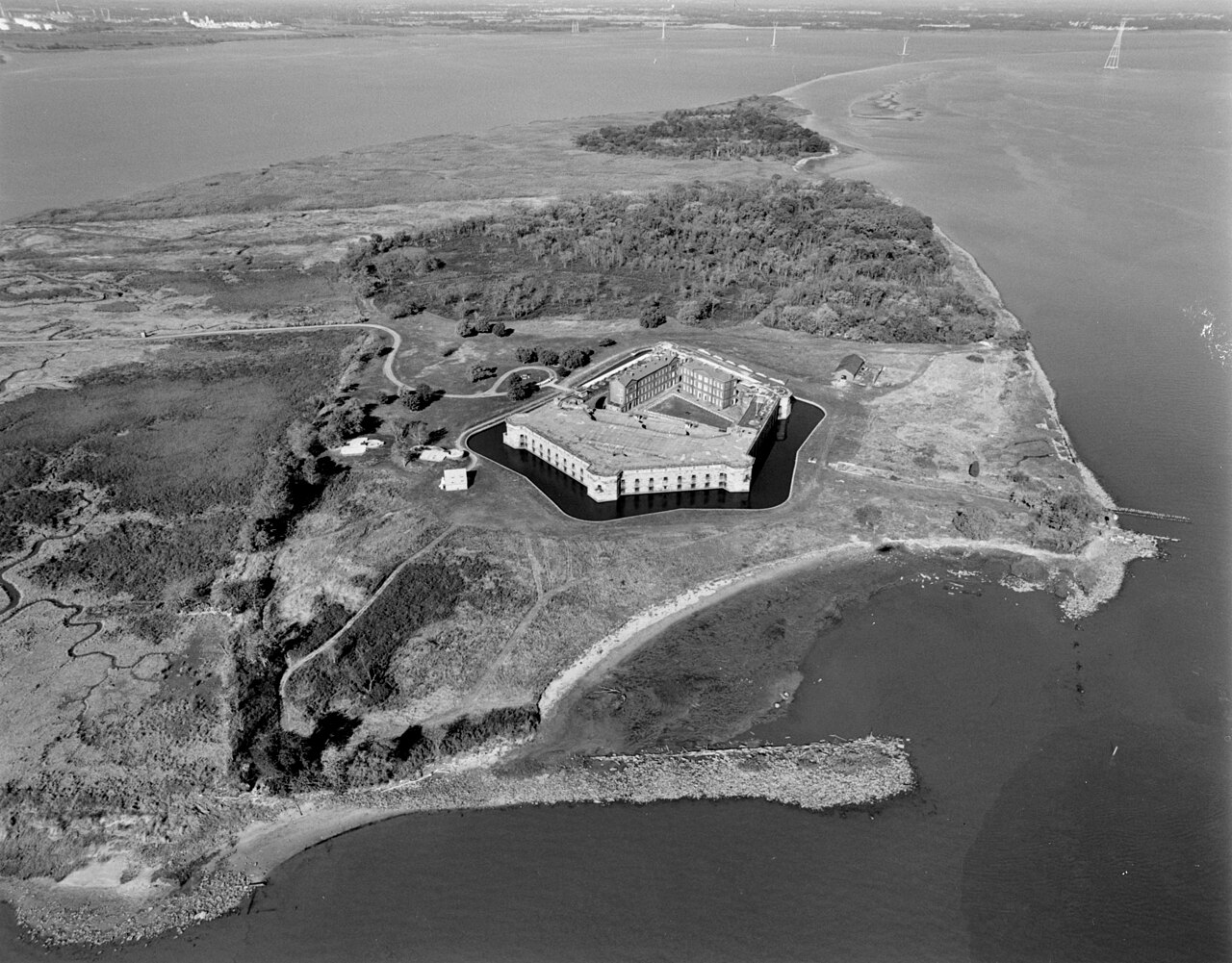
Fort Christina was constructed as a bastioned fortress, a style that was prevalent in the Renaissance era, designed to withstand artillery attacks. The fort's layout featured angular bastions at its corners, enabling defenders to cover all approaches with overlapping fields of fire. This design was advanced for its time and reflected European military engineering principles adapted to the New World context.
The fort's walls were primarily made from timber and earthworks, materials readily available in the region. The bastions projected outward from the main enclosure, allowing defenders to repel attackers attempting to scale or breach the walls. Inside the fort were living quarters, storage facilities, and a trading hall, which supported both military and civilian functions.
Strategic location and natural defenses
The position of Fort Christina at the confluence of two rivers provided natural defensive advantages. The waterways acted as moats, complicating enemy approaches and facilitating supply and communication lines. The fort's location also allowed control over river traffic, which was essential for trade and military movements in the region.
Role in colonial conflicts and legacy
Fort Christina played a crucial role during the early colonial period, serving as the administrative and military center of the New Sweden colony. However, the colony was short-lived; in 1655, Dutch forces under Peter Stuyvesant captured Fort Christina, effectively ending Swedish control in the area. The fort was subsequently renamed Fort Altena under Dutch rule.
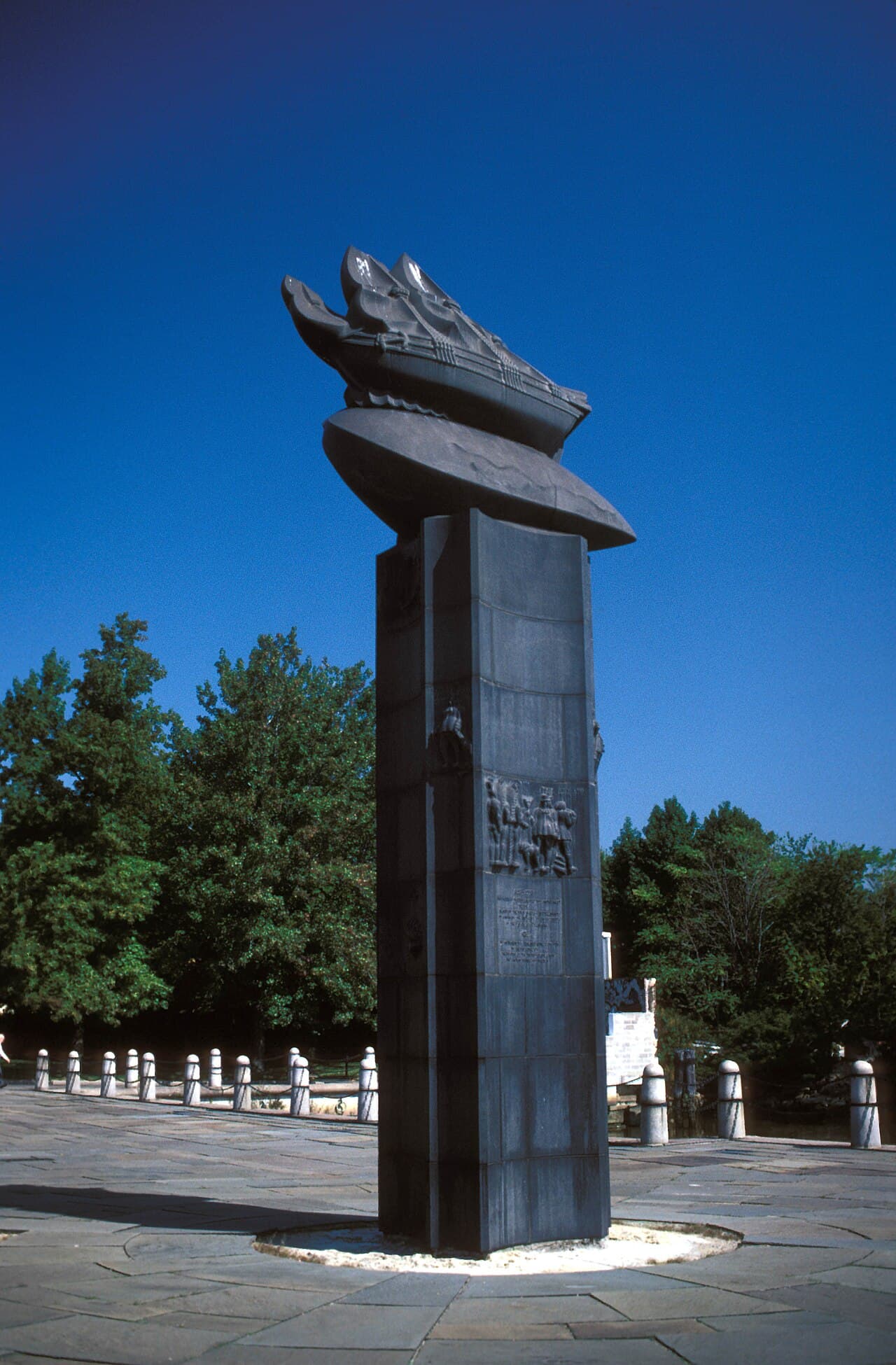
Despite its brief period of Swedish occupation, Fort Christina's establishment marked a significant chapter in the colonial history of the Delaware Valley. It introduced Swedish culture, trade practices, and settlement patterns to the region. The fort's legacy is commemorated today through historical markers and archaeological sites near Wilmington.
Archaeological significance and preservation
Today, Fort Christina no longer stands in its original form, but archaeological excavations have uncovered foundations and artifacts that provide insight into its construction and daily life. The site is recognized as a key cultural heritage landmark in Delaware, reflecting early European colonization efforts in North America.
Preservation efforts focus on maintaining the site's historical integrity and educating the public about its importance. Interpretive displays and markers help visitors understand the fort's role in the broader context of colonial competition and settlement.
Visiting Fort Christina
The Fort Christina site is accessible to the public and offers educational opportunities about early Swedish colonization. Visitors can explore the surrounding area, which includes parks and museums dedicated to the history of New Sweden and its impact on the region.
Conclusion
Fort Christina stands as a significant example of a Renaissance bastioned fortress adapted to the North American environment. Its foundation marked the start of Swedish colonial presence in the New World and influenced the cultural and historical development of the Delaware Valley. The fort's remains and legacy continue to attract interest from historians, archaeologists, and visitors interested in early American colonial history.
Frequently asked questions (FAQ)
- When was Fort Christina built and by whom?
- Fort Christina was built in 1638 by Swedish settlers led by Peter Minuit as the first Swedish settlement in North America.
- What architectural style characterizes Fort Christina?
- Fort Christina was constructed as a bastioned fortress reflecting Renaissance military engineering principles adapted for defense against artillery.
- Where is Fort Christina located?
- Fort Christina is located near the confluence of the Brandywine and Christina Rivers, about one mile east of downtown Wilmington, Delaware.
- Is Fort Christina open to the public for visits?
- Yes, the Fort Christina site is accessible to the public with educational displays and historical markers explaining its significance.
- What happened to Fort Christina after the Swedish colony ended?
- In 1655, Dutch forces captured Fort Christina, renaming it Fort Altena and ending Swedish control in the region.
Photo gallery

Information
Current owner
State museum
Loading map...
Visitor reviews
No reviews yet. Been here? Write the first review and help other travelers!
Write the first reviewVisited this castle? Share your experience
Your review helps other travelers and adds first-hand knowledge to our encyclopedia.