Fort Caroline
Fort Caroline represents a significant episode in the early colonial history of what is now the United States, serving as a French bastioned fortress and settlement during the Renaissance period. Established on 22 June 1564 under the leadership of René Goulaine de Laudonnière, the fort was part of France's effort to establish a foothold in the southeastern region of North America. This strategic location on the banks of the St. Johns River in present-day Duval County, Florida, was chosen to assert French claims against Spanish territorial ambitions in the New World.
Historical context and foundation
The foundation of Fort Caroline was closely tied to the religious and geopolitical tensions of 16th-century Europe. King Charles IX of France commissioned Jean Ribault and a group of Huguenot settlers to establish a colony in Florida, aiming to expand French influence and provide a haven for Protestant refugees. The fort's establishment was a direct challenge to Spanish dominance in the Americas, particularly following Spain's earlier claims and settlements along the Atlantic coast.
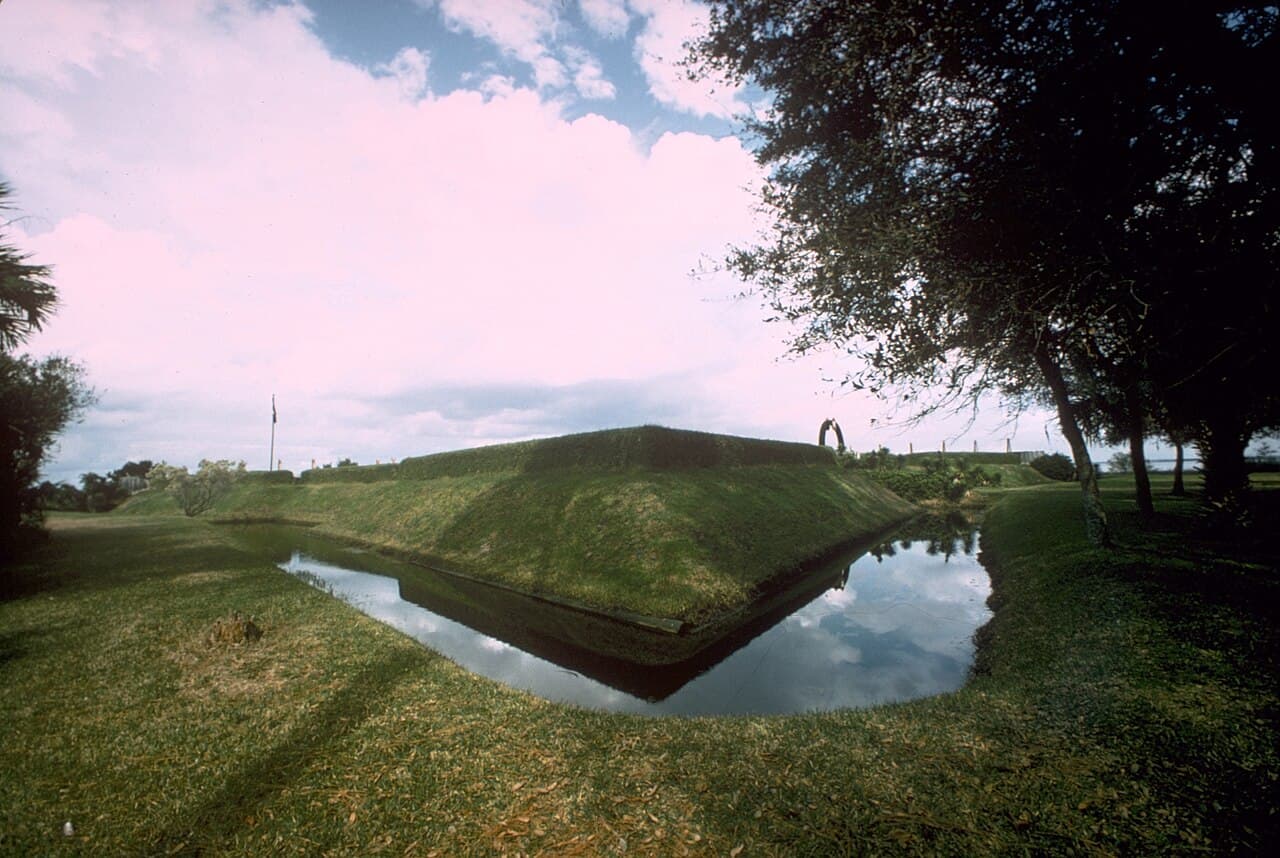
The choice of a bastioned fortress design reflected contemporary military architecture of the Renaissance, emphasizing angular bastions for improved defense against artillery and infantry assaults. Although detailed architectural plans of Fort Caroline are not extant, it likely featured typical elements such as earthen ramparts, wooden palisades, and corner bastions to maximize defensive coverage.
Conflict with spanish forces and the fall of fort caroline
Fort Caroline's existence was short-lived due to the escalating conflict with Spanish forces led by Pedro Menéndez de Avilés. In response to the French incursion, the Spanish founded St. Augustine on 8 September 1565, strategically located to control access to the region. Merely twelve days later, on 20 September 1565, Menéndez led a surprise attack on Fort Caroline, resulting in its capture and the near-annihilation of the French settlers.
Following the conquest, the Spanish renamed the site San Mateo and maintained a presence there until approximately 1569. The fall of Fort Caroline marked a decisive moment in the struggle for control over Florida, effectively ending French colonial ambitions in the area for the time being.
Location, legacy, and memorialization
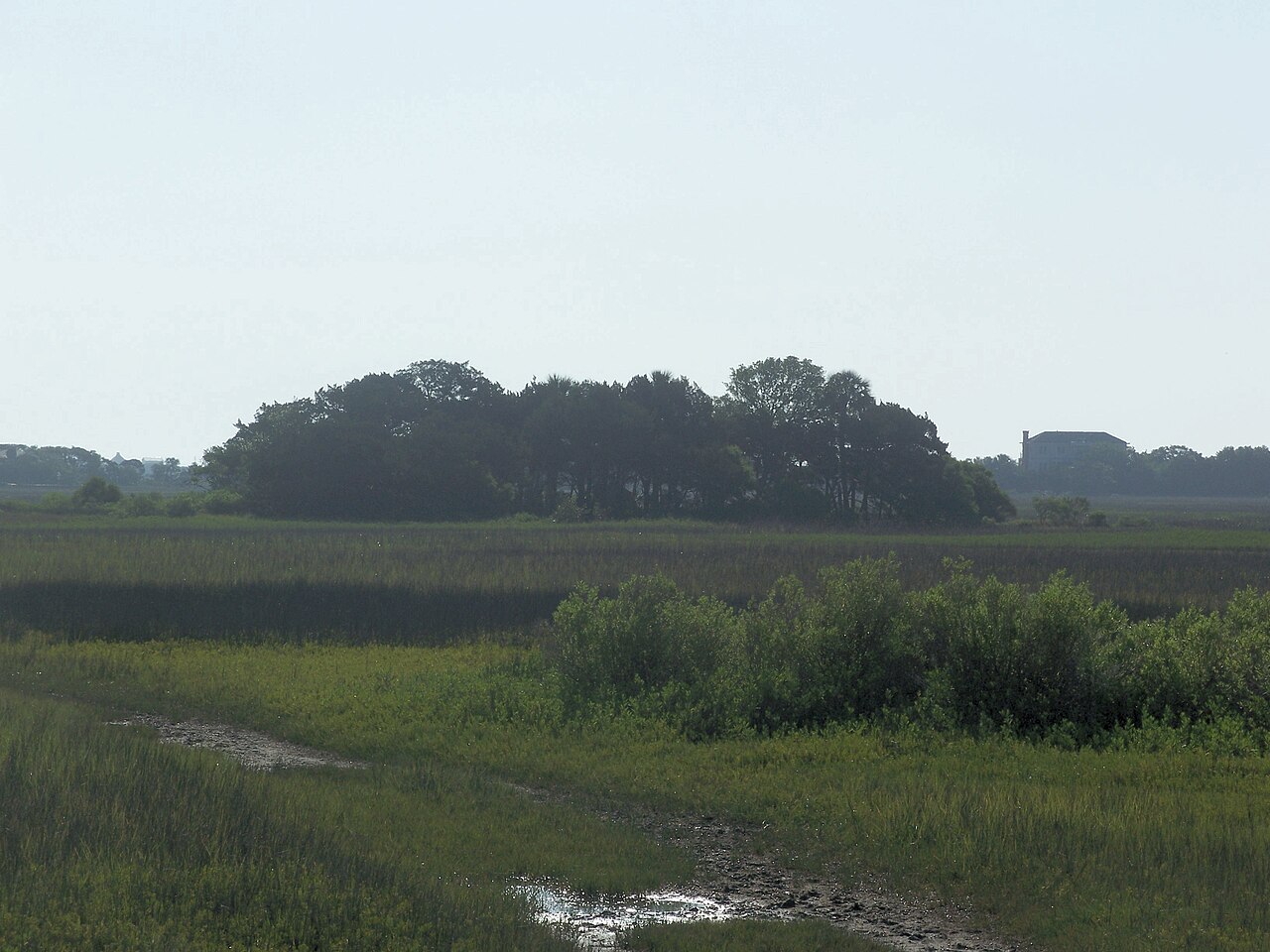
The precise location of Fort Caroline remains a subject of scholarly debate, as no definitive archaeological evidence has pinpointed the original site. However, the Fort Caroline National Memorial, established in 1953 by the National Park Service, commemorates the fort's historical significance. Situated on the southern bank of the St. Johns River near the presumed landing site of Laudonnière and his settlers, the memorial serves as a cultural and educational resource.
The memorial is part of the larger Timucuan Ecological and Historic Preserve, which protects the natural and historical heritage of the region. Although the memorial does not mark the exact location of the fort, it provides interpretive exhibits and programs that highlight the fort's role in early colonial history and the clashes between European powers in North America.
Architectural and military significance
While Fort Caroline itself no longer stands, its design as a bastioned fortress is notable for its early adoption of Renaissance military architectural principles in the Americas. The bastion system, characterized by angular projections from the main walls, was developed to counter the increasing use of gunpowder artillery. This design allowed defenders to cover adjacent walls with overlapping fields of fire, reducing blind spots and enhancing the fort's defensive capabilities.
The fort's construction likely involved a combination of earthworks and timber structures, materials readily available in the region. Its strategic placement along the St. Johns River enabled control over river traffic and access to inland territories, underscoring its military and colonial importance.
Cultural impact and historical interpretation
Fort Caroline's brief existence and dramatic fall have made it a symbol of the intense rivalry between European colonial powers in the New World. The conflict between the French Huguenots and Spanish Catholics reflects broader religious and political struggles of the era. The site also highlights the challenges of early colonial ventures, including hostile relations with indigenous peoples, logistical difficulties, and military threats.
Today, Fort Caroline is recognized not only for its military architecture but also for its role in shaping the early history of Florida and the United States. The memorial and ongoing archaeological research contribute to understanding the complex interactions between European settlers and the native environment.
Frequently asked questions (FAQ)
- What is the historical significance of Fort Caroline?
- Fort Caroline, established in 1564, was one of the first French attempts to colonize the New World. It represents a significant moment in early American history and the struggle for control of the region between European powers, particularly France and Spain.
- When was Fort Caroline built?
- Fort Caroline was constructed in 1564 by the French Huguenots under the leadership of Jean Ribault. It served as a temporary settlement until it was abandoned and later destroyed in 1565 by Spanish forces.
- Can I visit Fort Caroline today?
- Yes, Fort Caroline is open to visitors as part of the Timucuan Ecological and Historic Preserve. You can explore the site, which includes a reconstructed fort and interpretive exhibits about its history.
- What are the opening hours for Fort Caroline?
- Fort Caroline is typically open from 9:00 AM to 5:00 PM, but hours may vary on holidays. It's recommended to check the official National Park Service website for the most current information before your visit.
- Is Fort Caroline accessible for visitors with disabilities?
- Yes, Fort Caroline is committed to providing accessible experiences for all visitors. The park offers accessible parking and pathways, ensuring that everyone can enjoy the historical site and its natural surroundings.
- What is the best time to visit Fort Caroline?
- The best time to visit Fort Caroline is during the spring and fall months when the weather is mild and pleasant. This allows for comfortable exploration of the site and surrounding areas.
- Are there any nearby attractions to visit along with Fort Caroline?
- Yes, nearby attractions include the Timucuan Ecological Preserve, the Kingsley Plantation, and the historic city of St. Augustine. These sites provide additional context to the history of the region and enhance your visit to Fort Caroline.
- How much does it cost to visit Fort Caroline?
- Admission to Fort Caroline is free, making it an accessible option for visitors. However, parking fees may apply, so be sure to check for any associated costs before your trip.
Photo gallery

Photo by NPS Photo•Public domain
Information
Loading map...
Visitor reviews
No reviews yet. Been here? Write the first review and help other travelers!
Write the first reviewVisited this castle? Share your experience
Your review helps other travelers and adds first-hand knowledge to our encyclopedia.