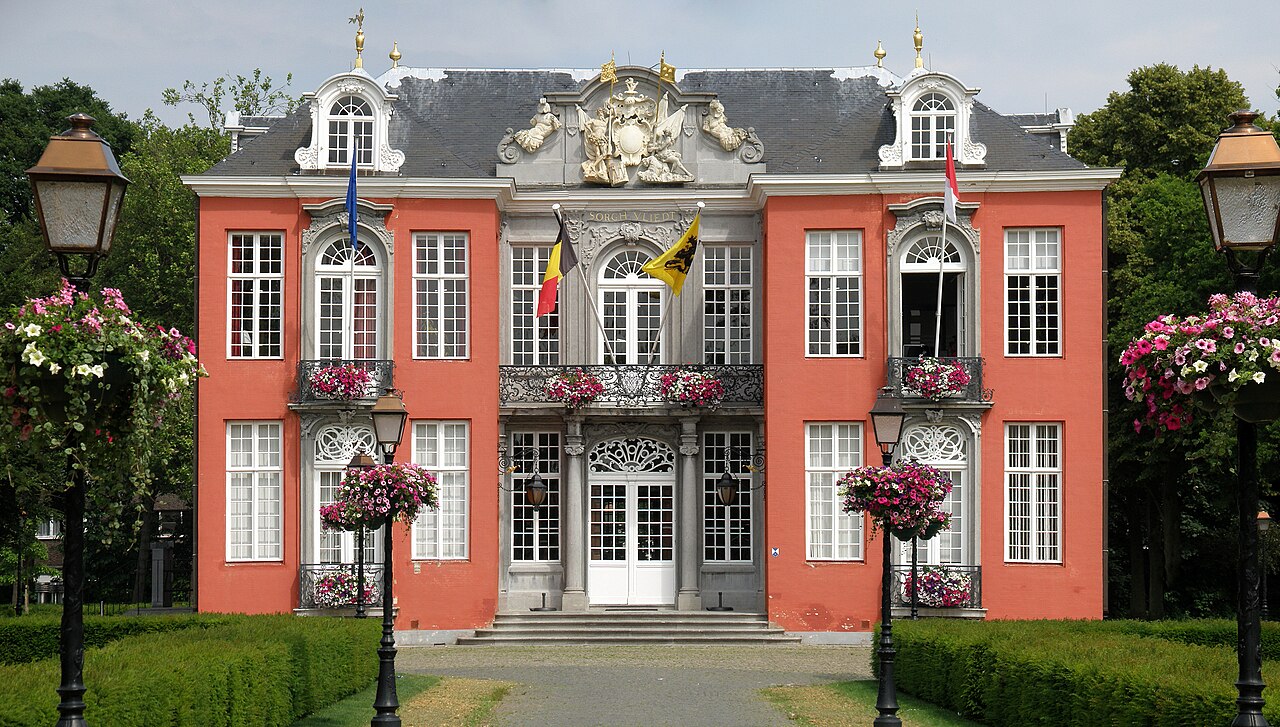
Fort 8 is a notable example of the Brialmont forts located in Hoboken, a district within the city of Antwerp in the Flemish region of Belgium. This fort is part of a larger defensive system designed in the 19th century to protect Antwerp, a key strategic city chosen as Belgium's National Redoubt following its independence in 1830. The fortifications reflect the military engineering advancements of the period and the geopolitical tensions in Europe at the time.
Historical context and strategic importance
After Belgium's independence, the young nation faced potential threats from neighboring powers, particularly the Netherlands and France. Due to the lack of natural defensive barriers, Belgian military planners focused on fortifying Antwerp as a stronghold. The result was the construction of a comprehensive defensive ring known as the Big Rampart, initiated in 1859 based on the designs of Captain Henri Alexis Brialmont, a prominent military engineer.
The Big Rampart consisted of a 15-kilometer earthen rampart encircling Antwerp, punctuated by 19 gates and supplemented by an outer ring of eight forts, including Fort 8. These forts were positioned approximately 2.5 kilometers from the city center and spaced about 2 kilometers apart to create a defensive perimeter against artillery and infantry assaults.
Architectural design and features of fort 8
Fort 8 occupies roughly 30 hectares and is distinguished by its earthen walls, wide moat, and a central reduit—a heavily fortified keep within the fort. The fort also includes caponiers, which are covered defensive structures that allow defenders to fire along the moat's length, protecting the fort's perimeter.
Unlike most of the other Brialmont forts, Fort 8's earthen walls are notably higher, a feature likely influenced by the high groundwater level in its location near the Scheldt River. This necessitated digging the moat deeper, providing additional earth to build up the walls, enhancing the fort's defensive capabilities.
Fort 8 also features a traditor battery, a defensive artillery position aimed inward toward Antwerp. This battery was designed to prevent the fort from being used by enemy forces if captured, a common precaution in fortress design of the era.
Construction, modernization, and preservation
The construction of the Big Rampart and its forts, including Fort 8, was a massive and costly endeavor, completed by 1864. These fortifications represented cutting-edge military architecture of the mid-19th century. In 1907, most of the forts and the rampart underwent modernization to adapt to advances in artillery and military tactics. However, Fort 8 was unique in that it remained largely untouched during this modernization phase, preserving much of its original design.
While the Big Rampart itself was demolished in 1960, the forts, except for Fort 1, have survived. Fort 8 is considered one of the best-preserved examples of the Brialmont forts, despite some losses such as its original entry bridge and partial excavation of its earthen walls.
Current use and visitor experience
Today, Fort 8 serves a variety of community functions. Its buildings accommodate several local associations, including sports clubs, fishing groups, and pétanque players, reflecting a diverse reuse of the historical site. The fort is freely accessible to the public, with a walking path encircling the moat offering visitors a chance to explore the exterior defenses and appreciate the scale of the fortification.
Access to the central reduit is restricted and typically only available during special guided tours, providing an opportunity to experience the interior defensive works and learn about the fort's military history in detail.
While the site has a somewhat eclectic appearance due to the varied contemporary uses and some modern structures, it remains an important cultural heritage site that illustrates Belgium's 19th-century military strategy and architectural ingenuity.
The brialmont forts in a broader military context
The Brialmont forts, including Fort 8, represent a significant phase in fortress design, moving away from traditional stone castles toward modern earthen fortifications capable of withstanding artillery bombardment. Their layout, combining earthen ramparts, moats, and caponiers, was innovative for its time and influenced fortress construction throughout Europe.
Fort 8's location near the Scheldt River added strategic value, controlling approaches to Antwerp and guarding against riverborne attacks. Its preservation offers insight into military engineering practices of the mid to late 19th century and the evolution of defensive architecture before World War I.
Frequently asked questions (FAQ)
- How do I get to Fort 8?
- Fort 8 is located on Hoofdfrontweg in Belgium, easily accessible by car and public transport. If you are driving, there are designated parking areas nearby. For those using public transport, check local bus routes that service the area.
- What is the historical significance of Fort 8?
- Fort 8 was built as part of the defensive ring around Antwerp and has played a crucial role during various conflicts. Its design reflects military architecture from the late 19th century, showcasing the strategic importance of the fortifications in Belgium's history. Today, it serves as a reminder of the country's military past.
- When was Fort 8 built?
- Fort 8 was constructed between 1888 and 1892 as part of the Antwerp fortress system. This fortification was designed to protect the city from potential invasions and has been a significant military site since its inception. Over the years, it has been adapted for various military uses.
- Can I visit Fort 8?
- Yes, Fort 8 is open to the public and offers guided tours for visitors interested in exploring its historical significance. It is advisable to check the official website for any specific visiting restrictions or requirements. Group tours can also be arranged for educational purposes.
- Why is Fort 8 notable for its architecture?
- Fort 8 is notable for its unique design, which includes a combination of earthworks and reinforced concrete structures. The architectural style illustrates the military engineering techniques of the late 19th century. Its design was innovative for its time, allowing for better defense capabilities and sustainability.
- Is it possible to access Fort 8 for people with disabilities?
- Fort 8 strives to be accessible to all visitors; however, some areas may present challenges due to the historical nature of the site. It is recommended to contact the administration in advance to inquire about specific accessibility options and accommodations available during your visit.
- What are the opening hours for Fort 8?
- Fort 8 typically opens its doors to visitors from 10 AM to 5 PM, but hours may vary based on the season or special events. It's best to check the official website for the most current information regarding opening hours and any potential holiday schedules. Plan your visit accordingly to make the most of your experience.
- What are the ticket prices for visiting Fort 8?
- Ticket prices for Fort 8 are usually very reasonable, with discounts available for students, seniors, and children. Group rates might also be offered for educational tours or special events. Be sure to check the official website for the latest pricing and any promotional offers.
- What are some nearby attractions to Fort 8?
- Nearby attractions include the city of Antwerp, famous for its rich cultural heritage and vibrant arts scene. Visitors can also explore the surrounding parks and other historical sites that are part of the Antwerp fortress system. It's a great opportunity to make a full day of exploring the area's history and beauty.
Loading map...
Visitor reviews
No reviews yet. Been here? Write the first review and help other travelers!
Write the first reviewVisited this castle? Share your experience
Your review helps other travelers and adds first-hand knowledge to our encyclopedia.