Fetislam — Serbia castle

Fetislam

Fetislam fortress on the Danube in Serbia
Kladovo, Serbia
Renaissance (15th–17th c.)
Partially Preserved

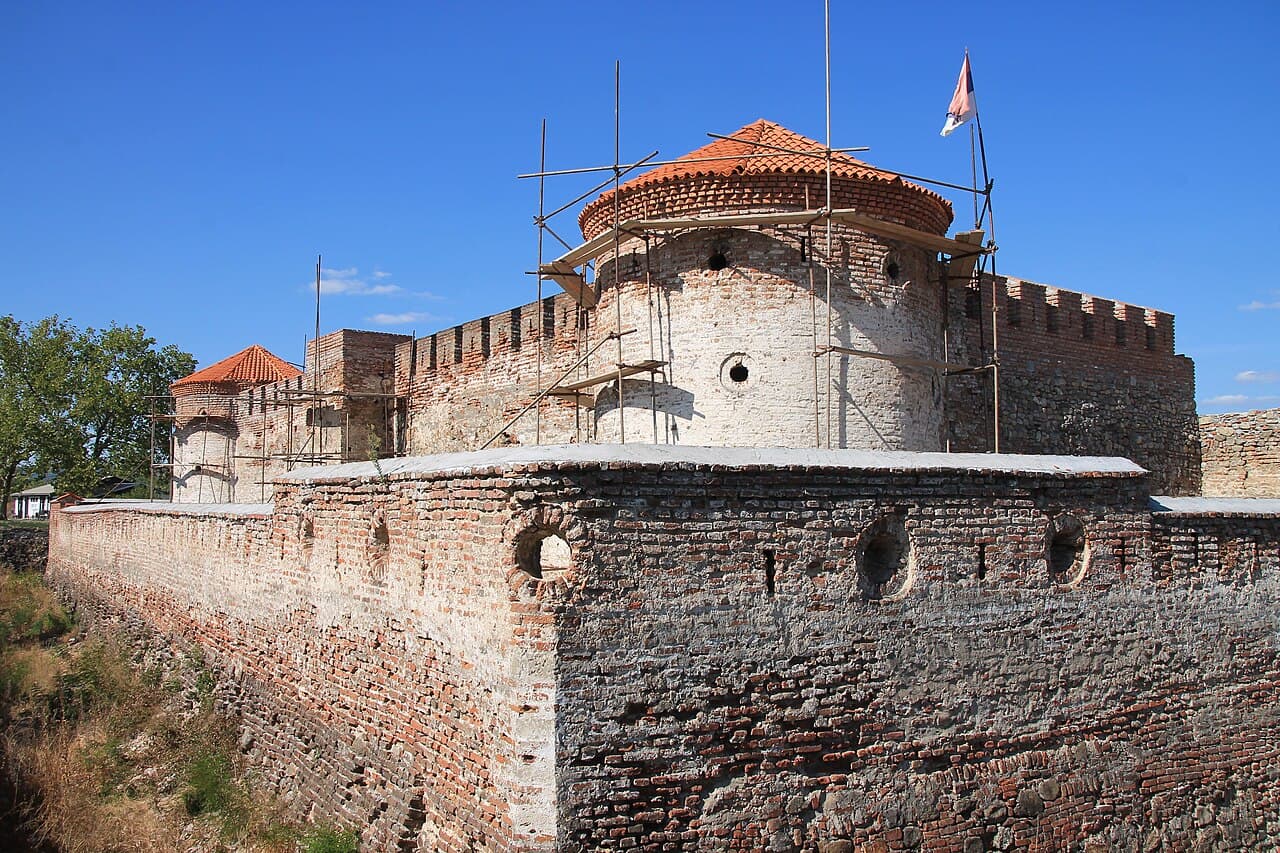
Fetislam fortress stands as a significant 16th-century bastioned fortress located a few kilometers upstream from the town of Kladovo on the right bank of the Danube River in Serbia. It holds the status of a cultural monument of great importance in the Republic of Serbia, reflecting its historical and architectural value.

Historical background and strategic importance

The fortress was constructed during the Renaissance period, a time when fortification architecture evolved to meet new military challenges, particularly the advent of artillery. Built in the 16th century, Fetislam was part of the Ottoman Empire's defensive system along the Danube, serving as a critical stronghold to control river traffic and protect the empire's northern borders.

Its location near Kladovo was strategically chosen to oversee a key section of the Danube, which was a vital route for trade and military movements. The fortress played a role in various conflicts, including Ottoman-Habsburg wars, reflecting the turbulent history of the region.

Architectural features of Fetislam fortress

Fetislam is classified as a bastioned fortress, a style characteristic of Renaissance military architecture designed to withstand cannon fire and provide overlapping fields of defensive fire. The fortress features angular bastions protruding from the main walls, allowing defenders to cover adjacent walls and reduce blind spots.

The walls are constructed from robust stone masonry, with thick ramparts and low profiles to absorb artillery impacts. The fortress complex includes defensive walls, moats, and gatehouses that controlled access. Inside, there would have been casemates for artillery, storage rooms, and quarters for the garrison.

While some parts of the fortress remain well-preserved, others show signs of wear due to centuries of exposure and conflict. Restoration efforts have aimed to maintain its structural integrity and historical authenticity.

Fetislam in the context of Serbian and regional history

Throughout its history, Fetislam fortress witnessed numerous military engagements and shifts in political control. It was a key defensive point during the Ottoman period and later conflicts involving the Habsburg Monarchy and other regional powers. The fortress's presence underscores the Danube's importance as a frontier and trade artery.

Today, Fetislam is recognized not only for its military architecture but also as a symbol of the region's layered history, reflecting the cultural and political changes over several centuries.

Visiting Fetislam fortress

Fetislam is accessible to visitors interested in military history and Renaissance fortifications. The site offers a glimpse into the defensive strategies of the period and provides scenic views of the Danube. While facilities may be limited, the fortress's cultural significance and architectural features make it a noteworthy destination.

Visitors should check local resources for opening hours and any guided tours available, as these can enhance the understanding of the fortress's historical context and architectural details.

Frequently asked questions (FAQ)

How do I get to Fetislam Castle?
Fetislam Castle is located in Kladovo, Serbia, and can be easily reached by car or public transportation. The nearest major city is Negotin, which is about 40 kilometers away, making it a convenient day trip for visitors.
What is the historical significance of Fetislam Castle?
Fetislam Castle, built in the 18th century, served as a vital fortification during the Ottoman Empire. It played a crucial role in protecting the region and is considered an important symbol of the historical conflicts between the Ottomans and various European powers.
When was Fetislam Castle built?
Construction of Fetislam Castle began in 1716 and was completed in 1730. It was designed to serve both as a military fortress and a residence for Ottoman commanders, reflecting the architectural style of that period.
Can I visit Fetislam Castle year-round?
Yes, Fetislam Castle is open to visitors throughout the year. However, it's recommended to check for any special events or maintenance closures before planning your visit.
Why is Fetislam Castle a popular tourist attraction?
Fetislam Castle is popular for its rich history, stunning architecture, and picturesque location along the Danube River. Visitors are drawn to its well-preserved structures and the panoramic views it offers of the surrounding landscape.
Is it possible to take guided tours of Fetislam Castle?
Yes, guided tours are available at Fetislam Castle, providing visitors with in-depth information about its history and architecture. These tours often include access to areas that are not open to the general public, enhancing the overall experience.
What are the opening hours for Fetislam Castle?
Fetislam Castle typically opens at 9 AM and closes at 5 PM, but hours may vary depending on the season. It's advisable to check the official website or local tourism information for the most up-to-date hours before your visit.
What are the ticket prices for visiting Fetislam Castle?
Admission to Fetislam Castle is generally affordable, with tickets priced around 300 dinars for adults and discounts available for students and seniors. Group rates may also be offered, making it an economical choice for families and educational trips.
What nearby attractions can I visit while at Fetislam Castle?
While visiting Fetislam Castle, you can also explore the beautiful nature nearby, including the Danube River and the surrounding parks. Additionally, the town of Kladovo offers charming local shops and eateries that enhance your travel experience.

Photo gallery

Fetislam
Click to view

Photo by Ванилица•CC BY-SA 4.0

1 photo • Click any image to view in full screen

Information

Bastioned Fortress

Loading map...

Visitor reviews

No reviews yet. Been here? Write the first review and help other travelers!

Write the first review

Visited this castle? Share your experience

Your review helps other travelers and adds first-hand knowledge to our encyclopedia.
Write a review

(5/5)

0/2000 characters

Your review will be visible after admin approval

Nearby castles

4.3 km
Severin Medieval Fortress — Romania castle

Severin Medieval Fortress

Drobeta Turnu Severin, Romania

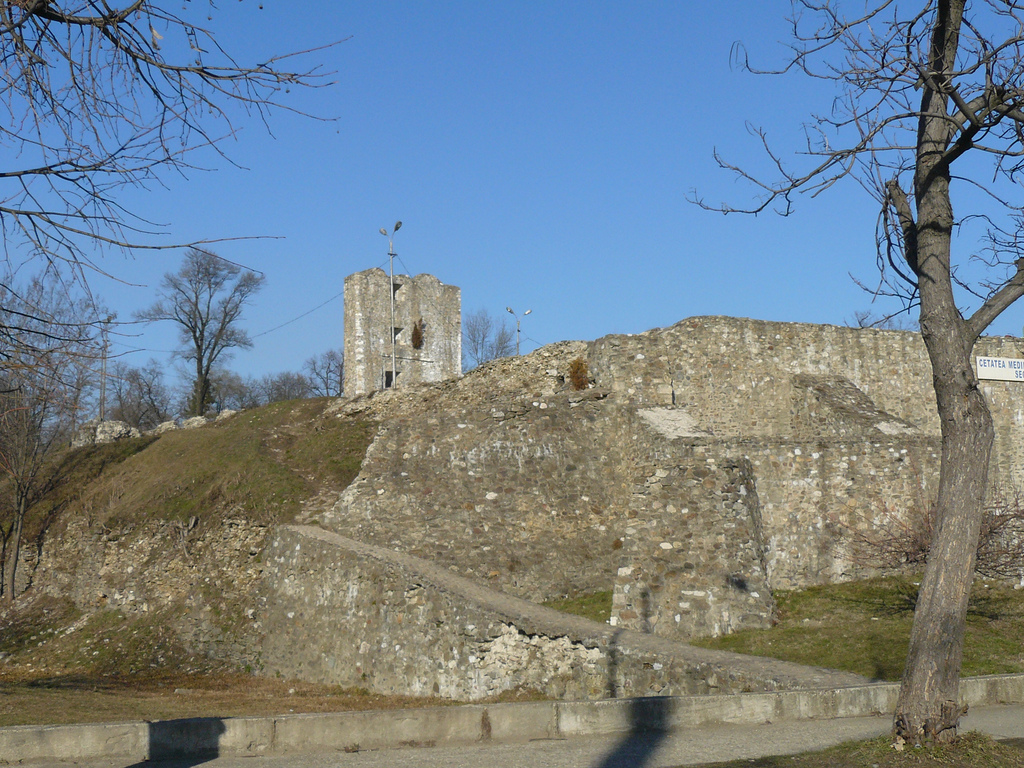
Severin medieval fortress is a significant historical monument located in Drobeta Turnu Severin, Romania. Dating back to the 13th century, this bastioned fortress played a crucial role in the defense system of the region during the High Medieval period. It is registered in the National Archaeological Repertory under the code 109782.07.01, highlighting its cultural and historical importance. Historical context and strategic importance The fortress was constructed during a time of frequent conflicts and territorial disputes in the region, serving as a key military stronghold on the Danube frontier. Its position in Drobeta Turnu Severin allowed control over important trade routes and river crossings, making it vital for regional security and commerce. The fortress witnessed various sieges and military actions throughout its history, reflecting the turbulent political landscape of medieval Romania. Architectural features and design Severin fortress exemplifies the characteristics of a bastioned fortress, designed to withstand artillery and siege warfare that evolved during the late medieval period. The fortification includes massive stone walls reinforced with bastions—projecting angular structures that allowed defenders to cover adjacent walls with crossfire. This design improved defensive capabilities against attackers and was a significant advancement over earlier medieval fortifications. Fortification elements Bastions: These angular projections provided overlapping fields of fire, reducing blind spots and enhancing the fortress's defensive perimeter. Curtain walls: Thick stone walls connecting the bastions, built to resist battering and scaling attempts. Gatehouses and towers: Strategically placed to control access and provide vantage points for surveillance and defense. Moat and ditches: Defensive trenches surrounding the fortress, designed to impede enemy approach and undermine siege engines. Archaeological significance and preservation The fortress site has been subject to archaeological investigations that uncovered artifacts and structural remnants shedding light on the medieval military architecture and life within the fortress. These findings contribute to the understanding of regional history and fortification techniques of the High Medieval period. Currently, the fortress is partially preserved, with ongoing efforts aimed at restoration and conservation to maintain its structural integrity and promote cultural tourism in Drobeta Turnu Severin. The site is accessible to visitors interested in medieval history and architecture. Visiting Severin fortress Visitors to Severin medieval fortress can explore the remnants of the bastioned walls, towers, and gatehouses. The site offers a glimpse into the military engineering of the 13th century and the historical significance of the fortress in defending the Danube frontier. Interpretive signage and guided tours provide context about the fortress's role in regional history. The fortress is located within the city limits of Drobeta Turnu Severin, making it accessible for tourists and scholars. Nearby attractions include the Roman castrum and the Iron Gates Natural Park, enriching the cultural and natural experience of the area.

High Medieval (11th–13th c.)
Details
39.4 km
Tricule Fortress — Romania castle

Tricule Fortress

Svinița, Romania

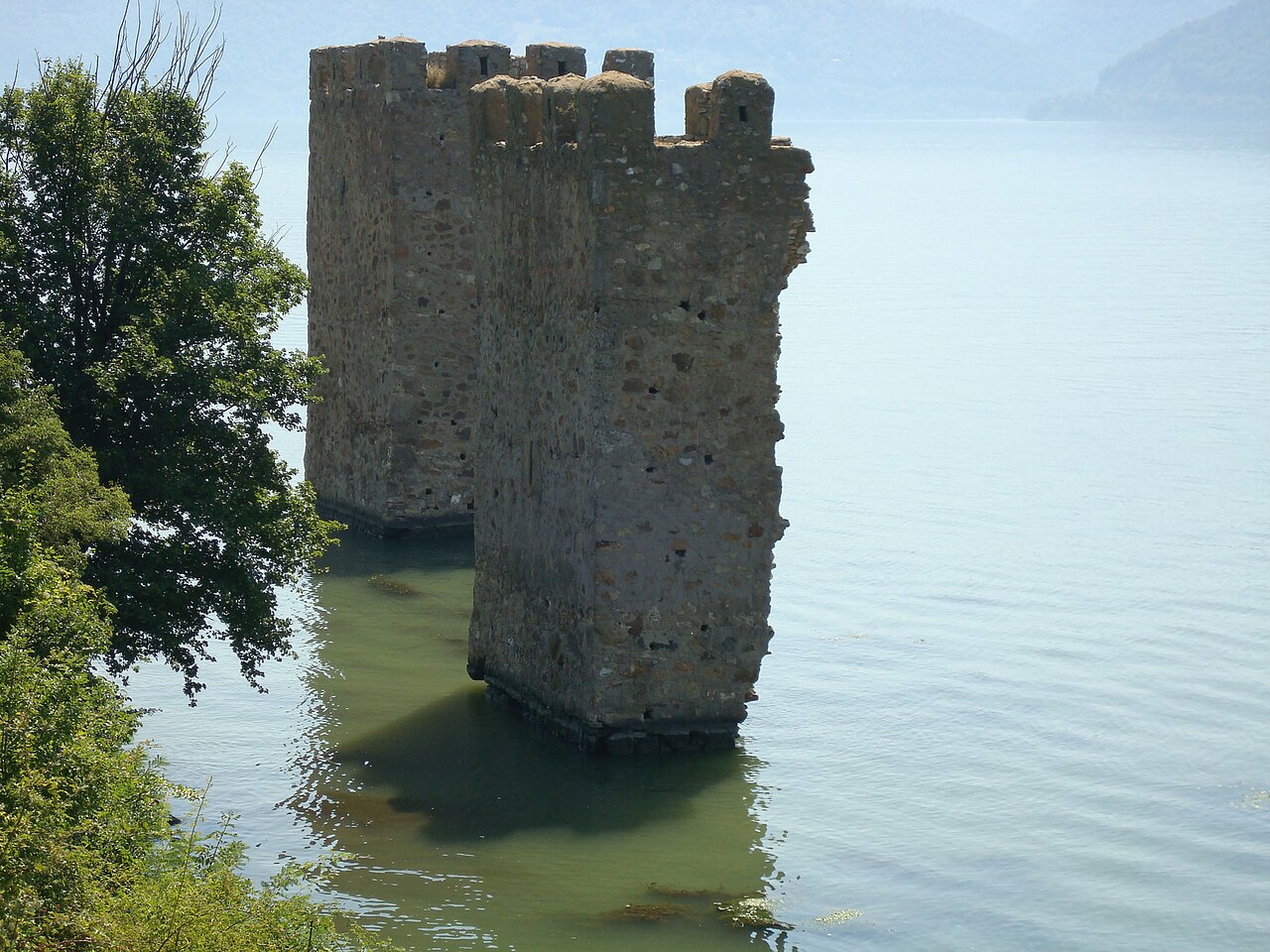
Tricule Fortress is a medieval hill castle ruin located near the village of Svinița in Romania, close to the modern border with Serbia. This fortress occupies a strategic position on a rocky promontory overlooking a sharp bend in the Danube River, a location that provided natural defensive advantages and control over river traffic. Though the exact date of its construction remains uncertain, historians generally date the fortress to the period between the late 13th century and early 15th century, placing it within the High to Late Medieval era of European castle building. The fortress's historical significance is closely tied to the geopolitical dynamics of Central and Southeastern Europe during the Middle Ages. By 1419, King Sigismund of Luxembourg, ruler of the Kingdom of Hungary and other territories, entrusted the fortress to the Teutonic Order. This military-religious order was tasked with defending the Danube frontier against incursions by the expanding Ottoman Empire. The fortress thus formed part of a defensive network along the Danube, which was a critical frontier zone during the 15th century. Architectural layout and construction The surviving remains of Tricule Fortress center on three nearly square towers arranged in a roughly triangular formation. One tower faces directly towards the Danube River, overseeing the strategic river bend. The two towers closest to the riverbank stand about twenty meters apart, with the third tower positioned approximately forty meters away, nearer the river's center. This layout reflects a defensive design optimized for surveillance and control of the river approach. The towers' foundations are constructed from finely cut sandstone blocks, providing a solid base. The upper parts of the towers were built using rubble and large stones sourced from the riverbed, bound with mortar and plastered for durability. The walls are double-layered, with smaller stones tying the two layers together and a rubble-filled core, a common medieval masonry technique for strength and stability. Each tower is divided into three levels, historically serving distinct functions: storage of provisions on the lower floors, observation posts on the middle levels, and defensive positions on the battlemented upper floors. The battlements feature crenellations designed for archers and defenders to launch projectiles while remaining protected. A distinctive architectural feature is found on the uppermost floors of the towers, where the walls facing the river include a sloped masonry surface resembling a roof rather than a vertical wall. The exact purpose of this unusual design remains unclear but may have been intended to deflect projectiles or water runoff. Historical role and military significance Throughout the 15th century, Tricule Fortress was an integral part of the regional defense system. In 1443, records indicate that the fortress was protected by local inhabitants from the Banat region, reflecting its role within a communal defense network against external threats, particularly from the Ottomans. Following the shifting political landscape after the Treaty of Jassy in 1792, which adjusted borders between the Ottoman Empire and Habsburg territories, the fortress's military role diminished. Under Habsburg administration, the site was repurposed as a customs station managing border control along the Danube, illustrating its continued strategic importance in regulating trade and movement. Decline and preservation challenges By the late 19th century, specifically by 1872, Tricule Fortress was abandoned and left to deteriorate. Its defensive and administrative functions ceased, and the structure gradually fell into ruin. The 20th century brought further changes when the construction of the Iron Gates I hydroelectric dam in 1968 caused the Danube's water level to rise substantially, submerging much of the fortress beneath the reservoir. Today, only parts of the original fortress remain visible above the waterline. Two of the towers stand approximately 10 to 11 meters high, with walls tapering from about 1.4 meters thick at the base to 0.8 meters near the top. One tower remains nearly intact, while the second is preserved to about half its original height. The third tower, once isolated on a rock and connected by a wooden bridge, collapsed in the 1920s, likely due to damage from treasure hunters and river ice. Its remains lie submerged and are sometimes visible during periods of low water. The fortress's position on a rocky outcrop overlooking a steep Danube valley provides natural defense but also exposes it to ongoing erosion and water damage. Despite its status as a protected heritage monument in Romania and Serbia, the ruins face continuous threats from environmental factors. Cultural heritage and visitor information An informational plaque near the site offers visitors context about the fortress's historical importance and its role in the medieval defense system along the Danube. The site is accessible for viewing but remains largely in a state of ruin, with no extensive restoration undertaken. Tricule Fortress stands as a testament to the medieval military architecture of the Danube frontier, illustrating the strategic importance of river castles in controlling trade routes and defending territories during periods of conflict. Its surviving towers provide valuable insight into construction techniques and defensive strategies employed by European medieval builders.

High Medieval (11th–13th c.)
Details
72.9 km
Babavida Fortress — Bulgaria castle

Babavida Fortress

Vidin, Bulgaria

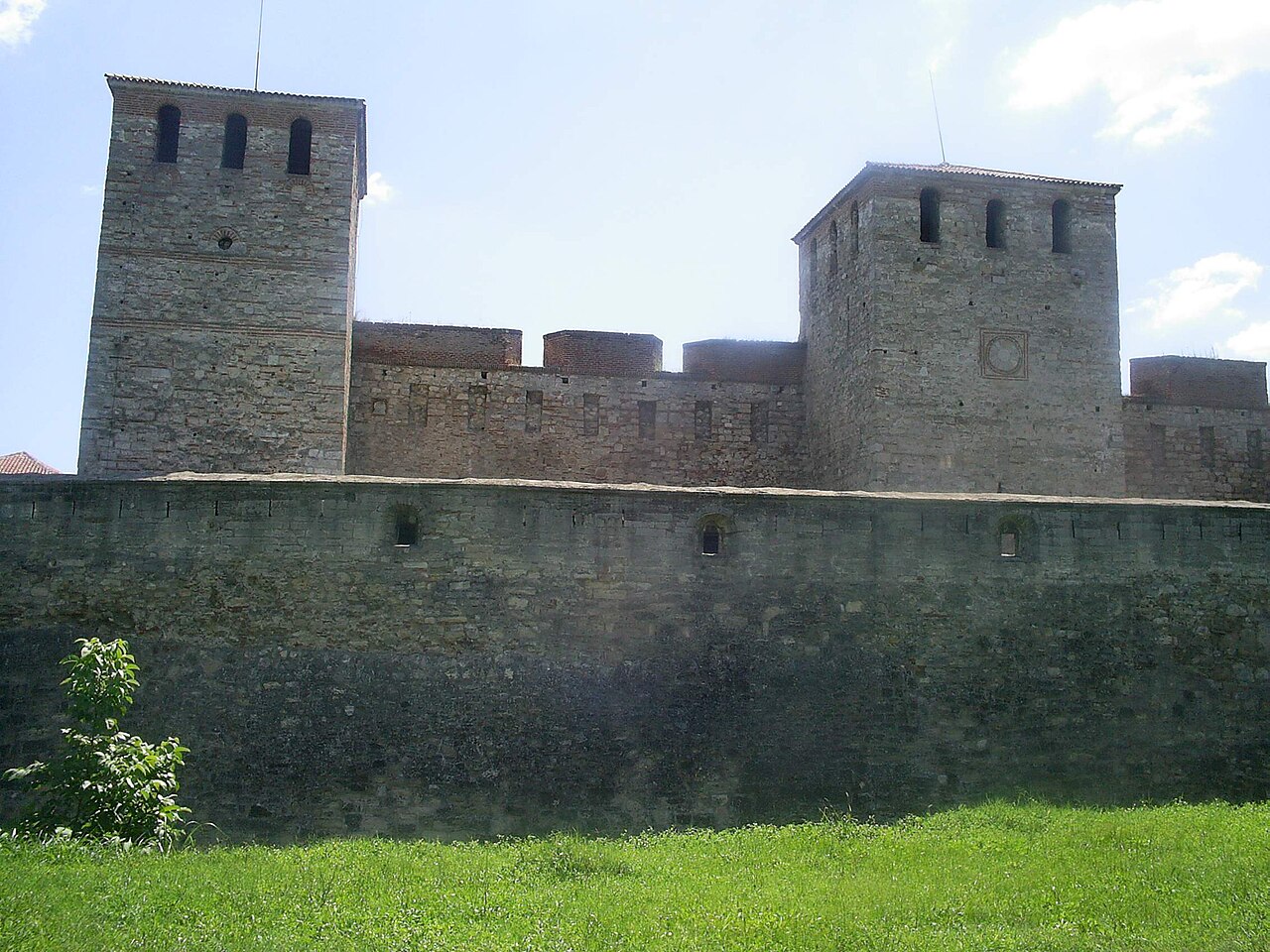
Baba Vida fortress stands as a remarkable example of a medieval stronghold located in the city of Vidin, within the Vidin region of Bulgaria. This fortress is uniquely composed of architectural elements spanning multiple historical periods, reflecting its long and varied history as a defensive bastion on the banks of the Danube River. Historical layers and construction phases The oldest part of Baba Vida is the octagonal tower, which dates back to Roman times. This ancient structure forms the foundation of the fortress and highlights the strategic importance of this location since antiquity. The central tower and the adjoining annexes were constructed during the Middle Ages, serving as the core of the fortress's defensive system during the medieval period. The fortress was continuously adapted and expanded, with the rooms surrounding the courtyard being added during the Ottoman occupation, reflecting the changing needs and styles of the era. Further modifications were made under Austrian influence, with three of the fortress's towers attributed to this period. These additions demonstrate the fortress's ongoing military significance and the layered history of control and influence in the region. Architectural features and layout Baba Vida features a classic concentric castle layout, starting with a barbican and an entrance bastion that guard the main access points. Visitors passing through these fortified entrances encounter a series of concentric defensive walls, designed to provide multiple layers of protection against invaders. Inside, the fortress encloses a spacious courtyard that historically served as a hub of activity. On the side facing the Danube, visitors can find a summer theater, a modern addition that enhances the cultural use of the site today. The courtyard is surrounded by various rooms and chambers that once housed soldiers, administrators, and other occupants of the fortress. Towers and defensive structures The fortress is notable for its multiple towers, each reflecting different historical periods. The octagonal Roman tower is a prominent feature, while the medieval central tower provided a vantage point for surveillance and defense. The Austrian towers add to the complexity of the fortress's silhouette and defense mechanisms. Strategic location and views Situated on the southern bank of the Danube River, Baba Vida commands a strategic position controlling river traffic and regional movements. The fortress's elevated vantage points offer breathtaking views of the Danube River to the north and the Balkan Mountains to the south, underscoring its military and geographical significance. Visitors who climb the fortress walls are rewarded with panoramic vistas that capture the natural beauty and historical landscape of the area. Preservation and cultural importance Baba Vida is one of the best-preserved medieval fortresses in Bulgaria, retaining much of its original structure and defensive features. Its preservation allows for a detailed understanding of the architectural evolution from Roman times through the medieval and Ottoman periods to the Austrian modifications. Today, Baba Vida serves not only as a historical monument but also as a cultural venue, hosting events such as performances in its summer theater. This blend of history and contemporary use makes it a significant attraction for both tourists and scholars interested in medieval fortifications and Bulgarian heritage. Visitor experience Visitors to Baba Vida can explore the fortress's extensive walls, towers, and interior chambers. The site offers informative displays about its history and architecture, enhancing the educational aspect of the visit. The combination of well-preserved structures and scenic views makes it a memorable destination for those interested in history, architecture, and natural beauty.

Late Medieval (14th–15th c.)
Details