Festung Hohentwiel
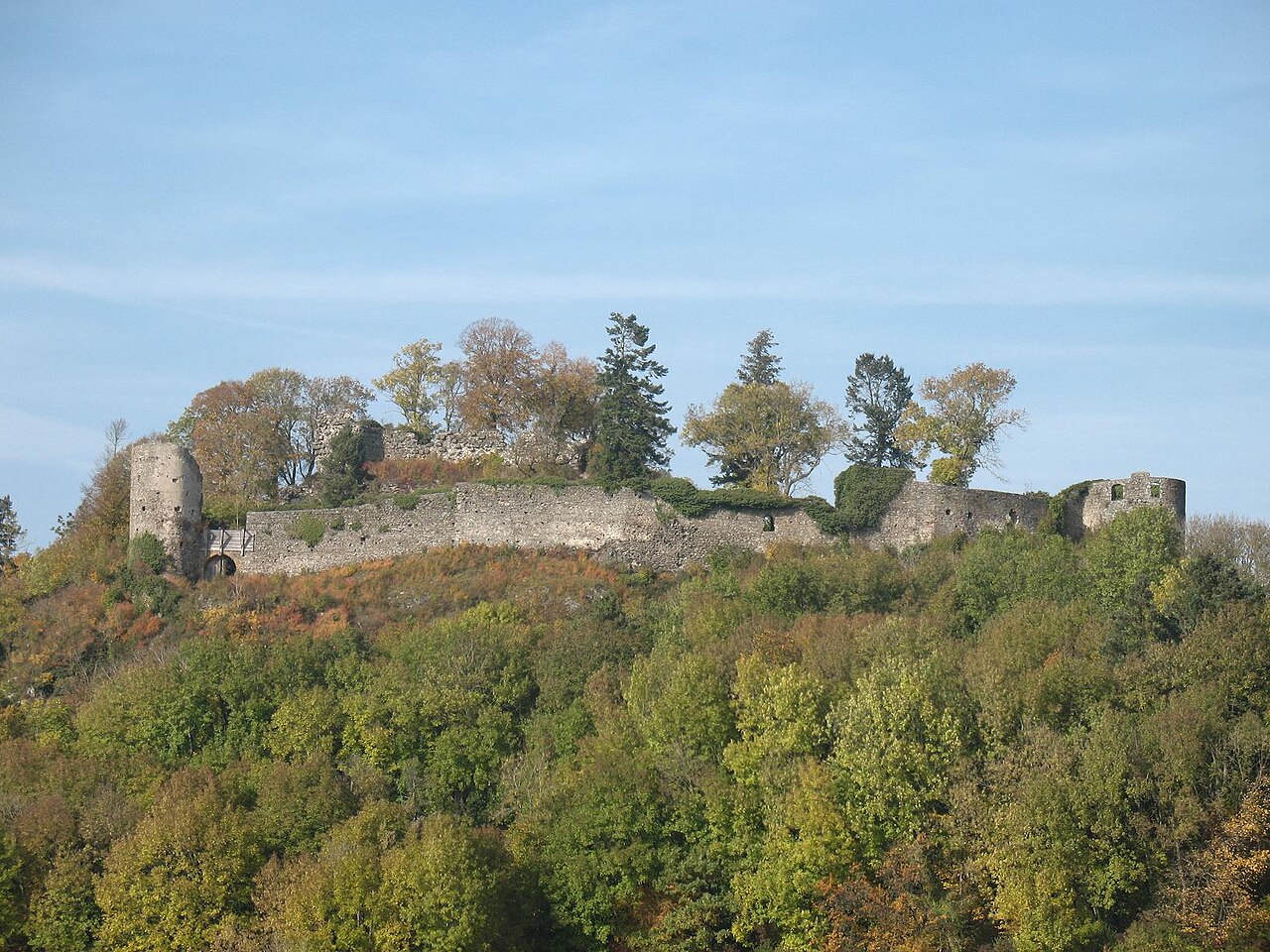
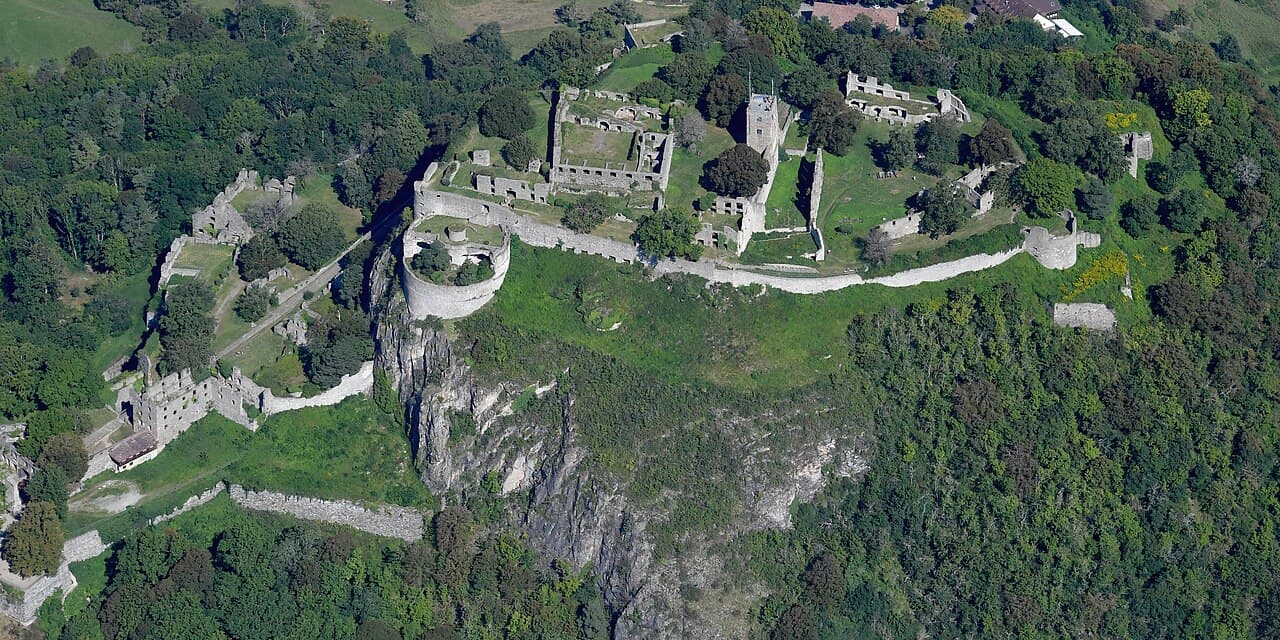
Festung Hohentwiel stands as one of the most remarkable castle ruins in Germany, perched atop the extinct volcanic peak of Hohentwiel in the Hegau region of Baden-Württemberg. This fortress commands a strategic vantage point overlooking the city of Singen, rising approximately 260 meters above the surrounding landscape and near the scenic Lake Constance. Covering an expansive area of about nine hectares, it is recognized as the largest castle ruin accessible to visitors in Germany.
Early history and medieval significance
The origins of Hohentwiel Castle trace back to the 10th century, with the first documented mention occurring in 915 AD. Initially serving as a ducal seat during the early medieval period, the fortress played a significant role in regional power dynamics. Over the centuries, it changed hands among several noble families, most notably the House of Zähringen, a prominent dynasty influential in southwestern Germany during the high medieval period.
During this time, the castle functioned as a typical medieval stronghold, offering defense and administrative control over the surrounding territory. Its position atop a volcanic mountain provided natural fortification, which was augmented by man-made defensive structures.
Architectural development and fortification
From the early 16th century onwards, the fortress came under increasing influence of the House of Württemberg, which transformed it into a ducal seat once again. The castle underwent extensive expansions and fortifications during this period, evolving into a formidable fortress tailored to withstand contemporary military threats.
Its architecture reflects a blend of medieval defensive design adapted to the challenges of early modern warfare. The fortress included robust curtain walls, multiple towers, and fortified gates. The natural volcanic rock was integrated into the defensive layout, enhancing its resilience against sieges.
Role during the Thirty Years' War
Hohentwiel Fortress gained historical prominence during the Thirty Years' War (1618–1648), when it was subjected to at least five sieges. Remarkably, the fortress withstood all attempts at capture, a testament to its strong fortifications and strategic location. Its resistance made it a critical military asset for the state of Württemberg during this turbulent period.
Later uses and decline
Following its military significance, the fortress was repurposed as a state penitentiary, reflecting a shift from martial to administrative functions. However, its decline began in the early 19th century during the War of the Second Coalition when it was deliberately slighted in 1801 to prevent further military use.
After its destruction, the site gradually transitioned into a cultural and historical landmark. Its ruins became a popular destination for tourists, drawn by the dramatic landscape and rich heritage. Since the late 20th century, annual events such as the Hohentwiel Festival have been held within the fortress grounds, celebrating local culture and history.
Architectural remains and visitor experience
Today, the ruins of Festung Hohentwiel provide a vivid glimpse into medieval and early modern fortress architecture. Visitors can explore extensive remnants including fortified walls, gatehouses, watchtowers, and the foundations of various residential and military buildings. The site offers panoramic views of the surrounding Hegau landscape and Lake Constance, enhancing its appeal as a historic and natural attraction.
With over 80,000 visitors annually since 1990 and a peak attendance of 126,500 in 2002, Festung Hohentwiel remains a significant cultural heritage site. Its accessibility and the annual festival contribute to its ongoing popularity.
Frequently asked questions (FAQ)
- How do I get to Festung Hohentwiel from Singen city center?
- Festung Hohentwiel is located just above Singen and can be reached by a short hike or via local shuttle services from the city center. The trail is well-marked and takes about 30 minutes on foot.
- What is the historical significance of Festung Hohentwiel?
- Festung Hohentwiel was a strategic fortress from the 10th century, notable for its resistance during the Thirty Years' War and its role as a ducal seat for several noble families.
- Can visitors explore the entire castle ruin?
- Visitors can explore the extensive ruins, including walls, towers, and gatehouses, though some areas may be restricted for safety. Guided tours are available to enhance the experience.
- When is the best time to visit Festung Hohentwiel?
- The fortress is open year-round, but the best time to visit is during late spring to early autumn when the weather is favorable and the annual Hohentwiel Festival takes place.
- Are there facilities for visitors at the site?
- The site offers basic visitor facilities including restrooms, a small café, and informational signage to guide exploration of the ruins.
Photo gallery

Information
Opening hours
9:00-18:00, daily
Ticket prices
€5 adult, €3 child
Current owner
Municipality of Singen
Loading map...
Visitor reviews
No reviews yet. Been here? Write the first review and help other travelers!
Write the first reviewVisited this castle? Share your experience
Your review helps other travelers and adds first-hand knowledge to our encyclopedia.