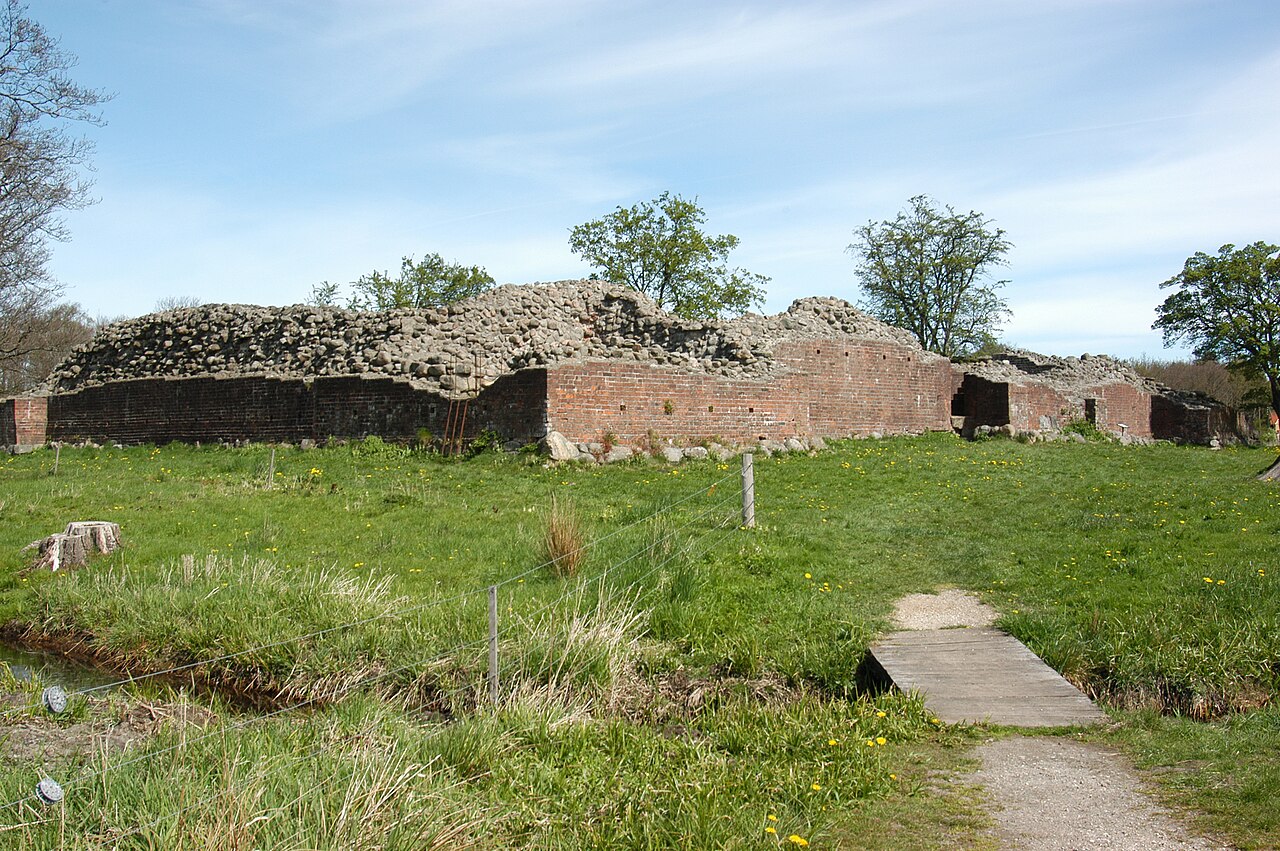
Egelund Castle
Egelund Castle stands as a notable example of early 20th-century royal architecture in Fredensborg, Denmark. Constructed between 1915 and 1917, it was commissioned by Queen Dowager Louise Josephine as a private residence. The castle's design was the work of Carl Harild, a prominent Danish architect known for his contributions to modern Danish architecture. The estate's gardens were initially designed by landscape architect Edvard Glæsel and later refined by J. P. Andersen alongside the castle's resident gardener, Hansen, creating a harmonious blend of natural and cultivated landscapes.
Architectural design and style
Egelund Castle exemplifies the modern architectural period with influences that reflect early 20th-century Danish design principles. The building incorporates elements of traditional Danish manor houses with a contemporary touch characteristic of the 1910s. The castle's structure features clean lines and a functional layout, emphasizing comfort and practicality over defensive purposes, which aligns with its role as a royal residence rather than a fortress.
The castle's façade is marked by balanced proportions and restrained ornamentation, typical of the era's move towards simplicity and away from the elaborate styles of the previous centuries. The use of local materials and attention to craftsmanship further enhance its architectural significance.
Historical context and ownership
The castle was built for Queen Dowager Louise Josephine, widow of King Frederik VIII, who sought a private retreat near the royal seat at Fredensborg Palace. After her death in 1926, the estate passed to Prince Gustav of Denmark, her son, who remained unmarried and childless, maintaining the property until his death in 1944.
Subsequently, Egelund Castle was inherited by Knud, Hereditary Prince of Denmark, and his wife, Princess Caroline-Mathilde. In 1954, the castle transitioned from royal ownership to institutional use when it was purchased by the Dansk Arbejdsgiverforening (Danish Employers' Association). Since then, it has functioned as a congress and training center, adapting its interiors to accommodate modern conference facilities while preserving its historic character.
Gardens and landscape architecture
The grounds of Egelund Castle are an integral part of its appeal, showcasing the work of Edvard Glæsel, a respected landscape architect known for his naturalistic style. His initial design emphasized harmony between the castle and its surrounding environment, combining formal garden elements with more relaxed, naturalistic plantings.
Later enhancements by J. P. Andersen and the resident gardener Hansen maintained this vision, ensuring the gardens remained a tranquil and aesthetically pleasing complement to the castle. The estate's green spaces include carefully planned pathways, ornamental plantings, and areas designed for leisure and contemplation.
Current use and preservation
Today, Egelund Castle is owned and managed by the Dansk Arbejdsgiverforening. It serves as a prominent venue for congresses, corporate training, and events, blending historical ambiance with modern functionality. The castle's interiors have been adapted to meet contemporary needs while respecting the building's architectural integrity.
The preservation of Egelund Castle reflects a successful example of adaptive reuse, ensuring that this piece of Danish royal heritage remains active and relevant. Visitors and guests can experience the castle's historical atmosphere alongside the conveniences of modern facilities.
Visiting and accessibility
Although primarily used for private events and conferences, Egelund Castle occasionally offers guided tours and cultural events that allow the public to explore its architectural and historical significance. Its location near Fredensborg makes it accessible for visitors interested in Danish royal history and early modern architecture.
The castle's setting amidst well-maintained gardens provides a scenic backdrop, enhancing the visitor experience. Access details and opening hours vary depending on scheduled events, so prospective visitors are advised to check in advance.
Frequently asked questions (FAQ)
- What is the historical significance of Egelund Castle?
- Egelund Castle was built as a private royal residence for Queen Dowager Louise Josephine between 1915 and 1917. It reflects early 20th-century Danish architecture and has connections to the Danish royal family until the mid-20th century.
- Can I visit Egelund Castle?
- Egelund Castle is primarily used as a congress and training center and is not regularly open to the public. However, guided tours and special cultural events are occasionally available, so checking in advance is recommended.
- Who was the architect of Egelund Castle?
- The castle was designed by Carl Harild, a notable Danish architect known for his work in the modern architectural period of the early 20th century.
- What kind of architectural style does Egelund Castle represent?
- Egelund Castle represents modern early 20th-century Danish architecture, combining traditional manor house elements with contemporary design features emphasizing simplicity and functionality.
- What is the current use of Egelund Castle?
- Since 1954, Egelund Castle has been owned by the Dansk Arbejdsgiverforening and serves as a congress and training center, blending historic ambiance with modern facilities.
Information
Architect
Carl Harild
Current owner
Dansk Arbejdsgiverforening
Loading map...
Visitor reviews
No reviews yet. Been here? Write the first review and help other travelers!
Write the first reviewVisited this castle? Share your experience
Your review helps other travelers and adds first-hand knowledge to our encyclopedia.