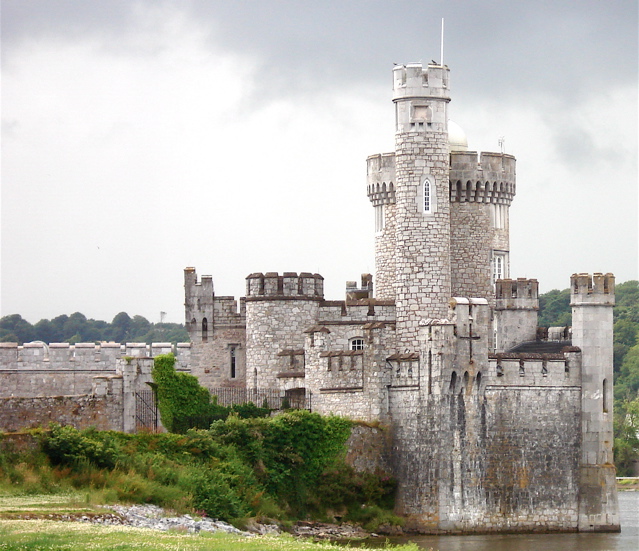
Dundanion Castle
Dundanion Castle is a historic tower house ruin located in the Blackrock area of Cork, in County Cork, Ireland. This castle, built around 1560, stands as a relic of the turbulent and dynamic history of the region during the 16th century. Constructed by the prominent Galway (Galwey) family, who were influential citizens of Cork, the castle was strategically positioned next to a cliff overlooking a floodplain of the River Lee, providing a commanding view of the surrounding landscape and natural defenses.
Architectural features and location
Dundanion Castle was designed as a typical Irish tower house, a type of fortified residence common in Ireland during the late medieval period. Tower houses were generally built for defense and residential purposes, featuring thick stone walls, narrow windows, and battlements. Although now in ruins, the remains of Dundanion Castle still display elements characteristic of this architectural style, including a vertical rectangular plan and remnants of defensive structures.
The castle’s placement on a cliff edge overlooking the floodplain of the River Lee was a deliberate choice, combining natural protection with visibility for monitoring river traffic and potential threats. This location also reflects the strategic importance of waterways in Ireland's defense and trade during the 16th century.
Historical context and ownership
The castle is closely associated with the Galway family, who built it as a fortified residence during a period marked by social unrest and frequent conflicts in Ireland. The Galway family’s prominence in Cork society allowed them to establish such a stronghold, which served both as a home and a defensive structure.
In the late 17th century, Dundanion Castle gained historical significance as a possible departure point for William Penn before his voyage to the Americas in the 1680s. Penn would later found the colony of Pennsylvania, making this connection notable in transatlantic history.
Following the political upheavals of the 1690s, the castle was forfeited and passed into the hands of the Roche brothers. They subsequently mortgaged the property to the Nagle family. Over the centuries, Dundanion Castle changed ownership multiple times, which contributed to its gradual decline and eventual ruin.
19th-century transformation and preservation efforts
In the 1830s, the renowned architect Sir Thomas Deane constructed the nearby Dundanion House. During this period, the remains of Dundanion Castle were deliberately shaped into a picturesque ruin by skilled stonemasons. This approach was typical of the Romantic era, which valued ruins as aesthetic elements in landscape design, blending history with natural beauty.
Despite these efforts to preserve its romantic appeal, Dundanion Castle did not undergo full restoration and remains a ruin today. Its status as a controlled ruin reflects both its historical value and the challenges of maintaining such structures.
Current status and access
Dundanion Castle is situated within the grounds of Dundanion House, which is currently a private building used as offices. As a result, the castle is not open to the public, and access is restricted. The castle’s ruinous state and private location limit its appeal as a tourist destination, and it is often regarded as less architecturally significant compared to other Irish castles.
Architectural significance and heritage value
While Dundanion Castle may not be as architecturally elaborate as other castles in Ireland, it represents an important example of a 16th-century Irish tower house and reflects the socio-political landscape of its time. Its connection to notable historical figures such as William Penn adds to its cultural significance.
The castle’s ruinous condition, combined with its integration into the Romantic landscape design of the 19th century, offers insight into changing attitudes toward heritage and preservation. Dundanion Castle thus serves as a modest but meaningful piece of Ireland’s architectural and historical tapestry.
Frequently asked questions (FAQ)
- What is the historical significance of Dundanion Castle?
- Dundanion Castle is a notable medieval fortification located in Cork, Ireland. It was constructed in the 12th century and played a crucial role in the defense of the region, showcasing the strategic importance of the area during that time.
- When was Dundanion Castle built?
- Dundanion Castle was built in the early 12th century, around the year 1180. It was established as a stronghold for the Anglo-Norman settlers in Ireland, making it an essential part of the region's history.
- Can I visit Dundanion Castle?
- Yes, Dundanion Castle is open to visitors throughout the year. However, it's advisable to check local guidelines and opening hours before planning your visit, as they may vary seasonally.
- What are the opening hours for Dundanion Castle?
- Dundanion Castle typically opens at 10 AM and closes at 5 PM during the peak season. Off-peak hours may vary, so it's best to verify the schedule on the official website before your visit.
- Is it possible to access Dundanion Castle with mobility issues?
- While Dundanion Castle is a historic site, accessibility can be limited due to its ancient architecture and uneven terrain. It is recommended to contact the site administration in advance to discuss specific needs and available accommodations.
- What is the best time to visit Dundanion Castle?
- The best time to visit Dundanion Castle is during the late spring and early autumn months, when the weather is mild and pleasant. This allows you to enjoy the surrounding landscapes and the castle's historical features without the discomfort of extreme temperatures.
- Are there any nearby attractions to Dundanion Castle?
- Yes, there are several nearby attractions, including the scenic Lee Valley and the historic city of Cork, which offers additional cultural experiences. Visitors can also explore other nearby castles and heritage sites for a comprehensive historical tour.
- How much does it cost to enter Dundanion Castle?
- Entry to Dundanion Castle is generally affordable, with ticket prices ranging from £5 to £10 for adults, while children and seniors may receive discounted rates. Special family packages may also be available, so it's wise to check the official site for the latest pricing details.
Information
Address
Blackrock Rd, Cork, Ireland
Loading map...
Visitor reviews
No reviews yet. Been here? Write the first review and help other travelers!
Write the first reviewVisited this castle? Share your experience
Your review helps other travelers and adds first-hand knowledge to our encyclopedia.