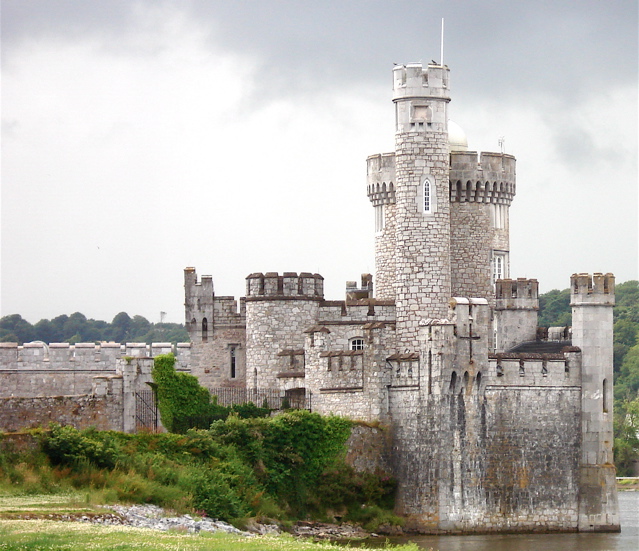
Wallingstown Castle
Wallingstown Castle is a notable example of a 16th-century rectangular tower house located in the Wallingstown Industrial Estate, east of the city of Cork in County Cork, Ireland. This historic structure stands as a testament to the architectural style and defensive needs of the period, reflecting the typical features of Irish tower houses built during the Renaissance period.
Historical background and ownership
The precise origins of Wallingstown Castle, including its original builder and exact construction date, remain uncertain. Despite its name, there is no documented connection to the Wallyns family, which dispels some common assumptions about its lineage. The castle is first historically recorded in the 16th century when it was owned by the prominent Fitzgerald family, a powerful Norman-Irish dynasty influential in Munster.
By 1678, ownership had transferred to the Pigot family, after which it passed to Lord Lisle and subsequently to the Bury family. These transitions reflect the shifting landholdings among Irish gentry and nobility during the turbulent post-medieval period. Unfortunately, detailed records about the castle’s role in local events or its occupants’ activities are scarce.
Architectural features and condition
The castle is primarily a rectangular tower house rising three stories high, characteristic of defensive residences common in Ireland from the late medieval into the Renaissance era. Tower houses like Wallingstown Castle were built to combine residential comfort with fortification, featuring thick stone walls, narrow windows for defense, and battlements.
Although the castle is currently a ruin, it retains significant structural elements that offer insight into its original design. The tower’s vertical emphasis and rectangular plan are typical, providing a compact but defensible living space. The castle’s condition has suffered from vandalism and natural decay over the centuries, yet it remains a striking feature in the landscape.
Opposite the castle, across the road, lie the ruins of a medieval church, which adds historical context to the site, indicating a once-thriving community or estate with religious and residential components.
Location and significance
Situated within a modern industrial estate, Wallingstown Castle’s location east of Cork city places it within a region rich in medieval and Renaissance heritage. County Cork itself is home to numerous castles and tower houses, each illustrating aspects of Ireland’s complex social and military history during the late medieval and early modern periods.
Wallingstown Castle contributes to this heritage as an example of the smaller-scale fortified residences that dotted the Irish countryside, serving both as homes and defensive structures for local lords and gentry.
Preservation and accessibility
Currently, Wallingstown Castle is in a ruined state and is not formally maintained as a tourist site. The ruin suffers from vandalism, which has further compromised its preservation. Despite this, its remnants are accessible to visitors who can view the tower house externally and appreciate its historical and architectural significance within the landscape.
The nearby medieval church ruins enhance the visitor experience by providing additional context to the historical environment of the castle. However, there are no formal visitor facilities or guided tours available at the site.
Architectural context of Irish tower houses
Wallingstown Castle fits within the broader category of Irish tower houses, which were prevalent from the late 15th century through the 17th century. These structures were typically built by Anglo-Norman and Gaelic lords as fortified residences that balanced defense with domestic needs.
Architecturally, tower houses are characterized by their verticality, narrow slit windows, thick defensive walls, and often include features such as spiral staircases, vaulted chambers, and battlements. Wallingstown Castle’s rectangular plan and three-story height are representative of this typology.
Such castles were important in asserting control over territories and were often part of larger estates or defensive networks. Although Wallingstown Castle does not have extensive surviving decorative elements, its form and location provide valuable insight into the social and military landscape of its time.
Frequently asked questions (FAQ)
- How do I get to Wallingstown Castle?
- Wallingstown Castle is located on the R623 in the United Kingdom of Great Britain and Northern Ireland. It is easily accessible by car, and public transportation options are available in nearby towns. Visitors can use GPS navigation for the most convenient routes.
- What is the historical significance of Wallingstown Castle?
- Wallingstown Castle dates back to the 15th century and is a prime example of medieval architecture in the region. It played a vital role in local history, serving as a stronghold during various conflicts. The castle's rich history attracts historians and tourists alike.
- When was Wallingstown Castle built?
- Wallingstown Castle was constructed in the late 1400s, making it over 500 years old. It has been preserved through the centuries, allowing visitors to explore its storied past. The architecture reflects the style and fortifications typical of the period.
- Can I take a guided tour of the castle?
- Yes, guided tours of Wallingstown Castle are available for visitors. These tours provide in-depth information about the castle's history and architecture. It is advisable to book in advance to ensure availability, especially during peak tourist seasons.
- Why is Wallingstown Castle a popular tourist destination?
- Wallingstown Castle is popular due to its historical significance, stunning architecture, and beautiful surrounding landscape. The castle offers a unique glimpse into medieval life and attracts visitors interested in history and architecture. Its picturesque setting makes it a favorite for photography and leisure.
- Is it possible to host events at Wallingstown Castle?
- Yes, Wallingstown Castle is available for special events such as weddings, corporate gatherings, and private functions. The castle's enchanting setting provides a memorable backdrop for any occasion. Interested parties should contact the castle management for more information on booking and services.
- What are the opening hours for Wallingstown Castle?
- Wallingstown Castle is open to visitors from 10 AM to 5 PM daily, with extended hours during the summer months. It is advisable to check the castle's official website for any seasonal changes or special closures. Planning your visit during these hours ensures you have ample time to explore the site.
- What are the ticket prices for visiting Wallingstown Castle?
- Tickets for Wallingstown Castle are reasonably priced, with discounts available for children, seniors, and groups. Admission fees contribute to the maintenance of the castle and its grounds. For the latest pricing information, please visit the castle's official website.
- What is the best time to visit Wallingstown Castle?
- The best time to visit Wallingstown Castle is during the spring and early autumn months when the weather is pleasant and the gardens are in full bloom. These seasons also feature fewer crowds, allowing for a more enjoyable experience. Visitors are encouraged to check local events that may coincide with their visit to enhance their experience.
- Are there nearby attractions to visit while at Wallingstown Castle?
- Yes, there are several nearby attractions to explore, including historical sites and natural parks. Visitors can enjoy scenic walks, local museums, and charming villages in the area. A visit to Wallingstown Castle can easily be combined with other local attractions for a full day of exploration.
Loading map...
Visitor reviews
No reviews yet. Been here? Write the first review and help other travelers!
Write the first reviewVisited this castle? Share your experience
Your review helps other travelers and adds first-hand knowledge to our encyclopedia.