Djursholm Castle
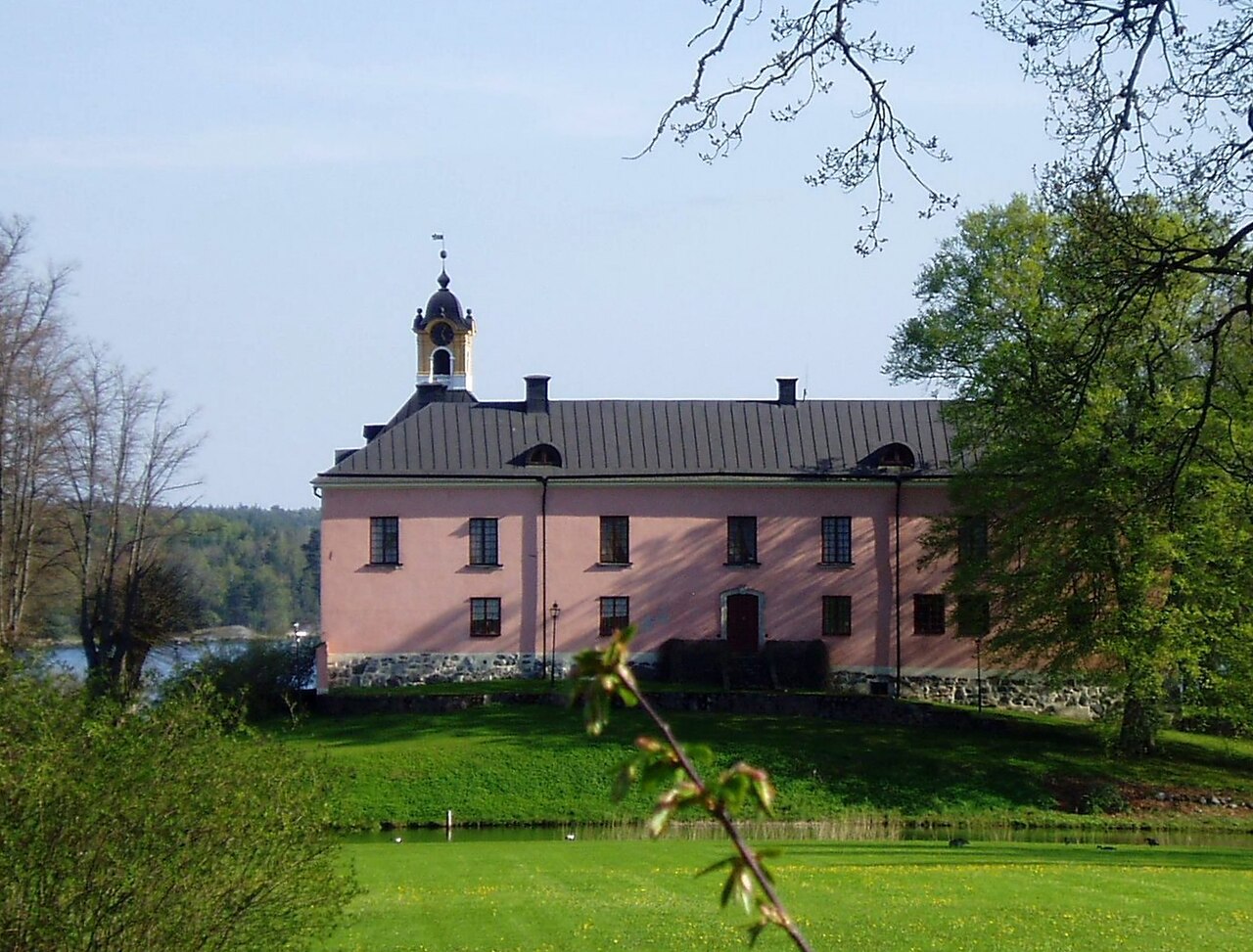
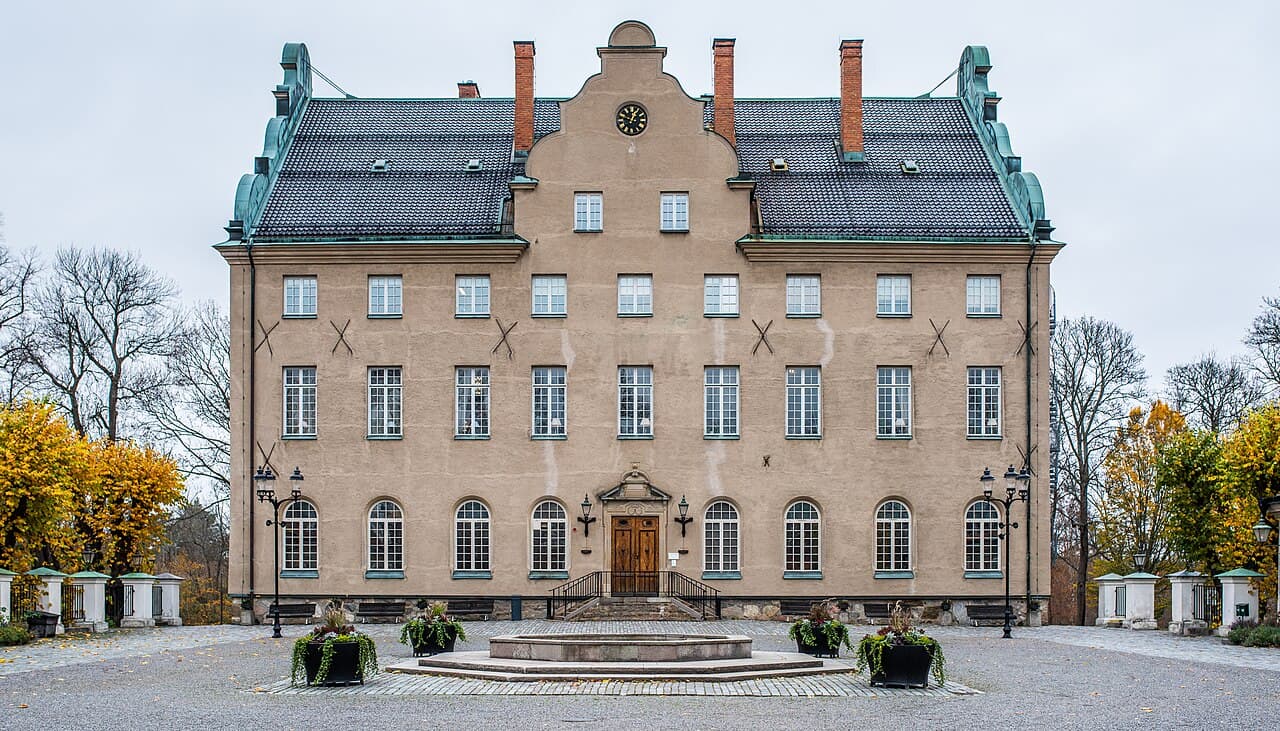
Djursholm Castle, known in Swedish as Djursholms slott, is a prominent Renaissance hill castle located in Djursholm, within the Danderyd Municipality of the Stockholm urban area in Sweden. This historic castle combines architectural elements from the late Middle Ages with significant 17th-century Renaissance modifications, representing centuries of Swedish noble heritage and architectural evolution.
Historical background and ownership
The castle's origins trace back to the late Middle Ages, with its site serving as the main building of the Djursholm estate. This estate was under the ownership of the influential House of Banér from 1508 to 1813. The construction of a new palace at the location was initiated by Nils Eskilsson Banér, who was lord of Djursholm from 1508 to 1520. His efforts laid the foundation for the castle that stands today.
Djursholm Castle later became the residence of notable figures such as Privy Councillor Gustaf Banér and his son, the distinguished Field Marshal Johan Banér. The castle's current architectural form was largely shaped by Svante Gustavsson Banér during the 17th century. By the mid-1600s, the castle had reached its present size and appearance.
Architectural features and style
The castle showcases typical Renaissance architectural elements, with a structure built primarily from limestone and oak. The main hall was elaborately fitted in the 17th century, featuring plaster ceilings and staircases that exemplify the craftsmanship of the period. The walls were adorned with art wallpaper made from gilt leather and other luxurious materials, reflecting the tastes and wealth of the Banér family.
In the 1890s, the castle underwent a restoration that introduced Baroque style elements, although a later restoration between 1959 and 1961 simplified the facade design to a more restrained appearance. A modern entrance was added on the north side in 2003, enhancing the castle's accessibility while respecting its historical character.
Use as an educational institution
From 1891 to 1910, Djursholm Castle served as the premises for Djursholms secondary school (Djursholms samskola). The school was notable for its distinguished staff and leadership. The first inspector was the celebrated author Viktor Rydberg, and among the earliest teachers were the poet Erik Axel Karlfeldt and the composer Alice Tegner. Additionally, the renowned writer Elsa Beskow taught art at the school, while her husband, theologian Natanael Beskow, served as headmaster from 1897 to 1909.
Current status and function
Today, Djursholm Castle functions as the community center (kommunhus) for Danderyd Municipality. Its well-preserved Renaissance structure continues to be a focal point of local heritage and public life. The castle's blend of medieval origins, Renaissance architecture, and later Baroque influences make it a significant cultural landmark in the Stockholm region.
Frequently asked questions (FAQ)
- What is the historical significance of Djursholm Castle?
- Djursholm Castle was the main building of the Djursholm estate owned by the House of Banér from 1508 to 1813. It was home to notable figures such as Privy Councillor Gustaf Banér and Field Marshal Johan Banér, reflecting its importance in Swedish noble history.
- Can I visit Djursholm Castle today?
- Yes, Djursholm Castle currently serves as the community center for Danderyd Municipality and is well-preserved. Visitors can appreciate its Renaissance architecture and historical significance, though access may be limited to public events or guided tours.
- When was Djursholm Castle built?
- The castle includes building components from the late Middle Ages, with a new palace constructed by Nils Eskilsson Banér between 1508 and 1520. The castle reached its present Renaissance appearance in the 17th century under Svante Gustavsson Banér.
- What architectural styles are represented at Djursholm Castle?
- Djursholm Castle features a mix of architectural styles including late medieval elements, Renaissance design from the 17th century, and Baroque influences from a restoration in the 1890s.
- What notable figures are associated with Djursholm Castle?
- Notable figures include Nils Eskilsson Banér, Privy Councillor Gustaf Banér, Field Marshal Johan Banér, and Svante Gustavsson Banér. The castle also hosted educators like Viktor Rydberg, Erik Axel Karlfeldt, Alice Tegner, Elsa Beskow, and Natanael Beskow during its time as a school.
Photo gallery

Information
Loading map...
Visitor reviews
No reviews yet. Been here? Write the first review and help other travelers!
Write the first reviewVisited this castle? Share your experience
Your review helps other travelers and adds first-hand knowledge to our encyclopedia.