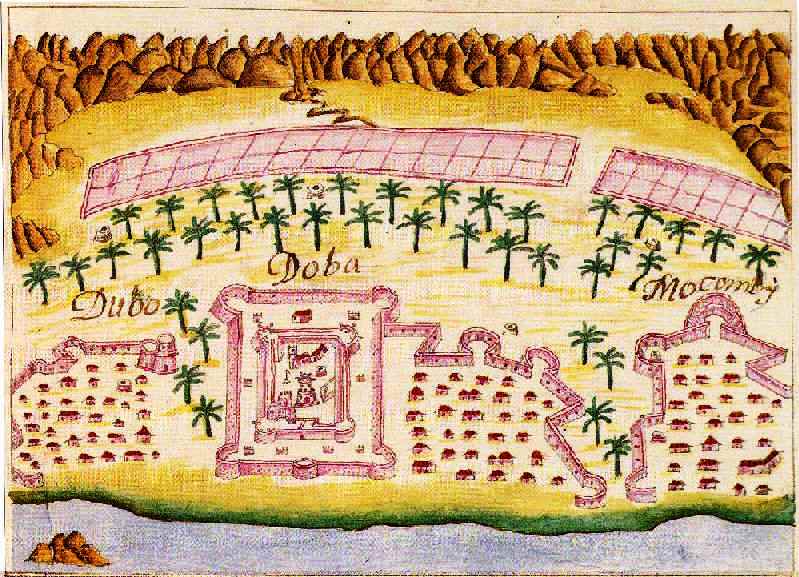
Dibba Fort is located in the town of Dibba Al Bayah, within the Musandam Governorate of Oman. This fort is one of the lesser-known historic fortifications in the area, distinct from the nearby Daba Castle. Its exact origins and historical function remain somewhat obscure due to limited documentation and restricted access during restoration efforts.
Location and strategic importance
Situated along the coast, Dibba Fort occupies a position that would have been strategically significant for controlling maritime routes in the Gulf of Oman. Its placement in Dibba Al Bayah suggests a role in overseeing local trade and defending the settlement from seaborne threats. The fort’s proximity to the water aligns it with the characteristics of a coastal fortress, designed to monitor and protect the shoreline.
Architectural features and restoration
The fort was undergoing restoration at the time of recent visits, which limited public access. The restoration work indicates an effort to preserve the structure, although detailed architectural descriptions are scarce. Based on regional fortification styles, it is likely that Dibba Fort features thick defensive walls, battlements, and possibly watchtowers to provide vantage points over the sea and land approaches. The construction materials would traditionally include local stone and lime mortar, common in Omani coastal forts.
Restoration goals and challenges
The restoration aims to stabilize and conserve the fort’s remains, potentially preparing it for future public access or cultural use. The workmen involved have been noted for their dedication, but the final function of the restored fort—whether as a museum, cultural site, or heritage attraction—has not been officially announced.
Historical context and significance
While specific historical records about Dibba Fort are limited, the fort is part of the broader network of coastal defenses that Oman maintained to protect its maritime interests and settlements. The region’s history includes periods of Portuguese, Persian, and local Omani control, all of which influenced fort construction and military architecture.
The fort’s existence alongside Daba Castle suggests a layered defensive strategy for the town of Dibba, reflecting its importance as a coastal hub. Such forts were typically used to guard against piracy, foreign invasion, and to assert control over trade routes.
Visiting information and accessibility
Currently, Dibba Fort is under restoration and not fully open to the public. Visitors may gain limited access through permission from restoration personnel on site, but general access is restricted. Future opening hours and visitor facilities have not been confirmed.
Visitors interested in the fort are encouraged to explore the surrounding area of Dibba Al Bayah, which offers scenic coastal views and insight into Omani maritime heritage.
Frequently asked questions (FAQ)
- What is the historical significance of Dibba Fort?
- Dibba Fort is an important historical site in Oman, known for its strategic location along trade routes. Built in the 16th century, it served as a defensive structure during various conflicts and is a testament to Oman's rich heritage and architectural prowess.
- When was Dibba Fort built?
- Dibba Fort was constructed in the 16th century, specifically during the reign of the Portuguese in the region. It played a crucial role in protecting the coastal city of Dibba from invasions and has been preserved as a significant cultural landmark.
- What are the opening hours for visiting Dibba Fort?
- Dibba Fort is open to visitors daily, typically from 8:00 AM to 5:00 PM. However, it is advisable to check local schedules or contact the site beforehand, as hours may vary during holidays or special events.
- Can I take photographs inside Dibba Fort?
- Yes, visitors are allowed to take photographs throughout the fort, capturing its stunning architecture and panoramic views. However, it is respectful to avoid using flash or tripods in certain areas to maintain the site's tranquility.
- Is it possible to access Dibba Fort with mobility aids?
- Dibba Fort has some accessibility features, but due to its historical nature, certain areas may present challenges for individuals with mobility aids. It is recommended to contact the fort administration for specific accessibility information before your visit.
- What is the best time to visit Dibba Fort?
- The ideal time to visit Dibba Fort is during the cooler months, from October to March, when temperatures are more comfortable for exploration. Early mornings or late afternoons also provide excellent lighting for photography and a more pleasant experience.
- Are there any nearby attractions to visit after exploring Dibba Fort?
- Yes, after visiting Dibba Fort, you can explore the beautiful beaches of Dibba Al Bayah and engage in various water sports. Additionally, the nearby rugged Hajar Mountains offer stunning landscapes and hiking opportunities for outdoor enthusiasts.
- What are the ticket prices for entering Dibba Fort?
- Entry to Dibba Fort is generally free, making it an accessible destination for all visitors. However, check local information for any guided tour options that may have associated costs.
Information
Loading map...
Visitor reviews
No reviews yet. Been here? Write the first review and help other travelers!
Write the first reviewVisited this castle? Share your experience
Your review helps other travelers and adds first-hand knowledge to our encyclopedia.