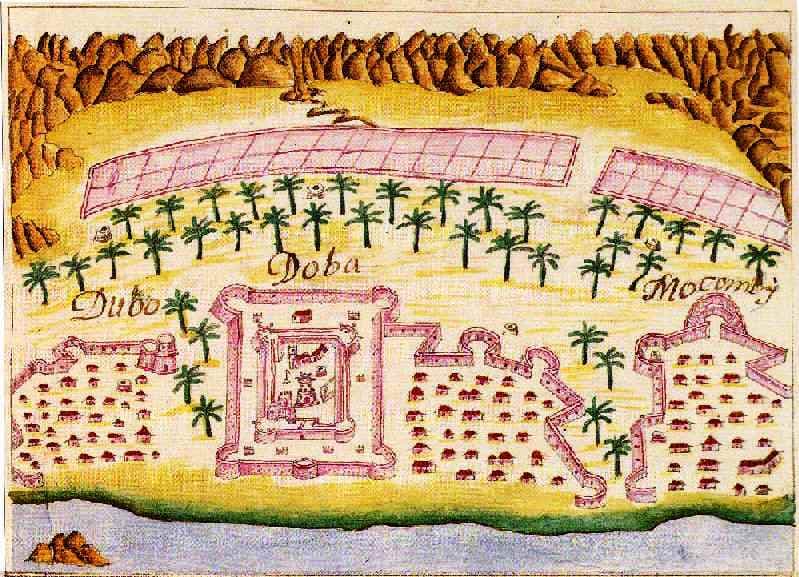
Diba al Hisn fortress is a notable example of a bastioned fortress located in the United Arab Emirates. Although the exact city location remains unspecified, this fortress represents a significant part of the region's historical military architecture. Its design reflects the strategic importance of fortifications in the Arabian Peninsula, particularly during periods of tribal conflicts and external threats.
Architectural features and design
The fortress is characterized by its bastioned walls, which are defensive structures projecting outward from the main enclosure. These bastions allowed defenders to cover adjacent walls with overlapping fields of fire, a common feature in fortifications designed to resist artillery attacks. The walls were likely constructed from local materials such as coral stone, mudbrick, or limestone, typical of fortresses in this region.
While specific details about the internal layout are scarce, bastioned fortresses in the UAE typically include a central courtyard, watchtowers, and gatehouses designed to control access. The bastions themselves would have been equipped with platforms for mounting weapons and providing vantage points for surveillance.
Historical context and significance
The construction of bastioned fortresses like Diba al Hisn was motivated by the need to defend against both local tribal hostilities and incursions by foreign powers. The Arabian Peninsula has a long history of fortifications serving as centers of administration, military defense, and refuge for local populations.
While the exact period of construction for Diba al Hisn fortress is not documented, bastioned fortresses in the UAE generally date from the early modern period, roughly from the 17th century onwards, when gunpowder weaponry necessitated adaptations in fort design. The fortress likely played a role in regional power dynamics and trade route protection.
Preservation and current condition
The current condition of Diba al Hisn fortress is not well documented, but many similar fortresses in the UAE have undergone varying degrees of preservation and restoration efforts. Some remain in ruins, while others have been restored to serve as cultural heritage sites and tourist attractions.
Given the fortress's architectural and historical value, it represents an important cultural asset for understanding the military history and architectural evolution in the United Arab Emirates.
Visiting and cultural importance
Information on public access, visiting hours, and ticketing for Diba al Hisn fortress is not readily available. However, fortresses of this type in the UAE often form part of heritage trails and are promoted for cultural tourism. Visitors to such sites can gain insights into traditional defensive architecture and the historical context of the region.
Exploring Diba al Hisn fortress offers a glimpse into the strategic military thinking and architectural adaptations that shaped the defense systems in the Arabian Peninsula, reflecting broader historical themes of trade, conflict, and cultural exchange.
Frequently asked questions (FAQ)
- What is the historical significance of Diba al Hisn fortress?
- Diba al Hisn fortress served as a strategic bastioned fortress in the United Arab Emirates, reflecting the region's need for defense against tribal conflicts and external threats during the early modern period.
- Can I visit Diba al Hisn fortress?
- Public visiting information for Diba al Hisn fortress is not widely available. Visitors interested in historic fortresses in the UAE should check local tourism resources for access details.
- What architectural features characterize Diba al Hisn fortress?
- The fortress features bastioned walls designed for defense, including projecting bastions that allowed overlapping fields of fire and watchtowers for surveillance.
Photo gallery

Photo by Manuel Godinho de Erédia•Public domain
Information
Loading map...
Visitor reviews
No reviews yet. Been here? Write the first review and help other travelers!
Write the first reviewVisited this castle? Share your experience
Your review helps other travelers and adds first-hand knowledge to our encyclopedia.


