Derbent Fortress
Derbent fortress is a monumental example of ancient military architecture located in the city of Derbent, in the Russian Federation. This fortress complex holds a unique position as one of the oldest continuously fortified sites in the world, with origins tracing back to the early first millennium BCE. Its strategic location between the Caspian Sea and the Caucasus Mountains has made it a critical defensive and commercial gateway connecting the Eurasian steppes to the north with the Iranian Plateau to the south.
The city's history is deeply intertwined with the fortress's evolution. Derbent is often cited as the oldest city in Russia, with archaeological evidence indicating settlement activity dating back over 5,000 years. Historically, it has been a coveted stronghold, changing hands among several empires and cultures, including the Persian Achaemenid Empire, Sassanid Persians, Arab Caliphates, Mongol and Timurid rulers, as well as various local Caucasian dynasties such as the Shirvanshahs.
Historical significance and strategic role
Derbent's fortifications have served as a formidable barrier for more than a millennium and a half, longer than any other known fortress complex still extant today. The city's location on the narrow coastal plain made it a vital military outpost and a key point of control for trade routes, particularly the northern branch of the Silk Road. The fortress was a focal point in the Khazar-Arab Wars during the 7th century, reflecting its importance in regional power struggles.
The fortress was initially a part of the defensive system of Caucasian Albania under Persian suzerainty until the 4th century AD. It later became a principal Sassanid stronghold in the 5th and 6th centuries, serving both military and administrative functions. The site was also significant for religious developments, acting as a center for the spread of Christianity in the Caucasus region during this period.
Architectural features and layout
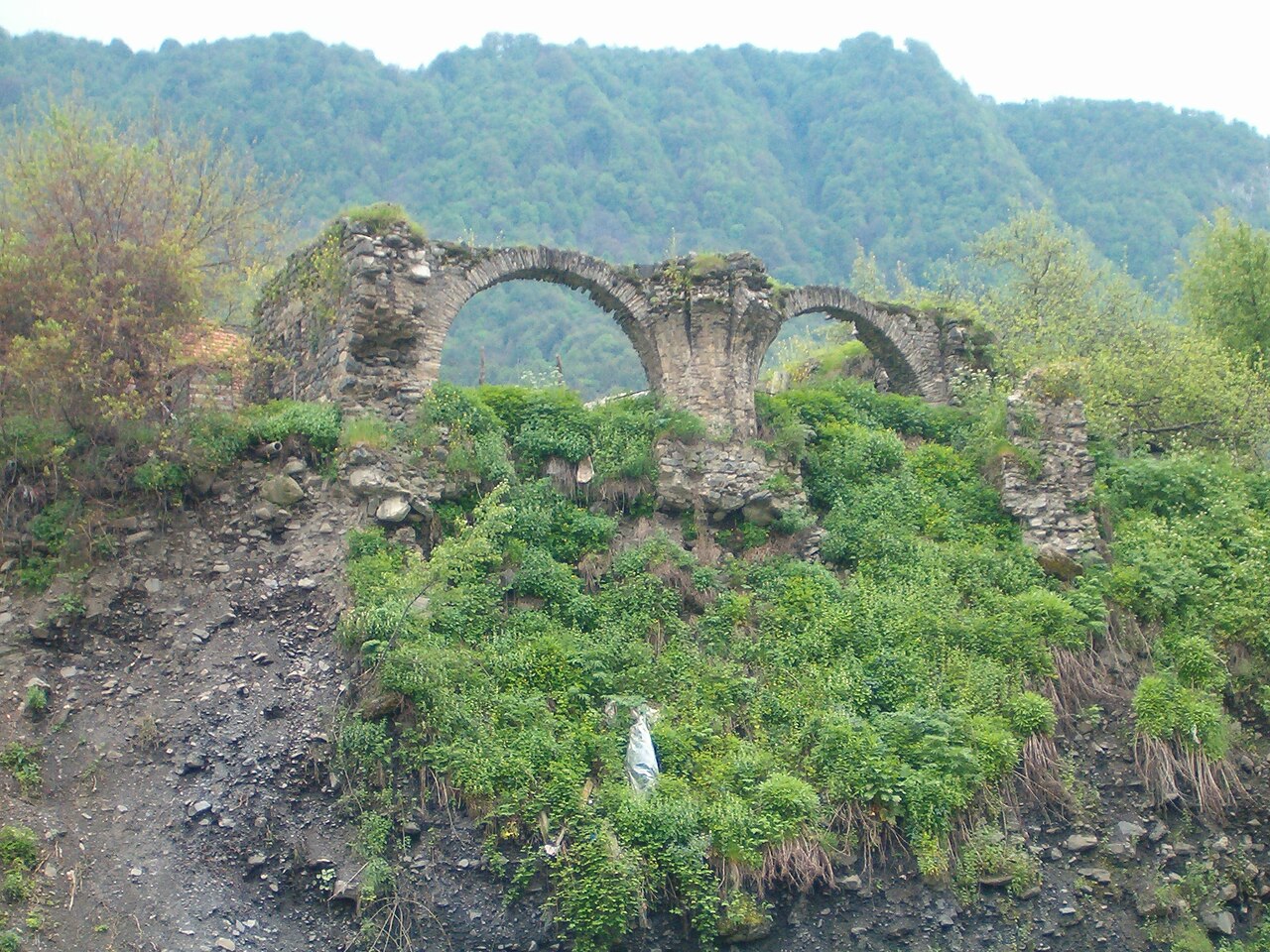
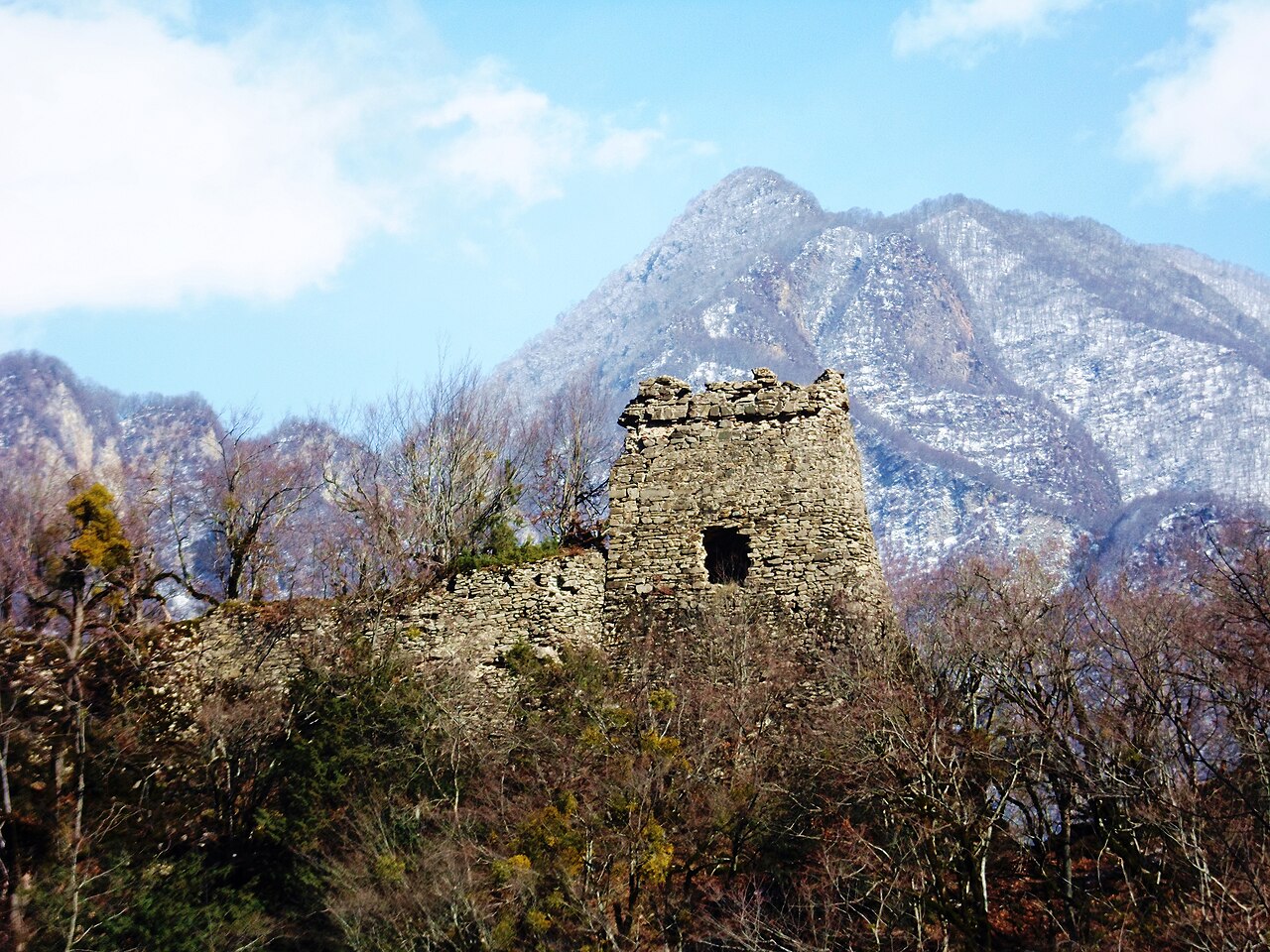
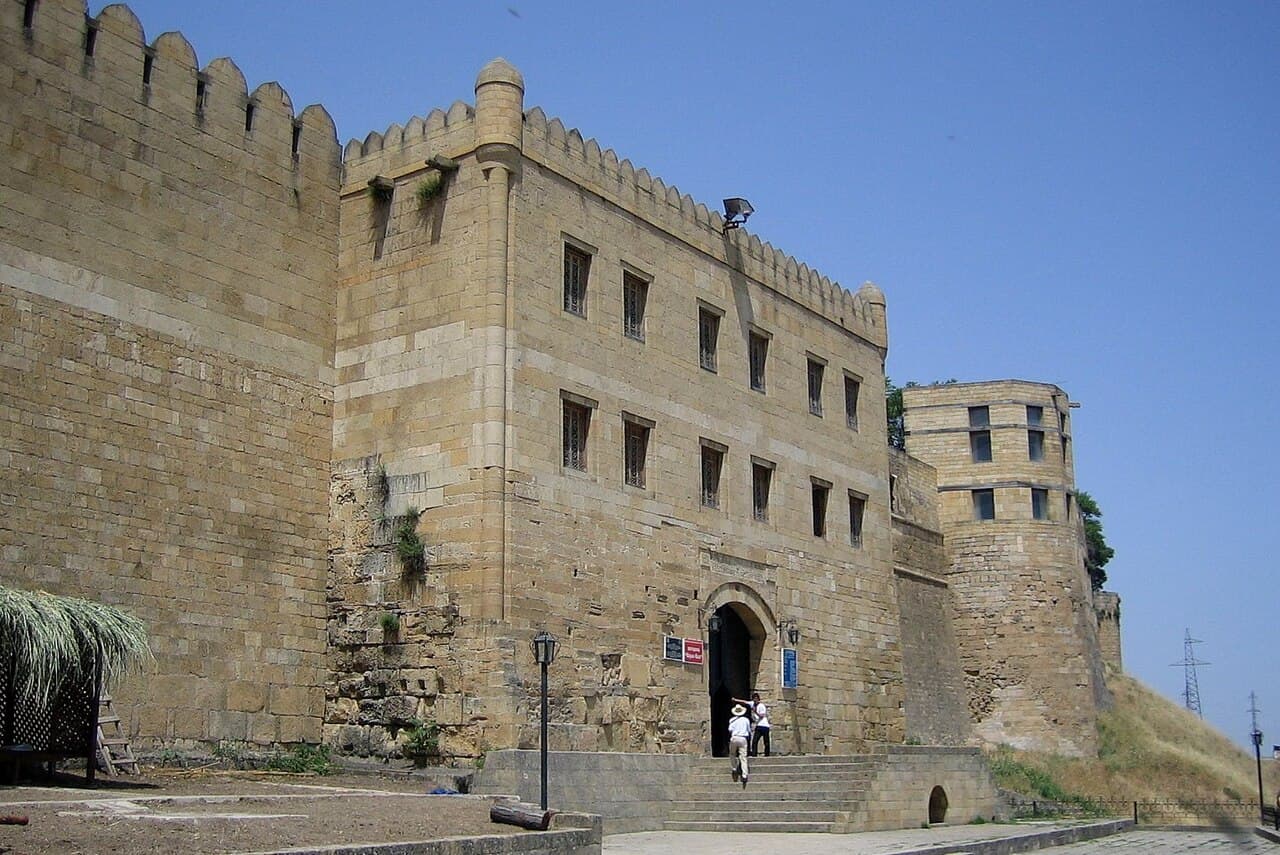
The current visible structure of Derbent fortress primarily dates from the 12th century, reflecting a period of extensive rebuilding and fortification. The fortress complex consists of two parallel defensive walls extending approximately 3.6 kilometers from the sea to the mountains, effectively sealing off the narrow coastal corridor known as the "Caspian Gates." These walls are constructed of stone and originally featured 73 defensive towers, of which many remain partially preserved.
Among the fortress's most prominent features is the Naryn-Kala Citadel, an ancient pre-Arab stronghold that forms the core of the defensive system. The citadel includes remnants of various buildings such as a palace, a church, baths, and one of the oldest mosques in the former Soviet Union. Although many of these structures are now in ruins, they provide valuable insights into the fortress's diverse cultural and religious history.
The fortress's design exemplifies a bastioned fortress style adapted to the local topography, with thick stone walls and numerous towers allowing for overlapping fields of fire and strong defensive capabilities. The fortress also features several gates, with 9 of the original 14 gates still surviving, which controlled access and trade along the coastal route.
Later history and preservation
Derbent fortress remained a strategically important site through the medieval period and well into the modern era, maintaining its military and administrative roles under various rulers. Its significance continued until the 19th century when advances in military technology and shifting political borders reduced its defensive value.
Today, Derbent fortress and the Naryn-Kala Citadel stand as a testament to the region's complex history and cultural interactions. The site was inscribed on the UNESCO World Heritage List in 2003, recognizing its outstanding universal value as a cultural heritage monument. The fortress and its associated structures are protected and partially preserved, attracting scholars, tourists, and heritage enthusiasts interested in ancient fortifications and the history of the Caucasus.
Visiting Derbent fortress
Visitors to Derbent can explore the extensive fortress walls, climb several of the surviving towers, and visit the Naryn-Kala Citadel ruins. The site offers panoramic views of the Caspian Sea and the surrounding landscape, highlighting the fortress's strategic placement. Interpretive signage and guided tours provide insights into the fortress's history, architecture, and the various cultures that have influenced its development.
The fortress's combination of military architecture, religious buildings, and urban fortifications makes it a unique cultural landmark. Its preservation allows for a tangible connection to the diverse historical epochs that shaped the Caucasus region and its role as a crossroads between Europe and Asia.
Frequently asked questions (FAQ)
- What is the historical significance of Derbent fortress?
- Derbent fortress has served as a strategic military and trade gateway between the Eurasian steppes and the Iranian Plateau for over 1,500 years, controlling the narrow coastal corridor known as the Caspian Gates.
- When was Derbent fortress primarily built?
- The current visible structure of Derbent fortress primarily dates from the 12th century, although the site has fortifications dating back to earlier periods.
- Can visitors explore the Naryn-Kala Citadel?
- Yes, visitors can explore the Naryn-Kala Citadel, which includes ruins of a palace, church, baths, and one of the oldest mosques in the former USSR.
- How long are the fortress walls?
- The fortress walls stretch approximately 3.6 kilometers from the Caspian Sea to the Caucasus Mountains, featuring 73 defensive towers originally.
- Is Derbent fortress recognized by UNESCO?
- Yes, Derbent fortress and the old city were inscribed on the UNESCO World Heritage List in 2003 for their outstanding cultural and historical value.
Photo gallery

Information
Current owner
Russian Federation
Loading map...
Visitor reviews
No reviews yet. Been here? Write the first review and help other travelers!
Write the first reviewVisited this castle? Share your experience
Your review helps other travelers and adds first-hand knowledge to our encyclopedia.