Derawar Fort — Pakistan castle

Derawar Fort

Derawar Fort: bastioned fortress in the Cholistan Desert, Pakistan
Early Medieval (5th–10th c.)
Well Preserved

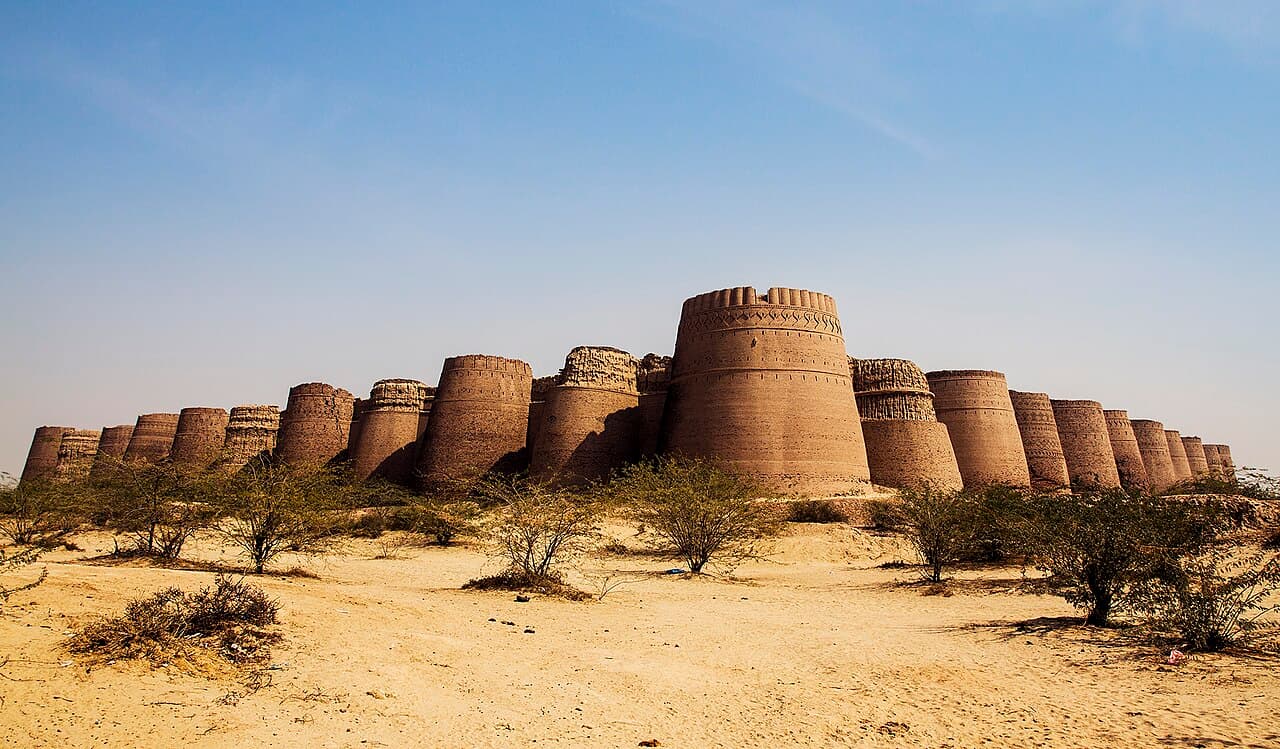
Derawar Fort is a monumental bastioned fortress located in the Cholistan Desert of Punjab, Pakistan, within the Yazman Tehsil of the Bahawalpur District. This imposing structure lies about 20 kilometers south of Ahmedpur East city, and its massive fortification walls with a perimeter of approximately 1500 meters and towering height of up to 30 meters dominate the flat desert landscape. The fort’s fortified walls and fortress bastions are visible from miles around, making it a striking landmark in the region.

Architectural features and design

The fort is renowned for its fortification system consisting of forty bastions arranged along the perimeter walls. These bastions are large, circular defensive towers that were designed to provide overlapping fields of fire and to strengthen the fort’s defense against invaders. The walls themselves are constructed from brick and lime mortar, materials typical of the region and period, and have survived centuries of harsh desert conditions.

The fort’s design reflects the military architectural principles of the early medieval period, emphasizing defense and control over the surrounding territory. The walls are punctuated by narrow arrow slits and larger gates that allowed for controlled access. The imposing height of the walls, reaching up to 30 meters, served both as a deterrent and a vantage point for spotting approaching enemies.

Historical background and significance

While the exact origins of Derawar Fort trace back to the 9th century, it was rebuilt and expanded by the Rajput Bhatti clan in the 18th century, who ruled the region and used the fort as a stronghold. The fort's strategic location in the Cholistan Desert allowed it to control trade routes and defend against invasions from rival tribes and empires.

Derawar Fort has witnessed numerous historical events and changes in control, reflecting the turbulent history of the region. Its massive walls and bastions have stood through sieges and battles, symbolizing the resilience and military importance of the fortress throughout centuries.

Cultural and touristic importance

Today, Derawar Fort is a significant cultural heritage site in Pakistan, attracting visitors interested in history, architecture, and desert landscapes. The fort’s massive walls and bastions provide a glimpse into the military architecture of the early medieval period in South Asia.

Visitors can explore the fort’s expansive courtyards and remnants of interior structures, gaining insight into the lifestyle and defense strategies of its historical inhabitants. The fort’s location in the Cholistan Desert also offers a unique experience of the desert environment and traditional local culture.

Preservation and condition

Derawar Fort remains well preserved despite its age and exposure to desert conditions. Restoration efforts have been undertaken to maintain the structural integrity of the walls and bastions, ensuring the fort’s survival for future generations. Its preservation allows for continued study and appreciation of its architectural and historical significance.

Architectural comparison and influence

The fort’s bastioned design is characteristic of military architecture in the region during the early medieval period, combining practical defensive features with the imposing visual presence intended to assert control over the landscape. Its design influenced other fortifications in the area, demonstrating the strategic importance of such structures in controlling desert trade routes and regional power dynamics.

Frequently asked questions (FAQ)

How do I get to Derawar Fort?
Derawar Fort is located in the Bahawalpur District of Punjab, Pakistan. The nearest major city is Bahawalpur, which is approximately 48 kilometers away. You can reach the fort by hiring a taxi or joining a guided tour that often includes transportation.
What is the historical significance of Derawar Fort?
Derawar Fort has a rich history that dates back to the 9th century and was originally built by the Bhatti Rajputs. It has played a significant role in the defense of the region and is a prominent symbol of the area's heritage. The fort's impressive structure and historical importance make it an essential site for understanding the history of the Punjab region.
When was Derawar Fort built?
Derawar Fort was built in the 9th century, although it has undergone various renovations and restorations over the centuries. It was significantly expanded by Nawab Muhammad Bahawal Khan II in the 18th century, which contributed to its current grandeur. The fort's architecture reflects the military prowess and aesthetic sensibilities of its time.
Can I visit Derawar Fort year-round?
Yes, Derawar Fort is open to visitors throughout the year. However, the best time to visit is during the cooler months from October to March, when the weather is more pleasant for exploring the fort. Be sure to check local conditions and any potential travel advisories before planning your trip.
Why is the architecture of Derawar Fort unique?
The architecture of Derawar Fort is unique due to its massive structure, which features 40 bastions and a distinctive square shape. The fort is built with a striking yellow brick that blends beautifully with the surrounding desert landscape. Its design showcases the blend of military functionality and aesthetic beauty typical of the forts built during its era.
Is it possible to explore the interior of Derawar Fort?
Yes, visitors can explore the interior of Derawar Fort, which includes various rooms, corridors, and the impressive walls. While some areas may be in ruins, the fort still offers a fascinating glimpse into its past. Be sure to bring a guide or join a tour to gain deeper insights into the fort's history and architecture.
What are the opening hours for Derawar Fort?
Derawar Fort is typically open to visitors from sunrise to sunset. However, it's advisable to check local sources or contact tourism offices for any updates on opening hours, especially during religious holidays or events. Arriving early in the day can enhance your experience by allowing more time to explore the fort.
Are there any ticket prices for entering Derawar Fort?
Yes, there is a nominal entrance fee for visiting Derawar Fort, which helps in the maintenance and preservation of the site. The ticket prices are generally affordable, making it accessible to a wide range of visitors. Be sure to carry cash as card payment options may not be available at the site.
What nearby attractions can I visit while at Derawar Fort?
While visiting Derawar Fort, you can also explore the nearby Bahawalpur city, known for its beautiful palaces and parks. The Lal Suhanra National Park is another nearby attraction, offering opportunities for wildlife viewing and nature walks. These sites complement your visit to the fort and provide a broader understanding of the region's culture and natural beauty.

Photo gallery

Derawar Fort
Click to view

Photo by Rohaan Bhatti•CC BY-SA 3.0

1 photo • Click any image to view in full screen

Information

Bastioned Fortress

Loading map...

Visitor reviews

No reviews yet. Been here? Write the first review and help other travelers!

Write the first review

Visited this castle? Share your experience

Your review helps other travelers and adds first-hand knowledge to our encyclopedia.
Write a review

(5/5)

0/2000 characters

Your review will be visible after admin approval

Nearby castles

210.3 km
The Ancient Hill Fort of the 'Golden City' — India castle

The Ancient Hill Fort of the 'Golden City'

Jaisalmer, India

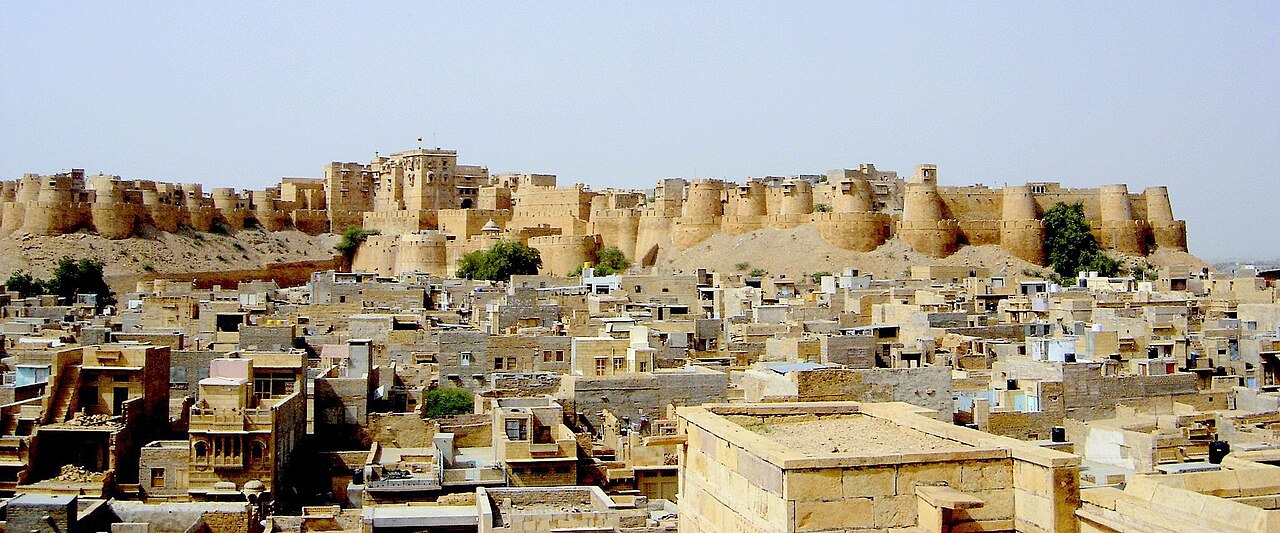
Jaisalmer Fort, often called the "Golden City," is a remarkable example of medieval Indian fort architecture located in the heart of the Thar Desert in Rajasthan. Constructed in the 12th century by the Rajput ruler Rawal Jaisal, this hill castle stands out for its unique construction from the region's golden-hued Jurassic sandstone. The fort's radiant sandstone walls glow warmly under the desert sun, creating an enchanting visual effect that has earned it its evocative nickname. Unlike many other historic forts, Jaisalmer Fort is a living fort, with approximately 3,000 residents still inhabiting the complex. This continuous habitation since its founding makes it the oldest continuously inhabited fort in India and the second-oldest in Rajasthan. Its strategic location atop a hill provided a commanding view of the surrounding desert, crucial for defense and trade control. Architectural design and fortifications The fort's architecture reflects its dual purpose as both a defensive stronghold and a thriving urban center. The double-fortified ramparts and circular bastions are key defensive features designed to withstand sieges and attacks. The walls, built thick and high, incorporate numerous watchtowers and battlements, allowing defenders to monitor and repel enemies effectively. Within the fort, narrow winding lanes lead through a maze of buildings, including palatial residences, temples, and markets. The fort's layout is a fine example of Rajput military architecture, blending functionality with aesthetic appeal. The golden sandstone and its impact The use of the local golden sandstone not only gives the fort its distinctive color but also contributes to its resilience against the harsh desert climate. The stone's natural properties help regulate temperature, keeping interiors cool during the day and warm at night. This material choice is a testament to the builders' ingenuity and deep understanding of their environment. Historical significance and cultural heritage Jaisalmer Fort was built at a time when the region was a vital hub on ancient trade routes, including branches of the Silk Road. This strategic position brought wealth and cultural exchange, which is evident in the fort's richly decorated havelis and merchant houses. These structures feature intricate carvings and detailed facades, showcasing the craftsmanship of the period. The fort has witnessed numerous battles and sieges over the centuries, reflecting the turbulent history of Rajasthan. Its robust defenses allowed it to withstand attacks from rival kingdoms and invaders, preserving its status as a formidable stronghold. Life within the fort Today, the fort remains a vibrant community where residents maintain traditional lifestyles alongside tourism. The blend of ancient architecture with modern life creates a unique atmosphere rarely found in other historic forts. Visitors can explore bustling markets, ancient temples, and beautifully preserved homes, gaining insight into centuries-old customs and traditions. Preservation and tourism Jaisalmer Fort is recognized as a cultural treasure and is protected under heritage conservation laws. Efforts to preserve its structural integrity and historical authenticity continue, balancing the needs of its residents with those of tourism. The fort attracts visitors worldwide, drawn by its striking appearance, rich history, and the allure of the desert landscape. Visitors are advised to explore the fort during daylight hours to fully appreciate the intricate details of its architecture and the panoramic views of the desert. The best time to visit is during the cooler months from October to March, when the weather is more comfortable. Nearby attractions Patwon Ki Haveli: A cluster of five havelis known for their elaborate carvings and architecture. Salim Singh Ki Haveli: Famous for its distinctive roof shaped like a peacock. Desert Safari: Experience the vast Thar Desert with camel rides and cultural performances.

High Medieval (11th–13th c.)
Details
211 km
Junagarh Fort — India castle

Junagarh Fort

Bikaner, India

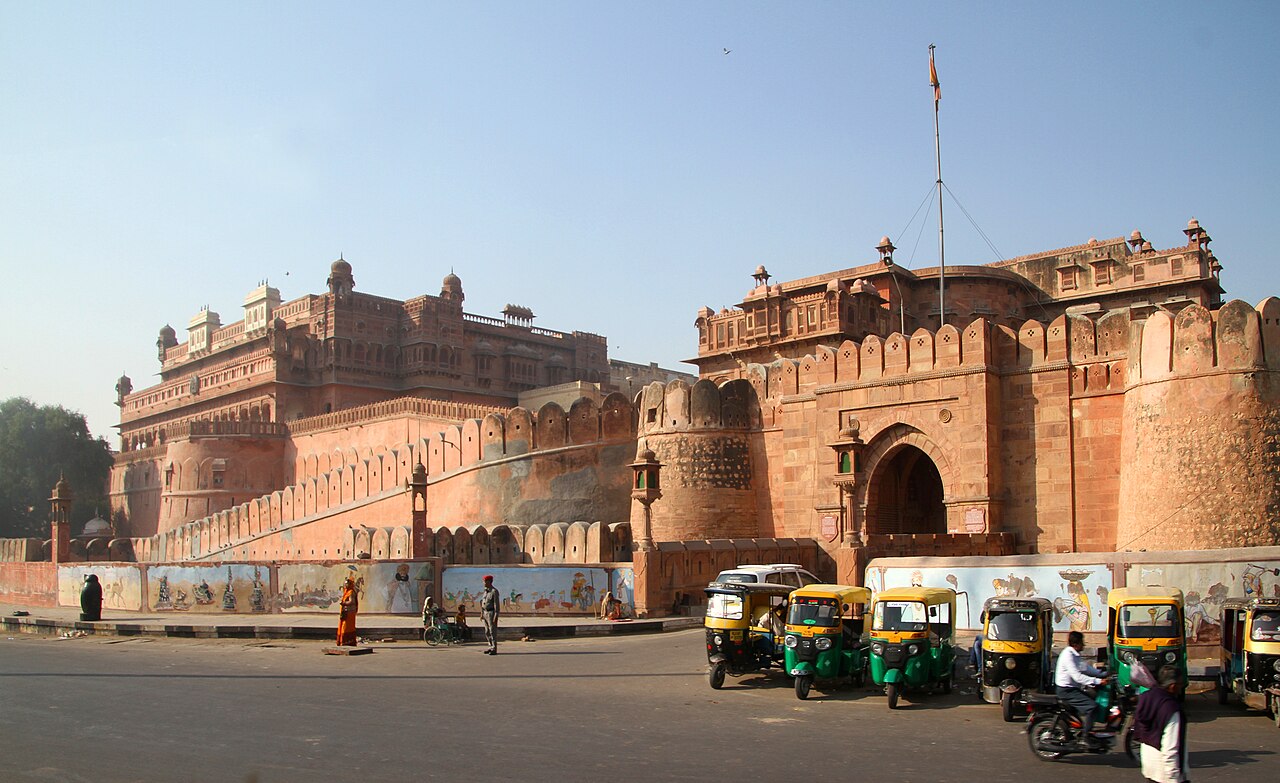
Junagarh Fort is a prominent bastioned fortress located in the city of Bikaner, in the northwestern Indian state of Rajasthan. Unlike many other forts in Rajasthan, it is one of the few major forts constructed on the plains rather than on a hilltop, which is a distinctive feature in the region's military architecture. The fort's strategic position within the city has allowed Bikaner to develop around it, making it a central historical and cultural landmark. The fort was originally named Chintamani but was renamed Junagarh, meaning "Old Fort," in the early 20th century after the ruling family relocated to the Lalgarh Palace outside the fort's limits. Despite this move, members of the royal family's cadet branch continued to reside within the fort precincts, maintaining its status as a living heritage site. Construction and architectural features The construction of Junagarh Fort was overseen by Karan Chand, the Prime Minister of Raja Rai Singh, the sixth ruler of Bikaner, who reigned from 1571 to 1611 AD. The fort's walls and moat were built between 1589 and 1594, marking it as a significant military structure of the 16th century. This period aligns with the Renaissance era in a global context, though the fort's style is deeply rooted in Indian and Rajput architectural traditions rather than European Renaissance aesthetics. Junagarh Fort is classified as a bastioned fortress, characterized by its robust defensive walls equipped with bastions designed for artillery defense. The fort's perimeter is fortified with massive walls and a deep moat, which historically served as formidable obstacles against invading forces. The moat is an important feature, enhancing the fort's defensive capabilities on the flat terrain where it stands. Palaces and internal structures Within the 5.28-hectare fort precinct lies a complex of palaces, temples, and pavilions that showcase a remarkable fusion of architectural styles. These buildings reflect a composite culture, combining elements of Mughal, Rajput, Gujarati, and even Persian influences. The intricate carvings, frescoes, and jharokhas (overhanging enclosed balconies) are notable features of the palatial structures. Among the most famous palaces inside the fort are the Anup Mahal, Phool Mahal, and Karan Mahal. The Anup Mahal served as the main court and audience hall, richly decorated with murals and mirror work. The Phool Mahal is renowned for its floral decorations and delicate latticework, while the Karan Mahal was the residence of the prime minister and features a blend of Rajput and Mughal architectural details. Temples and religious sites The fort complex also houses several important temples, including the Laxmi Narayan Temple and the Har Mandir. The Laxmi Narayan Temple is dedicated to the Hindu deities Lakshmi and Vishnu and is known for its ornate carvings and religious significance. The Har Mandir is a temple devoted to Lord Shiva and reflects the spiritual life that was integral to the fort's inhabitants. Historical significance and military history Junagarh Fort has a rich history of military resilience. Despite facing numerous attacks from enemies who sought to capture it, the fort was never successfully taken by force. The only recorded exception was a brief, one-day occupation by Kamran Mirza, the second son of the Mughal Emperor Babur, who attacked Bikaner in 1534. At that time, the fort was under the rule of Rao Jait Singh. This event predates the construction of the current fort walls but is part of the broader defensive history of the site. The fort's defenses, including its bastioned walls and moat, were designed to withstand the evolving warfare tactics of the late 16th century, including artillery assaults. The fort's ability to resist sieges and attacks is a testament to the advanced military architecture and strategic planning of its builders. Cultural heritage and present-day status Today, Junagarh Fort stands as a well-preserved monument and a major tourist attraction in Rajasthan. It offers visitors a glimpse into the lifestyle and governance of the Bikaner royal family during the late medieval period. The fort is managed as a heritage site, with ongoing efforts to maintain and restore its architectural and artistic treasures. The fort's location within the modern city of Bikaner allows for easy access, and its museums and galleries display artifacts, royal costumes, and historical documents related to the region's history. The fort's blend of architectural styles and its role in regional politics make it an important subject of study for historians and architects alike.

Renaissance (15th–17th c.)
Details
267.7 km
Bukkur — Pakistan castle

Bukkur

, Pakistan

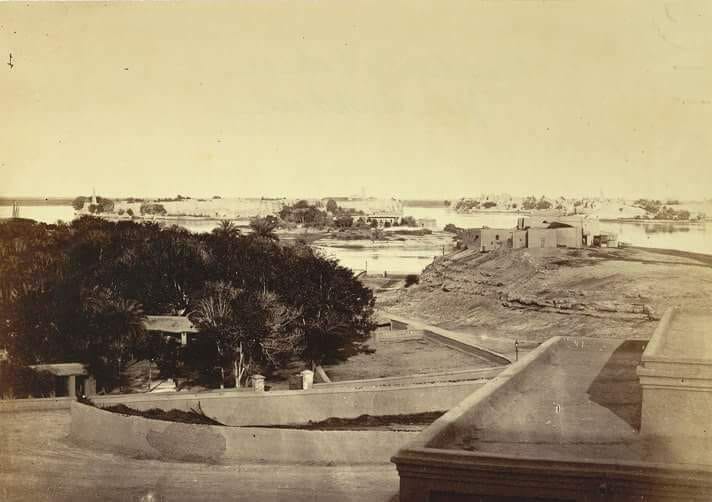
Bukkur Fort, also known as Bhakkar Fort, is a historic island fortress situated in the Indus River between the cities of Rohri and Sukkur in the Sindh province of Pakistan. This hill castle occupies a strategic position on an island, historically controlling riverine trade and military movements along the Indus. The fort's location on an island made it a natural defensive stronghold, surrounded by water which served as a moat-like barrier against invaders.The fort is often referred to as "Old Sukkur," reflecting its historical prominence in the region long before the modern city of Sukkur developed on the riverbank. Bukkur has been a significant military and trading post for centuries, witnessing various rulers and empires that shaped the history of Sindh and the greater Indus Valley.Historical significance and strategic locationBukkur Fort'sThe fort's location between Rohri and Sukkur placed it at the crossroads of important caravan routes and river navigation channels, making it a key military asset for controlling commerce and movement along the Indus River.Architectural features and constructionBukkur Fort is characterized by its hill castle classification, given its elevated position on an island, which provides natural defense. The fortifications include robust stone walls that enclose the island, with remnants of bastions and defensive towers designed to repel attackers. The walls are constructed from locally sourced stone and mortar, typical of fortifications in the Sindh region.The fort's design reflects adaptations to its unique island setting, with limited access points that would have been heavily fortified. The presence of water around the fort enhanced its defensive capabilities, reducing the need for extensive outer walls on all sides.Defensive structuresThe fort likely featured gates reinforced with heavy wooden doors and iron fittings, guarding the few landings where boats could dock. Defensive towers and bastions provided vantage points for lookouts and archers. The elevated position on the island also allowed defenders to monitor movements along the river and surrounding plains.Historical timeline and rulersWhile precise construction dates for Bukkur Fort are not well documented, it is known to have existed during the medieval period and was significant during the Mughal era. The fort was part of the defensive network in Sindh, witnessing control by various dynasties including the Mughals and local Sindhi rulers.Throughout its history, Bukkur Fort served as a military garrison and administrative center, reflecting the shifting dynamics of power in the region. Its control was contested during periods of conflict, including tribal skirmishes and larger imperial campaigns.Cultural and heritage importanceBukkur Fort holds cultural significance as a symbol of Sindh's historical resilience and strategic importance in South Asia. It is a testament to the region's rich history of riverine trade and military architecture adapted to unique geographical conditions.Today, the fort remains a site of archaeological interest, attracting historians and tourists interested in the military history of the Indus Valley. Preservation efforts are limited, and the fort's condition reflects the challenges of maintaining such island fortifications in a riverine environment.Visiting bukkur fortAccess to Bukkur Fort requires boat transportation due to its island location. Visitors can explore the ruins and observe the defensive walls and remaining structures that hint at its former strength. The fort's remote setting offers a unique glimpse into the historical landscape of Sindh along the Indus River.Due to limited facilities and preservation, visitors should prepare accordingly and consider guided tours to fully appreciate the fort's historical context and architectural features.

Details