Dęblin Fortress
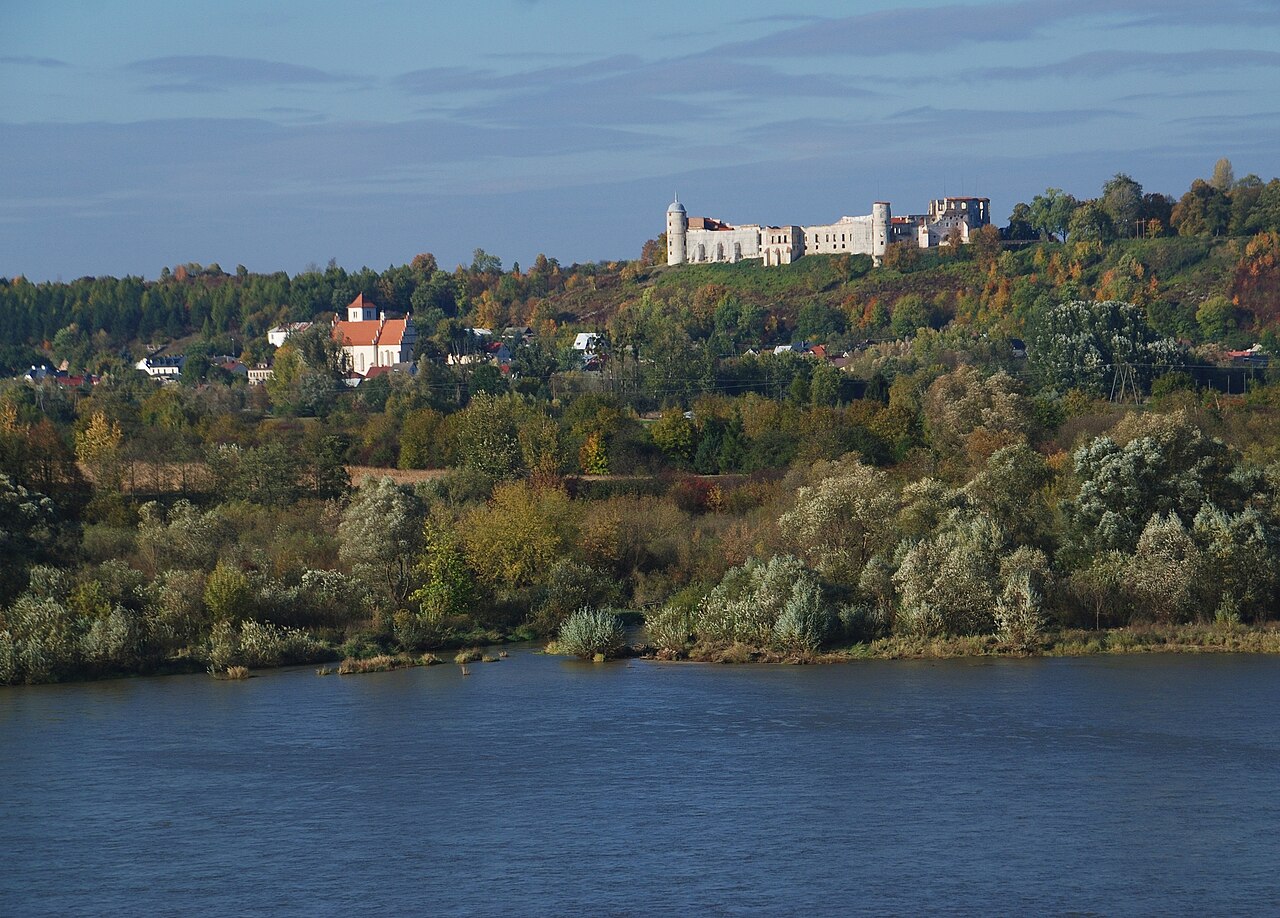
Dęblin Fortress, originally known as Ivangorod Fortress (Russian: Ивангородская крепость), is a significant 19th-century bastioned fortress located in the town of Dęblin, Poland. Constructed during the modern period, this fortress exemplifies military architectural advancements of its time, designed primarily for defense and strategic control.
Historical background and strategic importance
The fortress was built in the 19th century as part of the Russian Empire's efforts to strengthen its western borders. Situated at the confluence of the Vistula and Wieprz rivers, Dęblin's location was chosen for its strategic value in controlling river crossings and important transportation routes. The fortress played a crucial role in regional military defense and was part of a broader network of fortifications designed to protect the empire's interests.
Originally named Ivangorod Fortress, the site was renamed after Poland regained independence. Throughout its history, Dęblin Fortress witnessed various military engagements and served different armies, reflecting the shifting political landscape of the region.
Architectural layout and bastioned design
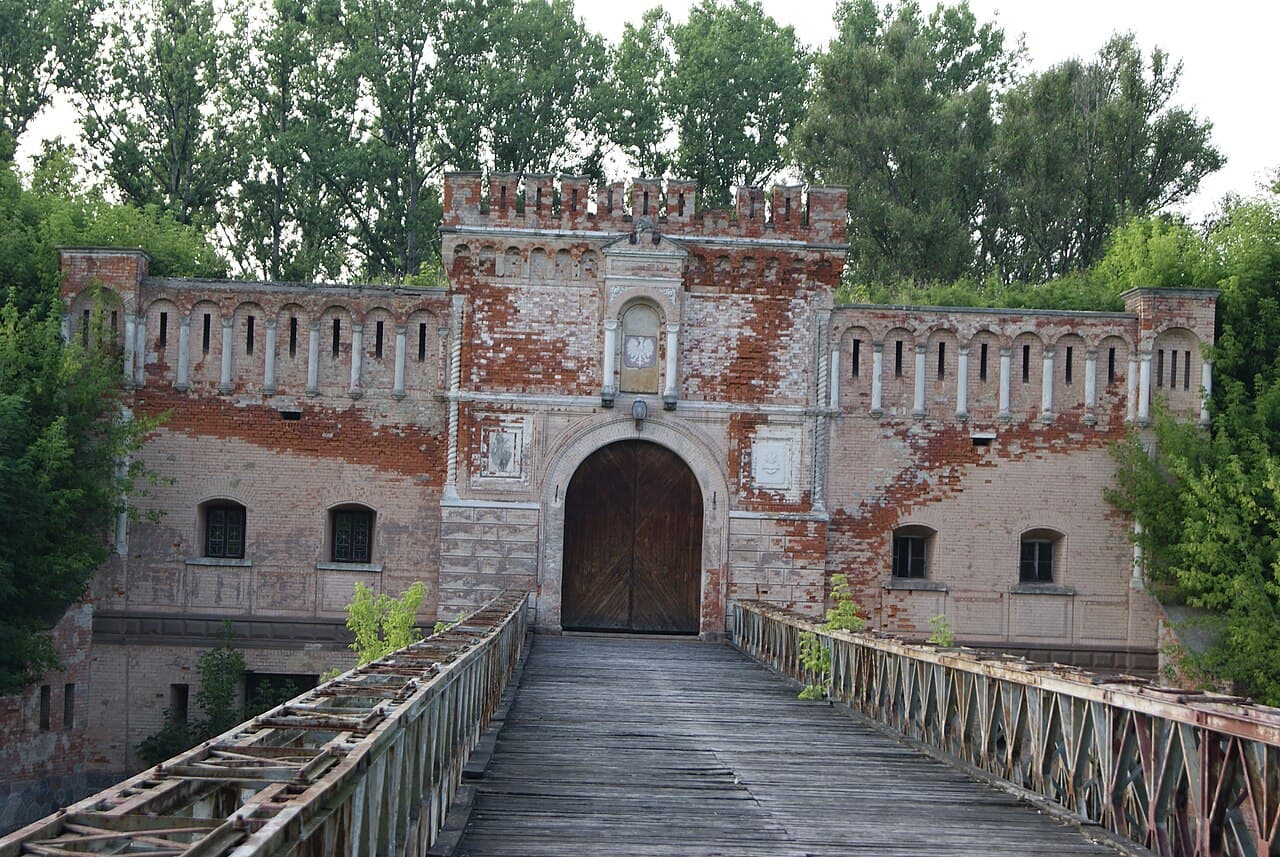
Dęblin Fortress is classified as a bastioned fortress, a style characterized by angular bastions projecting from the main walls, allowing defenders to cover adjacent walls with overlapping fields of fire. This design was a response to the evolution of artillery and siege warfare in the late 18th and 19th centuries.
The fortress complex includes thick defensive walls, moats, and multiple bastions arranged to maximize defensive coverage. The layout reflects principles of fortification engineering that aimed to withstand prolonged sieges and artillery bombardment. Key features include ravelins and hornworks, which serve as outworks to delay attackers and protect the main walls.
Internal structures and facilities
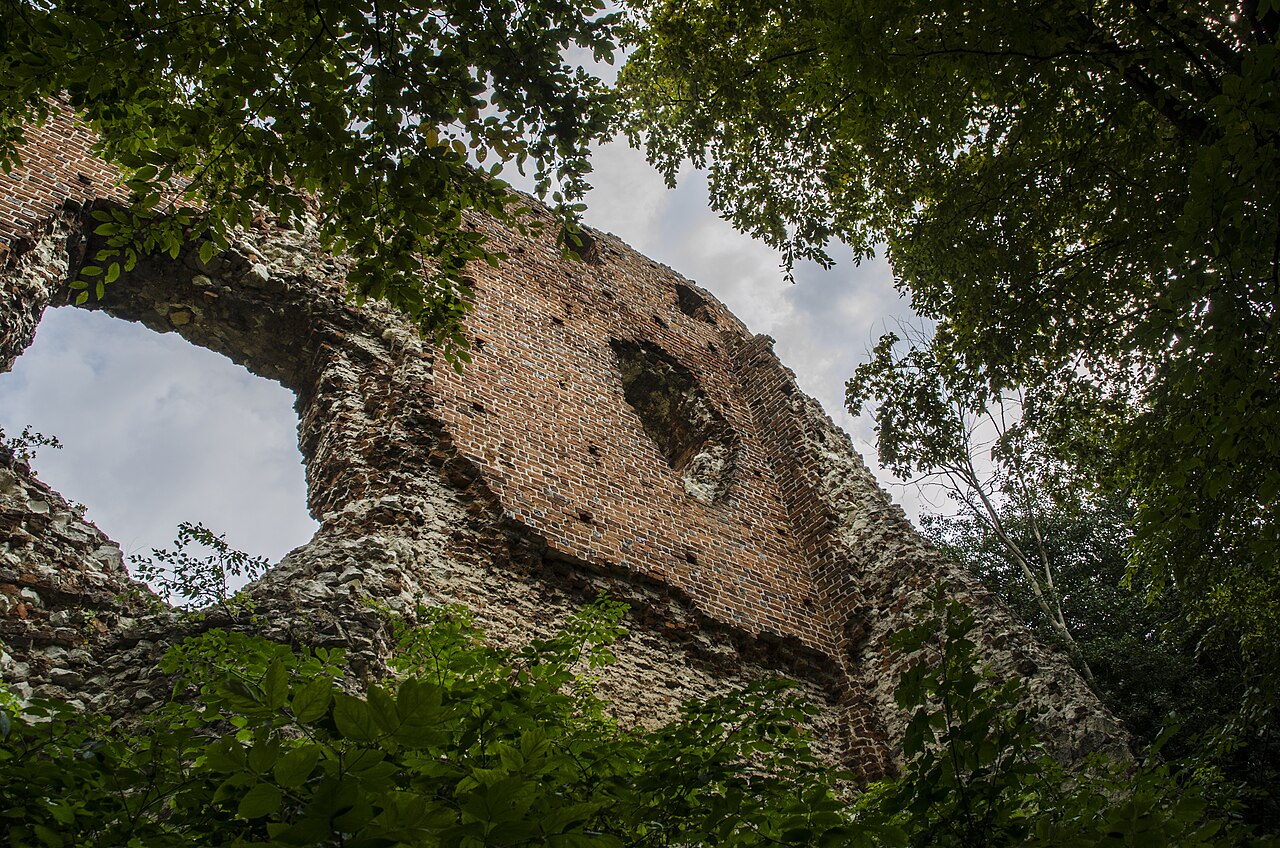
Within the fortress, there are various military buildings such as barracks, for ammunition storage, officers' quarters, and command posts. These structures were designed to support the garrison's operational needs during both peace and wartime. The fortress also contains underground passages and casemates that provided shelter and facilitated the movement of troops and supplies under fire.
Role during conflicts and later use
Dęblin Fortress was actively used in several conflicts, including World War I and World War II. Its robust construction allowed it to serve as a defensive stronghold and a military base. During World War II, the fortress was occupied by German forces and later by the Soviet army, reflecting its continued strategic importance.
After the wars, parts of the fortress were adapted for modern military use by the Polish armed forces. Today, a portion of the fortress functions as a museum, preserving its historical legacy and educating visitors about its military significance.
Preservation and public access
The fortress is currently owned by the Polish military, which maintains the site. The museum section is open to the public, offering exhibitions on the fortress's history, military architecture, and the broader historical context of the region. Visitors can explore the preserved bastions, walls, and internal buildings, gaining insight into 19th-century fortification techniques and military life.
Efforts to preserve the fortress focus on maintaining its structural integrity while facilitating educational and cultural activities. The site is an important heritage landmark that attracts historians, architecture enthusiasts, and tourists interested in military history.
Frequently asked questions (FAQ)
- What is the historical significance of Dęblin Fortress?
- Dęblin Fortress was built in the 19th century by the Russian Empire to protect strategic river crossings and transport routes. It played key roles in both World Wars and reflects military architectural advances of its era.
- Can I visit Dęblin Fortress today?
- Yes, part of the fortress operates as a museum open to the public. Visitors can explore bastions, walls, and military buildings while learning about its history.
- What architectural style characterizes Dęblin Fortress?
- The fortress is a bastioned fortress featuring angular bastions, moats, and ravelins designed to maximize defense against artillery and sieges.
- Who owns Dęblin Fortress currently?
- The fortress is currently owned and maintained by the Polish military, which also manages the museum section open to visitors.
- When was Dęblin Fortress constructed?
- Construction took place during the 19th century as part of the Russian Empire's western defensive network.
Photo gallery

Information
Current owner
Polish military
Loading map...
Visitor reviews
No reviews yet. Been here? Write the first review and help other travelers!
Write the first reviewVisited this castle? Share your experience
Your review helps other travelers and adds first-hand knowledge to our encyclopedia.