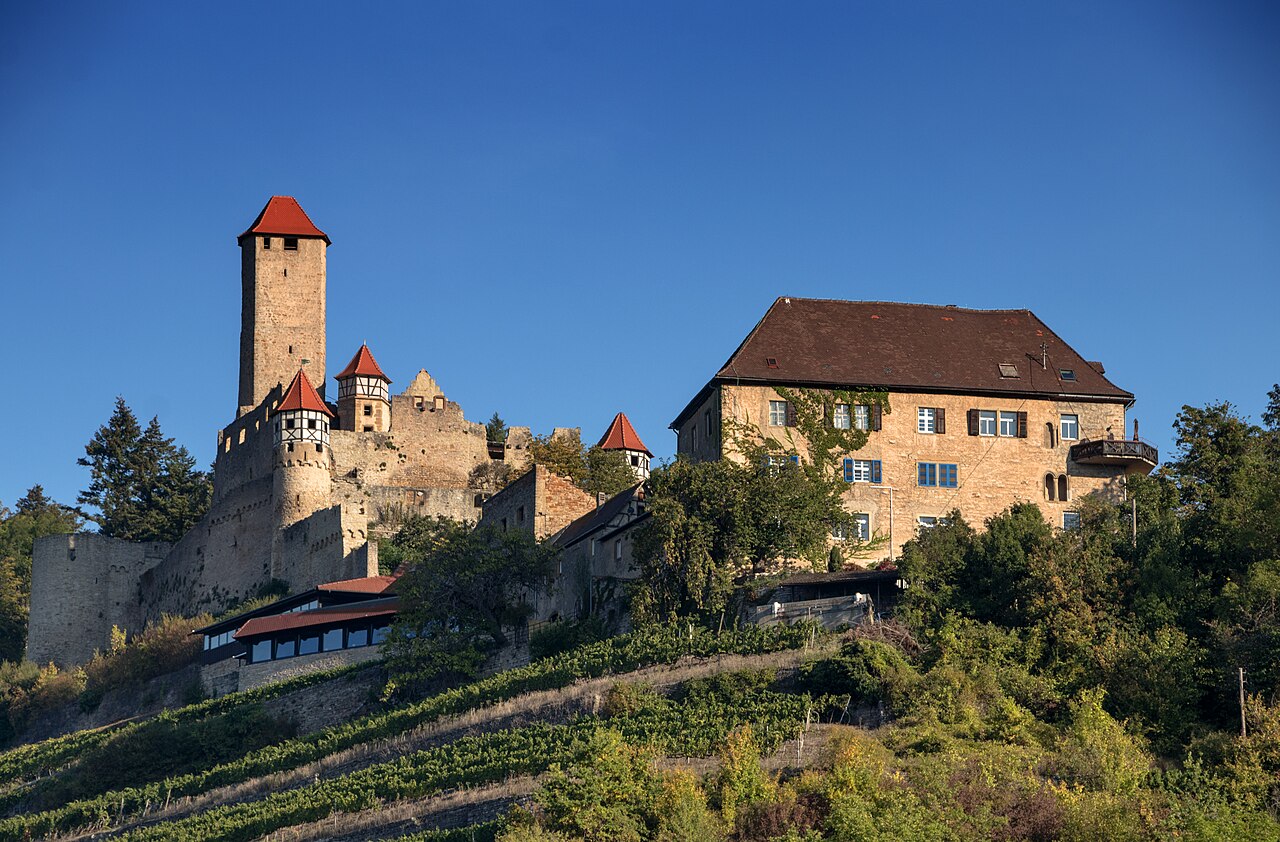
Dauchstein Castle Ruins
Dauchstein castle ruins are located near Binau, Germany, representing a significant relic from the High Medieval period. Constructed around 1030, the castle originally served as a toll station for the influential Hohenstaufen family, a dynasty that played a crucial role in the Holy Roman Empire during the 12th and 13th centuries. The castle's strategic position allowed it to control important trade routes along the Neckar River valley, collecting tolls and securing the family's territorial interests.
Historical context and significance
The High Medieval era saw the rise of numerous castles across the German lands, often commissioned by noble families to assert control over territories and trade. Dauchstein castle was part of this network of fortifications, reflecting the feudal system and the economic strategies of the period. The Hohenstaufen family, known for producing emperors such as Frederick Barbarossa, used castles like Dauchstein to consolidate power and influence.
Over time, as the political and military landscape evolved, the castle's role diminished. The construction of a newer residential castle nearby shifted the center of power and habitation, leading to Dauchstein's gradual abandonment. This transition illustrates the changing needs and tastes of medieval nobility, moving from purely defensive structures to more comfortable and representative residences.
Architectural features and layout
Today, the remains of Dauchstein castle primarily consist of a surviving tower, while other buildings lie in ruins. Originally, the castle would have included a keep or donjon serving as the main defensive stronghold and residence. Surrounding this, there would have been various outbuildings such as a gatehouse, courtyards, and possibly a moat or defensive walls typical of High Medieval fortifications.
The surviving tower likely functioned as a lookout and last refuge during attacks. Its construction would have featured thick stone walls, narrow windows for archers, and battlements for defense. The castle's position on elevated terrain would have enhanced its defensive capabilities, enabling control over the surrounding landscape and river traffic.
Construction techniques and materials
The castle was built using locally sourced stone, a common practice in medieval castle construction to ensure durability and defense. The masonry techniques of the early 11th century emphasized robust walls and minimal decorative elements, focusing on functionality. The tower's remaining structure provides insight into these early medieval building methods, with evidence of stone blocks carefully fitted together and mortar binding.
Decline and current condition
Following the erection of a newer residential castle, Dauchstein castle lost its strategic importance and was eventually abandoned. Without maintenance, the buildings fell into decay, and natural elements contributed to their deterioration. Today, the site is classified as ruins, with only the tower standing in a partially preserved state.
The ruins offer valuable archaeological and historical information about early medieval castle construction and feudal systems. Preservation efforts focus on maintaining the remaining structures to prevent further degradation while allowing visitors to explore the site.
Visiting Dauchstein castle ruins
The ruins are accessible to the public, providing a glimpse into the region's medieval past. Visitors can explore the surviving tower and the surrounding area, which offers scenic views of the Neckar valley. Interpretive signs and local guides may provide additional historical context during visits.
Due to the site's condition, visitors should exercise caution when navigating the uneven terrain and remaining structures. The castle's location near Binau makes it a worthwhile stop for those interested in medieval architecture and German history.
The castle's place in regional heritage
Dauchstein castle is an important cultural landmark within the Baden-Württemberg region. It reflects the medieval power dynamics and architectural practices of the period. The ruins contribute to the understanding of the Hohenstaufen family's influence and the development of castle-building techniques in southwestern Germany.
Efforts to study and preserve the site continue to enhance its value as a historical resource and tourist attraction, connecting modern visitors with the medieval past of the Neckar valley.
Frequently asked questions (FAQ)
- How do I get to Dauchstein Castle Ruins?
- Dauchstein Castle Ruins are located in Binau, Germany, easily accessible by car or public transport. If you're driving, take the B37 road and follow the signs to Binau. For public transport, check local bus schedules that connect to nearby towns.
- What is the historical significance of Dauchstein Castle Ruins?
- Dauchstein Castle was built in the early 13th century and served as a strategic fortification. It played a crucial role in regional defense and has witnessed various historical events over the centuries. Today, its ruins stand as a testament to medieval architecture and the rich history of the area.
- When was Dauchstein Castle Ruins last occupied?
- The castle was last occupied in the late 17th century, following which it fell into disrepair. Despite its ruins, the site remains a popular attraction for history enthusiasts and tourists alike. Restoration efforts have helped preserve its structure for future generations to explore.
- Can I visit Dauchstein Castle Ruins year-round?
- Yes, Dauchstein Castle Ruins are open to visitors year-round, allowing for exploration in all seasons. However, be sure to check local weather conditions and dress appropriately for your visit. The site can be particularly beautiful in spring and autumn when the surrounding landscape is vibrant.
- Why is Dauchstein Castle considered an architectural gem?
- Dauchstein Castle showcases classic medieval architectural features, including sturdy stone walls and impressive defensive structures. Its design reflects the military needs of the time while also incorporating elements of residential architecture. Visitors can appreciate the craftsmanship and historical context that make it unique.
- Is it possible to access Dauchstein Castle Ruins with limited mobility?
- While some areas of the castle ruins may be challenging to navigate for those with limited mobility, there are pathways that provide access to key viewpoints. Visitors are encouraged to plan ahead and consider bringing assistance if needed. Check with local tourism offices for specific accessibility options.
- What are the opening hours for Dauchstein Castle Ruins?
- Dauchstein Castle Ruins are generally open from dawn until dusk, allowing visitors ample time to explore. However, it's advisable to check for any seasonal changes in hours or special events that may affect access. Planning your visit during daylight hours will enhance your experience.
- Are there any nearby attractions to visit after exploring the castle?
- Yes, the area around Dauchstein Castle is rich in attractions, including scenic hiking trails and charming villages. Visitors can explore the beautiful Neckar Valley, known for its vineyards and picturesque landscapes. Local museums and historical sites are also worth visiting to enrich your experience.
- What are the ticket prices for visiting Dauchstein Castle Ruins?
- Entry to Dauchstein Castle Ruins is typically free, making it an accessible destination for all visitors. However, donations for maintenance and preservation are appreciated. Be sure to check for any guided tour options that may have associated fees for a more in-depth experience.
Loading map...
Visitor reviews
No reviews yet. Been here? Write the first review and help other travelers!
Write the first reviewVisited this castle? Share your experience
Your review helps other travelers and adds first-hand knowledge to our encyclopedia.