Dalaborg Castle Ruins
Dalaborg Castle is a medieval fortress located in the traditional province of Dalsland, Sweden, near the outlet of Lake Vänern. Constructed in 1304 by the dukes Erik and Valdemar, sons of King Magnus Ladulås, it played a significant role during the turbulent period of Swedish history marked by internal conflicts and power struggles. The castle was strategically positioned north of the Dalbergsån river, which feeds into Lake Vänern, providing natural defense and control over the surrounding region.
The castle's construction was part of the dukes' efforts during the conflict against King Birger, reflecting the political instability of the late medieval period in Sweden. Dalaborg was built as a stronghold to assert ducal power and influence in the region. Its architecture originally included defensive features typical of the era, such as moats, ramparts, and a fortified blockhouse with a cellar, designed to withstand sieges and assaults.
Historical significance and events
Dalaborg Castle is historically notable for its association with the Engelbrekt uprising in 1434, a major rebellion against the ruling elite in Sweden. During this uprising, the castle was destroyed, marking the end of its active military and administrative use. The destruction of Dalaborg reflected the widespread unrest and the shifting power dynamics within the kingdom.
In addition to its military role, Dalaborg held political importance. In 1388, Queen Margareta, who was regent of Norway and Denmark, was also named regent of Sweden at Dalaborg. This event underscored the castle's status as a center of governance and royal authority during a critical period when the Scandinavian kingdoms were moving towards union under the Kalmar Union.
Architectural features and layout
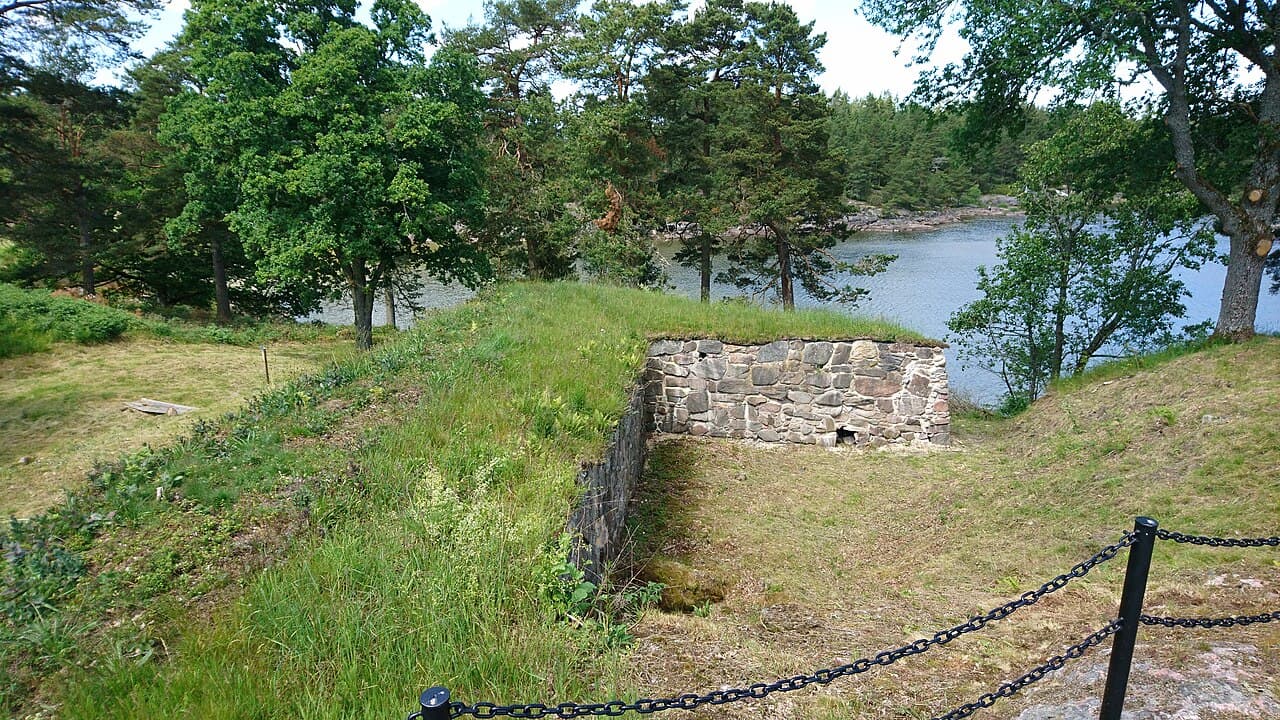
Today, Dalaborg Castle remains as archaeological ruins, with only partial structures surviving. Visitors can observe the remnants of the moat that once encircled the castle, providing a defensive water barrier. The ramparts, earthworks that formed the castle's main defensive walls, are still visible, outlining the fortress's perimeter.
One of the most prominent surviving features is a terrace area and the cellar of the original blockhouse, which would have served as a fortified living and storage space within the castle complex. These remains provide valuable insight into the castle's construction techniques and defensive strategies employed during the late medieval period.
Castle model and museum exhibition
A detailed model of Dalaborg Castle as it appeared before its destruction is displayed at the Mellerud Museum. This model helps visitors and researchers visualize the castle's original form, including its defensive structures and layout, offering a tangible connection to the region's medieval past.
Location and surroundings
Dalaborg is situated within the Mellerud Municipality in the southwestern part of Sweden, in the historical province of Götaland. Its location near Lake Vänern, the largest lake in Sweden, was strategically chosen to control water routes and trade in the area. The surrounding landscape, featuring rivers and forests, contributed to the castle's natural defenses and its role as a regional power center.
Visiting dalaborg castle ruins
Visitors to Dalaborg Castle can explore the ruins and enjoy the scenic views of the surrounding countryside and Lake Vänern. The site offers a glimpse into medieval fortification architecture and the historical conflicts that shaped the region. Interpretive signs and the nearby museum model enhance the educational experience, making Dalaborg a valuable destination for history enthusiasts and those interested in medieval castles.
While the castle is in ruins, its remains are well-preserved enough to convey the scale and significance of the original fortress. The site is accessible for walking and photography, though visitors should be prepared for uneven terrain typical of archaeological ruins.
Frequently asked questions (FAQ)
- When was Dalaborg Castle built and by whom?
- Dalaborg Castle was built in 1304 by dukes Erik and Valdemar, sons of King Magnus Ladulås, during a conflict against King Birger.
- What remains can be seen at Dalaborg Castle today?
- Visitors can see the moat, ramparts, a terrace, and the cellar of the blockhouse, which are the main surviving features of the castle ruins.
- What historical event led to the destruction of Dalaborg Castle?
- The castle was destroyed in 1434 during the Engelbrekt uprising, a major rebellion against the ruling elite in Sweden.
- What is the significance of Queen Margareta in Dalaborg's history?
- In 1388, Queen Margareta, regent of Norway and Denmark, was named regent of Sweden at Dalaborg, highlighting the castle's political importance.
- Where can I see a model of Dalaborg Castle?
- A detailed model of Dalaborg Castle before its destruction is displayed at the Mellerud Museum, providing a visual representation of the original fortress.
Photo gallery

Information
Website
Visit websiteSources & official resources
Verify the information above using these authoritative references.
Loading map...
Visitor reviews
No reviews yet. Been here? Write the first review and help other travelers!
Write the first reviewVisited this castle? Share your experience
Your review helps other travelers and adds first-hand knowledge to our encyclopedia.