Colț Fortress is a significant example of a bastioned fortress located in Romania. This type of fortress is characterized by its angular bastions designed to provide defensive coverage against attackers, reflecting military architectural advances during the late medieval and early modern periods. Although the exact city location is not specified, Colț Fortress stands as an important historical military structure within the region.
Architectural features and design
The fortress exhibits the typical features of a bastioned fortress, including angular bastions that project outward from the main walls, allowing defenders to cover adjacent walls with overlapping fields of fire. This design was a response to the evolution of artillery and siege warfare, providing improved defense against cannon fire and infantry assaults. The walls are constructed with thick masonry, often reinforced to withstand bombardment.
The layout likely includes a curtain wall connecting the bastions, creating a fortified perimeter that maximizes defensive capabilities. Inside the fortress, there would have been military quarters, storage facilities, and possibly a central courtyard used for assembling troops and supplies. The entrance is typically protected by a gatehouse with defensive features such as a drawbridge or portcullis.
Historical context and significance
While specific historical records of Colț Fortress are limited, bastioned fortresses in Romania generally date from the late medieval to early modern periods, roughly spanning the 15th to 17th centuries. These fortifications were constructed in response to the increasing threat posed by the Ottoman Empire and other regional powers during this era. The strategic importance of such fortresses lay in their ability to control key routes and protect local populations from invasions.
Colț Fortress would have played a role in regional defense, serving as a military stronghold and a symbol of authority. Its bastioned design reflects the adoption of Western European military architectural principles, indicating cultural and technological exchanges in fortress construction during this period.
Current condition and preservation
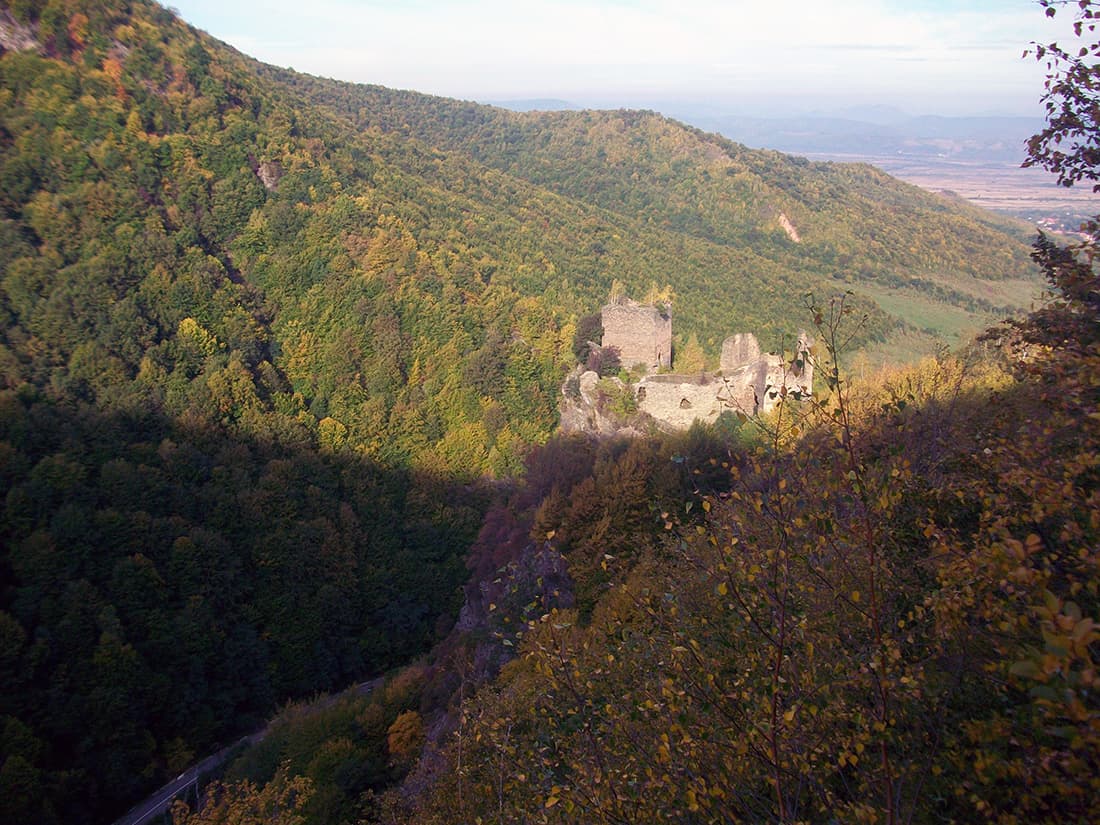
The current condition of Colț Fortress is not definitively documented, but many similar bastioned fortresses in Romania exist in states ranging from ruins to partially preserved. Preservation efforts, if any, would focus on stabilizing the masonry and preventing further deterioration. Such sites offer valuable insights into military architecture and regional history, attracting interest from historians and tourists alike.
Visiting information and cultural importance
As the exact location and visitor facilities for Colț Fortress are not well documented, potential visitors should seek local information regarding access and opening hours. Bastioned fortresses like Colț are important heritage sites, often included in cultural tourism routes highlighting Romania's medieval and early modern military history.
Frequently asked questions (FAQ)
- How do I get to Colț Fortress?
- Colț Fortress is located in the Hunedoara County of Romania. The easiest way to reach it is by car, with well-marked roads leading to the site. Public transport options may be limited, so driving or taking a taxi from nearby towns is recommended.
- What is the historical significance of Colț Fortress?
- Colț Fortress dates back to the 13th century and played a crucial role in the defense against invasions in the region. It is a symbol of medieval architecture and offers insight into Romania's feudal past, showcasing the strategic importance of the area during times of conflict.
- When was Colț Fortress built?
- Construction of Colț Fortress began in the 13th century, specifically around 1240. It was built to serve as a defensive fortification and has undergone several renovations over the centuries to preserve its structural integrity and historical value.
- Can I visit Colț Fortress year-round?
- Yes, Colț Fortress is open for visitors throughout the year, although the best time to visit is during the warmer months from May to September. During this period, the weather is more favorable for exploring the outdoor areas and enjoying the scenic views.
- Why is Colț Fortress an important architectural site?
- Colț Fortress is notable for its unique medieval architecture, characterized by Gothic and Renaissance elements. The fortress is built on a rocky outcrop, which not only enhances its aesthetic appeal but also its defensive capabilities, making it a remarkable example of military architecture from its time.
- Is it possible to take guided tours of Colț Fortress?
- Yes, guided tours are available and are highly recommended for those looking to learn more about the fortress's history and architecture. Knowledgeable guides provide valuable insights and anecdotes that enrich the visitor experience.
- What are the opening hours for Colț Fortress?
- Colț Fortress typically opens at 10 AM and closes at 6 PM during the summer months. Hours may vary during the off-season, so it’s advisable to check their official website or contact local tourist information before your visit.
- Are there any nearby attractions to Colț Fortress?
- Yes, there are several attractions near Colț Fortress, including the historic town of Hațeg and the beautiful Retezat National Park. Both locations offer additional opportunities for exploration and can enhance your overall visit to the region.
- What are the ticket prices for visiting Colț Fortress?
- Ticket prices for Colț Fortress are relatively affordable, with discounts available for students and seniors. It’s best to check the fortress's official website for the most current pricing information and any special offers that may be available during your visit.
Photo gallery

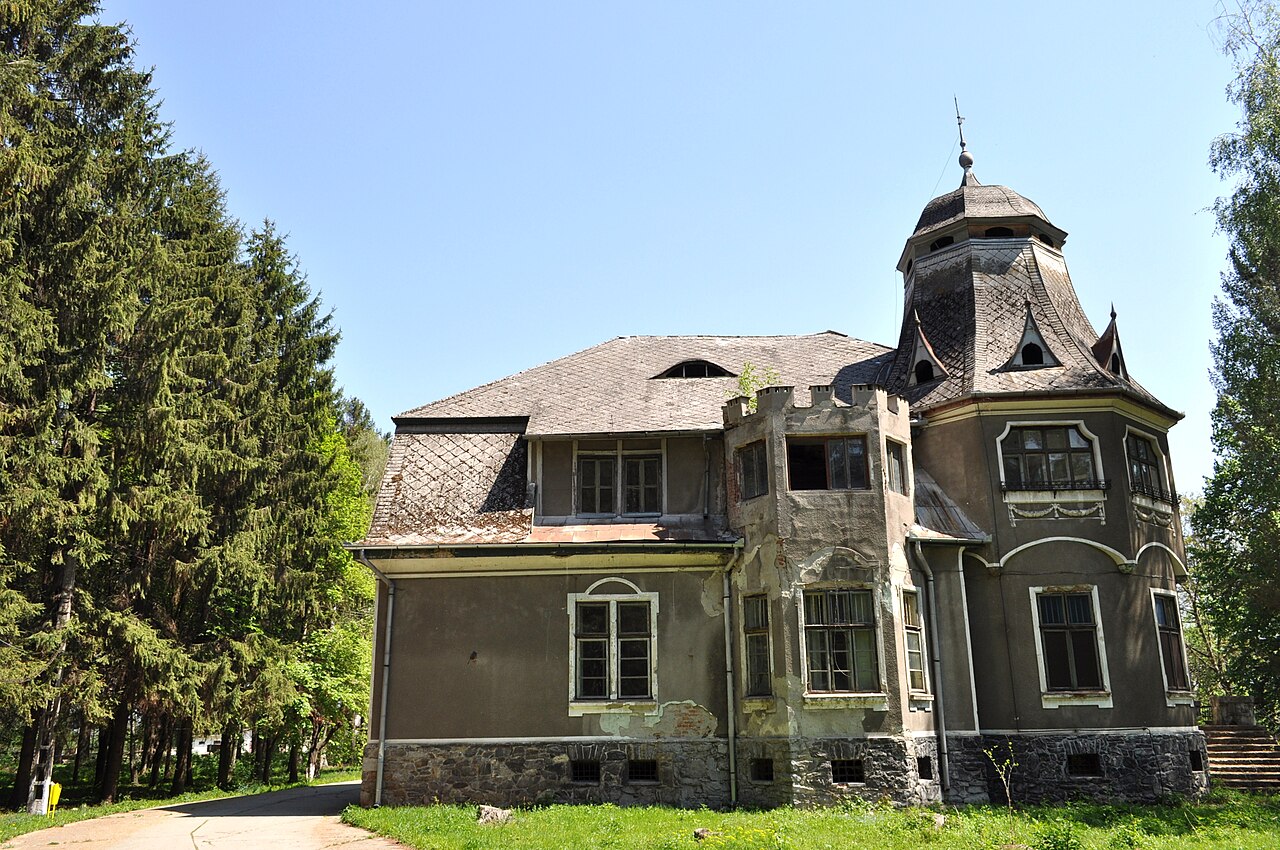
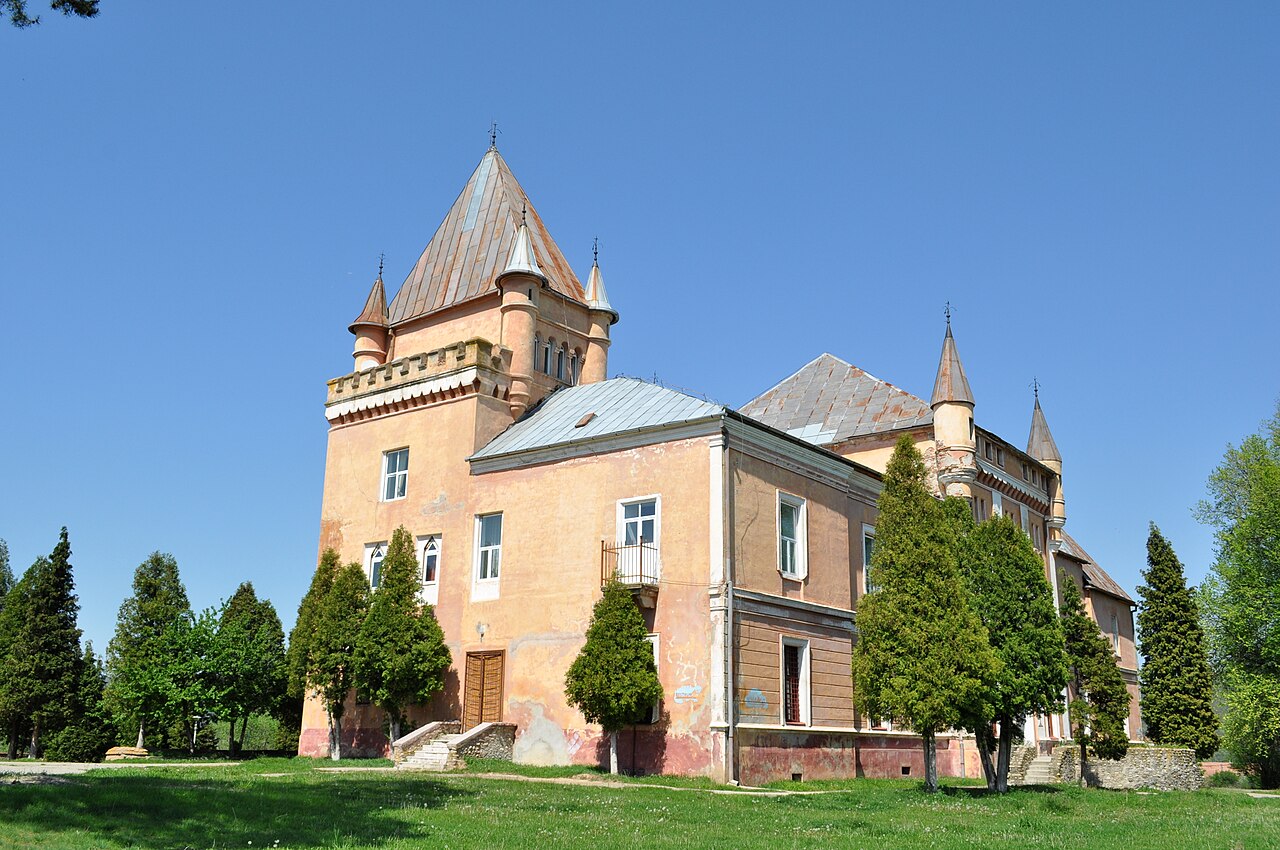
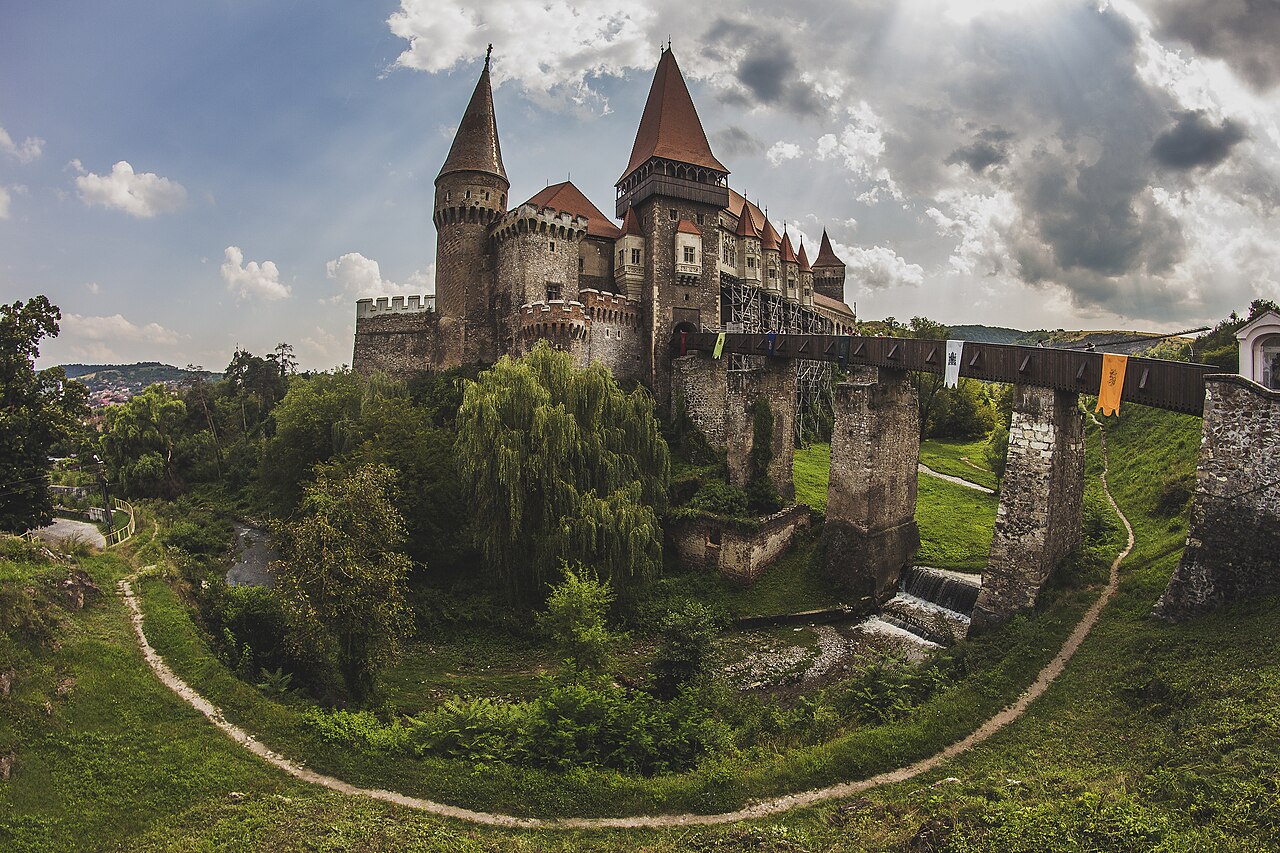
Photo by Andreistirbu72•Public domain
Information
Loading map...
Visitor reviews
No reviews yet. Been here? Write the first review and help other travelers!
Write the first reviewVisited this castle? Share your experience
Your review helps other travelers and adds first-hand knowledge to our encyclopedia.