Cojímar Tower
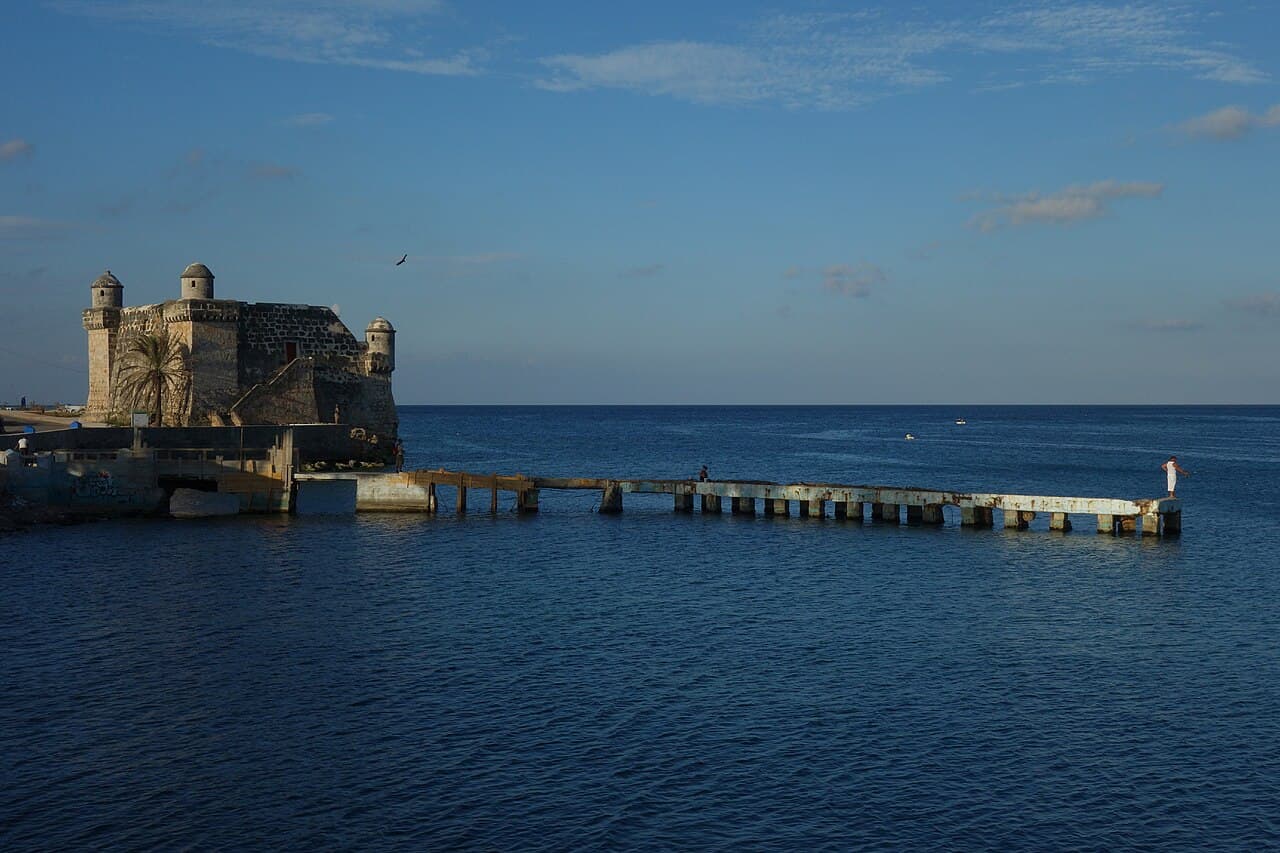
Cojímar Tower, locally known as Torreón de Cojímar, stands as a significant 17th-century coastal fortress located at the seafront of the village of Cojímar in Cuba. It is strategically positioned east of the old town of Havana, guarding the mouth of the Cojímar river. This tower played a vital role in the defensive network protecting Havana from maritime attacks during the Renaissance period.
Historical context and strategic importance
The origins of Cojímar Tower are closely tied to the evolving military needs of Havana in the early 17th century. The idea to fortify the mouths of the Cojímar and La Chorrera rivers, located east and west of Havana respectively, was first proposed by Governor Don Pedro Valdés. This initiative aimed to safeguard Havana from potential English naval incursions during a period of intense colonial rivalry in the Caribbean.
Although the initial project was halted following the end of hostilities with England, renewed concerns about threats from the Dutch navy prompted further action. In 1633, Captain-General Marquess de Cadereyta and Admiral Carlos de Ibarra inspected Havana's existing fortifications, including La Fuerza, La Punta, and El Morro. They identified vulnerabilities along the eastern and western river mouths where enemy landings could bypass the main fortresses.
Following their recommendations, Governor Francisco Riaño Gamboa received a royal decree in 1635 mandating the construction of Cojímar and Chorrera Towers. However, actual construction was delayed until 1646, when fears of Dutch naval aggression intensified under Governor Don Álvaro de Luna y Sarmiento. The towers were intended to prevent enemy forces from landing troops who could launch surprise attacks on Havana's defenses.
Architectural features and design
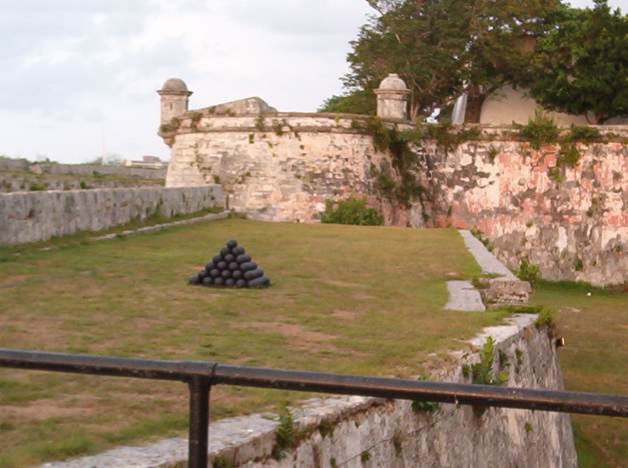
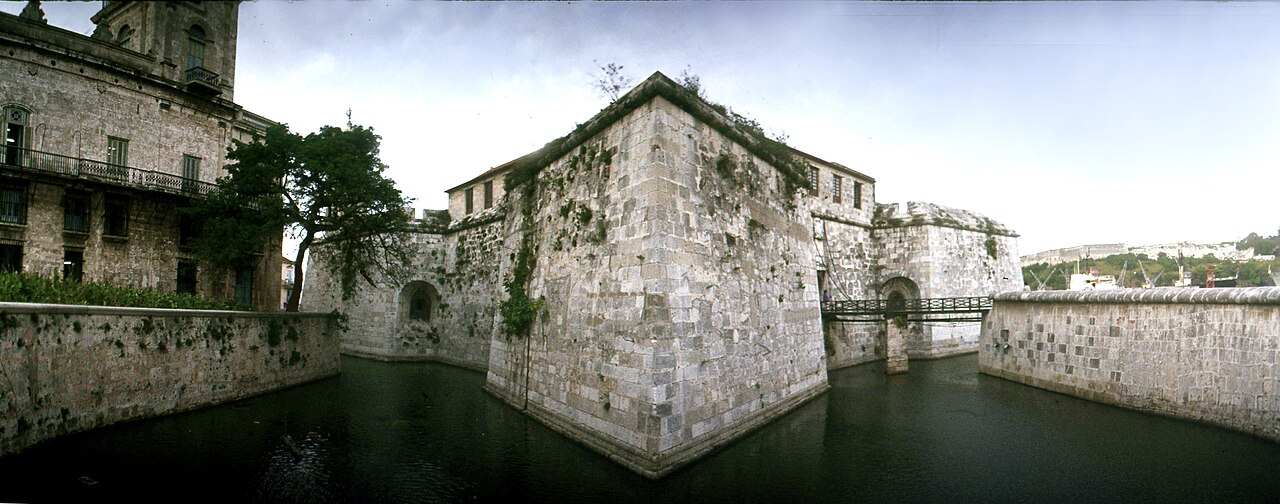
Cojímar Tower exemplifies typical coastal fortress architecture of the Renaissance era in the Caribbean. It was designed to serve as a watchtower and artillery platform, commanding clear views over the sea approaches and the river mouth. Its robust masonry walls were built to withstand cannon fire and to provide a defensible position for a small garrison.
The tower's compact, circular or polygonal structure allowed for 360-degree surveillance and firing range. It likely featured battlements and embrasures for cannons and muskets. Its location on the seafront enabled it to coordinate with other fortifications in Havana's defensive system, creating overlapping fields of fire to deter enemy ships.
While specific architectural details are limited due to restricted access, the tower's enduring presence reflects the strategic military engineering principles of the period, emphasizing functionality and resilience against naval threats.
Military role and historical significance
Throughout its history, Cojímar Tower functioned as a critical sentinel point guarding Havana's eastern maritime approaches. Its primary role was to detect and repel enemy landings by English, Dutch, or other hostile forces seeking to exploit less defended coastal areas.
The tower's construction was part of a broader Spanish colonial strategy to fortify Havana, a key port and naval base in the Caribbean. By securing the river mouths, the Spanish aimed to prevent surprise attacks that could circumvent the main fortresses and threaten the city.
Although there are no records of significant battles involving Cojímar Tower, its presence contributed to the deterrence of enemy incursions and the overall security of Havana during a volatile period of colonial competition.
Current status and cultural relevance
Today, Cojímar Tower remains a prominent historical landmark, though it is not generally accessible to the public as it is reportedly still used by military or police forces. Its preservation status is generally considered well preserved, maintaining its structural integrity despite centuries of exposure to the maritime environment.
The tower also holds cultural significance as part of the village of Cojímar, a location famously associated with the American writer Ernest Hemingway. Hemingway often launched his fishing expeditions from Cojímar, adding a layer of literary heritage to the site.
Visitors to the area can appreciate the tower's commanding position overlooking the sea and the village's picturesque coastal charm, linking Cuba's colonial past with its vibrant cultural present.
Relationship with Chorrera Tower and Havana's fortifications
Cojímar Tower is closely linked historically and functionally with Chorrera Tower, located at the mouth of the La Chorrera river west of Havana. Together, these towers formed a defensive pair guarding strategic river entrances that were vulnerable to enemy landings.
This defensive strategy complemented the more massive fortresses of La Fuerza, La Punta, and El Morro, which protected Havana's harbor and city center. The smaller towers like Cojímar and Chorrera filled critical gaps in the defensive perimeter, enhancing the overall security network.
The coordinated defense system reflects the Spanish Crown's comprehensive approach to colonial military architecture in the Caribbean during the Renaissance and early colonial periods.
Frequently asked questions (FAQ)
- How do I get to Cojímar Tower?
- Cojímar Tower is located in the picturesque fishing village of Cojímar, Cuba, approximately 10 kilometers east of Havana. Visitors can reach the tower by taxi, rental car, or public transport, with local buses providing a budget-friendly option. Make sure to check the local schedules to plan your visit accordingly.
- What is the historical significance of Cojímar Tower?
- Cojímar Tower, built in the early 17th century, served as a lookout point against pirate attacks and played a crucial role in the defense of Havana. It is closely associated with the maritime history of Cuba and offers insights into the colonial era. The tower is also linked to the famous American author Ernest Hemingway, who spent time in the nearby village.
- When was Cojímar Tower constructed?
- Cojímar Tower was constructed between 1647 and 1655 as part of the coastal defense system of Havana. The tower's strategic location allowed for early warning of incoming threats, showcasing the military architecture of the period. Today, it stands as a testament to Cuba's rich historical narrative.
- Can I enter Cojímar Tower?
- Yes, visitors can enter Cojímar Tower during designated opening hours. Inside, you can explore the tower's architecture and enjoy panoramic views of the surrounding area. It’s advisable to check in advance for any guided tours or special events that may enhance your experience.
- Why is Cojímar Tower a popular tourist attraction?
- Cojímar Tower is a popular attraction due to its unique blend of historical significance, stunning views, and cultural connections to Ernest Hemingway. The tower offers a glimpse into Cuba's colonial past while also providing a serene setting for photography and exploration. Its location in the charming village of Cojímar adds to the overall appeal for visitors.
- Is it possible to visit Cojímar Tower year-round?
- Yes, Cojímar Tower is open to visitors year-round, although opening hours may vary depending on the season. It’s recommended to check local tourist information for any seasonal changes in hours or special events. Visiting during the cooler months from November to March can provide a more comfortable experience.
- What are the ticket prices for Cojímar Tower?
- As of the latest information, entry to Cojímar Tower typically involves a small fee, making it an affordable option for travelers. Ticket prices may vary depending on whether you join a guided tour or visit independently. Always check for the most current pricing before your visit.
- What is the best time to visit Cojímar Tower?
- The best time to visit Cojímar Tower is during the dry season, from November to April, when the weather is cooler and more pleasant. Early mornings or late afternoons are ideal for avoiding crowds and enjoying the scenic views. Additionally, visiting during these times allows for better lighting for photography.
- Are there any nearby attractions to visit after Cojímar Tower?
- Yes, after visiting Cojímar Tower, you can explore the charming village of Cojímar, known for its picturesque waterfront and local seafood restaurants. Nearby, you can also visit the historic town of Habana Vieja, a UNESCO World Heritage Site, which offers rich cultural experiences and architectural wonders. Enjoying the local cuisine is a must while in the area.
Photo gallery

Information
Loading map...
Visitor reviews
No reviews yet. Been here? Write the first review and help other travelers!
Write the first reviewVisited this castle? Share your experience
Your review helps other travelers and adds first-hand knowledge to our encyclopedia.