Cieszyn Castle
Cieszyn Castle stands prominently on Castle Hill in the town of Cieszyn, Poland, representing a significant medieval stronghold with a rich history spanning over a millennium. Its origins date back to a Slavic fortified settlement from the late 9th or early 10th century, initially constructed with wooden and earth ramparts. This early fortification evolved into a center of regional power under the Piast dynasty, becoming the seat of a castellany documented as early as 1155.
Over the centuries, the castle underwent numerous transformations reflecting changing architectural styles, military technologies, and political circumstances. The castle's development from a simple fortification to a complex residence and defensive fortress illustrates the dynamic history of the region and the importance of Cieszyn as a political and military hub.
Medieval origins and gothic expansion
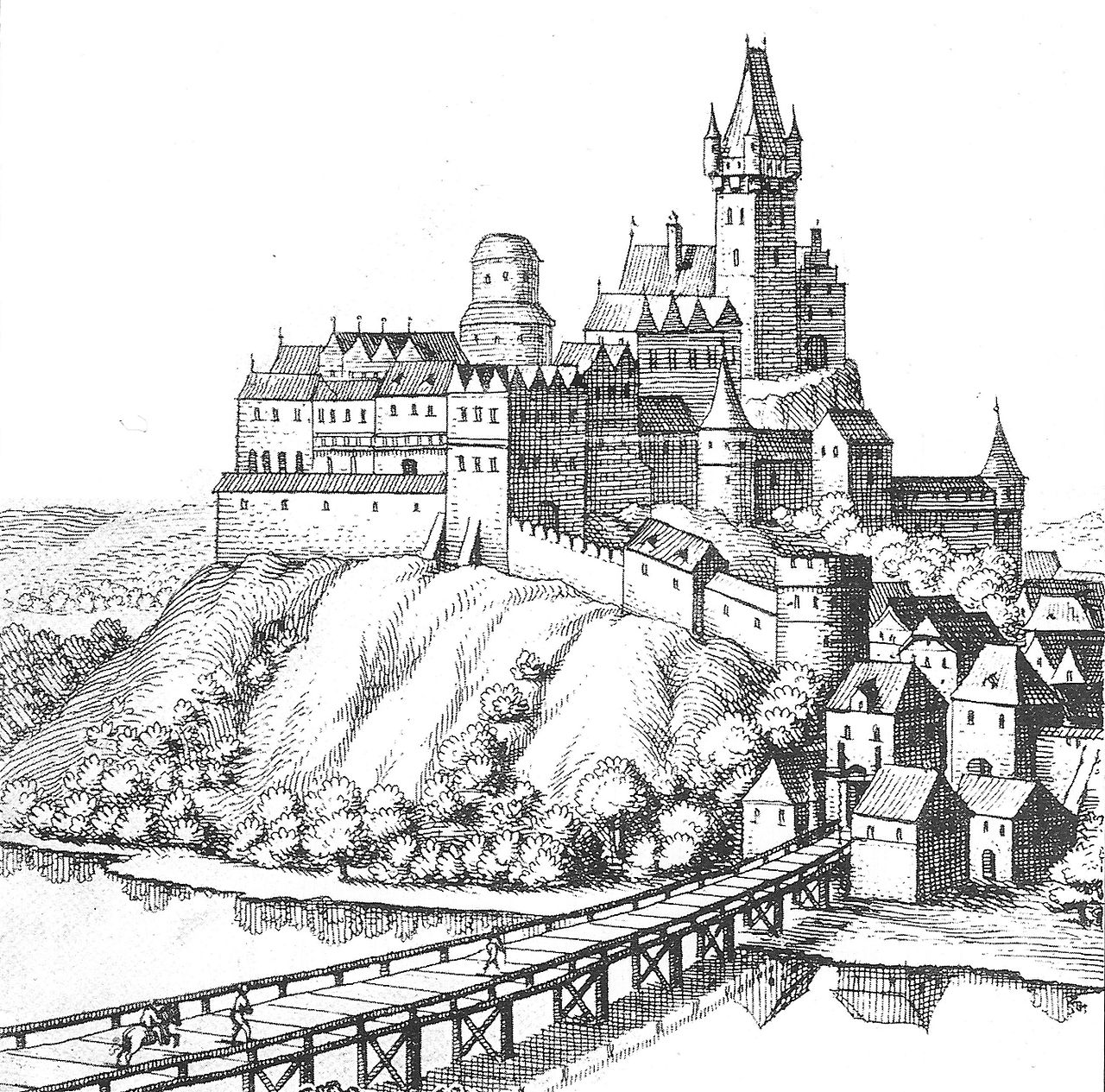
During the rule of the first Duke of Cieszyn, Mieszko, and his successors Kazimierz I and Przemysław I Noszak, the castle was substantially developed and fortified. The original wooden structures were replaced by stone, and the castle was transformed into a Gothic residence featuring a palatium (ducal palace) and the construction of the Piast Tower. This tower, initially about 12 meters tall, served as a key defensive and residential feature. The castle's curtain walls were reinforced with several cylindrical defensive towers, enhancing its fortification.
In the 15th century, the castle complex expanded further, integrating its defenses with the adjacent town's fortifications. The Piast Tower was heightened to approximately 24 meters and embellished with decorative brickwork and machicolations—openings in the parapet allowing defenders to attack assailants below. This period also marked the castle's role as a venue for significant historical events, including the visit of King Władysław Jagiełło in 1412 and the arrival of Elizabeth of Austria, bride of Kazimierz Jagiellończyk, in 1454.
Renaissance rebuilding and military adaptations
The devastating fire of 1520 necessitated extensive rebuilding, during which the castle was adapted to meet the challenges of evolving warfare, particularly the rising use of firearms. A large bastion was likely added to the lower castle area, designed to accommodate artillery and improve the fortress's defensive capabilities. Despite another fire in 1603, repairs ensured the castle remained functional.
However, the Thirty Years’ War (1618–1648) brought severe damage. The castle was occupied by hostile forces, including Swedish troops in 1645, and endured a siege by Habsburg forces in 1646. The siege employed artillery and mining techniques that devastated much of the residential and economic buildings, especially in the lower castle and the northern tower. This destruction marked the beginning of the castle's decline as a noble residence.
Decline, demolition, and 19th-century transformation
Following the war, the castle ceased to serve as a residence. Duchess Elizabeth Lukrecja relocated to town houses, and the fortress gradually fell into disuse. Starting in 1659, parts of the ruins were dismantled for building materials. The castle suffered further damage from a fire in 1720 and an earthquake in 1786.
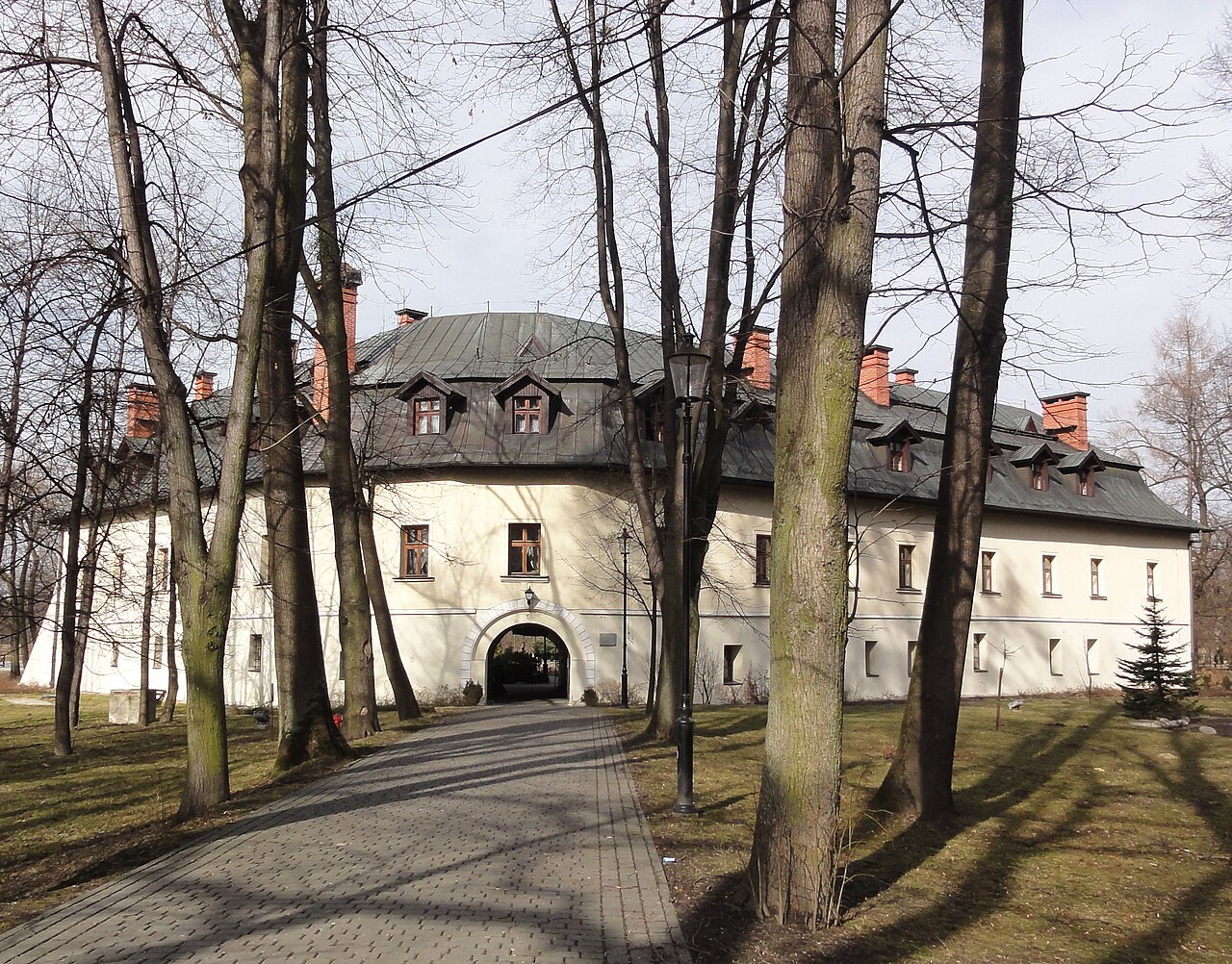
In 1838, under the orders of Archduke Karl Ludwig of Habsburg, most of the remaining fortress ruins were demolished except for two key elements: the Piast Tower and the Romanesque rotunda of St. Nicholas, which served as the castle chapel. On the cleared grounds, a classical-style palace was constructed, surrounded by an English-inspired park and an orangery. The site also became home to the Cieszyn Castle Brewery, integrating new uses into the historic landscape.
Architectural features and surviving elements
The upper castle and romaneseque rotunda of st. nicholas
The castle's upper section housed the ducal residential chambers and was enclosed by three lines of defensive walls punctuated by towers. Within the courtyard stands the Romanesque rotunda of St. Nicholas, a stone chapel dating back to the 12th century. This rotunda rises to about 15 meters and is one of the oldest and best-preserved elements of the castle, showcasing early medieval religious architecture.
The piast tower
The Piast Tower dominates the castle's silhouette. Originally constructed in the 14th century and initially about 12 meters high, it was later heightened to eight stories, reaching approximately 24 meters. The tower features distinctive brick battlements known as machicolations, supported by stone corbels, and is crowned by four corner turrets. Throughout its history, the tower served multiple purposes including a final defensive refuge, residential quarters, a prison, and a watchtower. The upper corners are adorned with stone coats of arms, adding to its historical and heraldic significance.
Lower castle and fortifications
The lower castle contained a cluster of three-story buildings with basements used for practical functions such as stables, arsenals, and a prison. Following the 1520 fire, a sizeable bastion was likely constructed here, designed specifically to improve defense against firearms and artillery, reflecting advances in military technology.
The main entrance on the northeastern side was protected by a gatehouse featuring a cylindrical gate tower approximately 10 meters in diameter with walls about 3.4 meters thick. The entire hilltop was surrounded by defensive walls interrupted by two or three round towers along the perimeter. A moat separated the castle from the surrounding town, with access provided by a drawbridge.
Cultural significance and present-day status
Cieszyn Castle is a culturally and historically significant site that illustrates the region's medieval origins, Renaissance adaptations, and later transformations. Today, the Piast Tower and the Romanesque rotunda of St. Nicholas remain well preserved and accessible to visitors, offering insights into medieval architecture and the castle's storied past.
The classical palace and English-style park from the 19th century add layers of historical interest, reflecting the site's evolution from a medieval fortress to a noble residence and cultural landmark. The presence of the Cieszyn Castle Brewery on the grounds further enriches the site's unique blend of history and modern use.
Visitors to Cieszyn Castle can explore the surviving architectural features, enjoy the scenic parkland, and appreciate the castle's role in the historical narrative of Silesia and Central Europe. The castle's rich history, distinctive architectural elements, and enduring cultural importance make it a compelling destination for those interested in medieval fortifications, Renaissance military architecture, and Central European heritage.
Frequently asked questions (FAQ)
- What is the historical significance of Cieszyn Castle?
- Cieszyn Castle, located in Czechia, has a rich history dating back to the 13th century. It served as a royal residence and a strategic military stronghold, reflecting the architectural styles and political changes of the region over the centuries.
- When was Cieszyn Castle built?
- Cieszyn Castle was originally constructed in the 13th century, with significant renovations occurring in the 16th and 17th centuries. The castle has undergone various transformations, showcasing elements from different architectural periods.
- Can I visit Cieszyn Castle?
- Yes, Cieszyn Castle is open to visitors, allowing you to explore its historical grounds and learn about its fascinating past. Guided tours are available, making it easier to appreciate the castle's architecture and history.
- What are the opening hours for Cieszyn Castle?
- Cieszyn Castle typically opens to visitors from 10 AM to 6 PM during the summer months and has shorter hours in the winter. It is advisable to check the official website for the most current information regarding specific opening days and times.
- Is it possible to access Cieszyn Castle with a wheelchair?
- Cieszyn Castle has made efforts to improve accessibility for all visitors. While some areas may be challenging due to the castle's historic structure, there are provisions in place to assist those with mobility issues.
- What is the best time to visit Cieszyn Castle?
- The best time to visit Cieszyn Castle is during the spring and early autumn when the weather is pleasant, and the surrounding gardens are in full bloom. Summer can be busy with tourists, so visiting on weekdays may provide a more relaxed experience.
- Are there any nearby attractions to Cieszyn Castle?
- Yes, visitors to Cieszyn Castle can enjoy a variety of nearby attractions, including the beautiful Cieszyn town square and the historic St. Nicholas Cathedral. Additionally, the region offers scenic walking trails and local shops that enhance the overall experience.
- What are the ticket prices for Cieszyn Castle?
- Ticket prices for Cieszyn Castle are generally affordable, with discounts available for students and seniors. Family tickets and group rates may also be offered, making it an economical choice for visitors.
Information
Website
Visit websiteSources & official resources
Verify the information above using these authoritative references.
Loading map...
Visitor reviews
No reviews yet. Been here? Write the first review and help other travelers!
Write the first reviewVisited this castle? Share your experience
Your review helps other travelers and adds first-hand knowledge to our encyclopedia.