Cicava Castle Ruins
Cicava Castle, located near the village of Sedliská in eastern Slovakia, stands as a notable example of a late medieval fortress whose ruins overlook the southern shores of the Veľká Domaša water reservoir. Constructed between 1309 and 1316, the castle was strategically positioned to control the surrounding region and protect important trade routes during a turbulent period in Slovak history.
Historical background and significance
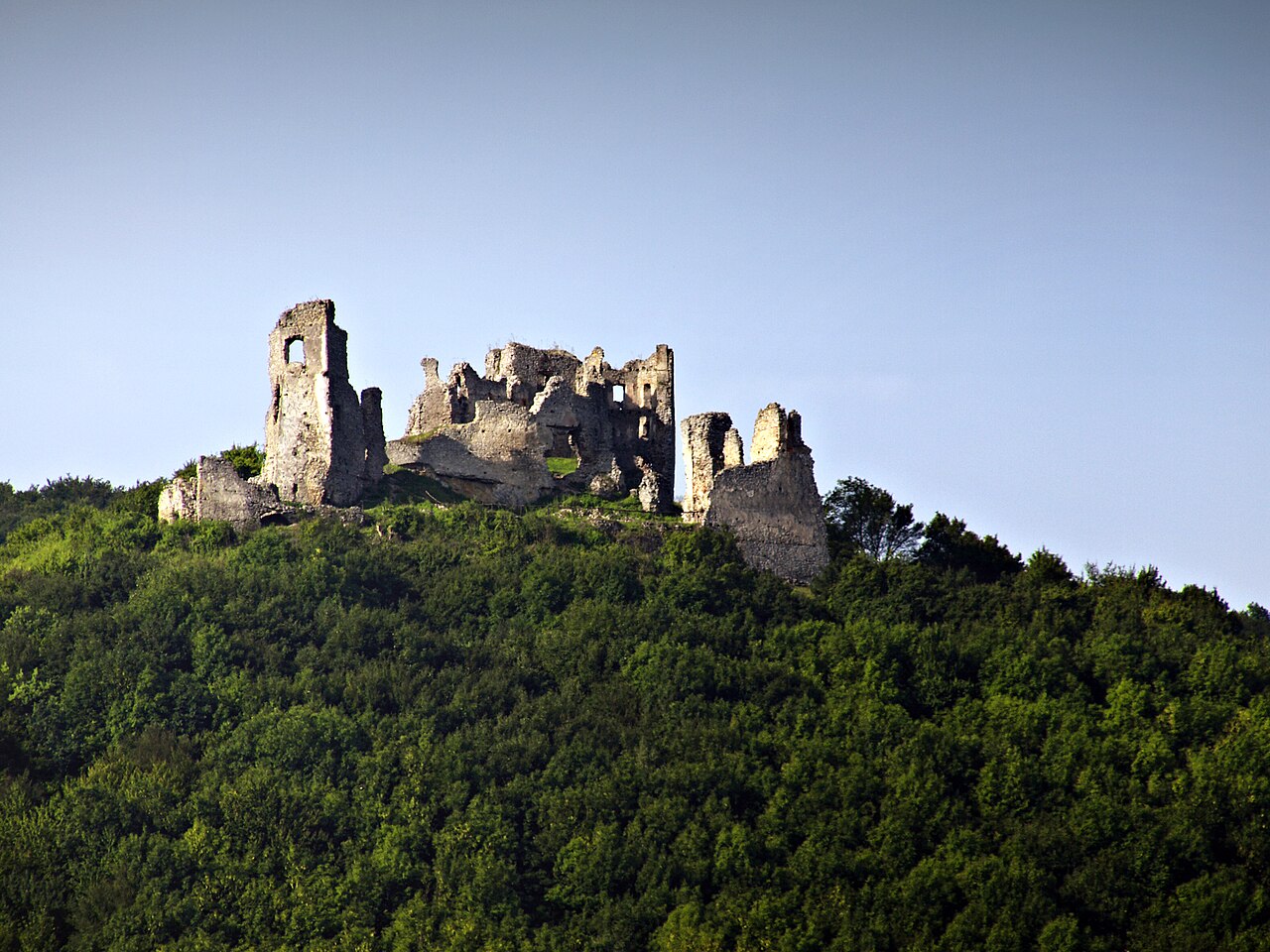
The castle's origins trace back to the early 14th century when it was established as a stronghold for the local nobility. Over the centuries, Cicava Castle played a key role in regional defense and governance. Its history is marked by involvement in several conflicts, most notably the Rákóczi uprisings in the early 18th century. The castle suffered significant damage during the last of these rebellions in 1711, which led to its eventual abandonment and decline into ruins.
One of the most intriguing aspects of Cicava Castle is its association with the "Book of Lies and Liars", also known as the Book of Čičava. This unique manuscript was kept at the castle during the 16th and 17th centuries and served as a record of outrageous falsehoods and the names of those who told them. The cultural impact of this book persists in the Slovak language through the idiom "it should be entered in the Čičava Book," which refers to bold or unbelievable lies.
Architectural features and layout
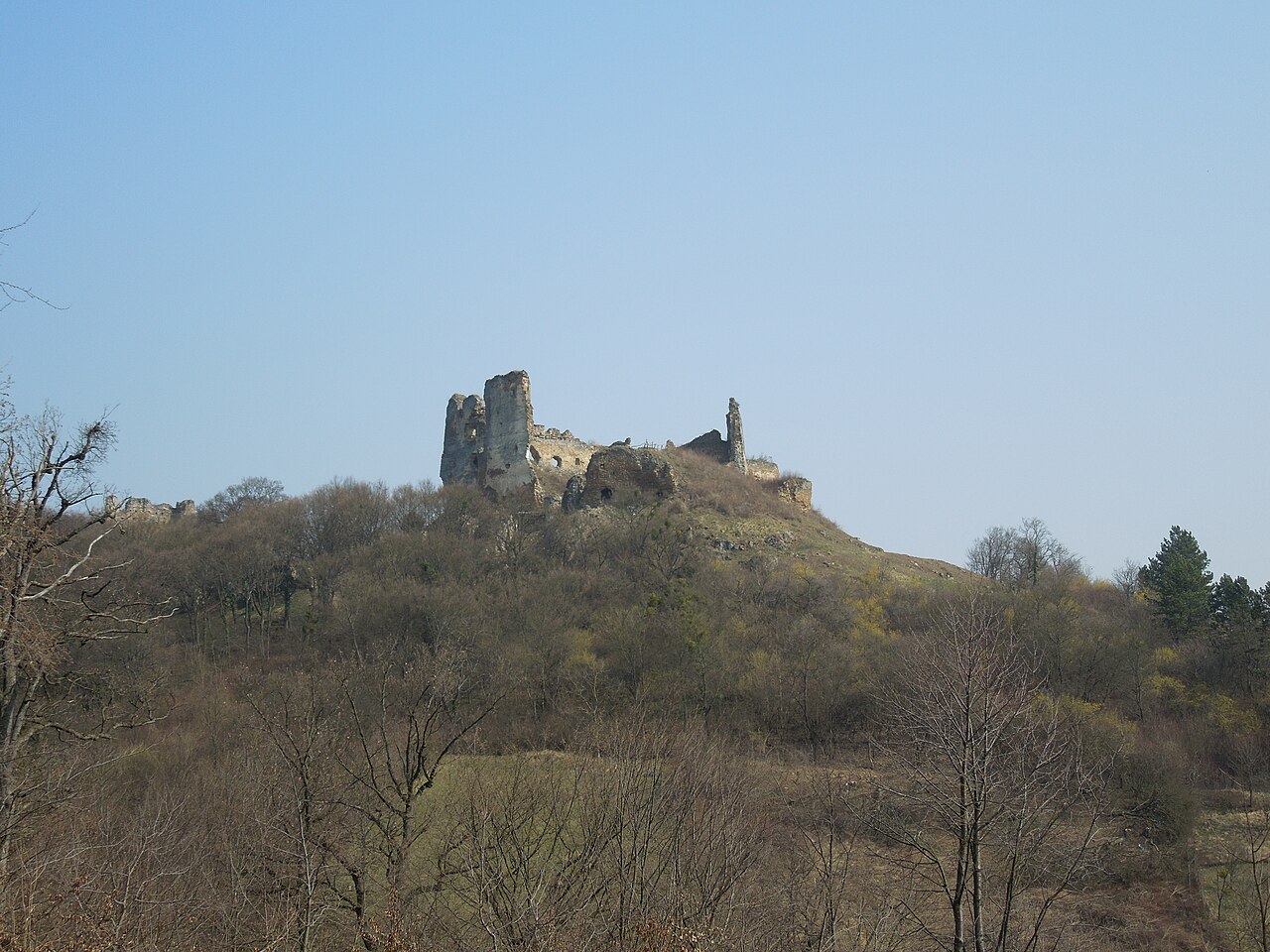
Although now in ruins, the remains of Cicava Castle reveal characteristics typical of late medieval castle architecture in Central Europe. The fortress was likely built on a hilltop, providing natural defensive advantages with commanding views of the surrounding landscape and the nearby water reservoir.
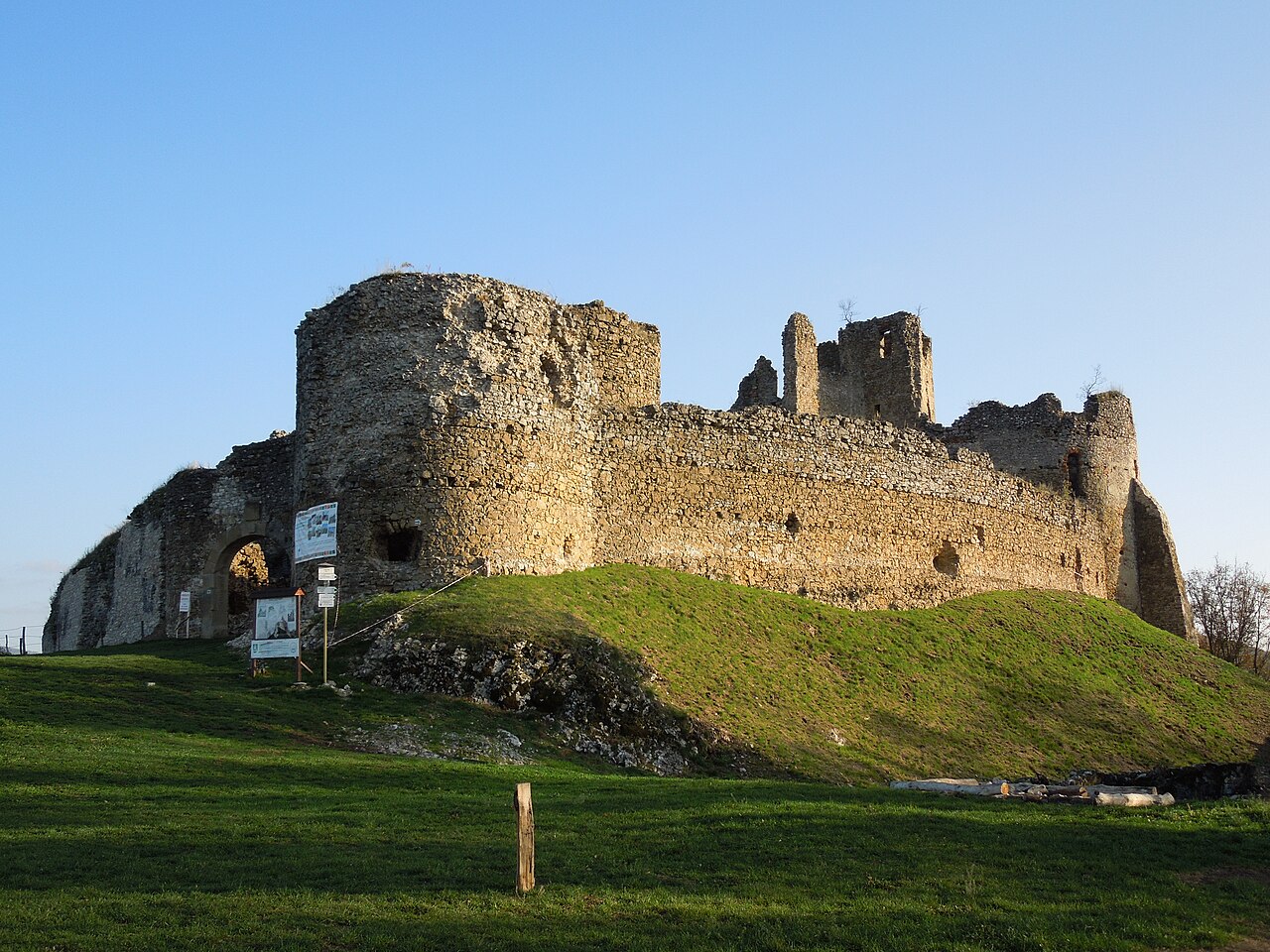
The castle's defensive structures would have included thick stone walls, fortified gates, and possibly a keep or donjon serving as the last line of defense. The layout probably featured courtyards and residential quarters for the noble family and their retainers. Given the era of construction, Gothic architectural elements might have been present, particularly in window and door designs, though much of the detailed stonework has been lost to time.
Defensive adaptations and decline
During its active use, Cicava Castle would have undergone modifications to adapt to evolving military technologies and threats. The damage inflicted during the Rákóczi rebellions in the early 18th century was severe enough to render the castle militarily obsolete. Following this period, it was not restored and gradually fell into ruin.
Cultural legacy and present condition
Today, the ruins of Cicava Castle attract visitors interested in medieval history and Slovak cultural heritage. The site offers a glimpse into the region's feudal past and the architectural styles of the late medieval period. Although only fragments of the original structure remain, the castle's historical significance is preserved through local folklore and the enduring legacy of the Book of Lies and Liars.
The castle ruins are accessible from the road south of the Veľká Domaša reservoir, making it a popular destination for hikers and history enthusiasts. Preservation efforts focus on stabilizing the remaining structures to prevent further deterioration, though the castle remains in a ruined state.
Visiting Cicava Castle
Visitors to Cicava Castle can explore the ruins and enjoy panoramic views of the surrounding countryside and the Veľká Domaša reservoir. The site is open year-round, with no entrance fee, providing an accessible cultural experience. Informational signage at the site helps contextualize the castle's history and significance.
Frequently asked questions (FAQ)
- How do I get to Cicava Castle Ruins?
- Cicava Castle Ruins are located in Sedliská, Slovakia, and can be reached by car or public transport from nearby towns. The closest major city is Prešov, which is approximately 30 kilometers away. Parking is available near the site for visitors traveling by car.
- What is the historical significance of Cicava Castle?
- Cicava Castle dates back to the 13th century and played a crucial role in the region's defense during various conflicts. It served as a stronghold for noble families and has witnessed significant historical events over the centuries. Today, it stands as a monument to Slovakia's medieval heritage.
- When was Cicava Castle built?
- Cicava Castle was constructed in the early 13th century, with its first recorded mention in historical documents occurring in 1248. The castle was strategically built to oversee the surrounding area and protect trade routes. Its architecture reflects the typical medieval building style of the period.
- Can I explore the castle ruins freely?
- Yes, visitors can explore the ruins of Cicava Castle at their own pace. However, it is recommended to wear sturdy footwear, as the terrain can be uneven. Guided tours may also be available on certain days, offering deeper insights into the castle's history.
- Why is Cicava Castle a popular tourist destination?
- Cicava Castle attracts visitors due to its rich history, stunning views of the surrounding landscape, and the picturesque ruins that tell stories of the past. It is also an excellent spot for photography and hiking enthusiasts. The serene environment makes it a perfect getaway for those interested in nature and history.
- Is it possible to visit Cicava Castle year-round?
- Cicava Castle is accessible to visitors throughout the year; however, the best time to visit is during the spring and fall when the weather is mild. Winter visits may be challenging due to snow and ice, while summer can be warm but offers vibrant scenery. Always check local conditions before planning your trip.
- What are the opening hours for Cicava Castle Ruins?
- The ruins are generally open to the public from dawn until dusk, allowing visitors ample time to explore. Specific hours may vary seasonally, so it's advisable to check local resources or official tourism websites for the most current information before your visit.
- Are there any nearby attractions to Cicava Castle?
- Yes, several attractions are located near Cicava Castle, including the beautiful natural landscapes of the surrounding hills and valleys. Visitors can also explore other historical sites in the region, such as the nearby town of Prešov, which is known for its architecture and cultural heritage. These nearby sites make for a full day of exploration.
- What are the ticket prices for visiting Cicava Castle?
- Entry to Cicava Castle Ruins is typically free, allowing everyone to enjoy the historic site without a fee. However, if you choose to join a guided tour or participate in special events, there may be a nominal charge. Always check the official tourism website for the most accurate and updated information regarding any fees.
Information
Loading map...
Visitor reviews
No reviews yet. Been here? Write the first review and help other travelers!
Write the first reviewVisited this castle? Share your experience
Your review helps other travelers and adds first-hand knowledge to our encyclopedia.