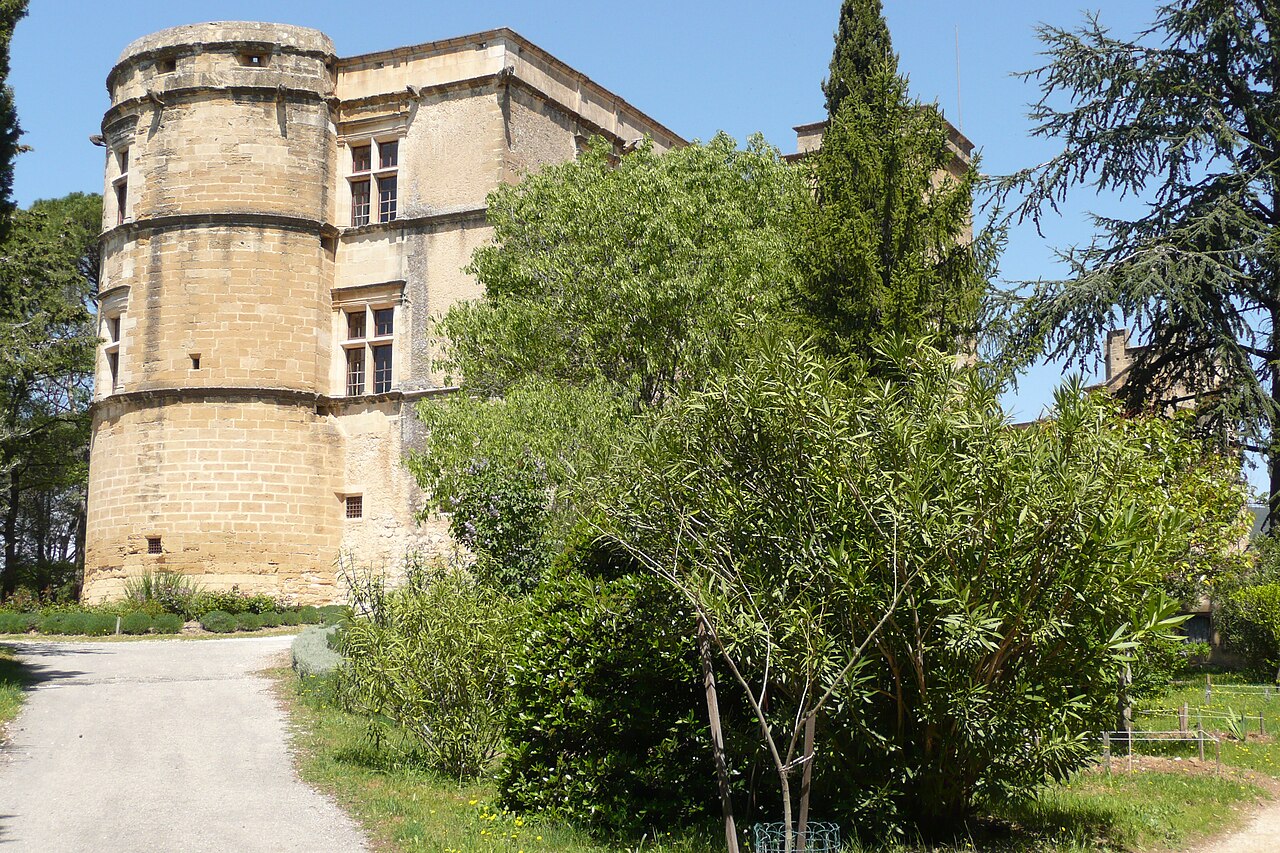
Château Val Joanis
Château Val Joanis is a distinguished winery and historic estate located in Pertuis, within the Vaucluse Department of Provence-Alpes-Côte d'Azur, France. This estate is renowned not only for its production of AOC Côtes du Luberon wines but also for its remarkable terraced gardens and architectural heritage that dates back to the 18th century. The château stands on the site of an ancient Roman villa, a fact underscored by the incorporation of Roman stones into the garden's design, linking the present estate to its deep historical roots.
Historical background and architectural heritage
The origins of Château Val Joanis trace back to an ancient Roman villa, indicating the site's long-standing significance in the region. The current château was constructed during the 18th century, a period classified as post-Renaissance, reflecting architectural influences of that era. The building prominently displays the coat of arms of Jean de Joanis, who served as the secretary to King Louis III of Naples, highlighting the estate's noble connections.
Ownership of the estate passed through several hands, notably the Arnaud family, who maintained it until the 17th century. In 1754, the estate was elevated to the status of a fief, enhancing its social and feudal importance. However, by the 19th century, both the house and the estate had fallen into a state of ruin, marking a period of decline before its modern revival.
Modern revival and winery development
The château experienced a significant revival when it was purchased in 1977 by Jean-Louis Chancel. Between 1979 and 1999, Chancel undertook extensive viticultural development, planting 186 hectares of vines that would define the estate's modern wine production. To complement the vineyards, he commissioned architect Jean-Jacques Pichoux to design a contemporary winery building. This structure draws inspiration from the architectural style of the Dominican Order, blending historical reverence with modern functionality.
Terraced gardens: design and features
The gardens of Château Val Joanis are a defining feature of the estate, begun in 1978 by owner Cécile Chancel with the expertise of landscape designer Tobie Loup de Viane. Completed in its current form by 1990, the gardens have been recognized as a Remarkable Garden of France since 2005, a testament to their cultural and horticultural significance.
Layout and terraces
The garden is ingeniously designed on three terraces carved into a hillside overlooking the vineyards. Each terrace serves a distinct purpose:
- Upper terrace: Dedicated to a kitchen garden and flower garden, featuring a variety of culinary herbs and ornamental plants.
- Middle terrace: Focused on flowers and ornamental plants, creating a vibrant and colorful display.
- Lower terrace: Hosts fruit trees and platane trees over twenty years old, which were transplanted from Mount Athos, adding an exotic and historic element to the landscape.
The terraces are connected by a pergola, a tunnel covered with climbing roses and trumpet vines that extends from the top to the bottom of the garden, providing a shaded walkway and enhancing the garden's aesthetic appeal.
Viticulture and wine production
Château Val Joanis is celebrated for its production of AOC Côtes du Luberon wines, which benefit from the estate's favorable terroir and meticulous vineyard management. The vineyards span a significant area and contribute to the reputation of the Luberon region as a notable wine-producing area in France.
The winery combines traditional winemaking techniques with modern technology, ensuring high-quality production that respects both the heritage and innovation. The architectural style of the winery building itself reflects this blend of tradition and modernity.
Visitor experience and cultural significance
Today, Château Val Joanis serves as both a working winery and a cultural landmark. The gardens attract visitors interested in horticulture and landscape design, while the winery offers tastings and tours that showcase the estate's wines and history. The integration of historical architecture, Roman heritage, and post-Renaissance design elements provides a rich context for visitors.
The recognition of the gardens as a Remarkable Garden of France underscores the estate's importance beyond viticulture, marking it as a destination for cultural tourism in the Provence-Alpes-Côte d'Azur region.
Frequently asked questions (FAQ)
- How do I get to Château Val Joanis?
- Château Val Joanis is located in Pertuis, France, easily accessible by car from major cities like Aix-en-Provence and Marseille. There is also public transportation available, including buses that connect Pertuis to surrounding areas. For the best experience, consider using a GPS or a map application to navigate directly to the castle.
- What are the opening hours of Château Val Joanis?
- Château Val Joanis is typically open to visitors from 10 AM to 6 PM, with extended hours during the summer months. It's advisable to check their official website or contact them directly for any seasonal changes in opening hours or special closures, especially around holidays.
- Is there an admission fee to visit Château Val Joanis?
- Yes, there is an admission fee to explore the grounds and gardens of Château Val Joanis. Ticket prices vary depending on the time of year and any special events that may be taking place, so it's best to check their website for the most current pricing details before your visit.
- When was Château Val Joanis built?
- Château Val Joanis was constructed in the 17th century, reflecting the architectural styles of that period. The castle has been well-preserved and showcases beautiful gardens that were added later, making it a significant example of classical French architecture and landscaping.
- Can I take guided tours at Château Val Joanis?
- Yes, guided tours are available at Château Val Joanis, offering visitors an in-depth look at the history, architecture, and the unique features of the estate. These tours are typically available in multiple languages, so be sure to inquire about language options when you arrive.
- Why is Château Val Joanis historically significant?
- Château Val Joanis is historically significant due to its rich history and its role in the development of viticulture in the region. The estate is surrounded by vineyards and has contributed to the local wine industry, making it a cultural landmark in Provence.
- What is the best time to visit Château Val Joanis?
- The best time to visit Château Val Joanis is during the spring and fall when the weather is mild and the gardens are in full bloom. Summer can be quite hot, but it's also a popular time for tourists, so be prepared for larger crowds if you choose to visit then.
- Is the castle accessible for visitors with disabilities?
- Château Val Joanis strives to be accessible to all visitors, with facilities in place for those with mobility challenges. However, it is recommended to call ahead and confirm specific accessibility options to ensure a comfortable visit for everyone in your party.
- What nearby attractions are worth visiting?
- Nearby attractions include the historical town of Pertuis, known for its charming streets and local markets. Additionally, the stunning landscapes of the Luberon Regional Park are just a short drive away, offering hiking and outdoor activities that complement your visit to the castle.
Information
Loading map...
Visitor reviews
No reviews yet. Been here? Write the first review and help other travelers!
Write the first reviewVisited this castle? Share your experience
Your review helps other travelers and adds first-hand knowledge to our encyclopedia.