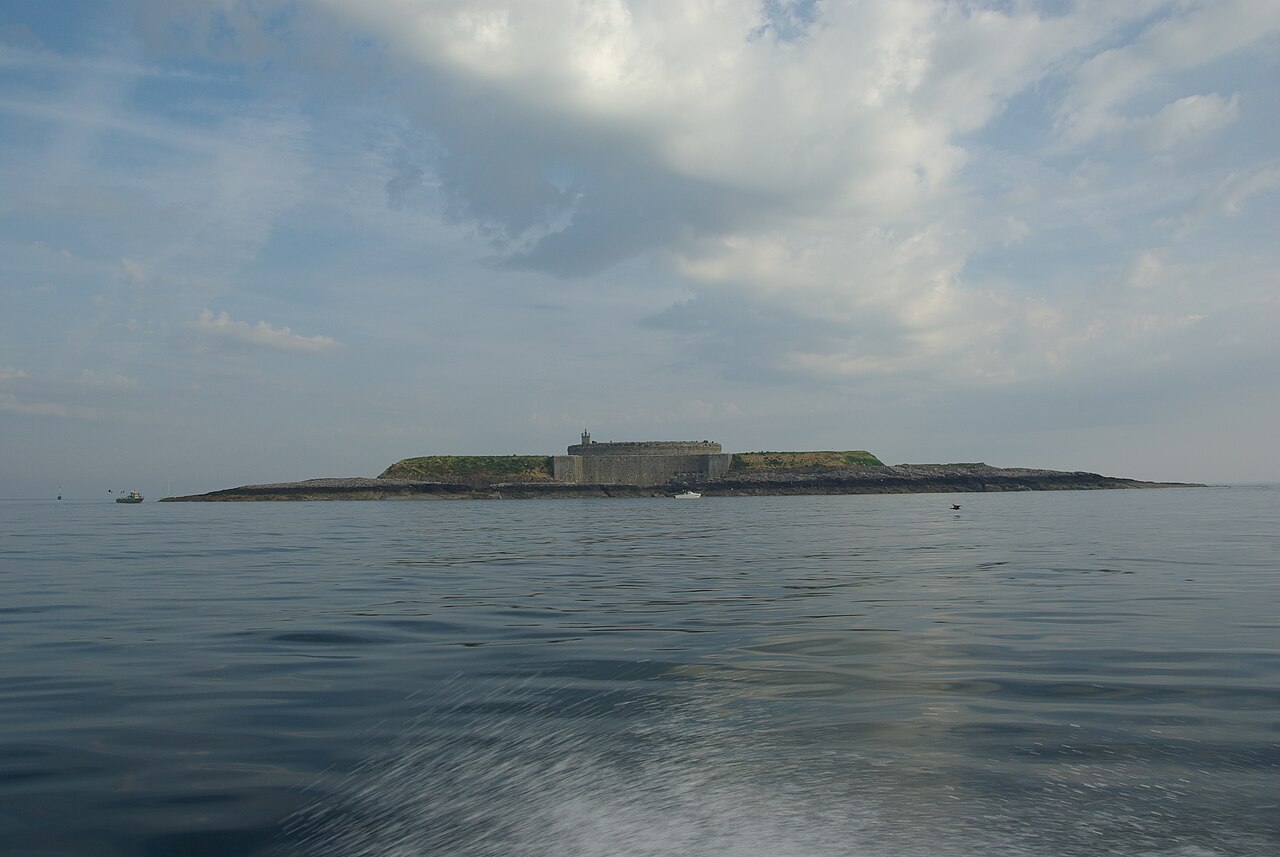
Château du Tourps
Château du Tourps in Anneville-en-Saire, France, is a site with a layered history that stretches back to the mid-12th century. Originally constructed in the medieval period, the château has witnessed significant historical events, including destruction and sieges that reflect the turbulent eras of French history.
Medieval origins and early history
The earliest records of Château du Tourps date to the mid-1100s, placing its origins firmly in the high medieval period. This initial fortress would have been typical of medieval defensive architecture, likely featuring stone walls and basic fortifications designed to assert control over the surrounding territory. The château was strategically important enough to be targeted during conflicts, notably suffering destruction at the hands of the English army in 1346 during the Hundred Years' War. This event marked a significant moment in the château's history, as it was burnt down, leading to a period of decline.
Siege during the wars of religion
In 1591, Château du Tourps was again drawn into conflict during the French Wars of Religion, a series of civil wars primarily between Catholics and Huguenots. The château endured a siege, indicating its continued strategic or symbolic importance even after its partial destruction in the 14th century. The wars of religion were marked by widespread violence and upheaval, and many such castles and fortresses were focal points of military action.
Decline and ruin in the 17th century
Following the wars, the château fell into disuse and by the late 1600s, it was largely in ruins. This decline was common among many medieval fortifications that lost their military relevance due to changes in warfare technology and political stability. The ruins would have remained a visible reminder of the site's historical significance but no longer served a defensive function.
18th-century reconstruction as a private mansion
In the 18th century, a new phase in the château's history began with the construction of the current private mansion on the site. This building reflects the architectural styles and residential needs of the post-Renaissance period, moving away from military architecture towards more comfortable and stylistically refined living quarters. The mansion likely incorporates elements typical of the period, such as symmetrical design, classical proportions, and decorative details, although specific architectural features require further detailed study.
Architectural and historical significance
While the original medieval château no longer stands in its entirety, the site of Château du Tourps offers insights into the evolution of French castle architecture and the shifting functions of such sites over centuries. From a medieval fortress to a post-Renaissance private residence, it embodies changes in military technology, social structures, and architectural tastes. Its history of destruction and siege also reflects broader historical conflicts that shaped the region.
Visiting and current status
Today, Château du Tourps remains a private property, and access may be restricted. Visitors interested in French medieval and post-Renaissance architecture can appreciate the site's historical context and its transformation over time. The château's setting in Anneville-en-Saire provides a picturesque backdrop typical of the Normandy region, with its rich history and cultural heritage.
Frequently asked questions (FAQ)
- When was Château du Tourps originally built?
- Château du Tourps was originally constructed in the mid-12th century, around the 1100s, during the high medieval period.
- What significant events affected Château du Tourps?
- The château was burnt down by the English army in 1346 during the Hundred Years' War and was besieged in 1591 during the French Wars of Religion.
- Is Château du Tourps open to the public?
- Château du Tourps is currently a private property, so public access may be limited or require special permission.
- What architectural style characterizes the current château?
- The existing mansion dates from the 18th century and reflects post-Renaissance residential architecture, though specific stylistic details are less documented.
- Why is Château du Tourps historically important?
- Its history spans from a medieval fortress involved in major conflicts to an 18th-century private mansion, illustrating changes in architecture and regional history.
Information
Current owner
Private owner
Loading map...
Visitor reviews
No reviews yet. Been here? Write the first review and help other travelers!
Write the first reviewVisited this castle? Share your experience
Your review helps other travelers and adds first-hand knowledge to our encyclopedia.