Château du Lude
Château du Lude stands as a remarkable testament to the layered history of French castle architecture and aristocratic heritage. Located in the town of Le Lude at the northern edge of the Loire Valley, it is the most northerly château of the region and one of the last significant historic castles in France still inhabited by the same family for over 260 years. This château uniquely embodies the evolution from a medieval fortress to an elegant Renaissance residence, enriched by later neoclassical and neo-Gothic modifications.
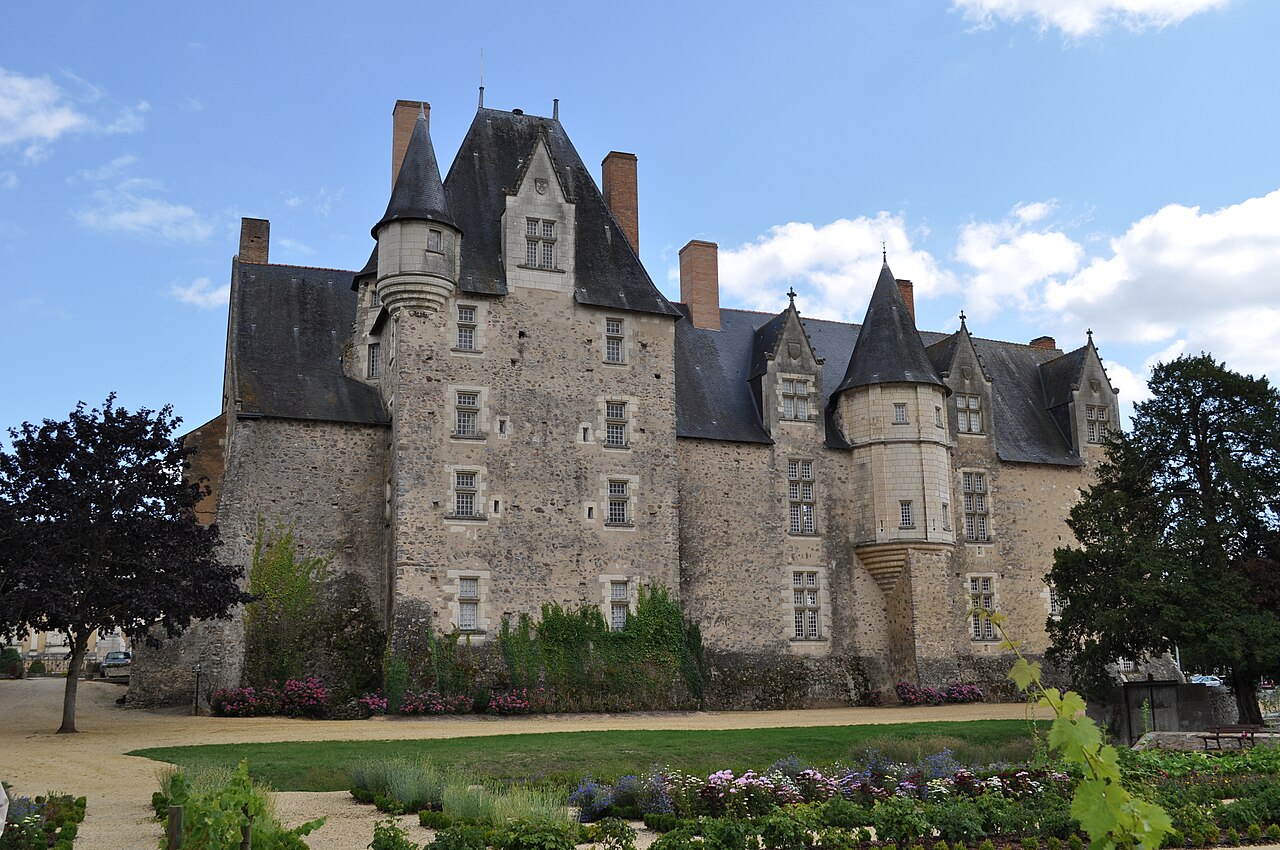
Originally established as a defensive stronghold between the 10th and 11th centuries, Château du Lude was strategically positioned on the banks of the Loir River to guard the borderlands of Maine, Anjou, and Touraine from Norman and English incursions. Its early form was a wooden motte-and-bailey fortress known as the fort de la Motte, constructed for rapid defense during the turbulent early medieval period. Over the centuries, the château transformed architecturally and functionally, reflecting the shifting needs and tastes of its noble owners.
Medieval origins and military significance
The castle's earliest recorded military importance dates to the early 11th century when it was known as castellum lusdii. In 1027, the fortress was besieged by Alain de Bretagne during a conflict with Foulques Nerra, Count of Anjou, underscoring its strategic role in regional power struggles. By the late 13th century, the wooden structures were replaced by substantial stone fortifications, including deep ditches, ramparts, and a defensive spur designed to withstand prolonged sieges.
During the Hundred Years’ War, the château was a contested site. It withstood attacks and was occupied by English forces between 1425 and 1427. The castle was eventually reclaimed through a siege led by notable French commanders such as Ambroise de Loré, Gilles de Rais, and Jean de Bueil. These events highlight the château's enduring military importance during one of France's most turbulent eras.
Renaissance transformation under the daillon family
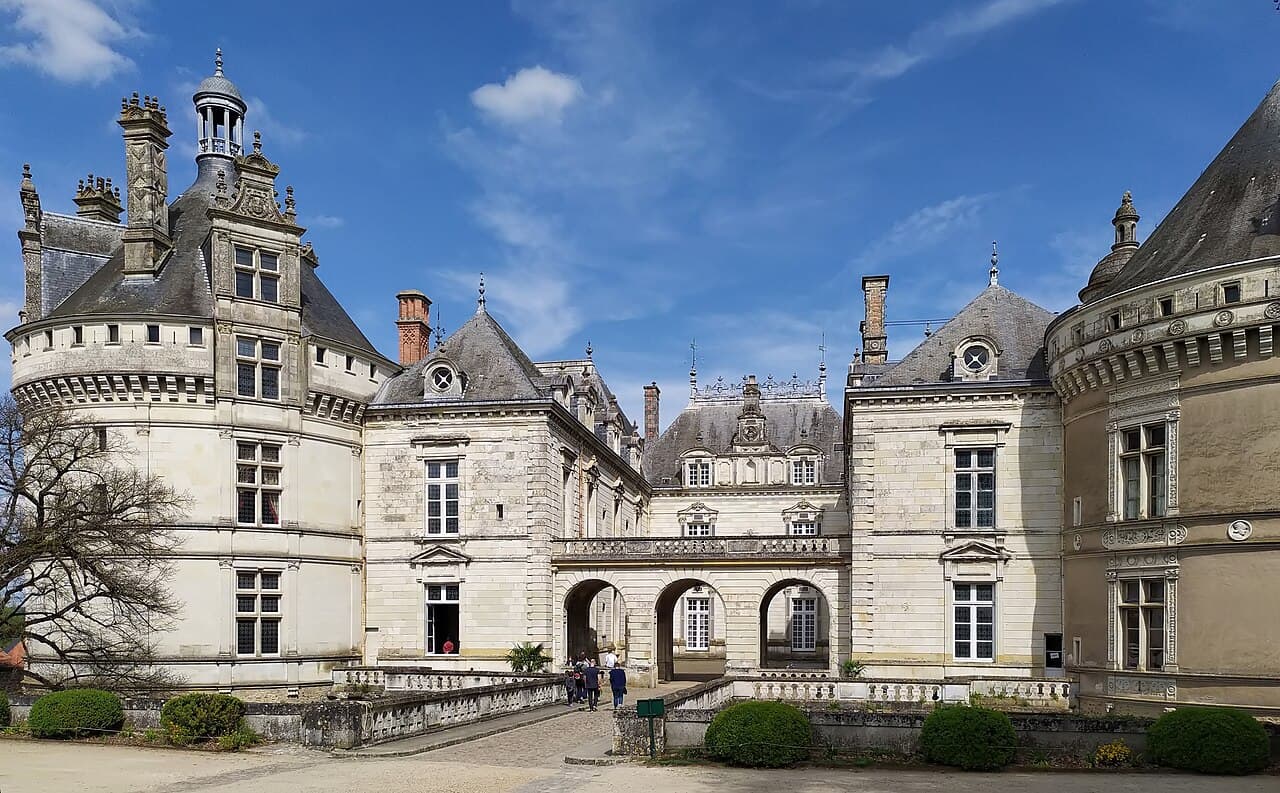
In 1457, Jean de Daillon, chamberlain to King Louis XI and childhood companion to the monarch, acquired the property. Beginning in 1479, he commissioned architect Jean Gendrot to convert the medieval fortress into a pleasure residence reflecting Renaissance aesthetics. This transformation spanned nearly five decades, culminating in the completion of the François I façade by 1530. This façade is notable for its Italian Renaissance stylistic elements, including mullioned windows framed by pilasters, sculpted medallions, and heraldic porcupine emblems referencing King Louis XII.
The Daillon family continued to enhance the château over the following centuries, elevating their barony to a county in 1545 and later to a duchy-peerage in 1675 under Henry de Daillon, the first Duke of Le Lude. The château hosted royal visitors such as King Henri IV in 1598 and Louis XIII in 1619, reflecting its status as a significant noble residence.
18th and 19th-century neoclassical and neo-gothic additions
After the death of Henry de Daillon without heirs in 1685, the château passed through several noble families before being sold in 1751 to Joseph Julien Duvelaër, a Dutch corsair connected with the French East India Company. His niece, Françoise Butler, Marquise de La Vieuville, undertook significant neoclassical renovations starting in 1787, commissioning architect Jean-Benoît-Vincent Barré to build a new northeast wing. This addition reoriented the château’s main façade and introduced classical design elements characteristic of the Louis XVI style.
The Talhouët family, who inherited the estate in the late 18th century, carried out extensive 19th-century restorations. Architects such as Pierre-Félix Delarue and Henri Darcy contributed to these works, which included the elevation of the northwest tower and a neo-Gothic redesign of the northern façade in 1853. This façade features pointed dormer windows, stone balconies, pinnacles, and a central equestrian statue of Jean de Daillon, blending romantic and medieval revival motifs.
Architectural features and interior highlights
The château’s layout centers on three wings arranged around a horseshoe-shaped courtyard, framed by robust round towers dating from the early 17th century. The structure rises six stories and covers approximately 2,000 square meters. Medieval defensive features such as machicolations and deep ditches remain visible, preserving its fortress origins.
The François I façade facing southeast exhibits Italian Renaissance details with pilasters, pediments, and sculpted medallions. The inner courtyard displays late French Renaissance decoration, including black and pink marble plaques and richly sculpted vegetal capitals. The neoclassical northeast wing presents a three-story façade with niches, medallions, and a triangular pediment bearing the Talhouët-La Vieuville family coat of arms.
Inside, the north wing houses a Renaissance-style vestibule with a stone coffered ceiling bearing the Daillon family arms. A grand 19th-century stone staircase leads to the northwest tower, beneath which is displayed a bronze statue known as the "Ange du Lude," a 15th-century work originally from the Sainte-Chapelle in Paris. The château also contains a rare 16th-century painted oratory with biblical and allegorical frescoes from the school of Raphael, as well as vaulted 15th-century kitchens equipped with original Renaissance fireplaces and bread ovens.
Gardens and landscape design
The château is surrounded by six hectares of gardens classified as a Jardin remarquable. These gardens reflect centuries of evolution, combining French formal and English landscape styles. Key features include a rose garden, a labyrinth bordered by clipped yew hedges, and a botanical walk showcasing diverse tree and shrub species from Asia and America.
The gardens incorporate a 17th-century terrace supported by former city fortifications overlooking the Loir River. The defensive ditches were filled in the 18th century to create a hanging garden facing the Louis XVI wing. In 1851, an irrigation system powered by a water-lifting machine was installed, later replaced by a hydraulic tympanum, which was classified as a historic monument in 2012.
Landscape architect Édouard André redesigned the gardens in 1882, introducing romantic elements that complement the château’s historic architecture. The extensive potager or kitchen garden spans two hectares across three terraces and includes rare and heritage fruits and vegetables. This private garden opens to visitors during special events, continuing the château’s tradition of botanical excellence.
Cultural significance and preservation
Château du Lude remains a living monument, continuously inhabited and cared for by the descendants of its historic owners, currently Count and Countess Louis-Jean de Nicolaÿ. The château has been recognized for its architectural and historical importance, with many parts classified as historic monuments, including its façades, oratory, kitchens, and gardens.
The site has also served as a cultural venue, hosting a long-running sound and light show between 1958 and 1995, and an annual garden festival that awards excellence in botanical literature. These activities contribute to the château’s role as a vibrant center of heritage and culture in the Loire Valley.
Frequently asked questions (FAQ)
- What is the historical significance of Château du Lude?
- Château du Lude is a remarkable example of French Renaissance architecture, dating back to the 15th century. It has played an important role in the history of the region and has been home to several notable families, contributing to its rich cultural heritage.
- When was Château du Lude built?
- The construction of Château du Lude began in the late 15th century and continued into the 16th century. Over the years, it has undergone various renovations and restorations, preserving its historical charm while adapting to modern needs.
- Can I visit Château du Lude?
- Yes, Château du Lude is open to the public, allowing visitors to explore its stunning architecture and beautiful gardens. Guided tours are available, providing insights into its history and the lives of its former inhabitants.
- What are the opening hours for Château du Lude?
- The opening hours for Château du Lude vary by season, typically operating from April to October. During peak tourist months, the castle is open daily, while in the off-season, it may have limited hours, so checking ahead is recommended.
- Is it possible to visit the gardens at Château du Lude?
- Yes, visitors can enjoy the exquisite gardens at Château du Lude, which are renowned for their beauty and design. The gardens complement the castle's architecture and provide a serene environment for a leisurely stroll.
- What are the ticket prices for Château du Lude?
- Ticket prices for Château du Lude vary depending on the type of tour and age of the visitor. Generally, reduced rates are available for children and groups, making it an accessible destination for families.
- When is the best time to visit Château du Lude?
- The best time to visit Château du Lude is during the spring and early autumn months when the weather is pleasant, and the gardens are in full bloom. This allows for an enjoyable experience both inside the castle and outside in the gardens.
- Is Château du Lude accessible for visitors with disabilities?
- Château du Lude strives to be accessible to all visitors, with facilities and resources in place to assist those with disabilities. It is advisable to contact the castle in advance to ensure a comfortable visit.
- Are there any nearby attractions to visit while at Château du Lude?
- Yes, the area surrounding Château du Lude offers several attractions, including charming villages and other historical sites. Visitors can explore local markets, enjoy scenic walks, and discover more about the region's rich history.
Photo gallery

Information
Loading map...
Visitor reviews
No reviews yet. Been here? Write the first review and help other travelers!
Write the first reviewVisited this castle? Share your experience
Your review helps other travelers and adds first-hand knowledge to our encyclopedia.