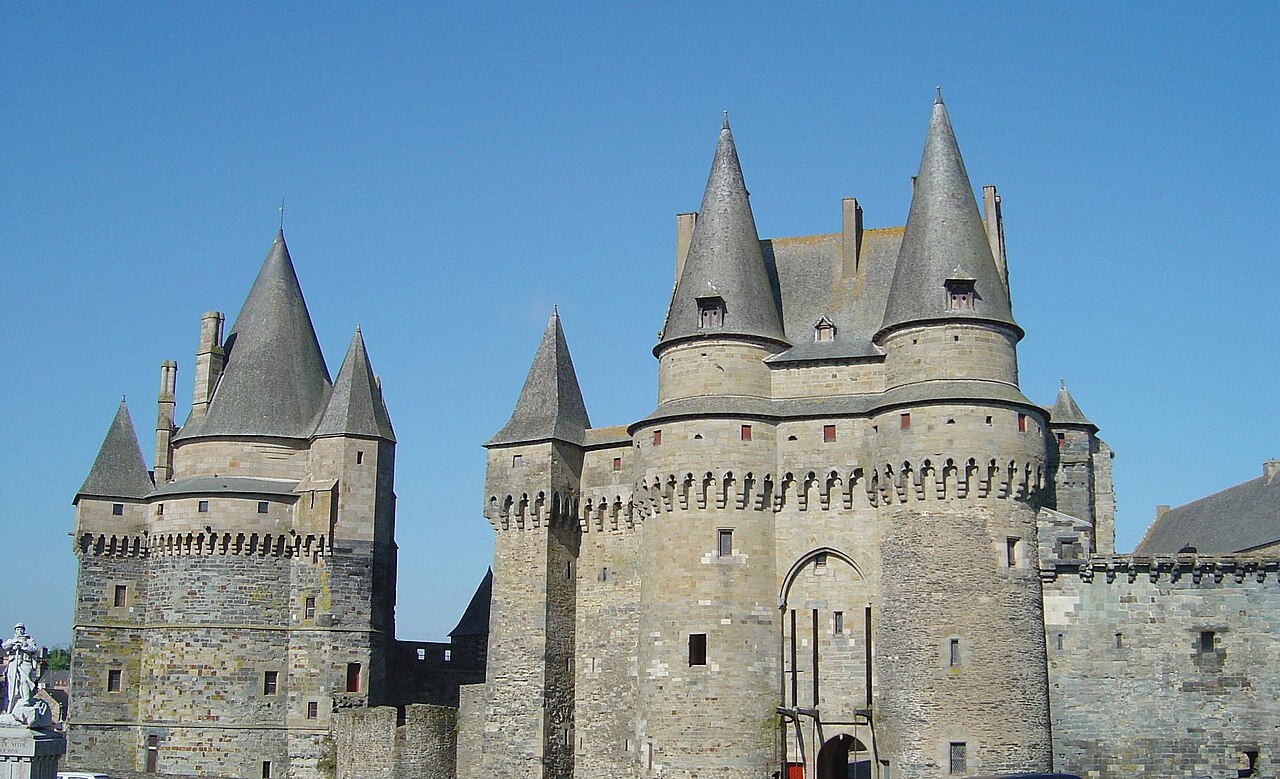
Château des Rochers-Sévigné
The Château des Rochers-Sévigné is a notable Renaissance château located in Vitré, France. This historic estate has deep roots dating back to the 12th century when it was originally owned by the Mathefelon family. In 1410, the château passed by marriage to the Sévigné family, who would transform and rebuild the estate into the elegant residence it is known for today.
The architectural evolution and Renaissance rebuilding
During the early 16th century, the Sévigné family undertook significant reconstruction of the château, reflecting the architectural trends of the Renaissance period. This rebuilding introduced refined stonework, symmetrical layouts, and classical details that marked a departure from medieval fortress styles. The château's design includes characteristic Renaissance elements such as large windows, ornate chimneys, and balanced proportions, which together create a harmonious and elegant appearance.
Madame de Sévigné and her influence
Between 1644 and 1690, the château gained historical prominence as the residence of Madame de Sévigné, a celebrated French aristocrat and letter writer. During her time at Les Rochers, she refurnished the house, enhancing its interiors to suit contemporary tastes and comfort. Madame de Sévigné also took a personal interest in the surrounding gardens, naming the various paths that wove through the grounds, reflecting her intimate connection to the estate.
The French gardens by André Le Nôtre
In 1689, Madame de Sévigné's son commissioned the renowned landscape architect André Le Nôtre to design the château's gardens. Le Nôtre, famous for his work on the gardens of Versailles, created a formal French garden characterized by geometric patterns, carefully trimmed hedges, and water features. These gardens exemplify the principles of order and symmetry that define the French formal garden style, enhancing the château's grandeur and aesthetic appeal.
Later ownership and preservation
In 1715, the estate was acquired by the Nétumières family, who undertook further building and restoration works to maintain and improve the château. Their efforts helped preserve the architectural integrity and historical significance of the property through the centuries.
Current status and visitor experience
Today, visitors to the Château des Rochers-Sévigné can explore the estate, including a 17th-century Orangerie that serves as a visitor centre. The centre hosts exhibitions dedicated to Madame de Sévigné and the château's history, providing rich cultural context and insight into the life and times of its notable residents. The preserved gardens and the château's Renaissance architecture offer a vivid glimpse into the estate's past.
Architectural features and cultural significance
The château's architectural ensemble includes stone façades with Renaissance ornamentation, large mullioned windows, and decorative chimneys. The layout balances residential comfort with aesthetic refinement, typical of French noble estates of the period. The gardens by Le Nôtre are a key highlight, illustrating the integration of architecture and landscape design in French heritage.
The Château des Rochers-Sévigné remains an important cultural landmark in the Brittany region, reflecting centuries of French aristocratic life, architectural evolution, and garden artistry. Its preservation allows for ongoing appreciation of Renaissance architecture and the legacy of Madame de Sévigné, whose correspondence offers valuable historical insights.
Frequently asked questions (FAQ)
- How do I get to Château des Rochers-Sévigné?
- Château des Rochers-Sévigné is located in Vitré, France, easily accessible by car and public transport. If you are traveling by train, the nearest station is Vitré, which is about 3 kilometers away from the castle. Local buses and taxis can help complete your journey from the station to the castle.
- What is the historical significance of Château des Rochers-Sévigné?
- Château des Rochers-Sévigné is a remarkable example of 17th-century architecture and is notable as the former residence of the famous French writer Madame de Sévigné. The castle not only reflects the elegance of its time but also provides insight into the life of the French aristocracy during the Ancien Régime. Its history is linked to various historical events and figures, making it an important landmark in the region.
- When was Château des Rochers-Sévigné built?
- The construction of Château des Rochers-Sévigné began in the early 17th century and was completed in 1625. The castle was designed by architect François Mansart, showcasing the classical style that characterized that period. Over the centuries, it has been preserved and remains a beautiful example of historical architecture.
- Can I visit the interior of Château des Rochers-Sévigné?
- Yes, visitors can tour the interior of Château des Rochers-Sévigné during the open season. Guided tours are available, allowing guests to explore the beautifully decorated rooms and learn about the history of the castle. Be sure to check the official website for any updates on tour availability and restrictions.
- Why is the architecture of Château des Rochers-Sévigné noteworthy?
- The architecture of Château des Rochers-Sévigné is noteworthy because it embodies the classical style of the 17th century, characterized by symmetry and grandeur. The use of elegant materials and intricate details reflects the artistic trends of the time. Its design influenced subsequent castle constructions in France, making it a key example of its architectural genre.
- Is it possible to host events at Château des Rochers-Sévigné?
- Yes, Château des Rochers-Sévigné offers facilities for hosting events such as weddings, corporate gatherings, and private celebrations. The picturesque surroundings and historic ambiance provide a unique backdrop for special occasions. Interested parties should contact the castle's management for more information on availability and services.
- What are the opening hours for Château des Rochers-Sévigné?
- Château des Rochers-Sévigné is typically open to visitors from March to November, but the exact hours may vary by season. During peak summer months, the castle often extends its hours to accommodate more visitors. It is advisable to check the official website for the most current opening hours before planning your visit.
- What are the ticket prices for visiting Château des Rochers-Sévigné?
- Ticket prices for Château des Rochers-Sévigné vary based on age and type of visit, with discounts often available for children, students, and seniors. Group rates may also apply, allowing for a more affordable experience for larger parties. Be sure to visit the official website for detailed pricing information and any special offers.
- When is the best time to visit Château des Rochers-Sévigné?
- The best time to visit Château des Rochers-Sévigné is during the spring and early fall when the weather is mild, and the gardens are in full bloom. Additionally, these seasons tend to be less crowded, allowing for a more enjoyable experience. Visiting during special events or exhibitions can also enhance your experience at the castle.
- What nearby attractions should I consider visiting?
- While visiting Château des Rochers-Sévigné, consider exploring Vitré's historic town center, which boasts charming medieval architecture and quaint shops. The nearby Château de Vitré is another significant site worth visiting, offering a glimpse into the region's rich history. Additionally, the stunning natural landscapes surrounding the area provide opportunities for hiking and outdoor activities.
Information
Loading map...
Visitor reviews
No reviews yet. Been here? Write the first review and help other travelers!
Write the first reviewVisited this castle? Share your experience
Your review helps other travelers and adds first-hand knowledge to our encyclopedia.