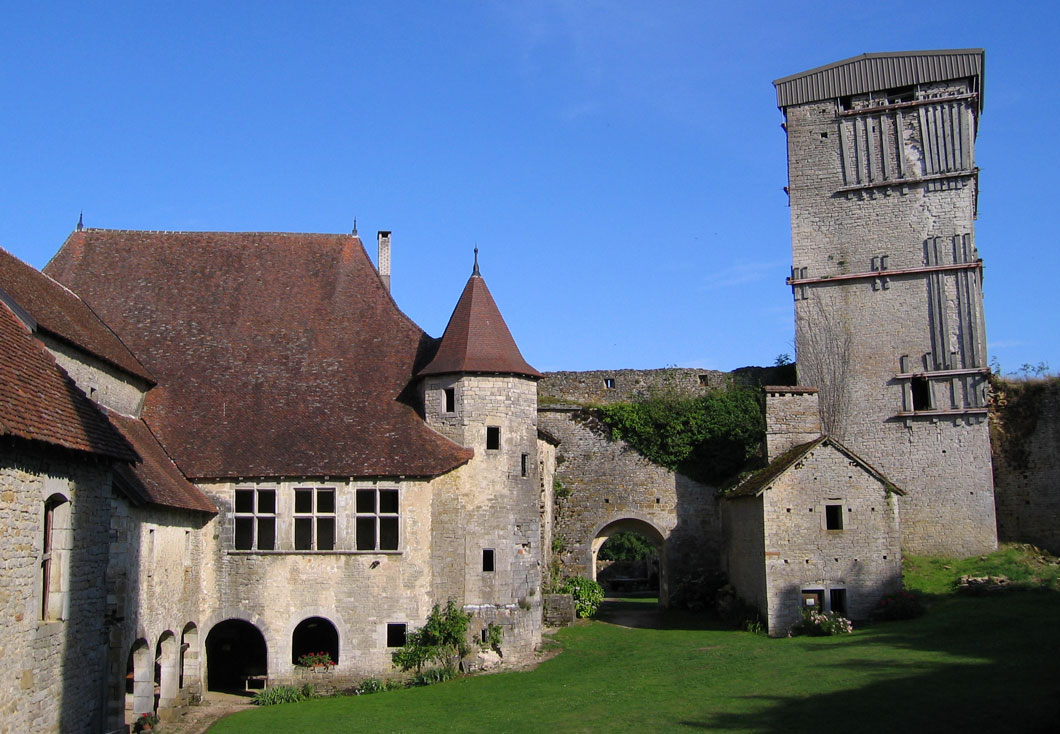
Château de Villersexel
The Château de Villersexel stands as a remarkable example of neo-Louis XIII architecture in the Hauts-de-France region of France. This hill castle occupies a site with a deep aristocratic lineage, reflecting centuries of noble presence and the turbulent history of the region. Originally, the location hosted an older château belonging to the de Grammont family, a lineage that maintained ownership for many generations until the devastating events of the late 19th century.
The original château was destroyed in 1871 during the Battle of Villersexel, a significant conflict linked to the aftermath of the Franco-Prussian War. This battle marked a pivotal moment in the estate's history, ending the era of the de Grammont family's residence. In the wake of this destruction, a new château was commissioned and constructed between 1882 and 1887, embodying the architectural tastes of the late 19th century with a revival style inspired by the Louis XIII period.
Architectural design and features
The château is distinguished by its lofty interiors, with ground floor ceilings reaching heights of up to 6.5 meters, particularly notable in the grand salon. A 70-meter-long gallery lined with large 19th-century bay windows floods the interior with natural light, creating an airy and elegant atmosphere. This gallery serves as a central axis within the château, connecting various rooms and showcasing the architectural harmony of the design.
The interior decoration reflects a rich blend of styles and historical references. The library houses an extensive collection of over 10,000 volumes, including incunabula (early printed books), legal documents pertinent to the Burgundy and Franche-Comté regions, and religious texts associated with the archbishops of Grammont. This collection underscores the château’s role not only as a residence but also as a repository of regional history and ecclesiastical heritage.
The dining room and decorative arts
The dining room is a showcase of the neo-Gothic style popular in the 19th century, featuring richly decorated columns framing doorways, a painted ceiling, and a large bronze chandelier in the rococo manner. The walls are adorned with period velvet coverings, complemented by walnut cabinets and a striking Belgian black marble fireplace. An Aubusson tapestry depicting Saint George defeating the dragon adds a narrative layer, evoking medieval legend and symbolism.
Salons and tapestries
The small salon is decorated with paintings representing the classical four elements above each door, integrating philosophical themes into the interior design. The grand salon, measuring approximately 150 square meters, was purpose-built to display historic Gobelins tapestries illustrating a riding lesson of Louis XIII. Its coffered ceiling is painted deep blue and adorned with motifs representing the four seasons and heraldic bands referencing noble families connected to the château’s history.
Outbuildings and estate grounds
The château estate includes a variety of outbuildings that support its historical agricultural and domestic functions. Among these is a large farm building of nearly 800 square meters, attributed to the renowned 18th-century architect Nicolas Ledoux. Other structures include the Régie entrance pavilion, a concierge’s lodge, a tower housing a garage and apartment, a dairy, an orangery, and an 18th-century riding hall (manège). These buildings are constructed from traditional materials and arranged around the main residence, reflecting the estate’s operational complexity.
Landscape and historical ruins
The château is surrounded by landscaped park grounds that incorporate the ruins of the former château. These ruins lie near the Ognon River and adjacent to the village of Villersexel, providing a tangible connection to the site’s medieval and early modern history. The park and ruins contribute to the estate’s cultural and heritage significance, offering visitors insight into the layered history of the location.
Historical significance and heritage status
Recognition of the château’s historical and architectural value has led to formal protections since 1981. Various components of the estate, including the main château, stables, park, and associated outbuildings, have been designated as historic monuments. In 2005, the primary residence and stables received full classification under French heritage law, while the park and remnants of the old château were formally inscribed. These protections ensure the preservation of the château’s rich legacy for future generations.
Today, the Château de Villersexel remains a private residence while also serving as a cultural venue that celebrates and preserves its historical and architectural heritage. Its combination of 19th-century revival architecture, extensive collections, and well-preserved estate buildings make it a notable example of France’s noble architectural tradition and historical continuity.
Frequently asked questions (FAQ)
- How do I get to Château de Villersexel?
- Château de Villersexel is located in the charming town of Villersexel, France. You can reach it by car or take public transportation from nearby cities, with regular bus and train services available. Parking facilities are usually available on-site for visitors.
- What is the historical significance of Château de Villersexel?
- Château de Villersexel has a rich history dating back to the 16th century, serving as a strategic stronghold during various conflicts in France. It reflects the architectural evolution of the region and has witnessed numerous historical events, making it an important site for understanding French heritage.
- When was Château de Villersexel built?
- The construction of Château de Villersexel began in the early 16th century, with several renovations and expansions occurring over the centuries. Its architecture showcases the transition from medieval fortifications to Renaissance elegance, providing visitors a glimpse into the past.
- Can I take guided tours of the castle?
- Yes, guided tours are available at Château de Villersexel, allowing visitors to explore its rich history and architectural features. It’s recommended to check in advance for tour schedules and availability, especially during peak tourist seasons.
- Why is Château de Villersexel a popular tourist attraction?
- Château de Villersexel attracts visitors for its stunning architecture, lush gardens, and its captivating history. The castle offers a unique opportunity to experience the beauty of French heritage firsthand and is often featured in local cultural events.
- Is it possible to host events at Château de Villersexel?
- Yes, Château de Villersexel is available for private events, including weddings and corporate gatherings. The picturesque setting and historical ambiance make it an ideal venue for memorable occasions.
- What are the opening hours for Château de Villersexel?
- Château de Villersexel is typically open to visitors from March to November, with specific opening hours varying by season. It’s advisable to check the official website or contact the castle directly for the most current opening times before your visit.
- What are the ticket prices for visiting Château de Villersexel?
- Ticket prices for Château de Villersexel vary depending on age and the type of tour chosen, with discounts often available for students and seniors. Group rates may also apply, so it’s best to check the official website for detailed pricing information.
- What is the best time to visit Château de Villersexel?
- The best time to visit Château de Villersexel is during the spring and early autumn months when the weather is mild, and the gardens are in full bloom. Additionally, these seasons often feature fewer tourists, allowing for a more enjoyable exploration of the castle.
- Are there any nearby attractions to visit?
- Yes, there are several attractions near Château de Villersexel, including beautiful parks, historical sites, and charming towns to explore. Visitors can also enjoy local cuisine and cultural experiences in the surrounding area, making it a great addition to your itinerary.
Information
Website
Visit websiteSources & official resources
Verify the information above using these authoritative references.
Loading map...
Visitor reviews
No reviews yet. Been here? Write the first review and help other travelers!
Write the first reviewVisited this castle? Share your experience
Your review helps other travelers and adds first-hand knowledge to our encyclopedia.