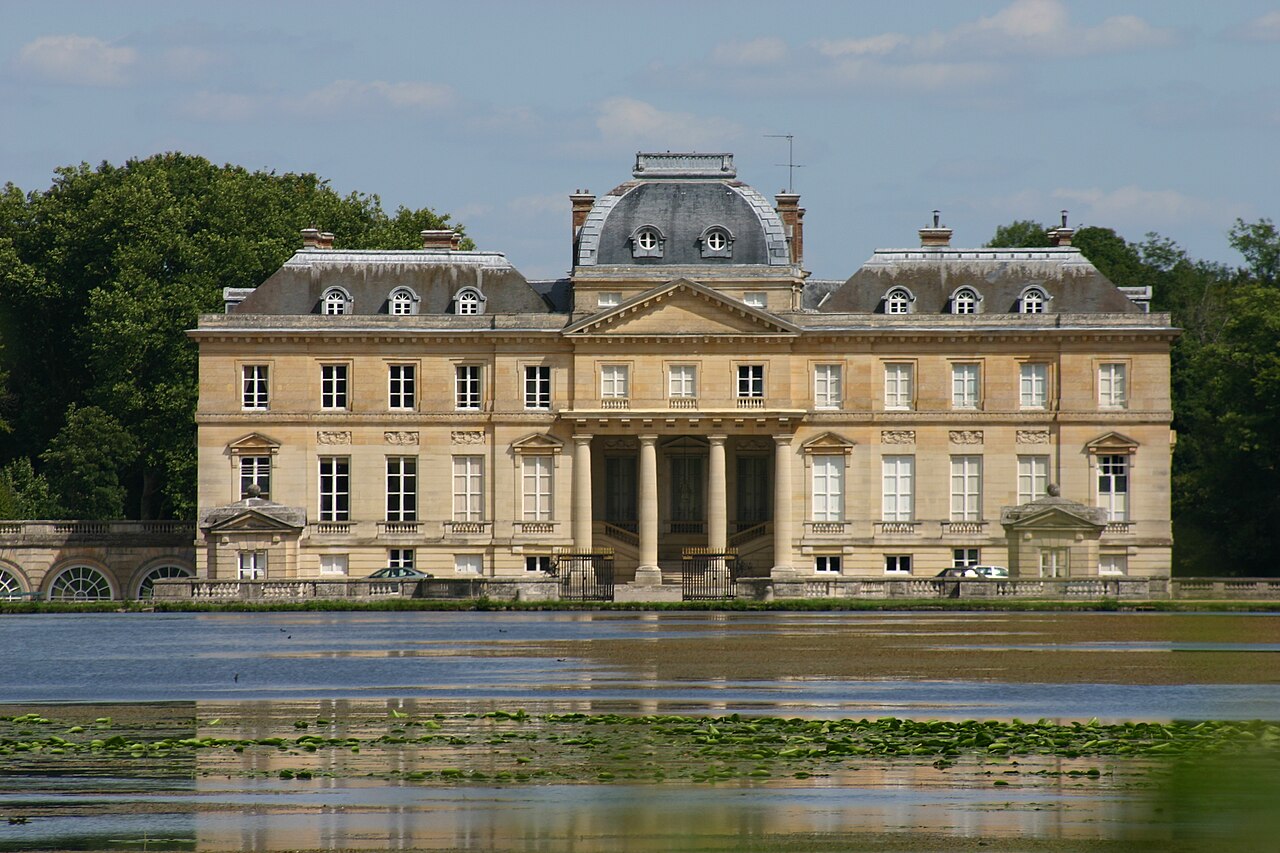
Château de Villeconin
The Château de Villeconin stands as a remarkable example of French noble architecture that bridges the medieval and Renaissance periods. Located in the municipality of Villeconin, France, this castle evolved from a fortified medieval residence into a refined Renaissance manor, reflecting centuries of historical change and architectural innovation. Its enduring features, including a medieval donjon, moats, a guardroom, and a unique underground passage, provide a tangible narrative of the castle's strategic and residential roles through time.
Constructed in the latter half of the 14th century, the château was originally developed by French nobility seeking both defense and status. The estate’s transformation began in earnest after its acquisition in 1372 by Gérard de Montaigu, a favored ally of King Charles V of France. Gérard’s marriage to Biette de Cassinel, the king’s mistress, further entwined the château with royal influence. Under Gérard and subsequently his son Jean de Montagu, the estate was fortified with moats, a donjon, and a subterranean passage connecting it to the nearby Château de la Grange. These features underscored the château’s dual role as a defensive stronghold and noble residence during the volatile early 15th century.
Medieval origins and fortifications
The château's initial construction phase in the late 14th century focused on establishing a defensible manor house. The donjon, a central fortified keep, was built as a stone tower designed to serve as both a refuge and a symbol of lordly power. Its robust walls and elevated position provided strategic advantage against potential attackers. Surrounding the château, the moats were excavated to create water-filled defensive barriers, enhancing security and controlling access.
Additional fortifications included a guardroom designed to house soldiers and oversee the château's defenses. This structure was integral to the castle's military function, enabling surveillance and rapid response to threats. The underground passage linking Château de Villeconin with Château de la Grange is a rare and intriguing feature, allowing discreet movement between estates, which was crucial during periods of conflict and political instability.
Renaissance transformation and architectural evolution
In 1567, the château underwent significant changes under the ownership of the Cochefilet family. Embracing the Renaissance ideals of comfort and aesthetic refinement, the family removed many medieval defensive elements such as the drawbridge. They introduced larger windows to the donjon and guardroom, flooding interiors with light and enhancing livability.
The guardroom was expanded vertically with additional floors, shifting its function from purely military to residential and administrative use. The new entrance replaced the old defensive gate, reflecting the château’s transition from fortress to stately home. These renovations embodied the broader architectural trends of the Renaissance in France, where noble residences balanced fortification with elegance.
Historical vicissitudes and ownership changes
The château's history is marked by notable episodes, including the execution of Jean de Montagu in 1409 by order of Jean sans Peur, Duke of Burgundy, which led to the confiscation of his properties. Later centuries saw the estate pass through several noble families, including the Mérault, d’Ornaison, and Talaru families. The French Revolution brought turmoil, culminating in the execution of the last Marquis de Talaru in 1794 and the subsequent sale of the property as agricultural land, diminishing its noble stature.
In the 20th century, the château was recognized for its historical significance and was declared a historic monument in 1926. Restoration efforts led by Henry de Jouvencel in the 1930s revitalized the château and transformed its grounds into a landscaped park. Public access was introduced in 1973 by Valentine de Jouvencel and Max de Longevialle, with ongoing stewardship by Roland de Longevialle ensuring the preservation of the château’s heritage.
Architectural features and preservation
The Château de Villeconin’s architecture is a compelling blend of medieval fortification and Renaissance refinement. The stone donjon remains a dominant feature, its thick walls and elevated position testament to its defensive origins. The addition of Renaissance-style windows softened its austere medieval character, creating a harmonious balance between security and comfort.
The surviving moats encircle parts of the château, maintaining the visual and functional impression of a fortified estate. The guardroom showcases architectural evolution, with its expanded floors and enlarged windows reflecting changing uses over time. The underground passage is an exceptional element, illustrating the strategic complexity of noble estates in medieval France.
20th-century restorations have preserved these features while adapting the château for modern appreciation. The transformation of the surrounding farmland into a landscaped park has enhanced the château’s setting, blending historical architecture with natural beauty. Today, visitors can explore a site that encapsulates centuries of French noble life, architectural trends, and historical events.
The underground passage: a unique defensive feature
This subterranean corridor linking Château de Villeconin to Château de la Grange is a rare architectural element. It provided a secure and concealed route for communication and movement between the two estates, highlighting the strategic importance of the château within the region. The passage underscores the complexity and foresight involved in medieval estate planning.
The donjon’s role and adaptations
Originally constructed as a fortified keep, the donjon served as the last line of defense and a residence for the lord. Its thick stone walls and limited openings were designed to withstand sieges. During the Renaissance, the addition of large windows transformed the donjon’s interior, prioritizing light and comfort over military utility, reflecting broader societal shifts.
Visiting château de villeconin today
Today, the Château de Villeconin is maintained as a historic monument open to the public seasonally. Visitors can admire its well-preserved medieval and Renaissance architecture, explore the grounds, and learn about its rich history through guided tours. The château’s preservation efforts ensure that its architectural and historical significance continue to be appreciated by new generations.
The château’s location in the Hauts-de-France region places it within a landscape rich in history and cultural heritage. Its proximity to other historic sites, including the Château de la Grange, offers visitors a broader context for understanding the region’s medieval and early modern noble estates.
Frequently asked questions (FAQ)
- How do I visit Château de Villeconin?
- Château de Villeconin is open to the public seasonally, typically during warmer months. Visitors should check the official website or contact the château for current opening times and tour availability.
- What are the main architectural features of Château de Villeconin?
- The château features a medieval donjon, moats, a guardroom, and a unique underground passage connecting it to Château de la Grange, showcasing its evolution from fortress to Renaissance residence.
- When was Château de Villeconin constructed?
- The château was originally built in the latter half of the 14th century, with significant expansions and renovations occurring in the early 15th century and during the Renaissance period.
- Is Château de Villeconin accessible to visitors with mobility issues?
- Access may be limited in some areas due to the château's medieval architecture and historic preservation. Visitors with mobility concerns should inquire in advance about accommodations and accessible routes.
- Why is the underground passage significant?
- The underground passage is a rare feature that allowed secure and discreet movement between Château de Villeconin and Château de la Grange, reflecting strategic defensive planning in medieval noble estates.
Information
Website
Visit websiteSources & official resources
Verify the information above using these authoritative references.
Loading map...
Visitor reviews
No reviews yet. Been here? Write the first review and help other travelers!
Write the first reviewVisited this castle? Share your experience
Your review helps other travelers and adds first-hand knowledge to our encyclopedia.