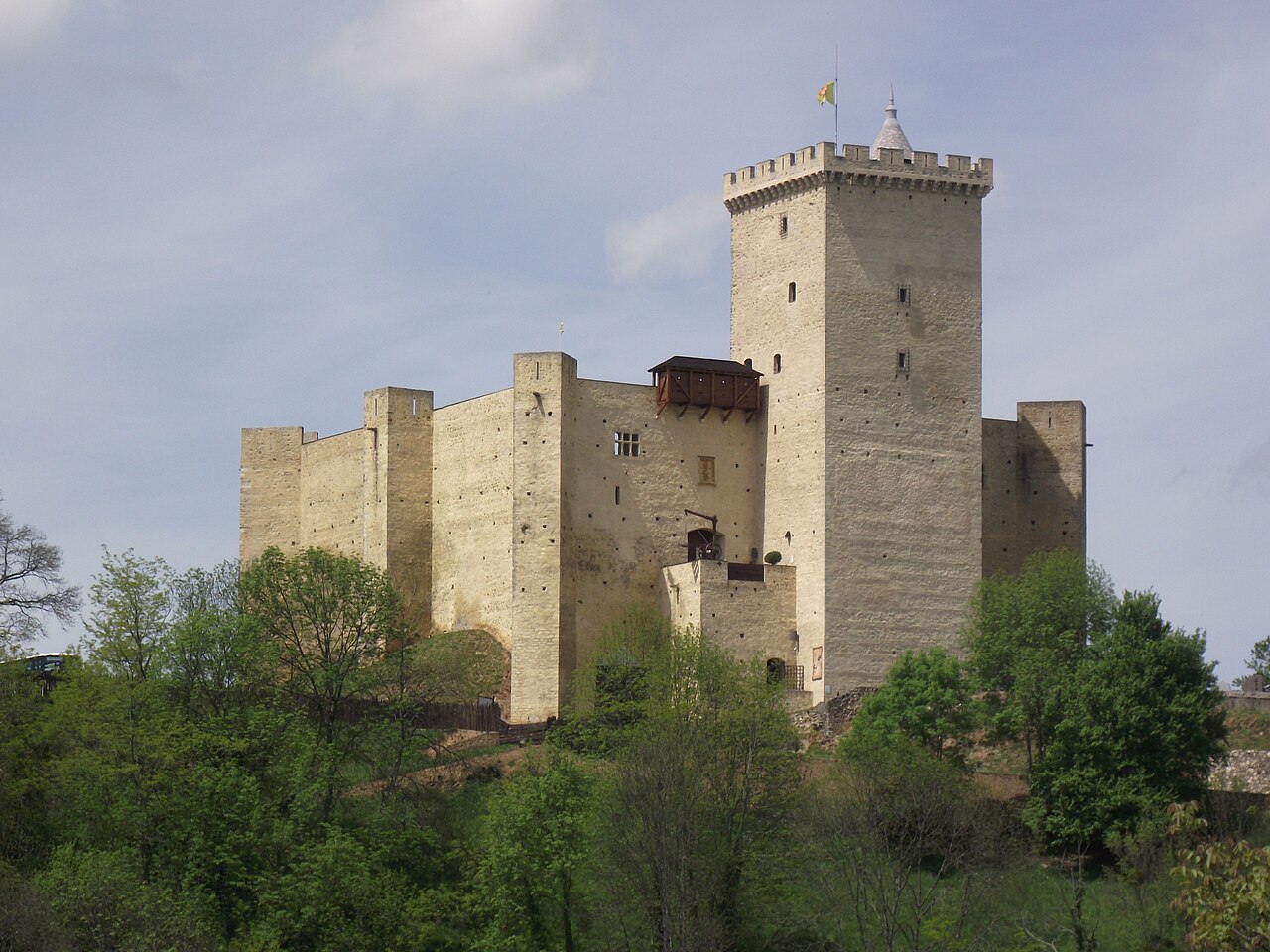
Château de Valmirande
Château de Valmirande stands as a remarkable example of late 19th-century French aristocratic architecture nestled in the scenic town of Montréjeau, France. Built from the ground up beginning in 1892 by Baron Bertrand de Lassus, the château exemplifies a revival of Renaissance and classical architectural styles, drawing inspiration from iconic Loire Valley castles such as Chambord, Chenonceau, and Azay-le-Rideau. The estate is renowned not only for its architectural grandeur but also for its expansive 100-acre park featuring a diverse arboretum and formal gardens, reflecting the cultural tastes and horticultural interests of the French elite during the Belle Époque.
Commissioned by Baron de Lassus, who inherited a substantial fortune from the influential Pillet-Will banking family, the château was designed by the Bordeaux architect Louis Garros. Construction commenced shortly after the purchase of 41 hectares around Montréjeau in late 1892 and early 1893, with the foundation stone ceremoniously laid and blessed by the Archbishop of Toulouse on October 16, 1893. The main building, boundary walls, and accompanying outbuildings were completed by 1898, marking a swift yet meticulous construction period. The family took residence in April 1899, and a formal inauguration followed in November of the same year, officiated by Archbishop Mathieu.
Architectural design and construction
The château’s design is a sophisticated blend of Renaissance revival elements and regional vernacular influences, particularly the Bigourdan style characteristic of the 18th and 19th centuries in the Bigorre region. The main structure stretches approximately 70 meters in length and rises to about 40 meters in height, creating a commanding presence on its hilltop site. The foundation and lower walls utilize robust gray limestone sourced from Lourdes and Arudy, providing a durable and weather-resistant base. Above this, the walls are constructed from striking white stone quarried from Vilhonneur and Sireuil in Angoumois, creating a visually appealing contrast.
The roofing is predominantly finished with slate tiles, chosen for their longevity and elegant appearance. A distinctive architectural feature is the medieval-style tower located 41 meters east of the main house. This tower was ingeniously designed to house a steam heating system, a modern convenience for the era. Its underground boiler room, situated six meters below ground, connects via a tunnel to the chapel’s basement, enabling efficient heat distribution throughout the estate. The tower also contains a coal cellar and an iron staircase, merging functional utility with architectural aesthetics.
The chapel and religious elements
Between 1902 and 1905, a chapel was added as an extension to the château’s east wing, consecrated on March 25, 1905, by Archbishop Germain. The chapel’s interior is richly decorated with marble, stained glass windows, and enamel work, reflecting the religious devotion of the Lassus family. A notable artistic highlight is a statue of Christ sculpted by the renowned artist Louis-Ernest Barrias. This sacred space underscores the château’s strong ecclesiastical connections and the importance of faith in the estate’s identity.
Landscape and gardens
The château is set within a vast and meticulously designed park created by the esteemed landscape architects Denis and Eugène Bühler. The grounds feature an impressive arboretum containing over 180 tree species, including majestic Virginia tulip trees, various species of cedars from Lebanon, the Atlas Mountains, and the Himalayas, as well as bald cypresses native to Louisiana, magnolias, and a weeping linden. This botanical diversity reflects the global plant collecting trends popular among European aristocracy at the turn of the 20th century.
In 1912, two formal French-style parterres were added to the north and south of the château, designed by Édouard André’s son. These gardens enhance the vistas toward the Pyrenees Mountains, the Neste valley, and the historic town of Saint-Bertrand de Comminges, integrating the natural landscape with the estate’s cultivated beauty.
Outbuildings and estate features
The estate includes several ancillary buildings arranged to form a small village-like cluster. Among these is a round tower finished with Portland cement designed to imitate rusticated stonework, which houses a water well. Other outbuildings include stables, a tack room, and a small house built specifically for a photographer who accompanied Baron de Lassus on mountain excursions. These structures contribute to the estate’s self-sufficiency and reflect the lifestyle of the French aristocracy during this period.
Historical significance and preservation
Château de Valmirande remained in the possession of the Lassus family for over a century, with Baroness Simone de Lassus owning it until 2015 before passing it to her son, Bertrand de Lassus. Recognizing its cultural and historical importance, the château and its grounds were progressively protected as historic monuments starting in 1976. By 1992, the classification was expanded to include the main building, park, and outbuildings, ensuring comprehensive heritage protection.
The gardens were officially recognized as a remarkable garden by the French Ministry of Culture until 2017, highlighting their botanical significance and landscape design excellence. Despite being a private residence with original furnishings preserved, the château allows limited public access to the chapel and some outbuildings, maintaining a delicate balance between private ownership and cultural heritage.
Today, Château de Valmirande stands as a testament to French aristocratic life at the turn of the 20th century, showcasing the fusion of historic architectural styles, modern conveniences, and extensive landscape design. Its preservation as a historic monument ensures that this unique estate continues to captivate historians, architects, and visitors who appreciate the grandeur and cultural richness of this era.
Frequently asked questions (FAQ)
- How do I get to Château de Valmirande?
- Château de Valmirande is located in Montréjeau, France, easily accessible by car or public transport. The nearest train station is Montréjeau-Gourdan-Polignan, which is about 5 km from the castle, making it convenient for visitors traveling from larger cities.
- What is the historical significance of Château de Valmirande?
- Château de Valmirande dates back to the 13th century and has a rich history as a noble residence. It played a significant role in the regional power dynamics during the medieval period and has been preserved as an important cultural heritage site in France.
- When was Château de Valmirande built?
- The construction of Château de Valmirande began in the 13th century, with several renovations and expansions occurring over the centuries. Its architecture reflects various styles, showcasing the evolution of castle design from medieval to Renaissance influences.
- Can I take guided tours of the castle?
- Yes, guided tours of Château de Valmirande are available for visitors, providing insights into its history and architecture. It is recommended to book in advance, especially during peak tourist seasons, to ensure a spot on a guided tour.
- Why is Château de Valmirande a popular tourist destination?
- Château de Valmirande is popular due to its stunning architecture, beautiful gardens, and fascinating history. Visitors are drawn to its picturesque setting and the opportunity to explore the rich cultural heritage of the region.
- Is it possible to host events at Château de Valmirande?
- Yes, Château de Valmirande offers facilities for hosting events such as weddings and corporate gatherings. The enchanting backdrop and historical ambiance make it an ideal location for memorable occasions.
- What are the opening hours for Château de Valmirande?
- Château de Valmirande is typically open to visitors from 10 AM to 6 PM, Tuesday through Sunday. However, it is advisable to check their official website or contact them directly for any seasonal changes in hours.
- What are the ticket prices for visiting the castle?
- Ticket prices for Château de Valmirande vary depending on age and group size, with discounted rates for students and seniors. Children under a certain age may enter for free, making it an affordable outing for families.
- What is the best time to visit Château de Valmirande?
- The best time to visit Château de Valmirande is during the spring and early fall when the weather is pleasant and the gardens are in full bloom. This allows visitors to fully enjoy the outdoor spaces and the scenic views surrounding the castle.
- Are there any nearby attractions to visit along with Château de Valmirande?
- Yes, there are several nearby attractions, including the charming town of Montréjeau and the scenic Pyrenees mountains. Visitors can also explore local markets and hiking trails, making it a great day trip for history and nature enthusiasts.
Information
Opening hours
Limited public access to chapel and some outbuildings
Ticket prices
Not generally open to the public
Architect
Louis Garros
Current owner
Private owner
Website
Visit websiteSources & official resources
Verify the information above using these authoritative references.
Loading map...
Visitor reviews
No reviews yet. Been here? Write the first review and help other travelers!
Write the first reviewVisited this castle? Share your experience
Your review helps other travelers and adds first-hand knowledge to our encyclopedia.