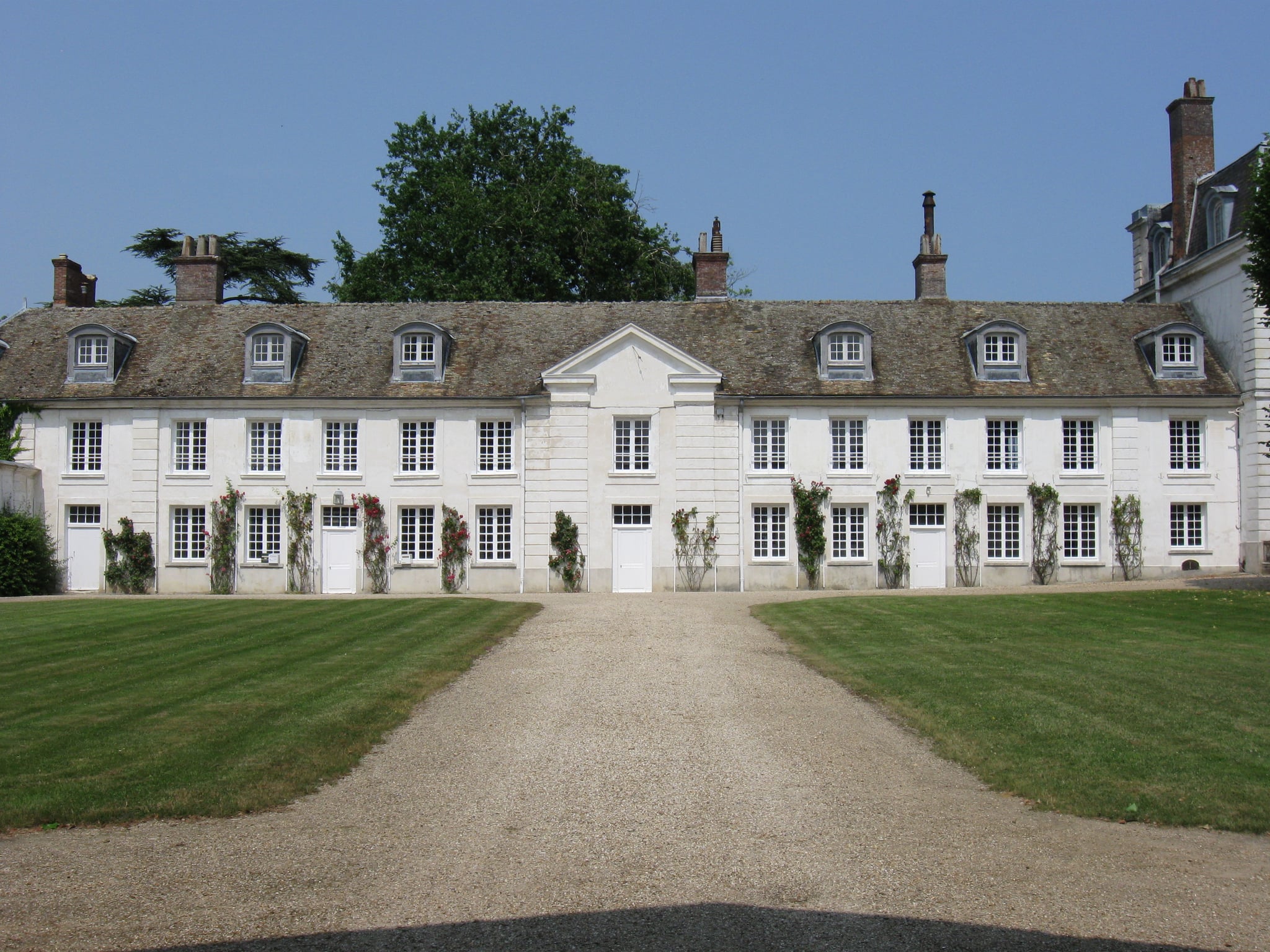
Château de Neuville
The Château de Neuville stands as a distinguished example of 16th-century French Renaissance architecture nestled in the Hauts-de-France region. This hill castle was originally constructed under the patronage of Joachim de Bellengreville, the Grand Prévôt de l’Hôtel du Roy, responsible for the security of King Henri IV's court. The château's design is attributed to the renowned architect Jacques I Androuet du Cerceau, a key figure in late Renaissance architecture who contributed significantly to royal projects during the reigns of Catherine de Médicis and Henri III. The estate exemplifies the distinctive brick and stone construction typical of the Henri III architectural style, blending aesthetic refinement with structural resilience.
Historical lineage and royal connections
Constructed during the late 16th century, the château's early history is deeply intertwined with the French royal court. After its foundation by Bellengreville, the estate passed through several notable hands, each contributing to its prestige and development. In 1672, Jean-Baptiste Vallot acquired the property and elevated its status by establishing the marquisate of Neuville. Subsequently, in 1690, the château was purchased by François de Nyert, a prominent courtier who served as valet de chambre to Louis XIV and held governorships at Limoges and the Louvre. This connection further cemented the château’s importance within aristocratic circles.
The mid-18th century marked a significant transformation under Catherine de Revol, daughter of François de Nyert, who undertook extensive renovations in 1750. Her work modernized both the interior and exterior, commemorated by a plaque honoring Agnès de Revol above the main honor staircase. Financial difficulties forced the sale of the estate in 1765 to Clément Charles François de L’Averdy, a leading academic and Controller-General of Finances during the reign of Louis XV. L’Averdy's tenure ended tragically during the French Revolution when he was executed by guillotine in 1793.
Following revolutionary confiscation, the château was restored to private ownership by the Marquis de Labriffe in 1795, L’Averdy’s son-in-law. Since then, the estate has remained with descendants of the Labriffe and Jousseaume de La Bretesche families, preserving a continuous lineage through centuries of French history.
Architectural features and estate layout
The château’s architecture embodies the late Renaissance style prevalent under King Henri III, characterized by a harmonious combination of brick and stone masonry. This approach not only enhanced the château’s visual appeal but also ensured its durability against the region’s climate.
Main honor staircase and commemorative elements
A focal point of the château’s interior is the perron d’honneur or main honor staircase, a grand architectural feature symbolizing status and elegance. Above this staircase, a commemorative plaque honors Agnès de Revol, highlighting the significant renovations she initiated in 1750. This plaque serves as a tangible link to the château’s layered history and the individuals who shaped its form.
Quadrilateral farm and agricultural heritage
Integral to the estate is a quadrilateral farm constructed between 1701 and 1702. This farm complex reflects the château’s role as a self-sustaining noble estate, designed to support agricultural operations while maintaining architectural cohesion with the main residence. The farm’s layout and construction are representative of early 18th-century rural estate planning in France.
Grounds and landscaped park
Surrounding the château is an expansive 110-hectare park, enclosed by walls and densely wooded, creating a secluded and picturesque environment. The park features a pond bordered by large rhododendrons, exemplifying the French aristocratic tradition of integrating natural beauty with cultivated landscapes. This setting enhances the château’s grandeur and offers insight into the lifestyle and aesthetic preferences of its historical inhabitants.
Modern history and preservation efforts
The château’s 20th-century history reflects the tumultuous events of global conflicts, having been occupied by both German and American forces. This period led to neglect and deterioration, necessitating extensive restoration work commencing in 1966. These efforts have been ongoing and aim to preserve the château’s architectural integrity and historical significance.
Official recognition of the château’s cultural value came in 1972 when it was classified as a historic monument, including the château, its farm, and the surrounding estate. Further registration of the domain in 1995 reinforced its protected status, ensuring conservation measures and promoting awareness of its heritage.
Archaeological discoveries and cultural legacy
In 2015, archaeological excavations uncovered the site of a film-related cabin used during the production of the 1970s film Peau d’Âne. This discovery adds a unique cultural layer to the château’s history, linking it to modern artistic endeavors and expanding its narrative beyond purely architectural and aristocratic contexts.
Today, the château remains inhabited by descendants of the original families and occasionally hosts ceremonies and film productions. This ongoing use bridges the château’s rich historical past with contemporary cultural life, maintaining its relevance and vibrancy in the modern era.
Significance and heritage value
The Château de Neuville stands as a remarkable testament to French Renaissance architecture and aristocratic history. Its well-preserved structures, extensive grounds, and documented lineage provide valuable insights into the social, cultural, and architectural developments from the 16th century through the present day. The château’s integration of royal connections, agricultural estate functions, and cultural heritage make it a significant monument within the Hauts-de-France region and a noteworthy example of France’s noble estates.
Frequently asked questions (FAQ)
- When was Château de Neuville built and by whom?
- Château de Neuville was built in the late 16th century by Joachim de Bellengreville, with design attributed to architect Jacques I Androuet du Cerceau.
- What architectural style characterizes Château de Neuville?
- The château features a mixed Renaissance style, notably the Henri III style, combining brick and stone construction typical of late 16th-century French architecture.
- Can visitors explore the grounds and park of Château de Neuville?
- Yes, the château is set within a 110-hectare walled and wooded park featuring a pond and landscaped gardens, which visitors can explore during open hours.
- What historical figures are associated with Château de Neuville?
- Notable figures include Joachim de Bellengreville, Jean-Baptiste Vallot, François de Nyert, Catherine de Revol, and Clément Charles François de L’Averdy, all linked to the château’s history.
- Is Château de Neuville protected as a historic monument?
- Yes, it was classified as a historic monument in 1972, with further domain registration in 1995, ensuring its preservation and cultural significance.
Information
Website
Visit websiteSources & official resources
Verify the information above using these authoritative references.
Loading map...
Visitor reviews
No reviews yet. Been here? Write the first review and help other travelers!
Write the first reviewVisited this castle? Share your experience
Your review helps other travelers and adds first-hand knowledge to our encyclopedia.