Château de Montgey

Château de Montgey: medieval fortress and historic landmark in Montgey, France
Montgey, Occitanie, France
High Medieval (11th–13th c.)
Partially Preserved

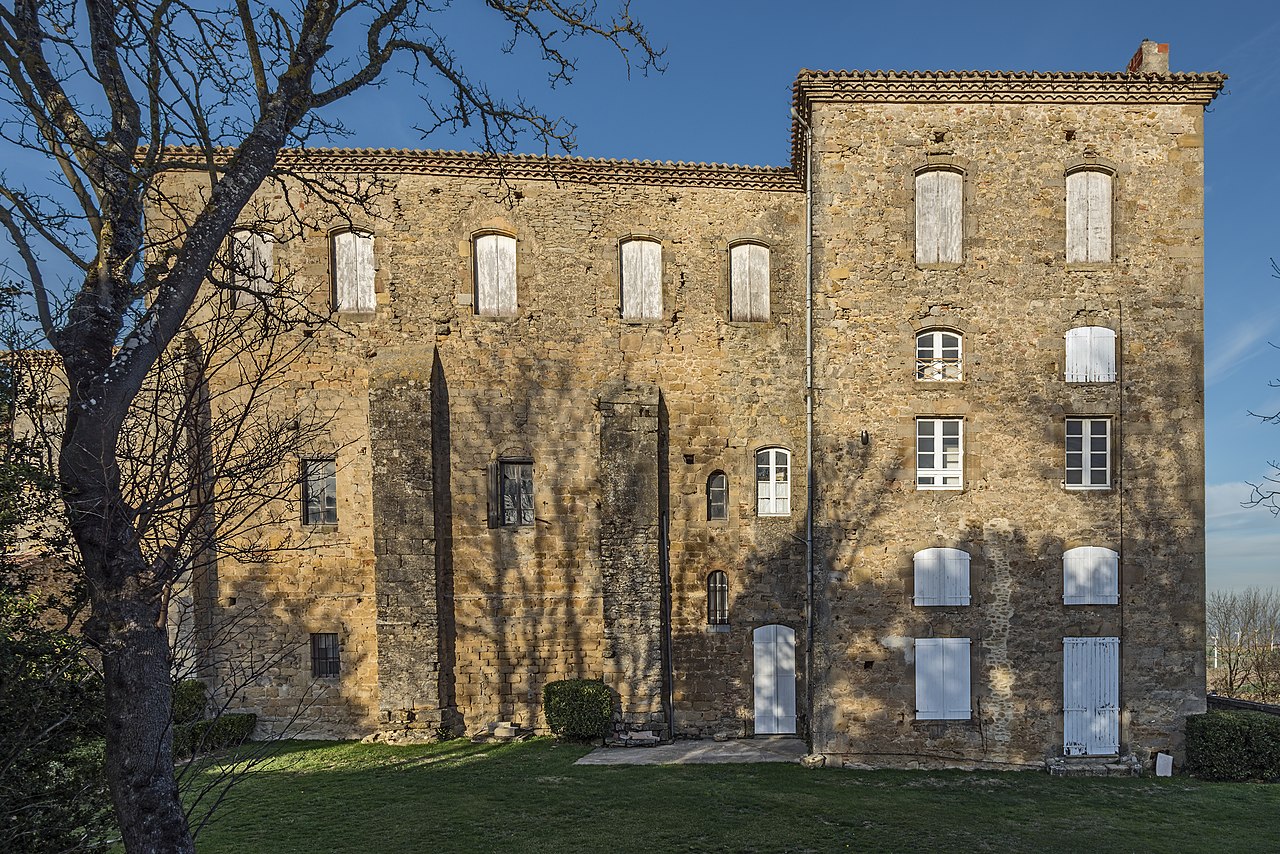
Château de Montgey stands prominently on a hill overlooking the plain of Revel in the commune of Montgey, France. This historic castle reflects a complex construction history spanning the 12th, 13th, and 17th centuries, with significant architectural elements preserved alongside later additions. The castle's origins are somewhat obscure, but it is well documented that a fortification existed here at the beginning of the 13th century.

The castle's medieval origins and historical context

The earliest records associate Château de Montgey with the turbulent period of the Albigensian Crusade. In the spring of 1211, the castle's vicinity was the site of the Battle of Montgey, where Crusader forces suffered a significant defeat. This battle was part of the wider campaign against the Cathar heresy in southern France. In retaliation for this loss, the Crusader leader Simon de Montfort ordered the destruction of the village and the castle, a common punitive measure in medieval warfare aimed at suppressing resistance.

Despite this devastation, the castle was swiftly rebuilt by its lord, Jourdain de Roquefort, who was closely allied with Raymond VII, Count of Toulouse. This reconstruction underscores the strategic and symbolic importance of Château de Montgey in the region during the High Medieval period.

Architectural features and later modifications

The castle's original medieval structure was likely a fortified stone residence with defensive walls and a keep, typical of High Medieval hill castles in this part of France. Over time, the castle underwent several changes in ownership through sales, marriages, and inheritances, which influenced its architectural evolution.

Remarkably, Château de Montgey survived the Wars of Religion in France without significant damage, a testament to either its strategic insignificance during those conflicts or effective defensive measures.

In the 18th century, additional buildings were constructed outside the original ramparts, featuring vaulted cellars that reflect the architectural styles and functional needs of that era. The 19th century saw the addition of a small crenellated dungeon tower overlooking the rooftops, blending medieval defensive motifs with the period's romanticized view of castle architecture.

The church and restored tower

Adjacent to the castle is a church with a recently restored tower, which contributes to the site's historical and architectural ensemble. The restoration efforts have helped preserve the cultural heritage of Montgey, maintaining the connection between the castle and the religious structures that often accompanied medieval fortifications.

Ownership and current status

Today, Château de Montgey remains a private property, which limits public access but helps ensure its preservation. Its position on a hill provides commanding views of the surrounding plain, emphasizing its original defensive purpose and its role as a local landmark.

Significance in regional history

Château de Montgey is an important example of a High Medieval hill castle in southern France that witnessed significant historical events, including military conflicts and political shifts during the 13th century. Its survival through centuries of turmoil and architectural adaptations illustrates the layered history typical of many French castles.

The castle's connection to figures such as Simon de Montfort and Raymond VII of Toulouse anchors it firmly in the narrative of the Albigensian Crusade and the complex feudal dynamics of medieval Languedoc.

Architectural classification and style

Château de Montgey is classified as a hill castle, a type characterized by its elevated position for strategic defense. Its architectural style is predominantly High Medieval, with later additions reflecting evolving tastes and functions. The presence of vaulted cellars and crenellated towers highlight typical medieval defensive and residential features adapted over time.

Visiting information and accessibility

As a private castle, Château de Montgey is not generally open to the public, but its exterior and surrounding landscape can be appreciated from public vantage points in the village of Montgey. Visitors interested in medieval architecture and the history of the Albigensian Crusade may find the site and its context valuable for study and exploration.

Frequently asked questions (FAQ)

How do I get to Château de Montgey?
Château de Montgey is located in the picturesque village of Montgey, France. The easiest way to reach the castle is by car, with ample parking available nearby. Public transport options may include regional trains or buses that connect to Montgey from larger cities.
What is the historical significance of Château de Montgey?
Château de Montgey dates back to the 14th century and is a remarkable example of medieval architecture in the region. The castle has witnessed numerous historical events, including local conflicts and royal visits, making it a significant landmark in French history.
When was Château de Montgey built?
Construction of Château de Montgey began in the early 1300s, with various extensions and renovations made in subsequent centuries. The architecture reflects the evolution of styles from the medieval period to the Renaissance, showcasing its rich historical journey.
Can I take guided tours of Château de Montgey?
Yes, guided tours of Château de Montgey are available and highly recommended for a comprehensive experience. Knowledgeable guides share fascinating stories about the castle's history, architecture, and the lives of its former inhabitants.
Why is Château de Montgey a popular tourist destination?
Château de Montgey attracts visitors due to its stunning architecture, breathtaking views, and rich historical significance. It's an ideal spot for history enthusiasts, architecture lovers, and anyone looking to immerse themselves in the charm of French heritage.
Is it possible to host events at Château de Montgey?
Yes, Château de Montgey offers spaces for hosting various events, including weddings, corporate gatherings, and cultural events. The picturesque surroundings and historical ambiance provide a unique setting for memorable occasions.
What are the opening hours of Château de Montgey?
Château de Montgey is typically open to visitors from 10 AM to 6 PM, with varying hours during the off-peak season. It is advisable to check the official website or contact the castle for the most current opening hours before planning your visit.
What are the ticket prices for visiting Château de Montgey?
Admission prices for Château de Montgey are generally affordable, with discounts available for students, seniors, and children. Family passes and group rates may also be offered, making it accessible for all visitors.
What is the best time to visit Château de Montgey?
The best time to visit Château de Montgey is during the spring and early autumn when the weather is pleasant and the gardens are in full bloom. Additionally, these seasons tend to have fewer crowds, allowing for a more enjoyable experience.
Are there any nearby attractions to explore after visiting Château de Montgey?
Yes, there are several nearby attractions worth exploring, including the charming village of Montgey, local vineyards, and hiking trails in the surrounding countryside. Visitors can also enjoy nearby historical sites and museums that showcase the region's rich heritage.

Information

Hill Castle

Loading map...

Visitor reviews

No reviews yet. Been here? Write the first review and help other travelers!

Write the first review

Visited this castle? Share your experience

Your review helps other travelers and adds first-hand knowledge to our encyclopedia.
Write a review

(5/5)

0/2000 characters

Your review will be visible after admin approval

Nearby castles

7.9 km
Château de Saint-Félix-Lauragais — France castle

Château de Saint-Félix-Lauragais

Saint-Félix-Lauragais, France

Château de Saint-Félix-Lauragais stands as a remarkable example of medieval fortification and noble residence in the heart of southern France. Originally established in the early 11th century, this hill castle has witnessed centuries of religious conflict, noble ownership, and architectural evolution. Its strategic location in the Lauragais region made it a significant site during the Albigensian Crusade and a center for Cathar religious activity, notably hosting the Synod of Saint-Félix in 1167. The castle’s complex history is reflected in its layered construction phases spanning from the 13th to the 18th centuries. Initially a fortified stronghold, it gradually transformed into a noble country house under the influence of the Duèze family, relatives of Pope John XXII. Today, the castle preserves architectural elements that illustrate the transition from military fortification to comfortable aristocratic residence, including a donjon (keep), fortified gates, a chapel, and residential wings arranged around a central courtyard. Historical significance and early medieval origins The origins of Château de Saint-Félix-Lauragais date back to around 1035 when it was recorded as a castellum held by a local lord under the vicomte of Albi and Nîmes. This early medieval fortification formed part of the complex feudal landscape dominated by the counts of Toulouse and Barcelona. Its early strategic importance was accentuated by its location in the Lauragais, a contested borderland during the turbulent 12th and 13th centuries. During the 12th century, the castle gained religious prominence as a refuge and meeting place for the Cathar movement, a Christian dualist sect considered heretical by the Catholic Church. The 1167 Synod of Saint-Félix convened here was a pivotal moment in Cathar history, led by Nicétas, bishop of the Bogomiles, who offered guidance to Cathar bishops. This event underscores the castle’s role as a spiritual and political hub amid the religious conflicts that culminated in the Albigensian Crusade. The castle during the albigensian crusade and royal control The Lauragais region was fiercely contested during the early 13th century as crusader forces under Simon de Montfort clashed with the counts of Toulouse. Control of the castle and its surrounding lands shifted multiple times between these factions. In 1226, Raymond VII of Toulouse transferred rights to Roger-Bernard II of Foix, although he maintained influence over the castle until at least 1242. The Treaty of Lorris in 1242 marked a turning point, temporarily placing the castle and Lauragais under the French crown's authority. The treaty mandated the creation of "open and undefended" locations, a policy partially enacted by Sicard Alaman. By 1247, control returned to Raymond VII, but following the death of Alphonse de Poitiers in 1271, the area was permanently annexed into the French royal domain. Subsequently, Saint-Félix became the administrative center of a royal bailiwick until 1320, reflecting its continued regional importance. Architectural development and noble residence transformation The castle’s architecture evolved through at least six distinct phases from the mid-13th to the 14th century. The initial phase around 1245 saw the construction of the chapel in the west wing and the original north gate, elements that remain partially preserved today. The monumental entrance portal from this period indicates the castle’s dual defensive and representational functions. Later 13th-century additions included the donjon and the east front of the great hall, enhancing both defense and residential comfort. The north front and an adjoining tower were also constructed, completing the fortified enclosure. A distinctive feature is the use of brickwork on a small residence within the courtyard, a regional adaptation that adds architectural interest. In the early 14th century, under Arnaud Duèze, the castle underwent significant renovations including the elevation of the guard tower and the remodeling of the west front. These changes reflect a shift from purely military purposes toward a more comfortable, noble residence. The final major remodeling phase introduced a rectangular plan around a central courtyard, aligning the castle’s layout with contemporary urban palaces and ecclesiastical residences. The duèze family and papal connections The Duèze family, notably related to Pope John XXII, played a crucial role in the castle’s history. Pierre Duèze, the pope’s brother, acquired the lands around the castle between 1319 and 1322, consolidating family influence. The castle remained in the Duèze lineage until the 17th century, serving as a symbol of their ecclesiastical and noble status. In 1317, Pope John XXII established a collegiate church at Saint-Félix, further cementing the site’s religious significance. The integrated chapel within the castle’s west wing highlights this enduring ecclesiastical connection, blending spiritual and residential functions. Architectural features and surviving elements The castle complex is characterized by its castelnau layout—a fortified village with parallel streets culminating at the castle. The surviving north gate fragment and the chapel are among the oldest preserved structures, showcasing mid-13th-century masonry techniques adapted for defense and worship. The donjon remains a dominant feature, exemplifying medieval military architecture with thick walls and strategic vantage points. The castle’s multiple wings, courtyard, and residential quarters illustrate the gradual transition from fortress to noble estate. The use of brick façades on certain residential buildings within the courtyard adds a unique architectural texture uncommon in stone-dominated medieval castles. This suggests regional material availability and stylistic preferences during the 13th century. By the 18th century, additional buildings expanded the complex, reflecting changing residential needs and architectural fashions. However, much of the castle fell into disuse over subsequent centuries, with only portions remaining habitable by the early 21st century. Modern recognition and cultural heritage In the late 20th century, the Château de Saint-Félix-Lauragais was officially recognized as a protected historic monument by the French Ministry of Culture. This designation acknowledges its multifaceted historical significance—spanning medieval military history, Cathar religious heritage, and noble residence evolution. Today, the castle stands as a testament to the rich cultural tapestry of the Lauragais region. Its architectural remains offer valuable insights into medieval construction techniques, feudal politics, and the intersection of religious and noble power in southern France. Visitors to Saint-Félix-Lauragais can explore the castle’s surviving structures and appreciate the layered history embedded in its walls, from its early medieval origins through its transformation into a noble estate influenced by papal relatives.

High Medieval (11th–13th c.)
Details
9.5 km

Château de Padiès

Lempaut, France

The Château de Padiès stands as a remarkable example of a Renaissance château complex located in Lempaut, France. Its origins trace back to at least before 1209, situating it deeply within the historical and geographic context of the region. Initially, the château was associated with the Seigneurs who were known Cathar sympathizers, a fact documented by records from the Inquisition during the 13th century. This early history reflects the château's involvement in the religious and political upheavals that shaped southern France during the Middle Ages.Architecturally, the château presents a fascinating combination of styles. While it appears akin to a Toulousain hôtel particulier relocated to the countryside, its overall mass and the distinctive diagonally placed towers reveal its military role. The structure was significantly rebuilt in its current form during the 16th century, following destruction in the Wars of Religion. In 1572, the château was attacked and pillaged by Protestant forces. The then seigneur tragically ended his life by detonating a barrel of gunpowder, while his wife and children were taken captive and converted to Protestantism in nearby Puylaurens. The seigneur's son later undertook the reconstruction of the château, giving it the Renaissance character it retains today.The château's role during religious conflictsThe history of Château de Padiès is closely intertwined with the religious wars that ravaged France in the 16th and 17th centuries. After the initial attack in 1572, the family navigated the complex religious landscape, reaffirming their Catholic faith following the revocation of the Edict of Nantes in the late 17th century. This reaffirmation marked a return to Catholicism after a period of Protestant affiliation, illustrating the château's and its owners' adaptation to the shifting political and religious tides of the era.Notable residents and cultural connectionsOne of the château's distinguished visitors was Emmanuel de Las Cases, who stayed at Padiès during his youth. Las Cases later became a general under Napoleon Bonaparte and is renowned for writing the Mémorial de Sainte Hélène, a significant historical document. He fondly recalled the generosity of Marie-Claire Villèle, the lady of the house and aunt to Jean-Baptiste de Villèle, a future minister of Louis XVIII. Las Cases also described the château's gardens, notable for their boxwood animal heads, espaliered grenadiers, and the unique fireplace large enough to sit in, highlighting the blend of natural beauty and architectural charm at Padiès.Later history and preservation effortsThe French Revolution brought hardship to the last of the Padiès family, who were imprisoned within their own château. They were eventually pardoned due to their advanced age but left no heirs. In 1800, Pierre de Padiès died, passing the property to his widow, Marie-Claire. The château then changed hands, eventually being sold to the Fabre family in 1826. The Fabres maintained ownership for over a century and a half until 1992, when it was acquired by Denis Piel and Elaine Merkus, who initiated restoration efforts.Today, the owners are dedicated to creating an environment that reconnects the château with its natural surroundings in a sustainable manner. This approach respects both the château's historical significance and its role within the regional landscape, ensuring that Château de Padiès remains a living monument to its layered past.Architectural features and styleThe château’s architecture is a distinctive blend of Renaissance elegance and fortified design. The massive building with its diagonal towers recalls its defensive origins, while the refined details and layout reflect Renaissance tastes. The presence of a large courtyard and the arrangement of the wings suggest influences from urban hôtels particuliers of Toulouse, adapted for a rural setting. The gardens, with their intricate boxwood topiary and espaliered fruit trees, complement the château’s architectural harmony.Internally, the château features spacious halls and chambers that would have served both residential and defensive purposes. The large fireplace mentioned by Las Cases is a notable interior feature, indicative of the château’s blend of comfort and fortification. The preservation of these elements allows visitors to appreciate the château’s dual role as a noble residence and a military stronghold.

Renaissance (15th–17th c.)
Details
11.7 km

Château de Cambiac

Cambiac, France

The Château de Cambiac is a notable example of a late medieval castle located in Cambiac, France. Constructed in the 15th century, it is believed to have been built upon the foundations of an earlier medieval structure, reflecting the common practice of adapting and expanding existing fortifications during this period. The castle's history is closely linked to the noble lineage of the region, having been granted to the sieur Milhau, who served as the constable of Montauban, by Marguerite de Navarre, a prominent figure in French Renaissance history and sister to King Francis I. Architectural evolution and restoration The château underwent significant transformations at the end of the 19th century, when extensive restoration works were undertaken. These restorations included the addition of an extra floor and a pavilion, which altered the castle's silhouette and expanded its usable space. The renovations were carried out with a sensitivity to the castle's historical character, incorporating stylistic elements from the Louis XII period, which is recognized for its transitional style blending late Gothic and early Renaissance motifs. Louis XII style features The inclusion of the Louis XII style is evident both in the interior and the exterior architectural details. This style is characterized by its elegant yet robust forms, featuring ornamental stonework, mullioned windows, and decorative motifs that bridge the medieval and Renaissance aesthetics. The presence of this style in the château reflects the architectural trends of the early 16th century in France, marking a shift towards more refined residential architecture while retaining defensive features. Historical significance The castle's connection to Marguerite de Navarre situates it within the broader context of French noble politics and cultural patronage during the Renaissance. Marguerite was a key figure in promoting arts and letters, and her association with the château adds a layer of historical prestige. The original 15th-century construction period places the château in the turbulent era of the Hundred Years' War aftermath and the consolidation of royal power in France, which influenced the design and function of such fortifications. Architectural features and layout The Château de Cambiac exhibits typical features of a late medieval castle, including thick defensive walls and a strategic location likely chosen for both defense and control of the surrounding lands. While specific details of the castle's layout are less documented, the addition of a pavilion and an extra floor during the 19th-century restoration suggests an adaptation from purely military to more comfortable residential use. The castle likely includes courtyards, towers, and other elements common to castles of its era, blending functionality with emerging Renaissance aesthetics. Materials and construction techniques The castle's construction would have utilized local stone and traditional masonry techniques of the late medieval period. The 19th-century restorations probably introduced new materials and construction methods typical of that era, aiming to preserve the structural integrity while enhancing the castle's aesthetic appeal. Current status and cultural importance Today, the Château de Cambiac stands as a preserved historical monument reflecting the architectural and social changes from the late medieval period through the Renaissance and into the modern era. Its restorations have ensured the survival of key architectural elements, making it a valuable site for understanding the evolution of French castle architecture. The château's blend of medieval foundations with Louis XII style enhancements offers insight into the transitional period of French architecture and noble residence design.

Late Medieval (14th–15th c.)
Details

