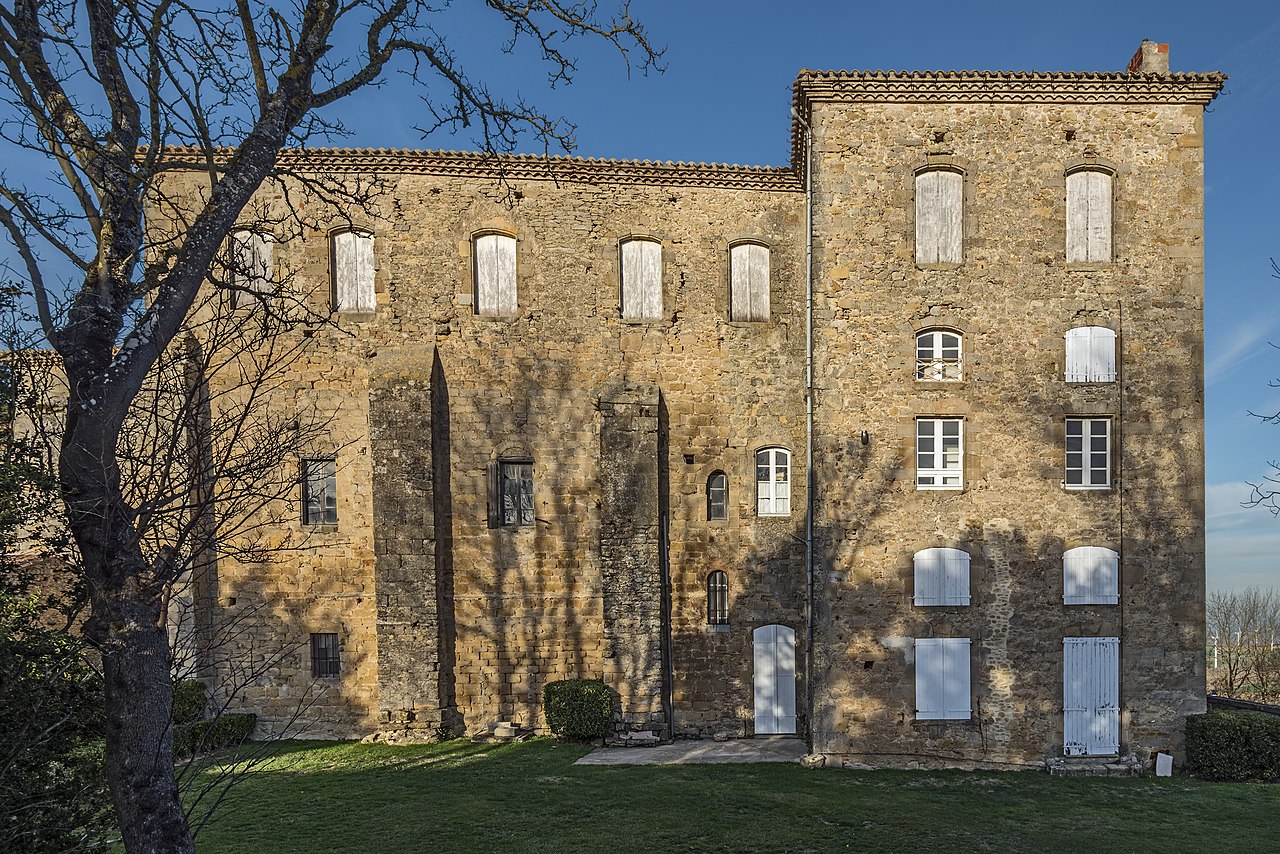
Château de Cambiac
The Château de Cambiac is a notable example of a late medieval castle located in Cambiac, France. Constructed in the 15th century, it is believed to have been built upon the foundations of an earlier medieval structure, reflecting the common practice of adapting and expanding existing fortifications during this period. The castle's history is closely linked to the noble lineage of the region, having been granted to the sieur Milhau, who served as the constable of Montauban, by Marguerite de Navarre, a prominent figure in French Renaissance history and sister to King Francis I.
Architectural evolution and restoration
The château underwent significant transformations at the end of the 19th century, when extensive restoration works were undertaken. These restorations included the addition of an extra floor and a pavilion, which altered the castle's silhouette and expanded its usable space. The renovations were carried out with a sensitivity to the castle's historical character, incorporating stylistic elements from the Louis XII period, which is recognized for its transitional style blending late Gothic and early Renaissance motifs.
Louis XII style features
The inclusion of the Louis XII style is evident both in the interior and the exterior architectural details. This style is characterized by its elegant yet robust forms, featuring ornamental stonework, mullioned windows, and decorative motifs that bridge the medieval and Renaissance aesthetics. The presence of this style in the château reflects the architectural trends of the early 16th century in France, marking a shift towards more refined residential architecture while retaining defensive features.
Historical significance
The castle's connection to Marguerite de Navarre situates it within the broader context of French noble politics and cultural patronage during the Renaissance. Marguerite was a key figure in promoting arts and letters, and her association with the château adds a layer of historical prestige. The original 15th-century construction period places the château in the turbulent era of the Hundred Years' War aftermath and the consolidation of royal power in France, which influenced the design and function of such fortifications.
Architectural features and layout
The Château de Cambiac exhibits typical features of a late medieval castle, including thick defensive walls and a strategic location likely chosen for both defense and control of the surrounding lands. While specific details of the castle's layout are less documented, the addition of a pavilion and an extra floor during the 19th-century restoration suggests an adaptation from purely military to more comfortable residential use. The castle likely includes courtyards, towers, and other elements common to castles of its era, blending functionality with emerging Renaissance aesthetics.
Materials and construction techniques
The castle's construction would have utilized local stone and traditional masonry techniques of the late medieval period. The 19th-century restorations probably introduced new materials and construction methods typical of that era, aiming to preserve the structural integrity while enhancing the castle's aesthetic appeal.
Current status and cultural importance
Today, the Château de Cambiac stands as a preserved historical monument reflecting the architectural and social changes from the late medieval period through the Renaissance and into the modern era. Its restorations have ensured the survival of key architectural elements, making it a valuable site for understanding the evolution of French castle architecture. The château's blend of medieval foundations with Louis XII style enhancements offers insight into the transitional period of French architecture and noble residence design.
Frequently asked questions (FAQ)
- When was Château de Cambiac originally built?
- Château de Cambiac was originally constructed in the 15th century, likely on the foundations of an earlier medieval structure.
- What architectural styles are present in Château de Cambiac?
- The castle features a mix of late medieval architecture with significant 19th-century restorations incorporating Louis XII style, blending late Gothic and early Renaissance elements.
- Who was sieur Milhau and what is his connection to the castle?
- Sieur Milhau was the constable of Montauban who received the castle from Marguerite de Navarre, linking the château to notable historical figures of the French Renaissance.
- What changes were made to the castle in the 19th century?
- In the late 19th century, the château underwent major restorations that added an extra floor and a pavilion, enhancing both its size and architectural style.
- Is Château de Cambiac open to visitors?
- Visitor access details are not specified; it is advisable to check local resources or tourism offices in Cambiac for current visiting hours and ticket information.
Information
Loading map...
Visitor reviews
No reviews yet. Been here? Write the first review and help other travelers!
Write the first reviewVisited this castle? Share your experience
Your review helps other travelers and adds first-hand knowledge to our encyclopedia.