Château de la Trave
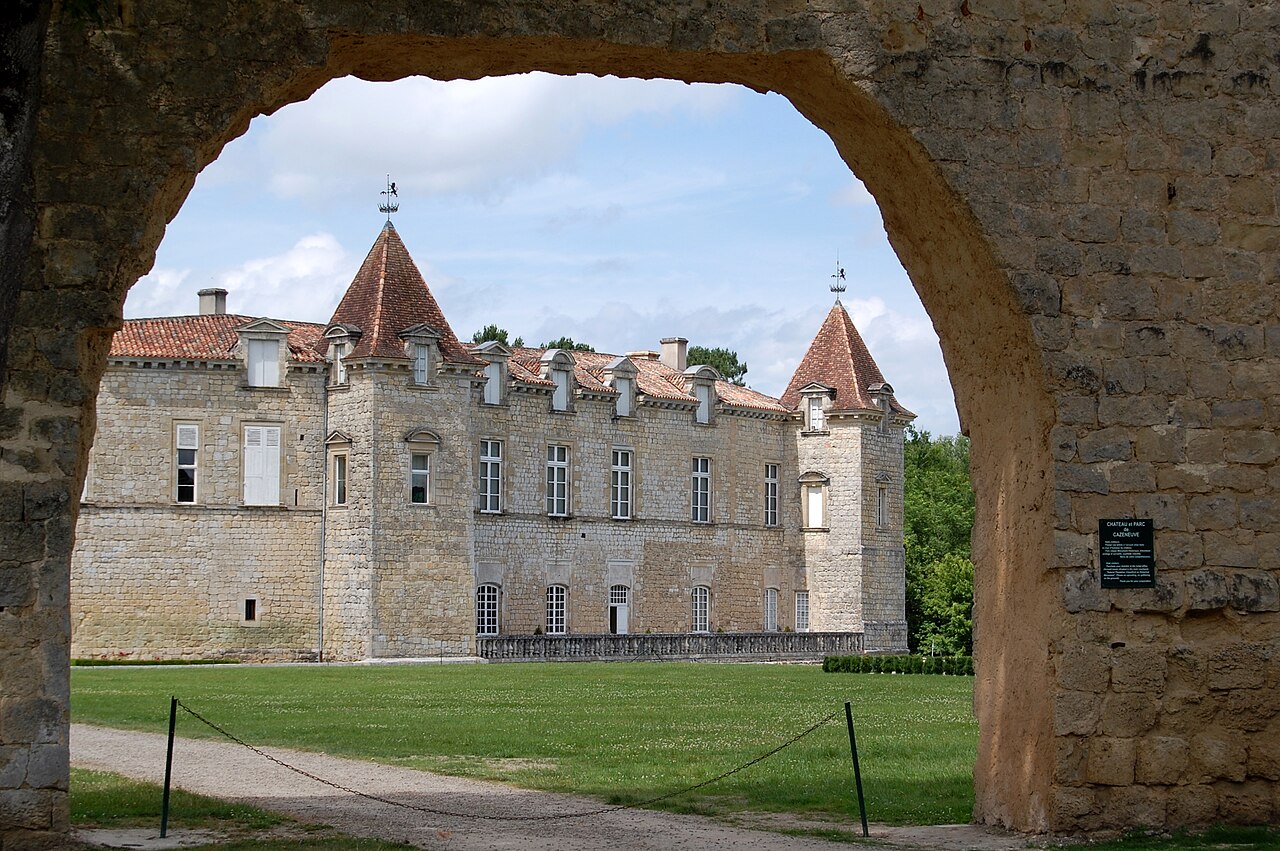
The Château de la Trave is a historic castle located in Préchac, France, with origins tracing back to the early 14th century. It was constructed by Arnaud-Bernard de Preyssac, a notable nobleman of the time, reflecting the architectural and defensive needs of the late medieval period. This castle exemplifies the typical military strongholds built during the 14th century in southwestern France, designed to assert feudal control and provide defense amid the turbulent political landscape of the era.
Historical context and construction
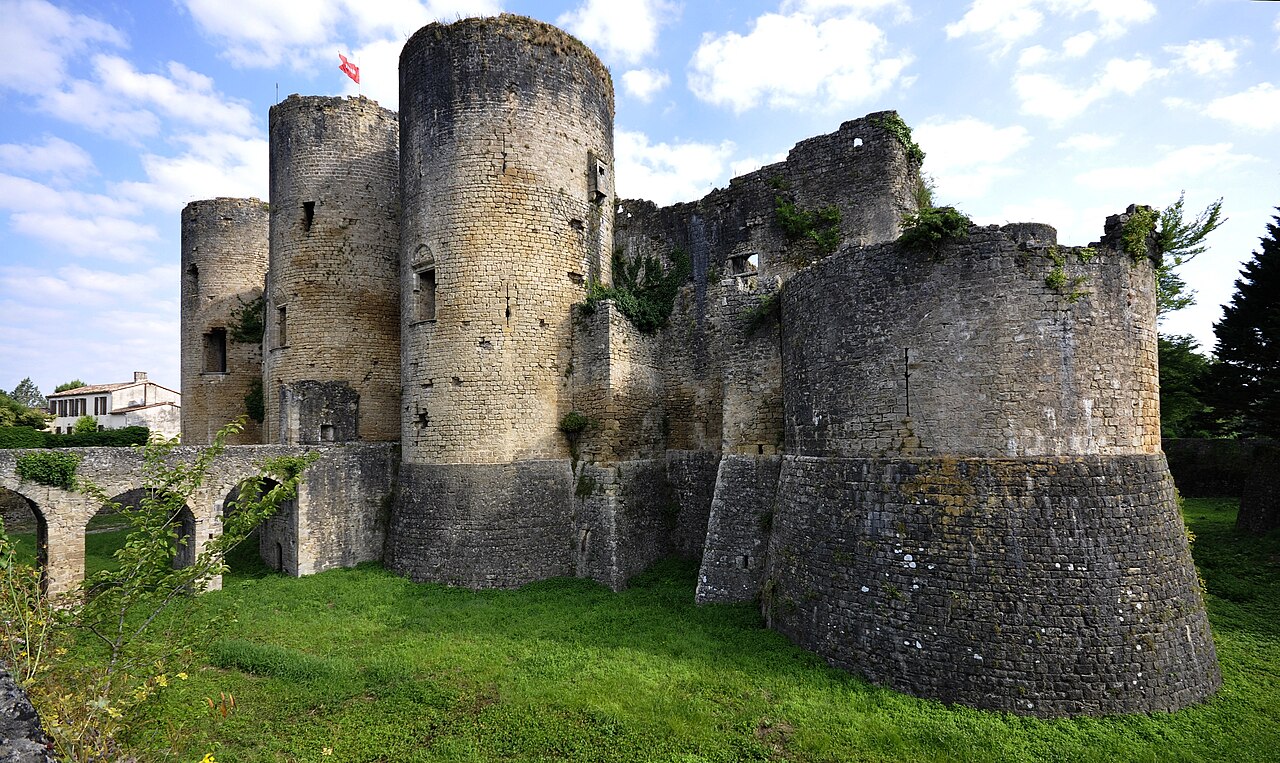
The Château de la Trave was erected during a period marked by frequent conflicts, including the Hundred Years' War between England and France. The castle's strategic location in the region of Nouvelle-Aquitaine (historically part of Gascony) made it a valuable asset for controlling local territories and trade routes. The construction in the 14th century incorporated typical late medieval defensive features, such as thick stone walls, fortified towers, and possibly a moat, although specific architectural details are scarce due to its destruction.
Architectural features and style
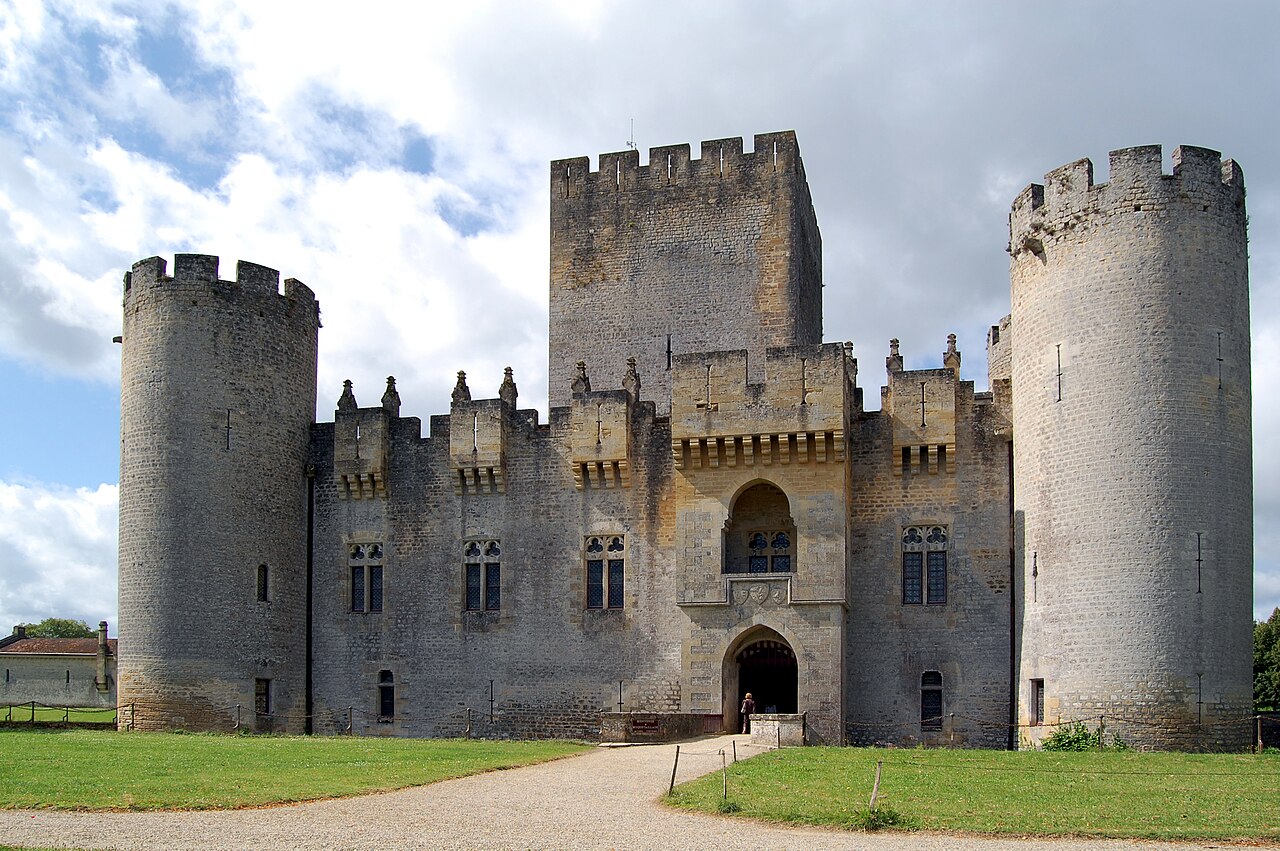
While detailed records of the Château de la Trave's architectural style are limited, castles built in this period and region commonly featured robust stone masonry with rectangular keeps or towers, battlements, and narrow arrow slits for defense. The castle likely had a courtyard surrounded by curtain walls and defensive towers, designed to withstand sieges and attacks. The style aligns with the broader late medieval military architecture prevalent in France, emphasizing functionality and defense over ornamental design.
Defensive structures
The castle's defensive elements would have included thick curtain walls and possibly a gatehouse fortified to control access. Towers placed at strategic points allowed defenders to monitor and repel attackers effectively. The use of arrow slits and battlements provided cover for archers and soldiers during conflicts.
Destruction and historical significance
The Château de la Trave met its demise in 1456 when it was destroyed by order of Charles VII of France. This action was part of the king's efforts to consolidate royal power and reduce the influence of rebellious nobles following the end of the Hundred Years' War. The destruction of such castles was a common practice to prevent them from being used as strongholds against the crown.
Legacy and current status
Today, the Château de la Trave stands as a historical site reflecting the turbulent medieval history of southwestern France. Although largely destroyed, the remnants of the castle offer insights into 14th-century fortification techniques and feudal power structures. The site attracts visitors interested in medieval history and architecture, contributing to the cultural heritage of the region.
Visiting and preservation
Information on the current condition and accessibility of the Château de la Trave is limited, but as a site of historical importance, it may be subject to preservation efforts. Visitors to Préchac can explore the surrounding area to appreciate the historical context of the castle and the landscape that shaped its history.
Frequently asked questions (FAQ)
- When was the Château de la Trave built and by whom?
- The Château de la Trave was built in the early 14th century by Arnaud-Bernard de Preyssac, a nobleman of that period.
- Why was the Château de la Trave destroyed?
- The castle was destroyed in 1456 by order of Charles VII of France as part of efforts to consolidate royal power and prevent noble rebellions after the Hundred Years' War.
- What architectural style characterizes the Château de la Trave?
- The castle reflects late medieval military architecture typical of the 14th century, featuring robust stone walls, defensive towers, and battlements designed for protection.
- Is the Château de la Trave accessible to visitors today?
- While detailed visitor information is limited, the castle remains a historical ruin in Préchac and may be visited for its historical significance and surrounding landscape.
Information
Loading map...
Visitor reviews
No reviews yet. Been here? Write the first review and help other travelers!
Write the first reviewVisited this castle? Share your experience
Your review helps other travelers and adds first-hand knowledge to our encyclopedia.