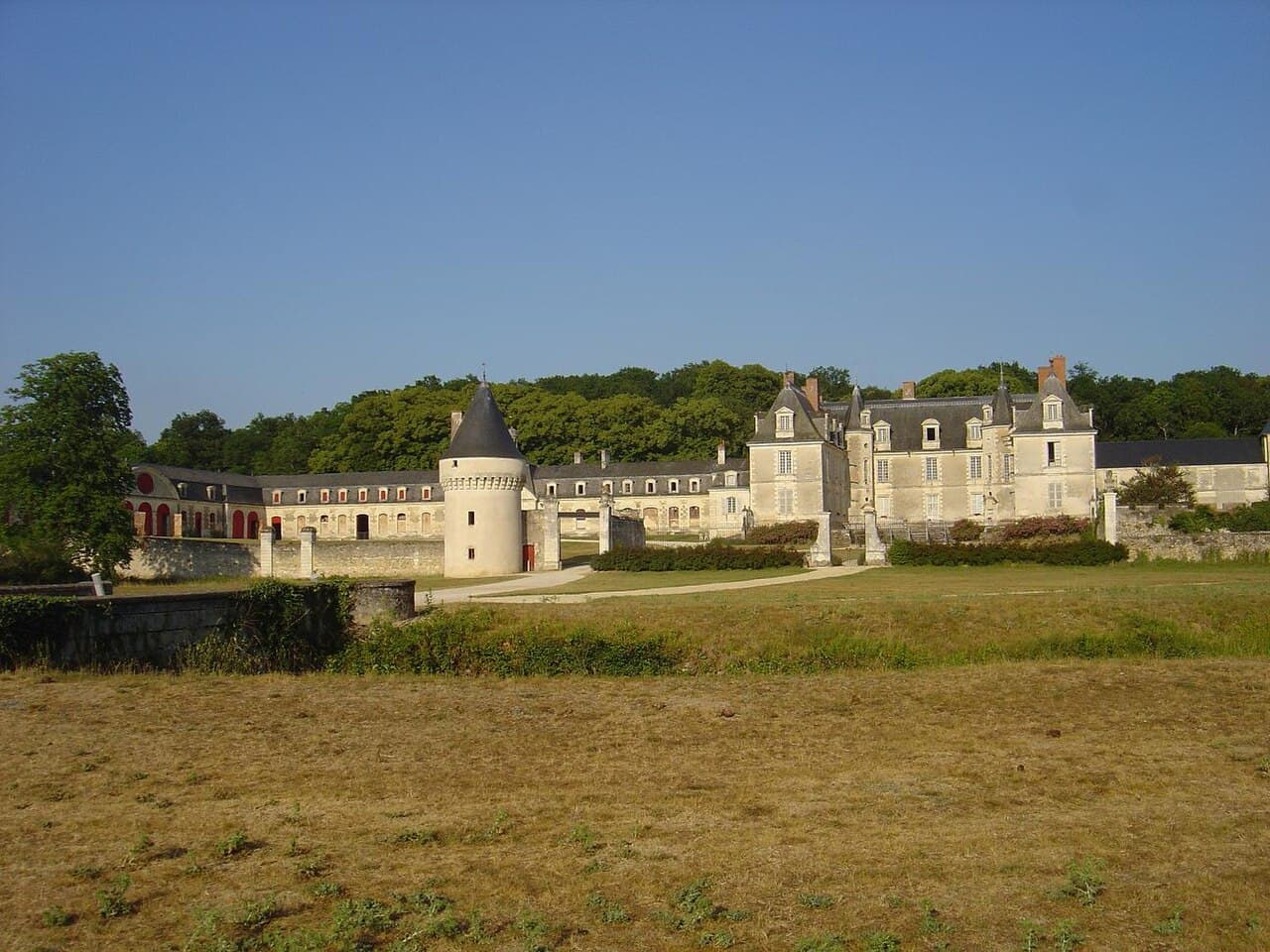
Château de Gizeux
The Château de Gizeux is a remarkable historic castle located in the commune of Gizeux in the Indre-et-Loire département of France, within the former province of Anjou. It is one of the notable Châteaux of the Loire and stands prominently in the heart of the Parc naturel régional Loire-Anjou-Touraine. The château extends an impressive 250 meters in length, making it the longest château in the Touraine angevine region. Its origins date back to the Middle Ages, with substantial transformations occurring during the French Renaissance and the Age of Enlightenment.
The site initially hosted a wooden fortress in the 11th century, as indicated by archival records, which was later replaced by a stone fortress in the 14th century. The oldest surviving parts of the château today include the entry tower, the right wing, and the enclosure walls. This blend of medieval defensive architecture and later residential enhancements reflects the château's evolution from a fortified stronghold to an aristocratic residence.
Historical context and ownership lineage
The château's history is closely tied to the noble families who owned it over the centuries. From the late 12th century, the estate was held by the Doué family. Ownership later passed to several prominent families including the La Jaille and du Bellay lineages. The du Bellay family held the château from 1315 to 1660. Among them, the poet Joachim du Bellay is a notable historical figure associated with the castle.
Following the du Bellay tenure, the château changed hands multiple times, passing through families such as the d’Anglure, Hurault, Rouxellé de Saché, Grandhomme, and Brancas. By the late 18th century, the château was owned by the Contades family. During the upheaval of the French Revolution, Prince Louis Gabriel de Contades fled France in 1794 but returned in 1801. The château remained in the hands of his descendants, the Contades-Gizeux family, and later passed by marriage into the Laffon family in the 20th century.
Architectural features and stylistic evolution
The château represents a mixed medieval and Renaissance architectural style. Its original medieval elements include the stone defensive walls, gatehouse, and entry tower. These features reflect typical 14th-century fortification techniques, designed to protect the estate during turbulent periods.
The Renaissance influence is particularly visible in the château's interior decoration and expansions made during the 16th and early 17th centuries. The château houses two significant painted galleries that exemplify this artistic heritage. The Galerie François Ier was decorated by Italian artists in the early 1600s, showcasing Renaissance artistic trends imported from Italy. The Grande Galerie des Châteaux, dating from the late 17th century, spans over 400 square meters and features French mural paintings depicting famous royal châteaux such as Chambord, Vincennes, Fontainebleau, and Versailles, alongside pastoral landscapes.
Interior decoration and artistic heritage
These galleries are among the château's most remarkable features, preserving a rare collection of period paintings that provide insight into aristocratic tastes and cultural influences of the 17th century. The murals in the Grande Galerie des Châteaux are particularly valuable for their detailed representation of French royal residences and the surrounding countryside, reflecting the château's connection to broader national history and art.
Surrounding grounds and funerary art
The château is set within a park established in 1829, which today forms part of the Parc naturel régional Loire-Anjou-Touraine. This landscaped setting integrates the château into the natural environment and enhances its historic ambiance.
Nearby, the local church houses the du Bellay family tombs, notable for their artistic significance. These tombs include extremely rare 17th-century orants—sculpted white marble figures in a praying posture—crafted by Nicolas Guillain, also known as Cambrai. Guillain was the director of the Académie royale de peinture et sculpture in Paris, and his work at Gizeux represents an important example of funerary art from this period.
Legacy and preservation
The Château de Gizeux has been officially listed as a monument historique by the French Ministry of Culture since 1945, recognizing its cultural and architectural significance. Its preservation allows visitors and scholars to explore a site that encapsulates centuries of French history, from medieval fortifications to Renaissance art and Enlightenment landscaping.
Today, the château stands as a testament to the layered history of the Loire Valley's aristocratic residences, offering insights into the evolving styles, ownership, and cultural priorities of the French nobility over several centuries.
Frequently asked questions (FAQ)
- What are the opening hours of Château de Gizeux?
- Château de Gizeux is open to visitors from April to October. During this period, the castle welcomes guests from 10 AM to 6 PM, allowing ample time to explore its stunning architecture and beautiful grounds.
- Is it possible to take guided tours of the castle?
- Yes, guided tours are available at Château de Gizeux. These tours provide in-depth information about the castle's history and architecture, making them a great choice for visitors wanting a deeper understanding of this historical site.
- When was Château de Gizeux built?
- Château de Gizeux was originally constructed in the 15th century and has undergone several renovations since then. Its rich history is reflected in its unique architectural features and design, which blend medieval and Renaissance styles.
- Can I bring my family to visit the castle?
- Absolutely! Château de Gizeux is a family-friendly destination, with activities and exhibits that appeal to visitors of all ages. Children will enjoy exploring the castle grounds and learning about its fascinating history.
- What is the ticket price for visiting Château de Gizeux?
- The ticket price for adults is €8, while children under 12 can enter for free. Discounts may be available for groups and students, making it an affordable outing for families and educational trips.
- What is the historical significance of Château de Gizeux?
- Château de Gizeux holds significant historical value as it has been a witness to various historical events in the region. Its architecture and art reflect the evolving styles of the periods it has lived through, making it a valuable site for understanding French history.
- When is the best time to visit Château de Gizeux?
- The best time to visit Château de Gizeux is during the spring and early fall months. During these times, the weather is pleasant, and the gardens are in full bloom, enhancing your overall experience.
- Is the château accessible for visitors with mobility issues?
- Yes, Château de Gizeux is committed to accessibility for all visitors. There are pathways and facilities designed to accommodate individuals with mobility challenges, ensuring everyone can enjoy the castle's beauty.
- What are some nearby attractions to visit while in Gizeux?
- While visiting Château de Gizeux, you can also explore the nearby vineyards and charming villages. The beautiful Loire Valley, known for its picturesque landscapes and other historic châteaux, is just a short drive away, making it an ideal day trip.
Photo gallery

Public domain
Information
Website
Visit websiteSources & official resources
Verify the information above using these authoritative references.
Loading map...
Visitor reviews
No reviews yet. Been here? Write the first review and help other travelers!
Write the first reviewVisited this castle? Share your experience
Your review helps other travelers and adds first-hand knowledge to our encyclopedia.


