Château de Clagny — France castle

Château de Clagny

Château de Clagny: the lost Versailles country house
Versailles, France
Renaissance (15th–17th c.)
Ruins

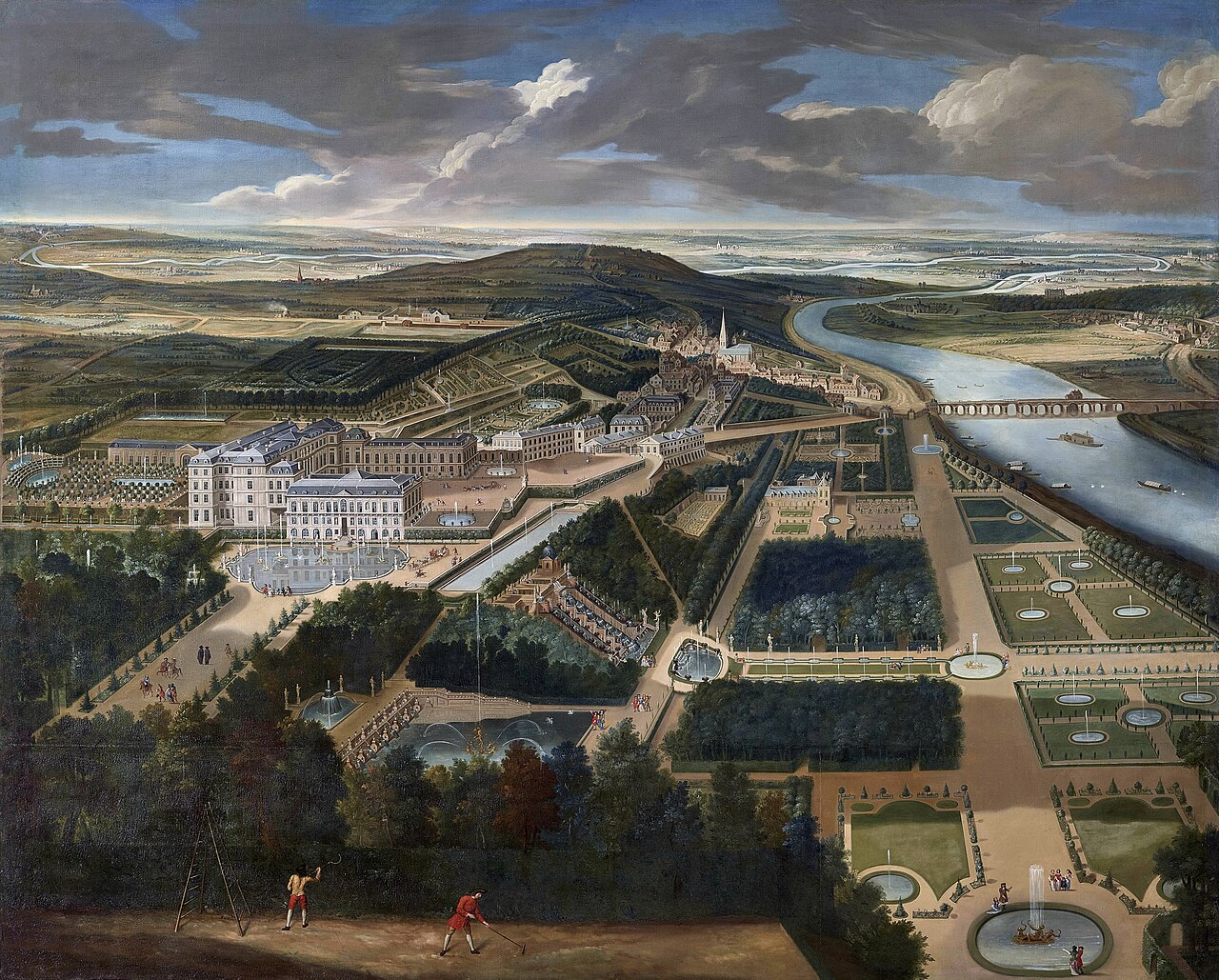
The Château de Clagny was a notable French country house situated northeast of the Palace of Versailles. Constructed in the 17th century, it was commissioned by Madame de Montespan, the influential mistress of King Louis XIV. The château was designed by the eminent architect Jules Hardouin-Mansart between 1674 and 1680, during the height of the French Renaissance architectural period.

Architectural design and significance

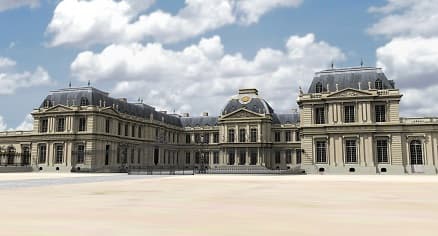
The Château de Clagny represented one of the most important private residences designed by Hardouin-Mansart, who was also responsible for major works at Versailles itself. The château embodied the elegant and refined Renaissance style with early Baroque influences, featuring symmetrical layouts, classical proportions, and ornamental details that reflected the tastes of the French royal court.

Although the château no longer exists, its architectural form is known through detailed engraved illustrations and archival documents from the Bâtiments du Roi, the royal building administration. These records reveal a complex of buildings arranged around formal gardens, with grand facades, extensive windows, and decorative stonework typical of the era.

Historical context and ownership

The château was built as a private retreat for Madame de Montespan, who was a central figure at the court of Louis XIV and wielded significant influence during the late 17th century. The residence served both as a symbol of her status and as a secluded estate away from the formalities of Versailles.

Despite its initial grandeur, the château fell into neglect after Madame de Montespan's fall from favor and the changing political climate. By the mid-18th century, it was no longer maintained and eventually was demolished in 1769.

Current condition and legacy

Today, the Château de Clagny exists only as archaeological ruins, with no standing structures remaining. Its legacy is preserved through the engraved images and archival references that provide insight into its design and cultural importance. The site itself lies within the region of Île-de-France, near the city of Versailles.

The château's history offers valuable context for understanding the private residences of the French aristocracy during the reign of Louis XIV and the architectural evolution led by Hardouin-Mansart. It also highlights the impermanence of some grand estates despite their initial prominence.

Architectural features and layout

Records indicate the château featured a formal garden layout typical of the period, with carefully arranged parterres and water features that complemented the building's elegant design. The main building likely included large windows to maximize natural light, ornate stone facades, and such as pilasters and cornices.

The design reflected the transition from Renaissance to Baroque styles, with an emphasis on harmony and grandeur suited to its royal patronage.

Importance in French architectural history

The Château de Clagny stands as a significant example of 17th-century French aristocratic architecture and the work of Jules Hardouin-Mansart, who shaped much of the architectural landscape of Versailles and its surroundings. Though lost, its documentation enriches the understanding of private royal residences and their role in court life.

Frequently asked questions (FAQ)

What is the historical significance of Château de Clagny?
Château de Clagny, built in the late 17th century, was commissioned by Louis XIV as a private residence for his mistress, Madame de Montespan. This castle played a crucial role in the courtly life of Versailles and showcases the opulence of the French monarchy during its peak. Its architecture and gardens are representative of the grandeur that characterized this era.
When was Château de Clagny constructed?
Construction of Château de Clagny began in 1670 and was completed in 1675. It was designed by the renowned architect François Mansart, who was known for his innovative designs that blended classical and baroque styles. The castle has undergone various renovations over the centuries, preserving its historical essence.
What are the opening hours for Château de Clagny?
Château de Clagny is open to visitors from 10:00 AM to 6:00 PM daily, with extended hours during the summer months. It is advisable to check the official website for any seasonal changes or special holiday hours. Last admissions are typically one hour before closing.
Can I purchase tickets online for Château de Clagny?
Yes, tickets for Château de Clagny can be purchased online through the official website. Buying tickets in advance is recommended to avoid long queues at the entrance, especially during peak tourist seasons. Online purchases often come with the benefit of special discounts or packages.
Is it possible to access Château de Clagny with limited mobility?
Château de Clagny strives to be accessible to all visitors, including those with limited mobility. The castle offers ramps and designated pathways to facilitate easy access. However, it’s a good idea to contact their visitor services in advance to confirm specific accessibility options available during your visit.
When is the best time to visit Château de Clagny?
The best time to visit Château de Clagny is during the spring and early fall when the weather is mild, and the gardens are in full bloom. These seasons also tend to attract fewer crowds compared to the peak summer months, allowing for a more enjoyable experience. Early mornings or late afternoons are ideal for a quieter visit.
What nearby attractions can I visit after Château de Clagny?
After visiting Château de Clagny, you can explore the famous Palace of Versailles, just a short walk away. The expansive gardens of Versailles and the Grand Trianon are also nearby and offer stunning landscapes and rich history. Additionally, the city of Versailles has charming shops and cafés to enjoy.
What are the ticket prices for Château de Clagny?
Ticket prices for Château de Clagny vary depending on age and the type of tour selected. Generally, adult tickets range from €10 to €15, while discounts are available for students and seniors. Children under 12 often enjoy free admission, making it an affordable family outing.

Photo gallery

Château de Clagny
Click to view

Photo by Hervé GREGOIRE•CC BY-SA 4.0

1 photo • Click any image to view in full screen

Information

Archaeological Site / Ruins

Loading map...

Visitor reviews

No reviews yet. Been here? Write the first review and help other travelers!

Write the first review

Visited this castle? Share your experience

Your review helps other travelers and adds first-hand knowledge to our encyclopedia.

Write a review

(5/5)

0/2000 characters

Your review will be visible after admin approval

Nearby castles

1.3 km

Palace of Versailles

Versailles, France

The Palace of Versailles stands as a monumental symbol of French royal history and classical architecture. Located in Versailles, Ile-de-France, approximately 18 kilometres west of Paris, it was originally a modest hunting lodge built by King Louis XIII in 1623. This lodge was transformed and vastly expanded by his son, King Louis XIV, who began a series of ambitious construction phases from 1661 to 1715, turning Versailles into one of the most magnificent royal palaces in the world. Versailles became the official seat of the French court and government in 1682 when Louis XIV moved his entire court there, making it the de facto capital of France. This move marked the palace as the epicenter of political power, artistic innovation, and cultural grandeur during the 17th and 18th centuries. The palace remained the residence of kings Louis XV and Louis XVI, who made primarily interior modifications while preserving the palace's grand exterior and gardens. Architectural evolution and design From hunting lodge to royal palace The original structure by Louis XIII was a simple hunting lodge, but under Louis XIV, the site was radically transformed. The king commissioned renowned architects, including Louis Le Vau, landscape architect André Le Nôtre, and painter-decorator Charles Le Brun, to create a palace that would reflect his absolute monarchy and glorify his reign. The grand apartments and hall of mirrors The Grand Apartments of the King and Queen were constructed in the 1670s, showcasing the height of French Baroque architecture. The most iconic room, the Hall of Mirrors (Galerie des Glaces), designed by architect Jules Hardouin-Mansart, features 357 mirrors that reflect the natural light from the palace gardens, creating a dazzling effect. The hall was not only a passageway but also a ceremonial space used for royal receptions, diplomatic events, and significant historical moments such as the signing of the Treaty of Versailles in 1919, which ended World War I. Chapel, opera, and later additions During the reign of Louis XV, the palace was further enhanced with the addition of the Royal Chapel and the Opéra Royal, both exemplifying the Rococo style and serving as venues for religious ceremonies and court entertainment. These additions continued the tradition of blending architectural grandeur with functional spaces suited to the needs of the monarchy. Gardens and landscape architecture The extensive gardens of Versailles are as famous as the palace itself. Designed by André Le Nôtre, the gardens cover approximately 800 hectares and include meticulously manicured lawns, parterres, fountains, canals, and sculptures. The layout exemplifies the French formal garden style, emphasizing symmetry, order, and harmony with nature. The gardens were integral to the palace's role as a symbol of royal power and control over the natural world. Historical significance and royal residence Seat of absolute monarchy Versailles was the heart of the French monarchy during the reigns of Louis XIV, Louis XV, and Louis XVI. The palace was a physical manifestation of the king's absolute power and a center for political decision-making. The court life at Versailles was marked by elaborate rituals, ceremonies, and a strict hierarchy that reinforced the king's authority. The french revolution and aftermath The palace's role as the seat of power ended with the French Revolution in 1789, when the royal family was forced to return to Paris. During the revolution, Versailles was largely abandoned, its treasures removed, and the surrounding city experienced a significant decline in population and importance. Napoleon and the 19th century Although Napoleon Bonaparte did not use the main palace as a residence, he favored the Grand Trianon as a summer retreat during his reign from 1810 to 1814. The palace saw restoration efforts during the Bourbon Restoration, particularly in the 1830s under King Louis-Philippe, who transformed Versailles into the Museum of the History of France. This new role preserved the palace's legacy and opened its doors to the public, showcasing France's rich historical narrative through art and artifacts. Cultural legacy and unesco world heritage status In 1979, the Palace of Versailles and its park were designated a UNESCO World Heritage Site, recognizing their outstanding universal value as a masterpiece of 17th and 18th-century French art and architecture. Today, Versailles attracts around 15 million visitors annually, making it one of the most visited historic sites worldwide. The palace continues to serve as a venue for official state events and diplomatic receptions, maintaining its historical role as a symbol of French prestige and cultural heritage. Its halls, gardens, and collections offer an unparalleled glimpse into the grandeur of the French monarchy and the artistic achievements of the period. Visitor experience and highlights Visitors to Versailles can explore the vast palace interiors, including the King's and Queen's Grand Apartments, the Hall of Mirrors, the Royal Chapel, and the Opéra Royal. The extensive gardens offer walking paths, fountains, and seasonal musical fountain shows that recreate the atmosphere of the royal court. The Grand Trianon and Petit Trianon, smaller palatial estates within the park, provide insight into the private lives of the monarchy. The Estate of Marie Antoinette, including the charming hamlet, exemplifies the Rococo style and offers a contrast to the formal grandeur of the main palace. Guided tours, audio guides, and exhibitions enrich the visitor experience, highlighting the architectural innovations, historical events, and artistic treasures that define Versailles.

Renaissance (15th–17th c.)
Details
4.7 km

Château Louis XIV

Louveciennes, France

The Château Louis XIV is a remarkable example of contemporary architecture that pays homage to the grandeur of 17th-century French baroque châteaux. Constructed between 2008 and 2011 by the property developer Emad Khashoggi through his company COGEMAD, this château combines traditional craftsmanship with modern technology on a vast estate near Versailles. Location and historical context Situated in Louveciennes, France, between the historic towns of Versailles and Marly-le-Roi, the château occupies a 23-hectare walled site that was once part of the expansive Versailles estate. The land originally hosted the former Château du Camp, which was replaced by this new construction. The location is significant for its proximity to the royal residences associated with King Louis XIV, also known as the Sun King, whose reign defined French classical architecture. Architectural design and style The design of Château Louis XIV is a deliberate and meticulous tribute to French baroque architecture of the late 17th century. The château incorporates traditional materials such as stone and wood, and employs craftsmanship techniques that mirror those used during the era of Louis XIV. The architectural layout features classic elements such as symmetrical façades, ornate cornices, mansard roofs, and elaborate wrought iron balconies. Despite its historic appearance, the château integrates state-of-the-art automated hi-tech controls seamlessly within its structure, offering modern conveniences without compromising its period aesthetic. This blend of old and new is a defining characteristic of the property, making it a unique example of modern luxury inspired by historical architecture. Exterior features and grounds The château is surrounded by moats reminiscent of traditional defensive water features, enhancing its historic ambiance. The extensive grounds include manicured gardens and a walled estate that preserves privacy and grandeur. The total constructed surface area is approximately 7,000 square meters, with 5,000 square meters dedicated to living space, making it one of the largest private residences in the region. Construction and craftsmanship Emad Khashoggi, known for restoring other significant properties such as the Palais Rose in Le Vésinet and the Château du Verduron in Marly-le-Roi, applied the same attention to detail and respect for traditional methods in building Château Louis XIV. The project employed artisans skilled in stone masonry, wood carving, and decorative arts to faithfully recreate the grandeur of the Sun King's era. Modern luxury and technology While the château's exterior and interior design evoke the 17th-century French aristocratic lifestyle, it is equipped with advanced home automation systems. These include climate control, security, lighting, and entertainment technologies, all integrated discreetly to maintain the château's historic appearance. This fusion of heritage aesthetics and cutting-edge technology represents a new paradigm in luxury residential architecture. Ownership and market significance Château Louis XIV was sold to an unidentified buyer from the Middle East for a reported sum of $301 million, setting a world record for the price of a residential property at the time. This transaction highlights the château's status not only as a residence but also as a symbol of exclusivity and architectural achievement. Legacy and cultural importance Though a modern construction, Château Louis XIV stands as a cultural tribute to the legacy of the Sun King and the architectural heritage of the French baroque period. It demonstrates how contemporary building techniques can revive and preserve historic styles, creating a living monument that bridges past and present.

Contemporary (20th–21st c.)
Details
6.6 km
Château de Saint-Cloud — France castle

Château de Saint-Cloud

, France

The Château de Saint-Cloud was a significant Renaissance château located in Saint-Cloud, in the Hauts-de-Seine region of France, approximately 5 kilometres west of Paris. Perched on a strategic site overlooking the Seine River, it commanded expansive views and served as a royal residence for several centuries. Though the château itself was destroyed, its extensive and beautifully designed gardens remain preserved today as the Parc de Saint-Cloud, a public park celebrated for its landscape architecture and historical importance. Early construction and renaissance origins The château was originally constructed in the 16th century, during the renaissance period, a time of significant architectural innovation in France. Its initial design reflected Renaissance principles, emphasizing symmetry, classical proportions, and ornamental details inspired by Italian models. The château was built as a country residence for French nobility, taking advantage of the elevated terrain to provide commanding views and a prestigious setting. Expansion under philippe i, duke of orléans In the 17th century, the château underwent major expansions under the direction of Philippe I, Duke of Orléans, the younger brother of King Louis XIV. Philippe I transformed the château into a grand royal residence, enhancing its architectural complexity and grandeur. He added new wings, lavish interiors, and formal gardens that reflected the evolving tastes of the French court. This period saw the château become a center of aristocratic life and political intrigue. The château in the 18th century: marie-antoinette’s influence The 18th century brought further modifications, notably under the reign of Marie-Antoinette, Queen of France and Navarre. In the 1780s, she commissioned renovations that modernized and refined the château’s interiors and gardens. Marie-Antoinette's influence introduced elements of the rococo style, with elegant decorative motifs and intimate private spaces designed for leisure and court entertainment. These changes reflected the queen’s personal tastes and the cultural shifts of pre-revolutionary France. 19th-century use by napoleon and the royal family During the 19th century, the château served various prominent occupants, including Napoleon Bonaparte, the royal family during the Bourbon Restoration, Louis-Philippe d'Orléans, and Napoleon III. The château was a favored residence and political venue, hosting important events and state functions. Its architecture and interiors were adapted over time to suit the needs of these different rulers, blending elements from various periods and styles. The château thus embodied the complex political history of France during this era. Destruction during the franco-prussian war and aftermath In 1870, during the Franco-Prussian War, the château suffered catastrophic damage when it was set on fire amid the conflict. The blaze destroyed much of the structure, leaving it in ruins. Due to the extent of the damage, the remnants of the château were demolished in 1891. Despite the loss of the building, the estate's gardens were preserved and later developed into the Parc de Saint-Cloud, which remains a significant cultural and historical site. Architectural and cultural significance The Château de Saint-Cloud was an important example of renaissance architecture evolving through the centuries with additions reflecting baroque and rococo influences. Its location overlooking the Seine made it a strategic and symbolic site. The château’s history is intertwined with key figures of French history, including royalty and emperors, making it a witness to France’s political and cultural transformations from the Renaissance through the 19th century. The parc de saint-cloud today Today, the Parc de Saint-Cloud preserves the legacy of the château’s gardens, featuring terraces, fountains, and formal landscaping that illustrate French garden design traditions. The park is open to the public and serves as a recreational and historical space, attracting visitors interested in landscape architecture and French history. While the château itself no longer stands, the park remains a testament to its former grandeur and the artistic achievements of its creators.

Renaissance (15th–17th c.)
Details