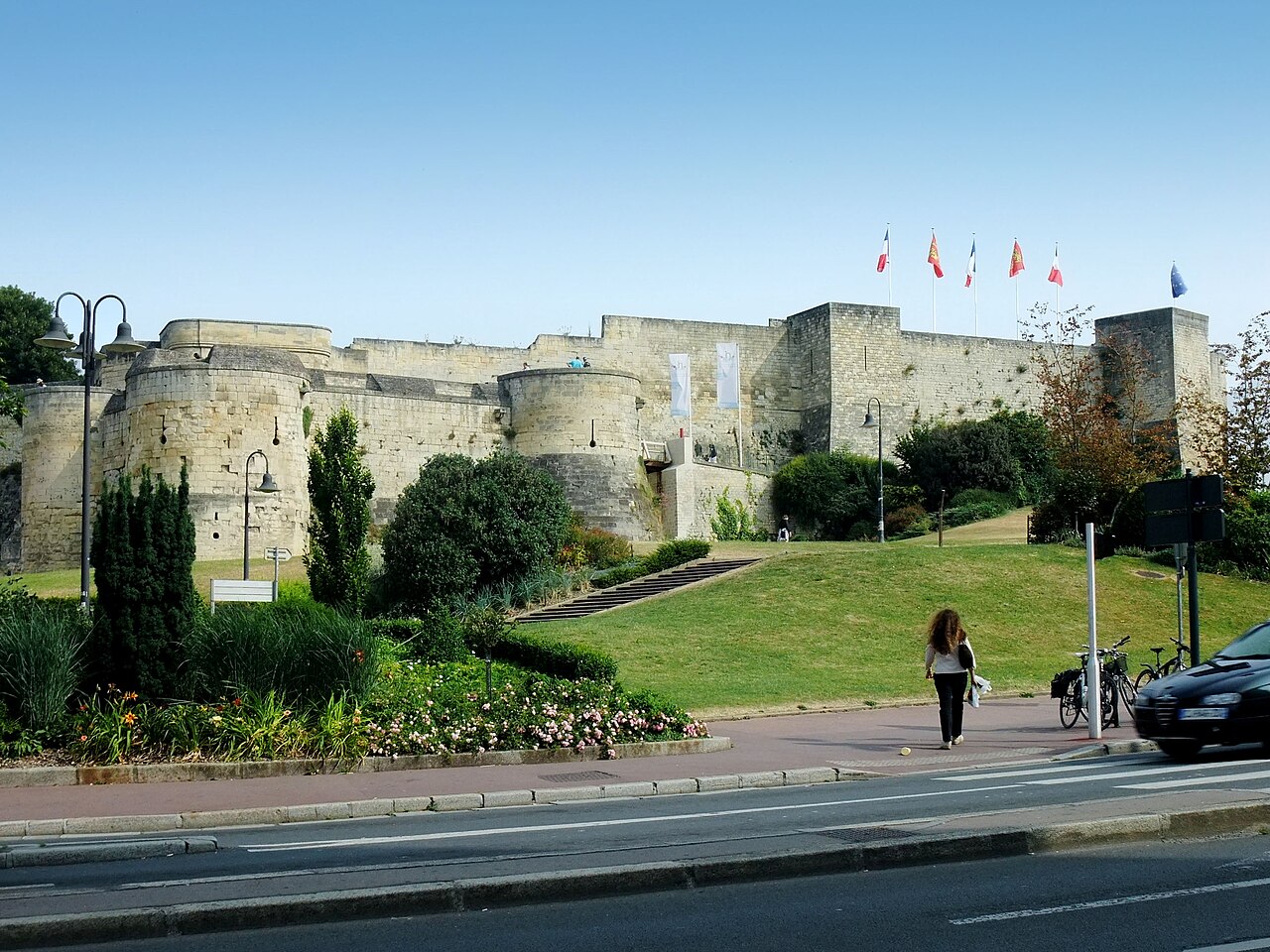
Château de Bénouville
The Château de Bénouville stands as one of the most distinguished examples of neoclassical architecture in France, designed in 1769 by the renowned architect Claude Nicolas Ledoux. Constructed between 1770 and 1780, this château was commissioned by Hyppolite-François Sanguin, marquis of Livry, and his wife Thérèse Bonne Gillain de Bénouville, the heiress of the estate. It represents a pivotal moment in architectural history, showcasing the transition to a more modern and monumental style during the post-Renaissance period. The château's design is notable for its symmetrical façade, clean lines, and the innovative use of classical elements that emphasize harmony and proportion.
Architectural significance and design features
The Château de Bénouville is celebrated for its monumental staircase, a striking interior feature that exemplifies the grandeur and elegance of 18th-century French neoclassicism. The exterior architecture was considered avant-garde at the time, with its balanced composition and restrained decorative elements that reflect Ledoux's visionary approach. The château's layout includes a central block flanked by symmetrical wings, all unified under a coherent architectural language that blends functionality with aesthetic appeal.
Interior development and craftsmanship
From 1778 to 1780, the interior was completed under the supervision of Jean-François-Étienne Gilet, an architect from Caen. The interiors were designed to complement the château's exterior grandeur, featuring refined decorative motifs, carefully planned spatial arrangements, and an emphasis on light and openness. The craftsmanship seen in the woodwork, plaster, and stone details reflects the high standards of the period and contributes to the château's reputation as a masterpiece of neoclassical design.
Historical context and ownership
After its completion, the château remained in the family of the original owners until the tumultuous years of the French Revolution. In 1792, it was sold by the widowed marquise to a fermier général, a tax collector who was executed by guillotine in 1794 during the Revolution. His daughter inherited the property, and it stayed within that family until 1927. Subsequently, the château became the property of the general council of Calvados, which repurposed it as a maternity hospital. This shift in function marked a significant chapter in the château's history, blending heritage with public service.
Role during world war ii and resistance activities
During World War II, the château served as a maternity hospital under the direction of Madame Léa Vion from 1935. Madame Vion was also a leader of a local resistance group, making the château a covert hub for resistance activities in the region. Allied pilots evading capture and French youths avoiding forced labor found refuge within its walls. The château harbored weapons and a wireless transmitter used by the maquis, contributing to the underground struggle against German occupation.
D-day events and military significance
The château's proximity to the Pegasus Bridge made it strategically significant during the D-Day landings of 1944. On the morning of the invasion, Wally Parr, a sharpshooter from the Ox and Bucks regiment, mistakenly fired grenades from a German anti-tank gun towards the château, suspecting German snipers on the roof. Major Howard intervened, explaining that women were in labor inside. At that moment, German Lieutenant Hans Hoeller and his men were indeed observing the canal bridge from the château's roof but were forced to retreat due to Parr's attack before they could open fire on the British defenders. This incident underscores the château's unexpected role in the intense fighting around the canal and the bridge, a key objective for the Allied airborne forces.
Preservation and public access
Following its use as a hospital, the château underwent rehabilitation and restoration starting in 1980. It opened to the public in 1990, allowing visitors to explore its architectural beauty and historical significance firsthand. Today, the Château de Bénouville remains one of the best-preserved works of Claude Nicolas Ledoux, offering insight into 18th-century neoclassical architecture as well as a tangible connection to the dramatic events of the Second World War. Its location near the Canal de Caen à la Mer and the Pegasus Bridge adds to its appeal for history enthusiasts and tourists alike.
Visitor experience and surrounding landmarks
Visitors to the château can appreciate both its architectural features and its role in history. The nearby Pegasus Bridge museum complements the château visit by providing detailed accounts of the airborne operations during D-Day. The château's grounds and interiors showcase the elegance of neoclassical design, while interpretive displays recount the courageous resistance activities that took place during the war. This combination of cultural heritage and wartime history makes Château de Bénouville a unique destination.
Frequently asked questions (FAQ)
- How do I get to Château de Bénouville?
- Château de Bénouville is located in the picturesque village of Bénouville, France. The castle is easily accessible by car, and there is parking available nearby. If you are using public transport, the nearest train station is in Caen, from where you can take a bus or taxi to reach the castle.
- What is the historical significance of Château de Bénouville?
- Château de Bénouville dates back to the 18th century and has played a significant role in the local history of Normandy. It is known for its beautiful architecture and gardens, which reflect the grandeur of the period. The castle also has ties to World War II, as it was used as a strategic point during the Allied invasion.
- When was Château de Bénouville built?
- Construction of Château de Bénouville began in the early 18th century, with the castle being completed in 1763. It was designed in the classical style that characterizes many French châteaux from that era. Over the years, it has undergone various renovations to preserve its historical charm.
- Can I visit Château de Bénouville?
- Yes, Château de Bénouville is open to visitors, allowing you to explore its stunning architecture and beautiful gardens. Guided tours are typically offered, providing insights into the history and significance of the castle. Be sure to check the official website for any special events or restrictions.
- Why is Château de Bénouville a popular tourist attraction?
- Château de Bénouville is popular due to its rich history, stunning architecture, and scenic surroundings. The castle offers a glimpse into the grandeur of 18th-century France and is a perfect spot for photography enthusiasts. Additionally, its location near other historical sites makes it a great addition to any itinerary.
- Is it possible to host events at Château de Bénouville?
- Yes, Château de Bénouville can be rented for private events such as weddings, receptions, and corporate gatherings. The castle's enchanting ambiance and beautiful grounds make it a memorable venue for any occasion. Interested parties should contact the castle administration for information on availability and pricing.
- What are the opening hours of Château de Bénouville?
- Château de Bénouville typically opens to visitors from April to October, with varying hours depending on the season. It is advisable to check the official website or contact the castle directly for the most up-to-date information on opening hours. Special openings may occur during holidays or events.
- What are the ticket prices for visiting Château de Bénouville?
- Ticket prices for Château de Bénouville vary based on age and whether you are part of a guided tour. Generally, adult tickets range from 8 to 12 euros, while discounts may be available for children and students. It's best to check the official website for current prices and any special promotions.
- What nearby attractions should I visit when at Château de Bénouville?
- When visiting Château de Bénouville, you can also explore the nearby Pegasus Bridge, which played a crucial role during D-Day. Other attractions include the beautiful beaches of Normandy and various museums dedicated to the history of World War II. The area is rich in history and offers many opportunities for exploration.
Information
Loading map...
Visitor reviews
No reviews yet. Been here? Write the first review and help other travelers!
Write the first reviewVisited this castle? Share your experience
Your review helps other travelers and adds first-hand knowledge to our encyclopedia.