Chateau Bahia

Chateau Bahia: unique chateau-style hostel on the Gaspé peninsula
Pointe-à-la-Garde, Canada
Well Preserved

Chateau Bahia is a remarkable example of a chateau-style hostel nestled in the lush forestry of the Gaspé Peninsula in Quebec, Canada. This unique structure stands out for its combination of residential hospitality and architectural ambition, offering visitors a rare experience of staying in a castle-inspired building surrounded by natural beauty. Located just 500 metres off Route 132 at Pointe-à-la-Garde on the southern side of the peninsula, the chateau provides spectacular views over the Baie-des-Chaleurs from its towers.

Construction and architectural features

The construction of Chateau Bahia is a testament to dedication and craftsmanship, having been entirely built by Jean and his father over an extensive period of 18 years. This hands-on approach resulted in a building that reflects personal vision and traditional castle aesthetics. The chateau comprises 26 rooms, including a large banquet hall, 4 towers, and 7 turrets, which contribute to its distinctive silhouette and castle-like appearance.

The architectural style is inspired by European chateaux, featuring turrets and towers that not only enhance the building's grandeur but also serve functional purposes such as offering panoramic views and adding vertical emphasis to the structure. The presence of multiple towers allows guests to enjoy sweeping vistas of the surrounding forest and the bay, making the location particularly attractive for nature lovers and photographers.

Accommodation and visitor experience

Chateau Bahia offers 12 rooms for rent, many of which have undergone recent renovations to improve comfort while retaining the building's historic charm. The rooms vary in size and style, catering to different guest preferences, and the large banquet hall provides a communal space for events, dining, and gatherings. This combination of private and shared spaces makes the chateau suitable for both individual travelers and groups.

The hostel's setting amid a luxurious forest enhances the visitor experience, particularly in autumn when the foliage transforms into a vibrant kaleidoscope of colors. This seasonal spectacle draws tourists seeking both natural beauty and the unique ambiance of staying in a castle-like environment.

Location and accessibility

Situated at 152, boulevard Perron, Pointe-à-la-Garde, Gaspésie, Québec, Chateau Bahia is accessible via Route 132, a scenic highway that traces the coastline of the Gaspé Peninsula. The location offers a peaceful retreat away from urban centers, with the nearest towns providing additional amenities and services. The chateau's proximity to the Baie-des-Chaleurs also makes it an ideal base for exploring the region's natural attractions, including hiking trails, wildlife observation, and coastal activities.

Cultural and heritage significance

While Chateau Bahia is a relatively modern construction, its design and setting evoke the romanticism and grandeur of traditional European castles. This blend of modern hospitality with historic architectural motifs contributes to its cultural appeal. The chateau is a distinctive landmark on the Gaspé Peninsula, attracting visitors interested in architecture, nature, and unique lodging experiences.

Practical information for visitors

Visitors can contact the chateau at (418) 788-2048 for reservations and inquiries. The combination of castle-style accommodation with hostel amenities offers a unique lodging option for travelers exploring Quebec's eastern coast. The peaceful forest surroundings and scenic views provide a memorable setting for stays throughout the year, with autumn being a particularly popular season due to the spectacular fall foliage.

Frequently asked questions (FAQ)

How do I get to Chateau Bahia?
Chateau Bahia is located 500 metres off Route 132 at Pointe-à-la-Garde on the Gaspé Peninsula. It is accessible by car via this scenic highway that runs along Quebec's eastern coast.
What kind of accommodation does Chateau Bahia offer?
The chateau offers 12 rooms for rent, including recently renovated options, and features a large banquet hall for events and gatherings.
When is the best time to visit Chateau Bahia?
Autumn is especially popular due to the vibrant fall foliage in the surrounding forest, creating a colorful and picturesque environment.
What views can visitors enjoy from Chateau Bahia?
From the chateau's towers, guests can enjoy spectacular panoramic views of the Baie-des-Chaleurs and the surrounding luxurious forest.
Is Chateau Bahia suitable for group events?
Yes, the large banquet hall and multiple rooms make Chateau Bahia well-suited for group stays, events, and celebrations.

Information

Lowland Castle

Address

152, boulevard Perron, Pointe-à-la-Garde, G0C 2M0, Gaspésie, Québec

Loading map...

Visitor reviews

No reviews yet. Been here? Write the first review and help other travelers!

Write the first review

Visited this castle? Share your experience

Your review helps other travelers and adds first-hand knowledge to our encyclopedia.

Write a review

(5/5)

0/2000 characters

Your review will be visible after admin approval

Nearby castles

175.5 km

The Castle Inn & Restaurant

Perth-Andover, Canada

The Castle Inn & Restaurant is a distinctive castle-inspired bed and breakfast and wedding venue located in Perth-Andover, New Brunswick, Canada. This unique property, built in the 1930s, was originally known as Lewis Castle, named after its first owner, Bill Lewis, for whom the castle-like structure was constructed. Nestled on a hilltop and surrounded by approximately 200 acres of woodland, the site offers a serene and picturesque setting that combines rustic charm with elegant hospitality. Architectural features and design The most striking architectural feature of The Castle Inn is its crenellated circular stone tower prominently positioned at the front of the property. This tower evokes the medieval style commonly associated with traditional castles, featuring battlements that give it a fortress-like appearance. The use of stone as the primary building material enhances the castle aesthetic, lending a sense of permanence and historical ambiance despite the relatively modern construction date. The building’s design integrates castle motifs with practical amenities suitable for a modern hospitality venue. Inside, the inn offers 12 guest bedrooms, each designed to provide comfort while maintaining the thematic atmosphere. The property also includes a spa area complete with an indoor pool, enhancing its appeal as a relaxing retreat. Historical background and significance The Castle Inn’s origins date back to the early 20th century, with construction in the 1930s reflecting a period when romanticized medieval architecture experienced a revival in private residences and leisure properties. The choice to build a castle-like structure during this time aligns with the broader architectural trend of the Romantic Neo-Gothic style, which sought to evoke the grandeur and mystique of medieval castles through features like towers, battlements, and stonework. Bill Lewis, the original owner, commissioned the building as a personal residence that stood out for its unique design and commanding location. Over the decades, the property transitioned from a private home to a public venue, adapting its spaces to accommodate guests and events while preserving its distinctive castle character. Current use and visitor experience Today, The Castle Inn & Restaurant operates as a combined bed and breakfast and event venue, popular for weddings and special occasions. It can host weddings with guest lists ranging from 30 to 100 people, offering a romantic and memorable setting enhanced by the castle’s architectural charm and the natural beauty of the surrounding woodland. The inn’s facilities, including the spa and indoor pool, provide guests with opportunities for relaxation and recreation, making it a favored destination for visitors seeking both comfort and an atmospheric experience. The property’s location on a hilltop affords scenic views and a sense of seclusion, further contributing to its appeal as a retreat. Location and accessibility Situated at 21 Brentwood Drive, Perth-Andover, New Brunswick, NB E7H 1P1, Canada, The Castle Inn & Restaurant is accessible by road and serves as a notable landmark within the region. Its position within a large expanse of woodland enhances the feeling of escape from urban life, while still being conveniently reachable for guests traveling for events or leisure stays. Visitor information and amenities The Castle Inn offers a range of amenities designed to cater to guests’ needs, including comfortable accommodations, dining options at the on-site restaurant, and wellness facilities. The venue’s intimate size allows for personalized service and a cozy atmosphere. Frequently asked questions What is the best time to visit The Castle Inn & Restaurant? The inn is ideal to visit year-round, with summer and early autumn offering the best weather for enjoying the surrounding woodland and outdoor events. Can I host a wedding at The Castle Inn? Yes, the venue specializes in weddings and can accommodate between 30 and 100 guests, providing a romantic castle setting. Is the castle accessible for guests with mobility issues? The property offers some accessibility features, but guests with specific needs should contact the inn directly to discuss accommodations. Are pets allowed at The Castle Inn? Policies on pets vary; it is recommended to inquire with the inn before planning your visit with pets. What dining options are available at the inn? The Castle Inn includes a restaurant offering locally inspired cuisine, enhancing the guest experience with quality dining. How do I book a stay or event at The Castle Inn? Reservations can be made by contacting the inn directly via phone or through their official website.

Post-Renaissance (17th–18th c.)
Details
196.6 km

Chateau Daigle

Saint-Charles, Canada

Chateau Daigle stands as a unique example of chateau-inspired architecture nestled in the scenic landscape of Saint-Charles, New Brunswick, Canada. This distinctive property functions as a bed and breakfast and event venue, offering guests a charming retreat highlighted by its four large turrets, each housing an en-suite guest room. Surrounded by natural beauty, including an adjacent forest and a tranquil pond, Chateau Daigle provides a peaceful setting enriched with access to walking trails that invite exploration and relaxation. Architectural style and design features The architecture of Chateau Daigle draws inspiration from traditional French chateaux, evident in its turreted design and elegant silhouette. The four turrets are the defining feature of the building, each designed to accommodate guests in private, en-suite rooms that combine historic charm with modern comfort. The structure's exterior reflects a romantic interpretation of château architecture rather than a medieval fortress, emphasizing aesthetic appeal and hospitality rather than defensive functionality. The building's placement next to a forest enhances its picturesque quality, creating a harmonious blend between architecture and nature. The pond nearby adds to the serene atmosphere, making the site ideal for both intimate gatherings and leisurely stays. The surrounding walking trails offer guests opportunities to engage with the natural environment, further enriching the experience at the chateau. Historical context and usage While Chateau Daigle does not date back to medieval times like many European castles, its design pays homage to the grandeur and romanticism associated with French chateaux. It serves a contemporary role as a bed and breakfast and a venue for weddings and events, combining hospitality with architectural charm. This modern adaptation allows visitors to experience the allure of château living in a comfortable, accessible setting. The chateau's presence in New Brunswick adds a distinctive cultural landmark to the region, reflecting the influence of European architectural styles in Canadian contexts. Its function as an event venue supports local tourism and community activities, making it a valued destination for both locals and visitors. Visitor experience and amenities Guests at Chateau Daigle enjoy four en-suite guest rooms, each uniquely situated within one of the chateau's turrets. This layout offers privacy and a memorable lodging experience characterized by historic ambiance and modern amenities. The venue's natural surroundings, including the adjacent forest and pond, provide a tranquil backdrop for relaxation and outdoor activities. Visitors can explore nearby walking trails that wind through the forest, offering scenic views and opportunities for wildlife observation. The chateau also hosts weddings and special events, leveraging its romantic architecture and picturesque setting to create unforgettable occasions. Location and accessibility Located at 1499 Saint-Charles North in Saint-Charles, New Brunswick, Chateau Daigle is accessible to travelers seeking a unique lodging experience within a natural setting. The property’s proximity to forested areas and walking trails makes it an attractive destination for nature lovers and those looking to escape urban environments. Contact information and further details about accommodations and events can be obtained through the chateau's official website or by phone, ensuring visitors can plan their stay with ease.

Details
300.4 km
Fort Beauséjour — Canada castle

Fort Beauséjour

, Canada

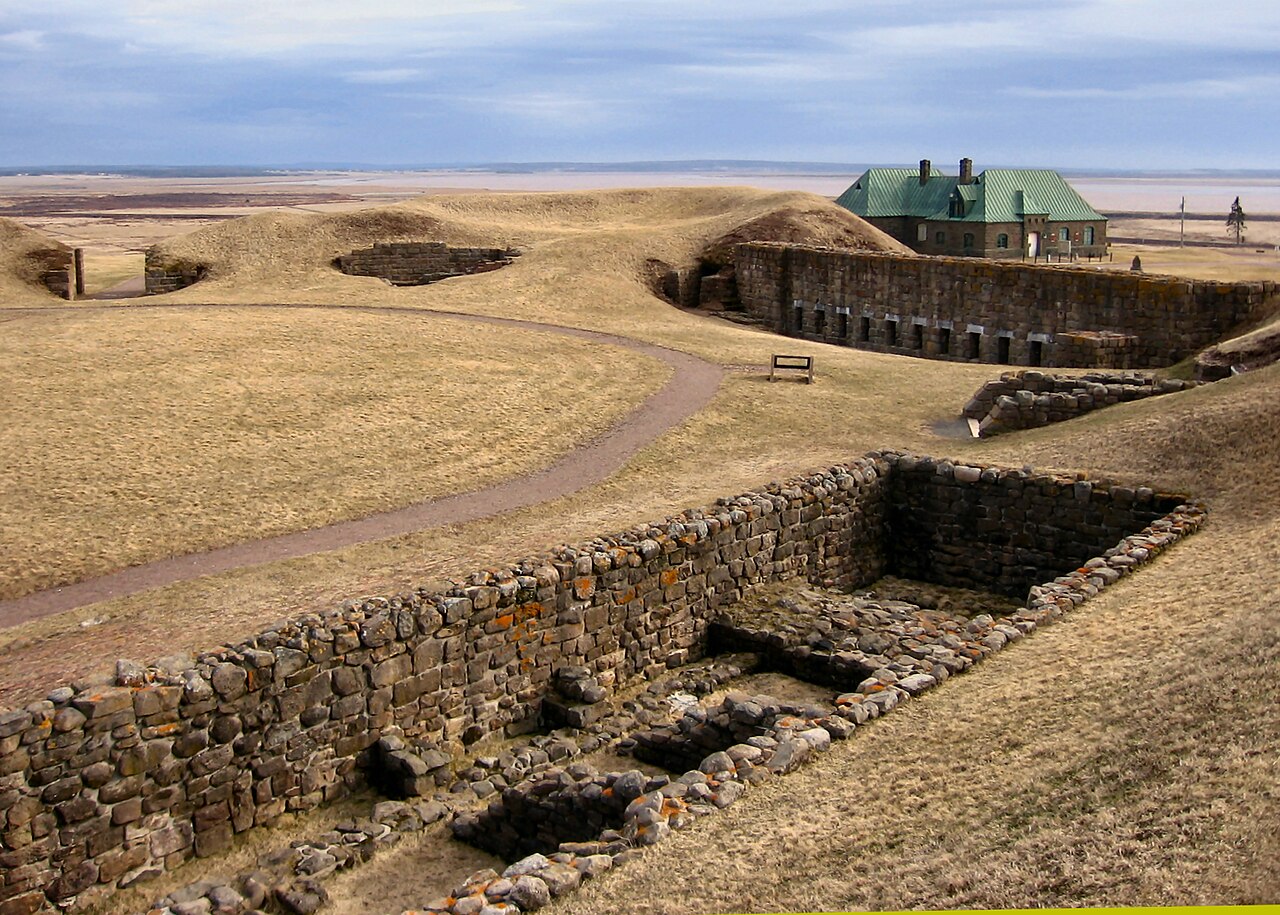
Fort Beauséjour, constructed between 1751 and 1752 by the French, is a prominent bastioned fortress located on the Isthmus of Chignecto, a narrow strip of land connecting the modern provinces of New Brunswick and Nova Scotia in eastern Canada. This fortification played a crucial role in the colonial conflicts between France and Britain during the mid-18th century, particularly in the struggle for control over the Acadian region, which encompassed the Maritime provinces, eastern Quebec, and parts of northern Maine. Architectural design and strategic importance The fort's design reflects the post-Renaissance military engineering principles typical of the 18th century, featuring a five-bastioned layout that provided overlapping fields of fire to defend against attackers. This star-shaped configuration was intended to maximize defensive capabilities, allowing defenders to cover all approaches with cannon and musket fire. The fort's position on the Isthmus of Chignecto was strategically chosen to control land access between Nova Scotia and New Brunswick, making it a key military asset in the region. The bastions, curtain walls, and surrounding ditches were constructed using earthworks reinforced with timber and stone, designed to withstand artillery bombardment. The fort included barracks, powder magazines, and storage facilities to support a garrisoned force. Its robust defensive features exemplify the evolution of bastioned fortifications during the colonial era, reflecting contemporary European military architecture adapted to North American conditions. Historical context and military engagements Fort Beauséjour was built during a period of intense rivalry between the French and British empires in North America, known as the French and Indian Wars (1749–1763). The fort was intended to secure French claims in Acadia and to serve as a base for operations against British forces. However, in 1755, during the early stages of the Seven Years' War, British forces launched an assault on the fort in the Battle of Fort Beauséjour. After a brief siege, the French garrison surrendered, and the British renamed the site Fort Cumberland. The capture of the fort was a significant event that contributed to British dominance in the region and the eventual expulsion of the Acadian population. The fort's strategic value continued into the American Revolutionary period. In 1776, it was the scene of the Battle of Fort Cumberland, where British troops successfully repelled an attack by American sympathizers aiming to bring the revolution to Nova Scotia. Role in the expulsion of the Acadians Following its capture, Fort Cumberland became a staging ground for British operations during the Great Expulsion (Le Grand Dérangement) of the Acadians. The fort's control allowed British forces to monitor and restrict movement in the region, facilitating the forced removal of Acadian families from their lands. This tragic episode had lasting effects on the cultural and demographic landscape of the Maritime provinces. Preservation and public access Since 1920, the site has been recognized as a National Historic Site of Canada, preserving the remains of both Fort Beauséjour and Fort Cumberland. Portions of the fort have been carefully restored to reflect their 18th-century appearance, including reconstructed bastions and defensive earthworks. The site includes a museum that offers exhibits on the fort's military history, the colonial conflicts, and the Acadian experience. Visitor facilities provide educational programs and guided tours, attracting approximately 6,000 visitors annually. The fort's preservation allows for an immersive experience into the military architecture and colonial history of eastern Canada, highlighting its significance in the broader context of North American colonial struggles. Architectural features visible today Today, visitors can explore the star-shaped layout of the five bastions, the remnants of the curtain walls, and the defensive ditches that once protected the fort. Interpretive signage explains the construction techniques and historical events associated with the site. The museum's collection includes artifacts recovered from the fort and surrounding areas, providing tangible connections to the lives of soldiers and settlers during the 18th century. Legacy and cultural significance Fort Beauséjour stands as a testament to the intense colonial rivalry that shaped the history of eastern Canada. Its role in the military conflicts between France and Britain, as well as in the American Revolutionary War, marks it as a site of considerable historical importance. The fort's association with the Acadian expulsion adds a poignant dimension to its legacy, reflecting the human cost of imperial ambitions. As a preserved historic site, Fort Beauséjour offers valuable insights into 18th-century bastioned fortress architecture, colonial military strategy, and the complex cultural heritage of the Maritime provinces. It remains a focal point for heritage tourism and education, contributing to the understanding of Canada's colonial past.

Post-Renaissance (17th–18th c.)
Details