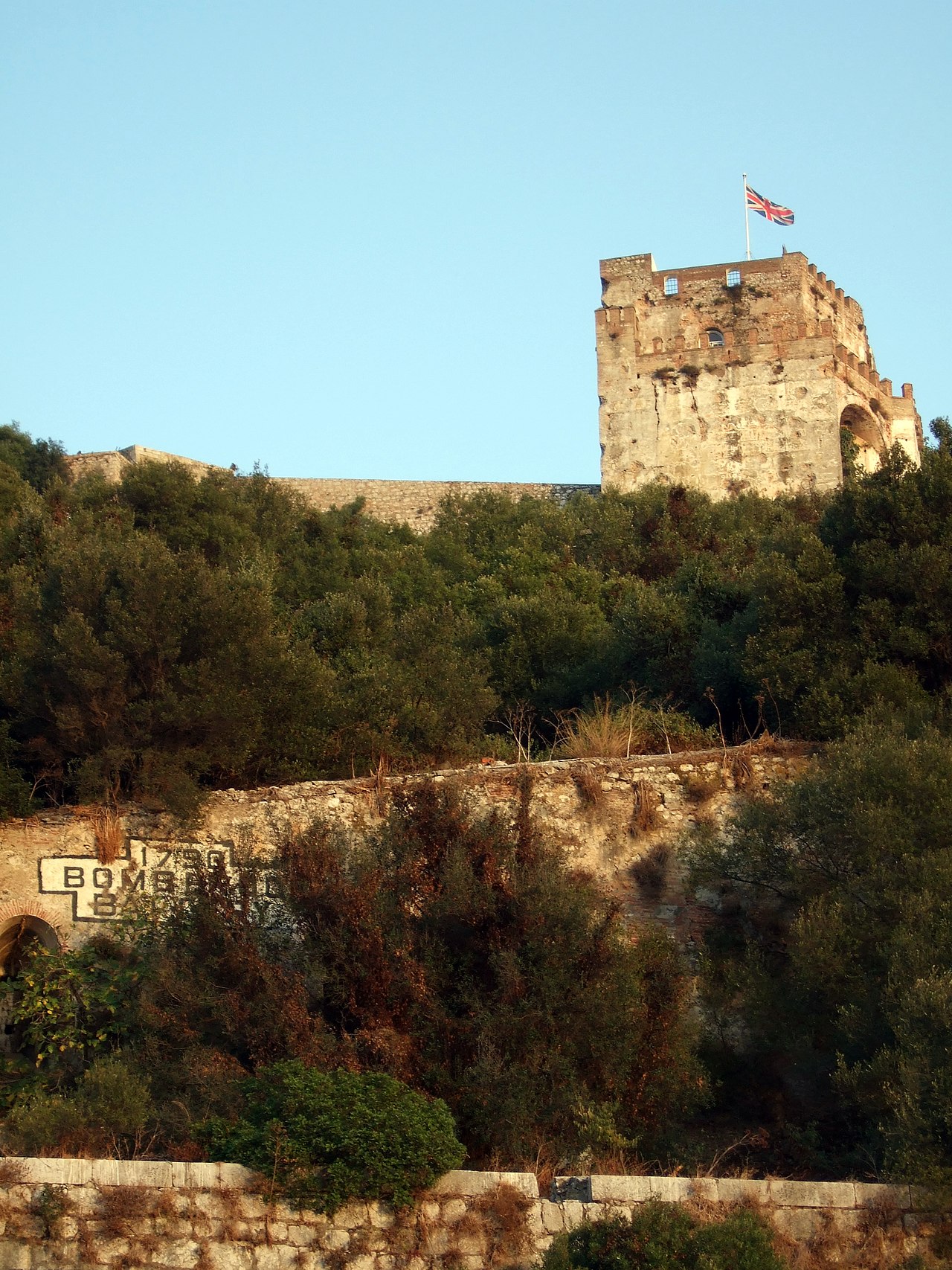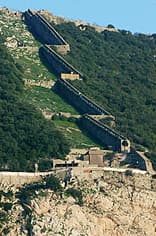
Charles V Wall
The Charles V Wall is a prominent 16th-century Renaissance defensive curtain wall that forms a crucial part of the historic fortifications of the British Overseas Territory of Gibraltar. Originally known as Muralla de San Benito (St. Benedict's Wall), it was constructed in 1540 during a period of intense military and political tension in the region. The wall was later reinforced in 1552 under the orders of Holy Roman Emperor Charles V, after whom it is named. This fortification was designed to protect Gibraltar from seaborne and land attacks, playing a significant role in the defense strategy of the territory.
Historical context and strategic importance
During the Renaissance period, the Rock of Gibraltar was a key strategic point controlling access to the Mediterranean Sea. The construction of the Charles V Wall was part of a broader effort to strengthen Gibraltar's defenses against the Ottoman Empire, pirates, and rival European powers. The wall was built to extend from South Bastion, which originally stood at the water's edge of Gibraltar's harbour, ascending sharply to the top ridge of the Rock of Gibraltar. This positioning enabled defenders to control land approaches and protect the harbour and town below.
Architectural features and construction details
The wall is a classic example of Renaissance military architecture, characterized by thick stone masonry designed to withstand cannon fire and sieges. It is a curtain wall — a defensive wall connecting bastions or towers — and was integrated into the larger fortification system of Gibraltar, which includes bastions, gates, and other walls.
The wall's construction utilized local limestone, carefully cut and laid to create a robust barrier. It rises steeply along the natural contours of the rock, demonstrating an intelligent use of the terrain for defensive advantage. The South Bastion, from which the wall extends, was a critical strongpoint equipped with artillery to defend the harbour entrance.
Over time, the wall was maintained and repaired to adapt to evolving military technology and threats, but much of the original 16th-century structure remains well preserved today.
Role in military history and sieges
The Charles V Wall played an active role in several historical conflicts, including the numerous sieges of Gibraltar. Its defensive position helped repel attacks during the Great Siege of Gibraltar (1779–1783), when Spanish and French forces attempted to recapture the territory from the British. The wall's height and construction allowed defenders to maintain a strong defensive line against artillery bombardment and infantry assaults.
Throughout the centuries, the wall symbolized Gibraltar's resilience and strategic military value, adapting to changing warfare methods while retaining its original Renaissance design principles.
Present condition and cultural significance
Today, the Charles V Wall remains largely intact and is considered a significant historical monument within Gibraltar. It is well preserved and accessible to visitors interested in military architecture and the history of the territory. The wall offers panoramic views of the harbour and the surrounding area, providing insight into the defensive strategies employed during the Renaissance.
Its preservation contributes to Gibraltar's cultural heritage and serves as a tangible link to the region's complex history of conflict, control, and defense.
Visiting information and accessibility
Visitors to Gibraltar can explore the Charles V Wall as part of guided tours or independent visits. The site is open to the public, allowing for close-up views of the wall's masonry and the strategic vantage points it provides. Walking along the wall offers a unique perspective on Renaissance fortification techniques and the military history of Gibraltar.
Frequently asked questions (FAQ)
- What is the historical significance of Charles V Wall?
- The Charles V Wall is a prominent historical fortification in Gibraltar, built during the reign of Emperor Charles V in the 16th century. It was designed to protect the city from naval attacks and played a key role in Gibraltar's defense during various sieges.
- When was Charles V Wall constructed?
- Construction of the Charles V Wall began in 1540 and was completed in 1552. It was part of a larger effort to strengthen Gibraltar's defenses during a time of increasing threats from various naval powers.
- Can I visit Charles V Wall?
- Yes, visitors can explore the Charles V Wall as part of their trip to Gibraltar. It is accessible to the public, allowing guests to appreciate its historical architecture and stunning views of the surrounding area.
- What are the opening hours for Charles V Wall?
- The Charles V Wall is generally open to visitors year-round, but specific opening hours can vary. It is advisable to check local listings or the Gibraltar tourism website for the most current information before your visit.
- Is there an admission fee to visit Charles V Wall?
- No, there is no admission fee to access the Charles V Wall, making it an attractive option for budget-conscious travelers. However, donations to support the maintenance of this historic site are always appreciated.
- What is the best time to visit Charles V Wall?
- The best time to visit the Charles V Wall is during the spring and fall months when the weather is mild and pleasant. These seasons offer comfortable temperatures for exploring the area without the crowds often found in the summer.
- Are there nearby attractions to visit after the Charles V Wall?
- Yes, after visiting the Charles V Wall, you can explore other nearby attractions such as the Moorish Castle and the Gibraltar Nature Reserve. These sites provide further insights into Gibraltar's rich history and natural beauty.
- How do I get to Charles V Wall?
- The Charles V Wall is located within walking distance of central Gibraltar, making it easily accessible on foot. Local buses and taxis are also available for those preferring a quicker route to the site.
- Is it possible to take guided tours of Charles V Wall?
- Yes, guided tours of the Charles V Wall are available, providing visitors with in-depth historical context and interesting anecdotes about the structure. These tours can enhance your understanding and appreciation of this significant landmark.
Photo gallery

Information
Loading map...
Visitor reviews
No reviews yet. Been here? Write the first review and help other travelers!
Write the first reviewVisited this castle? Share your experience
Your review helps other travelers and adds first-hand knowledge to our encyclopedia.