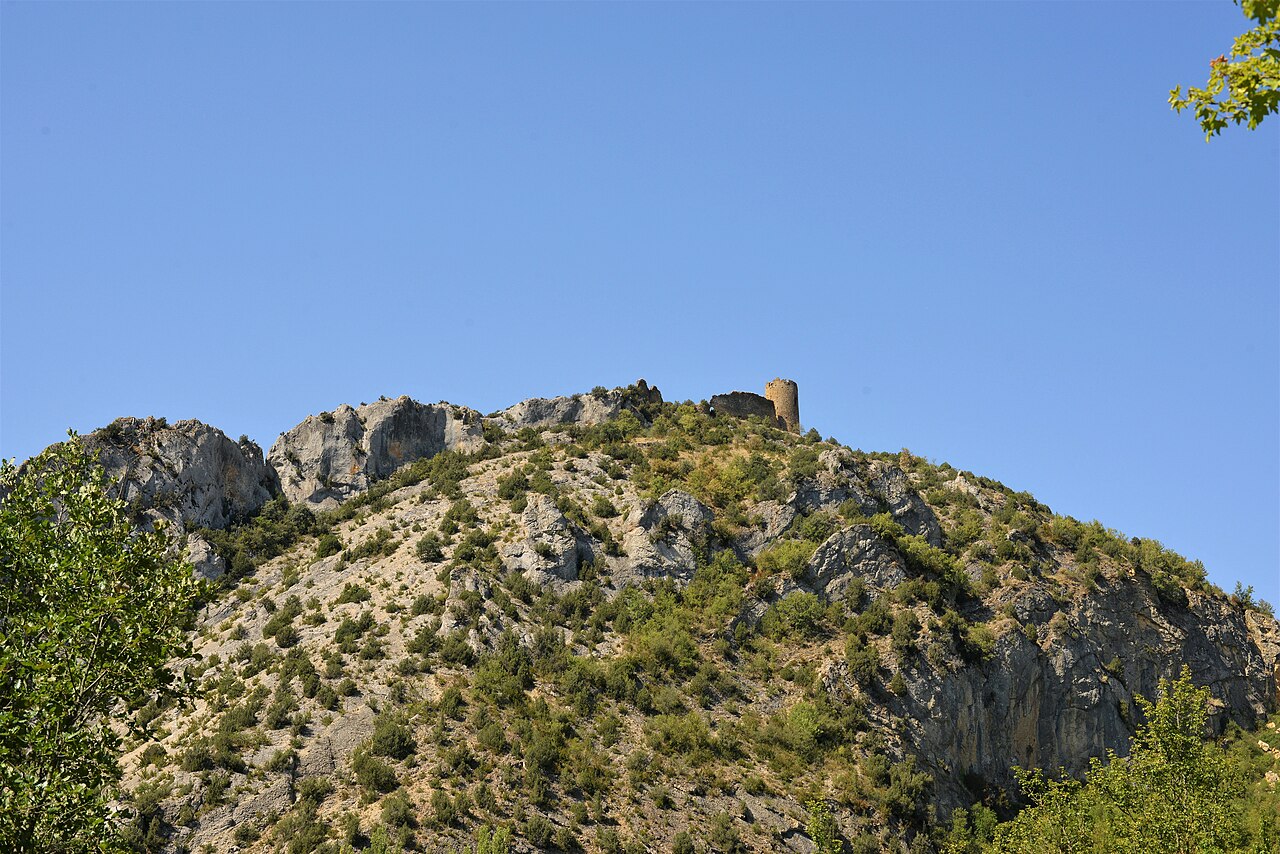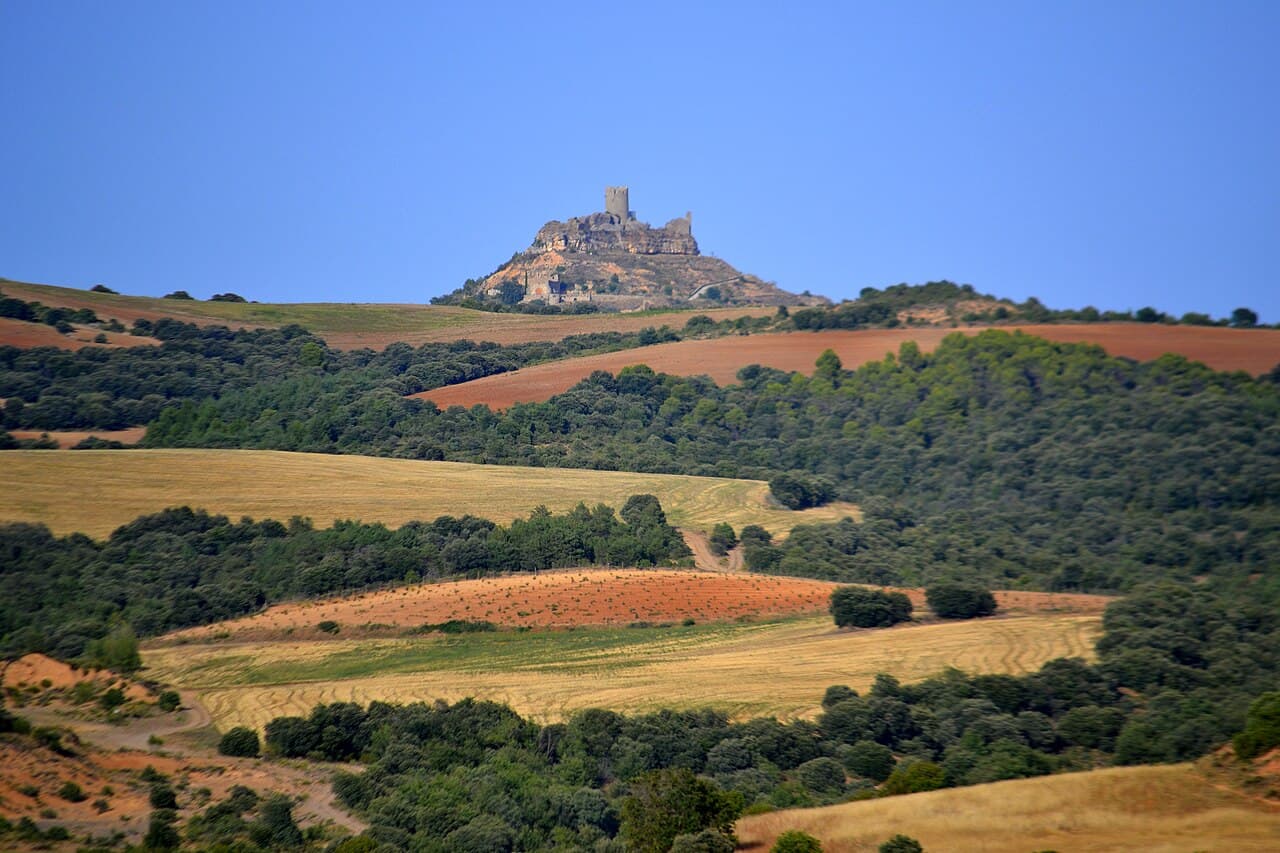
The castle of Viacamp is a remarkable example of a medieval fortress situated in the municipality of Viacamp, within the autonomous community of Aragon, Spain. Established in the 11th century, this hill castle was strategically positioned to oversee the surrounding landscape and serve as a key defensive stronghold during the High Middle Ages. Its location on a plateau between 860 and 942 meters above sea level allowed it to monitor and communicate with nearby fortifications, forming an integral part of a regional defense network protecting the valley of the Noguera-Ribagorzana river.
Historical significance and strategic role
The castle of Viacamp was constructed during a period marked by territorial conflicts and the consolidation of power in the Iberian Peninsula. Its primary function was military defense, guarding important routes and settlements such as Fals, Alsamora, Benabarre, and Luzás. The castle’s elevated position provided a vantage point for early warnings against invasions or raids, contributing to the security of the surrounding communities.
Beyond its military importance, the castle also held a significant religious role. Within its walls stands a Romanesque chapel originally dedicated to Saint Michael the Archangel, a patron often invoked for protection and victory in battle. The chapel’s dedication was later changed to Saint Stephen, reflecting evolving religious practices in the region. This dual function of defense and worship underscores the castle’s role as a center of both military and spiritual life in medieval Aragon.
Architectural features and construction techniques
The cylindrical tower
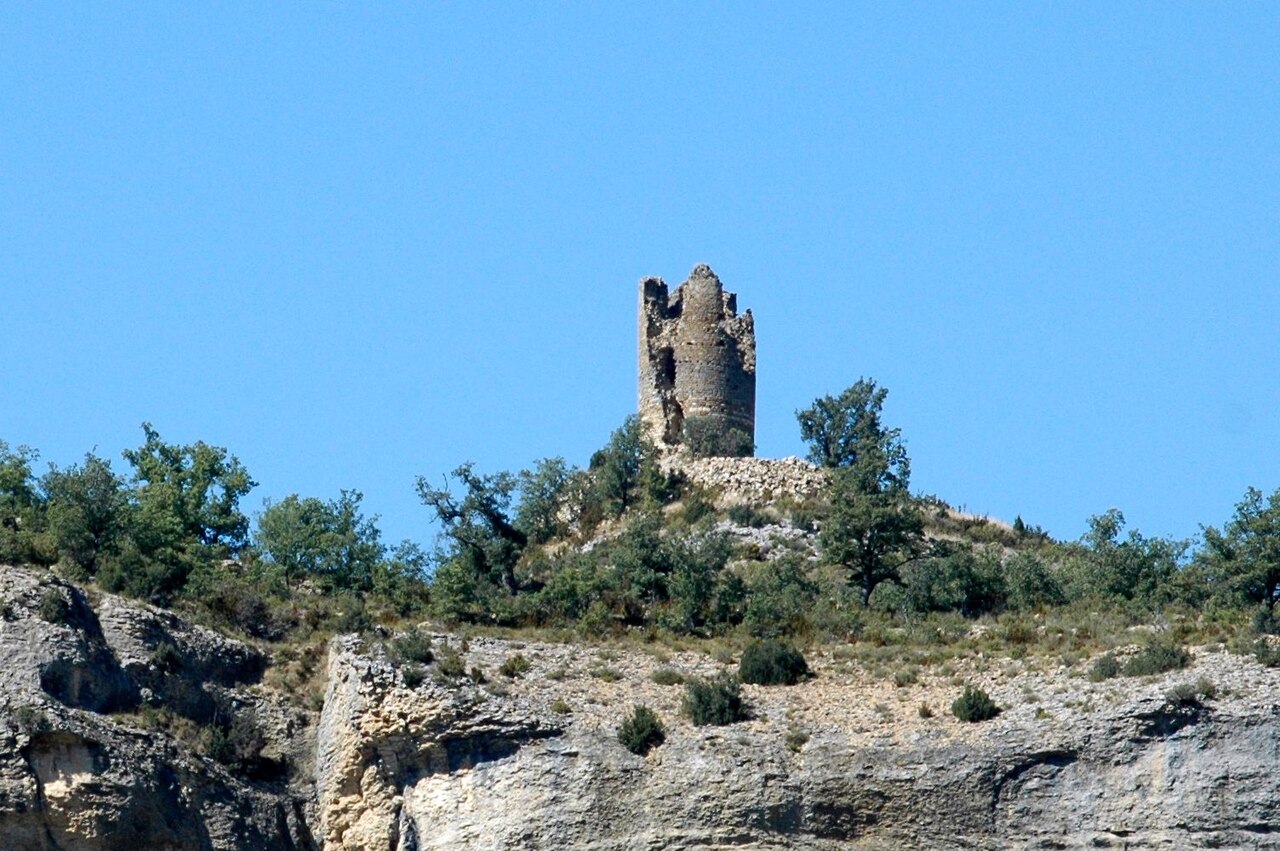
The most striking architectural element of the castle is its tall cylindrical tower, which rises approximately 20 meters high and measures about 11 meters in diameter. The tower’s walls are impressively thick—nearly three meters wide—and were constructed using a sophisticated technique involving simultaneous building from both the interior and exterior with double scaffolding. This method ensured exceptional stability and durability.
The tower originally had five floors, though only four remain today due to the loss of the uppermost section. The ground floor was sealed off from the outside and functioned primarily as a storage area, with access to the tower achieved through a semicircular arch entrance located on the southeast side at a higher level. Historical studies suggest that the missing upper portion might have featured small defensive openings or battlements, or possibly a conical roof, enhancing its defensive capabilities and architectural silhouette.
Defensive walls and outer enclosure
Surrounding the plateau is an outer defensive enclosure constructed mainly from rubble stone with areas of finer masonry. Though only low fragments of these walls survive, they once formed a formidable barrier protecting the castle complex. Archaeological evidence indicates the presence of small towers or wall bases along the perimeter, which would have provided additional layers of defense and surveillance.
Romanesque chapel and religious aspects
Within the castle walls lies the Romanesque chapel of San Esteban de Viacamp, a small church that exemplifies the architectural style prevalent in the high-Aragonese region during the medieval period. The chapel’s design is characterized by typical Romanesque features such as rounded arches and robust masonry, reflecting the spiritual and cultural values of the time.
The chapel’s location within the fortress highlights the integration of religious practice into the daily life of the castle’s inhabitants. Adjacent to the chapel is a cemetery that remains in use today, symbolizing a continuous link between the medieval past and the present community. This enduring religious presence adds a unique dimension to the castle’s historical narrative.
Restoration and preservation efforts
In the early 21st century, specifically during 2005 and 2006, significant restoration and archaeological work were undertaken to preserve the castle of Viacamp. These efforts aimed to stabilize the remaining structures, clarify the original layout, and enhance understanding of the castle’s architectural and historical development.
The restoration has allowed for better public appreciation of the castle’s features, including its defensive walls, the cylindrical tower, and the Romanesque chapel. Preservation work has been crucial in maintaining the site as a cultural heritage landmark, ensuring that the castle remains a valuable resource for historical study and tourism in the region.
Location and landscape context
The castle’s position on a plateau surrounded by gentle hills offers commanding views of the surrounding landscape, including the Noguera-Ribagorzana river valley. This geographic setting not only provided strategic military advantages but also influenced the castle’s architectural adaptation to the rugged terrain.
The sparsely inhabited area around the castle today contrasts with its medieval role as a hub of defense and community life. The natural environment contributes to the castle’s atmospheric presence and its appeal as a destination for visitors interested in history, architecture, and scenic landscapes.
Frequently asked questions (FAQ)
- How do I get to the Castle of Viacamp?
- The Castle of Viacamp is located in the beautiful region of Spain, easily accessible by car or public transportation. If you're driving, follow the local signs to Viacamp, and there is parking available nearby for visitors.
- What is the historical significance of the Castle of Viacamp?
- The Castle of Viacamp dates back to the 11th century and played a crucial role in the defense of the region during the medieval period. It is an important example of military architecture from its time, showcasing the strategic importance of the area.
- When was the Castle of Viacamp built?
- Construction of the Castle of Viacamp began in the 11th century, with various modifications and expansions occurring over the centuries. This long history has contributed to its unique architectural features and historical significance.
- Can I take guided tours of the Castle of Viacamp?
- Yes, guided tours are available for visitors who want to learn more about the castle's history and architecture. These tours typically run throughout the day and provide valuable insights from knowledgeable guides.
- Why is the architecture of the Castle of Viacamp notable?
- The architecture of the Castle of Viacamp is notable for its blend of Romanesque and Gothic styles, reflecting the evolution of military architecture over the centuries. Its imposing walls and strategic towers offer a glimpse into the past and the defensive needs of the era.
- Is it possible to visit the Castle of Viacamp with limited mobility?
- The Castle of Viacamp has made efforts to accommodate visitors with limited mobility. However, due to its historical structure, some areas may be challenging to access, so it's advisable to check in advance and plan your visit accordingly.
- What are the opening hours for the Castle of Viacamp?
- The Castle of Viacamp is generally open to visitors from 10 AM to 6 PM, with extended hours during the summer months. It's best to check the official website for any updates or seasonal changes to the schedule.
- What is the ticket price for visiting the Castle of Viacamp?
- Tickets for the Castle of Viacamp are reasonably priced, typically around €5 for adults and reduced rates for children and seniors. Group discounts may also be available, so it's worth inquiring if you're visiting with a larger party.
- When is the best time to visit the Castle of Viacamp?
- The best time to visit the Castle of Viacamp is during the spring and fall when the weather is mild and pleasant. These seasons also tend to have fewer tourists, allowing for a more enjoyable and personal experience at the castle.
- What nearby attractions can I visit after the Castle of Viacamp?
- After visiting the Castle of Viacamp, you can explore the charming village of Viacamp, which offers picturesque streets and local dining options. Additionally, nearby natural parks provide excellent hiking opportunities and stunning views of the surrounding landscape.
Photo gallery

Information
Website
Visit websiteSources & official resources
Verify the information above using these authoritative references.
Loading map...
Visitor reviews
No reviews yet. Been here? Write the first review and help other travelers!
Write the first reviewVisited this castle? Share your experience
Your review helps other travelers and adds first-hand knowledge to our encyclopedia.