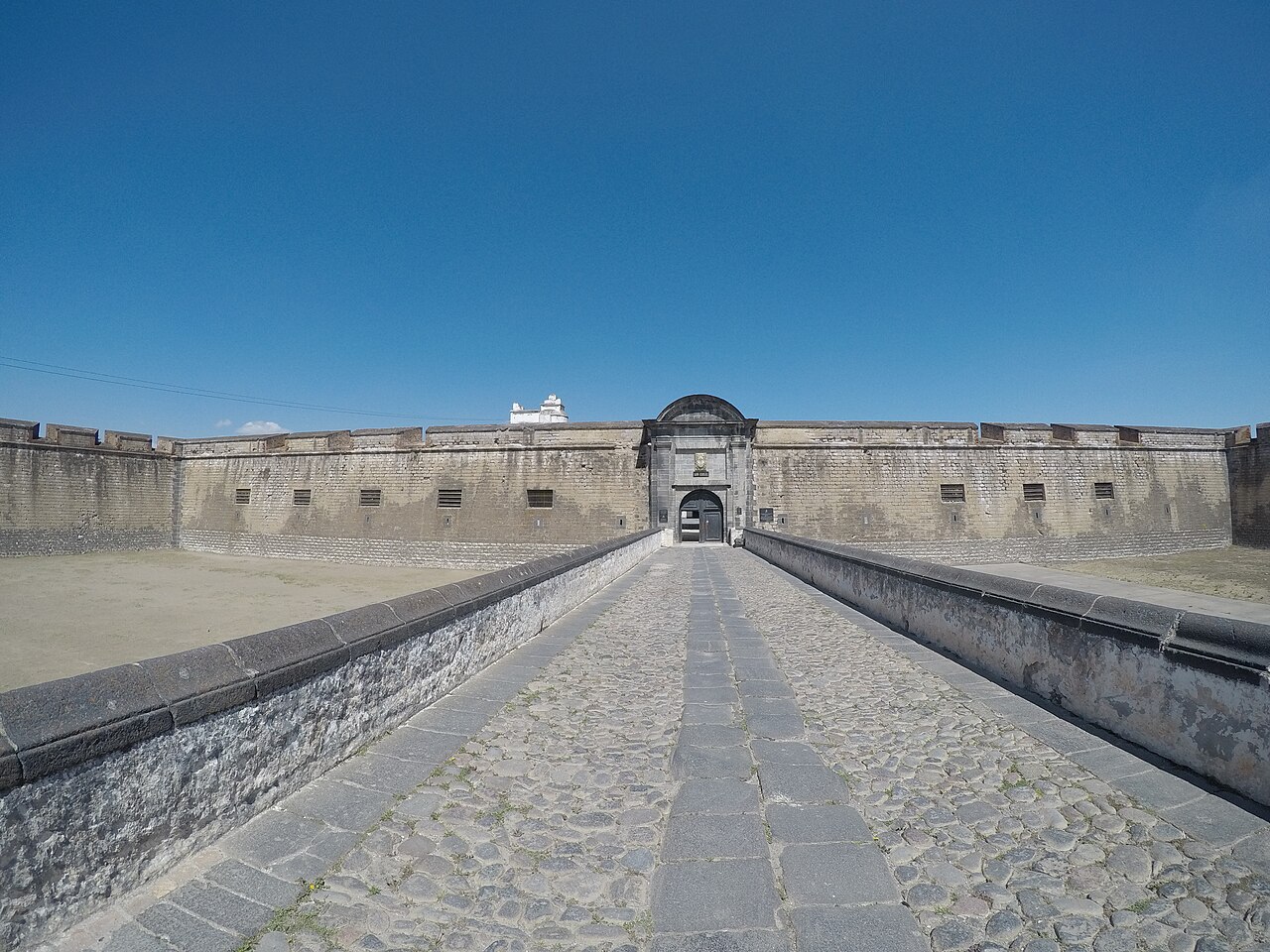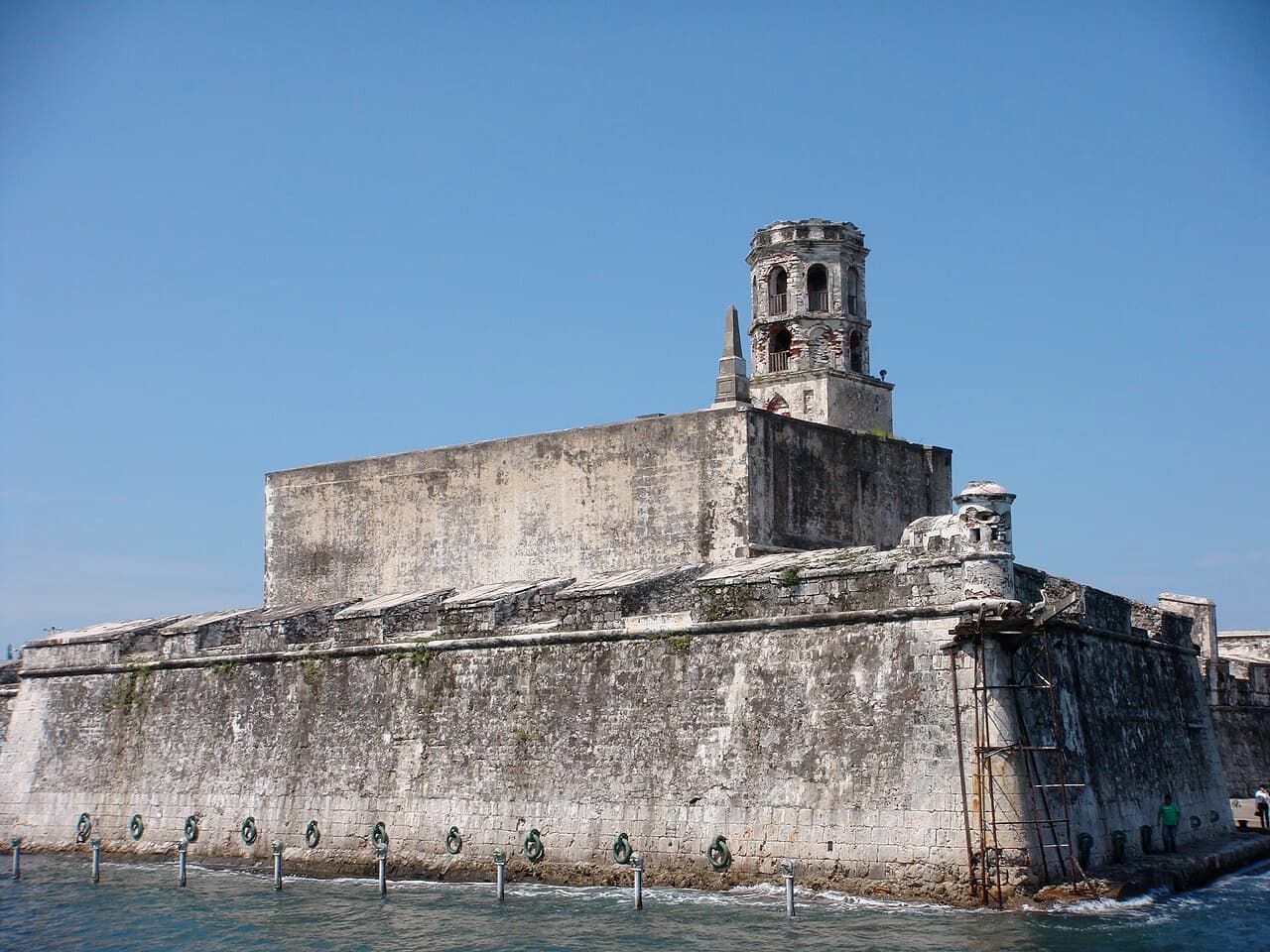
Castle of San Juan de Ulúa
Castle of San Juan de Ulúa is a significant historic fortress complex located on an island of the same name in the Gulf of Mexico, overlooking the important seaport city of Veracruz, Mexico. The island and fortress hold a prominent place in Mexican history due to their strategic military and colonial roles from the early 16th century onward. The site was first named by the expedition of Juan de Grijalva in 1518, marking the beginning of European interest in this key coastal location. Shortly after, on March 30, 1519, the famous Spanish conquistador Hernán Cortés met with emissaries from the Aztec Empire, Tendile and Pitalpitoque, on this island, establishing early contact between Spain and the Aztec civilization.
Historical background and strategic importance
The construction of the fortress began in 1535 as part of Spain's efforts to protect its valuable colonial interests in the New World, especially the vital port of Veracruz. The fortress complex was built over several centuries, with significant expansions and modifications continuing until 1769. Its location on an island allowed it to serve as a formidable defense against pirate attacks, foreign invasions, and other military threats to the Spanish colonial administration.
Throughout its history, San Juan de Ulúa served multiple functions, including as a military fortress, a prison, and even a royal palace. Its role as a prison became particularly notable in the 19th and early 20th centuries, when it housed political prisoners and other detainees under various regimes.
Architectural features and layout
The castle is not a single building but rather a complex of fortifications, including thick defensive walls, bastions, watchtowers, and gun emplacements designed to repel naval attacks. The architecture reflects the Renaissance military engineering principles adapted to the coastal environment. The fortress includes a former palace and multiple prison buildings, arranged to maximize defense and control.
The walls are constructed with robust stone masonry capable of withstanding cannon fire. The bastions are angular to provide overlapping fields of fire, a common feature in fortifications of the period. The complex also contains interior courtyards and chambers that served various administrative and residential purposes.
Role during colonial and post-colonial periods
During the colonial era, the fortress was the primary defense point for the port of Veracruz, protecting Spanish treasure fleets and colonial trade routes. It was also a symbol of Spanish authority in the region. The castle witnessed numerous battles and sieges, including attacks by pirates and foreign powers seeking to disrupt Spanish control.
After Mexico gained independence, the fortress continued to be used as a military installation and prison. It played roles in various conflicts, including the Mexican-American War and the French intervention in Mexico. Its prison facilities were infamous for harsh conditions and political imprisonment.
Museum and cultural significance today
Today, Castle of San Juan de Ulúa is a cultural and historical monument open to the public. A local museum was inaugurated in 1984, showcasing the fortress's history, architecture, and the many historical events associated with it. Visitors can explore the fortress's walls, bastions, dungeons, and other structures to gain insight into its military and colonial past.
The castle is an important heritage site that illustrates the complex history of colonial Mexico, military architecture, and the interactions between European powers and indigenous civilizations.
Frequently asked questions (FAQ)
- What is the historical significance of the Castle of San Juan de Ulúa?
- The Castle of San Juan de Ulúa is a historic fortress that played a crucial role in the defense of Veracruz against pirate attacks and foreign invasions during the colonial period. Built initially in the 16th century, it symbolizes the strategic importance of the port city in Mexico's maritime history.
- When was the Castle of San Juan de Ulúa constructed?
- Construction of the Castle of San Juan de Ulúa began in 1535 and continued over the years with various modifications and expansions. The fortress was completed in the late 17th century, reflecting the evolving architectural styles and military needs of the time.
- Can I visit the Castle of San Juan de Ulúa?
- Yes, the Castle of San Juan de Ulúa is open to visitors who wish to explore its rich history and stunning architecture. Guided tours are available, providing insights into the castle's past and its significance in Mexican history.
- What are the opening hours for the Castle of San Juan de Ulúa?
- The Castle of San Juan de Ulúa is typically open to the public from 9 AM to 5 PM, Tuesday through Sunday. It is advisable to check the official website or local listings for any seasonal changes or special holiday hours.
- Is it possible to purchase tickets in advance for the Castle of San Juan de Ulúa?
- Yes, tickets for the Castle of San Juan de Ulúa can often be purchased in advance online, which is recommended during peak tourist season. This allows you to skip long lines and ensure your visit is as smooth as possible.
- What is the best time to visit the Castle of San Juan de Ulúa?
- The best time to visit the Castle of San Juan de Ulúa is during the dry season, from November to April, when the weather is more pleasant for outdoor exploration. Early mornings or late afternoons are ideal for avoiding crowds and enjoying cooler temperatures.
- Are there any nearby attractions to the Castle of San Juan de Ulúa?
- Yes, nearby attractions include the historic downtown of Veracruz, the Zocalo, and the Aquarium of Veracruz. These sites provide additional cultural and recreational opportunities for visitors exploring the area.
- How accessible is the Castle of San Juan de Ulúa?
- The Castle of San Juan de Ulúa is accessible to visitors with limited mobility, with ramps and pathways designed to facilitate access to its main areas. However, some sections may have uneven surfaces due to the castle's historic nature, so caution is advised.
Photo gallery

Information
Loading map...
Visitor reviews
No reviews yet. Been here? Write the first review and help other travelers!
Write the first reviewVisited this castle? Share your experience
Your review helps other travelers and adds first-hand knowledge to our encyclopedia.