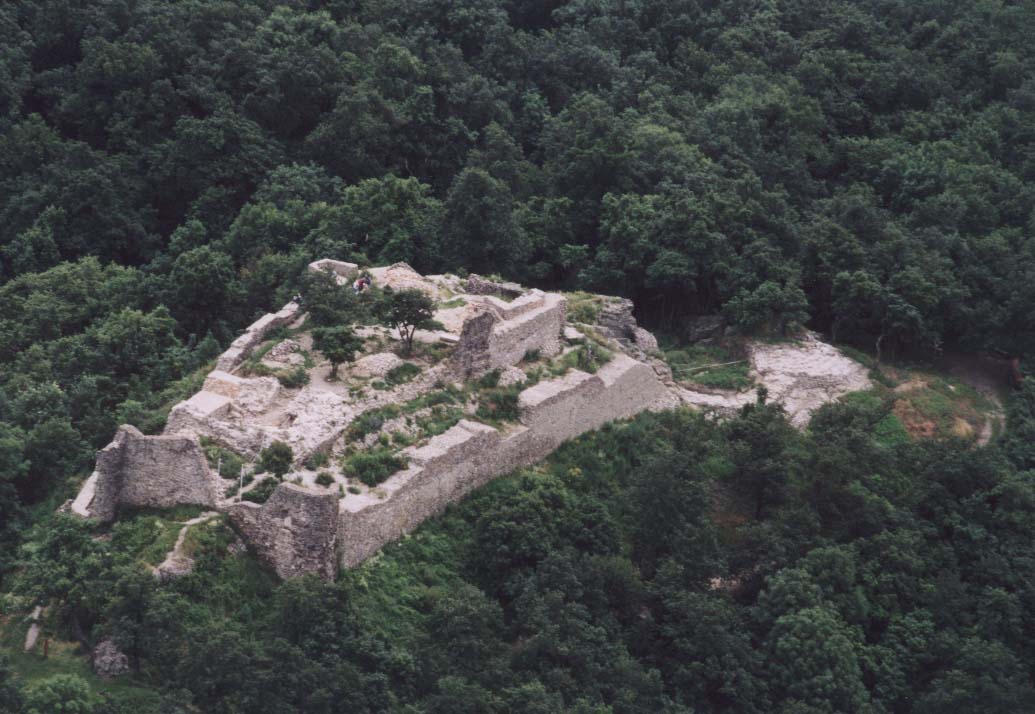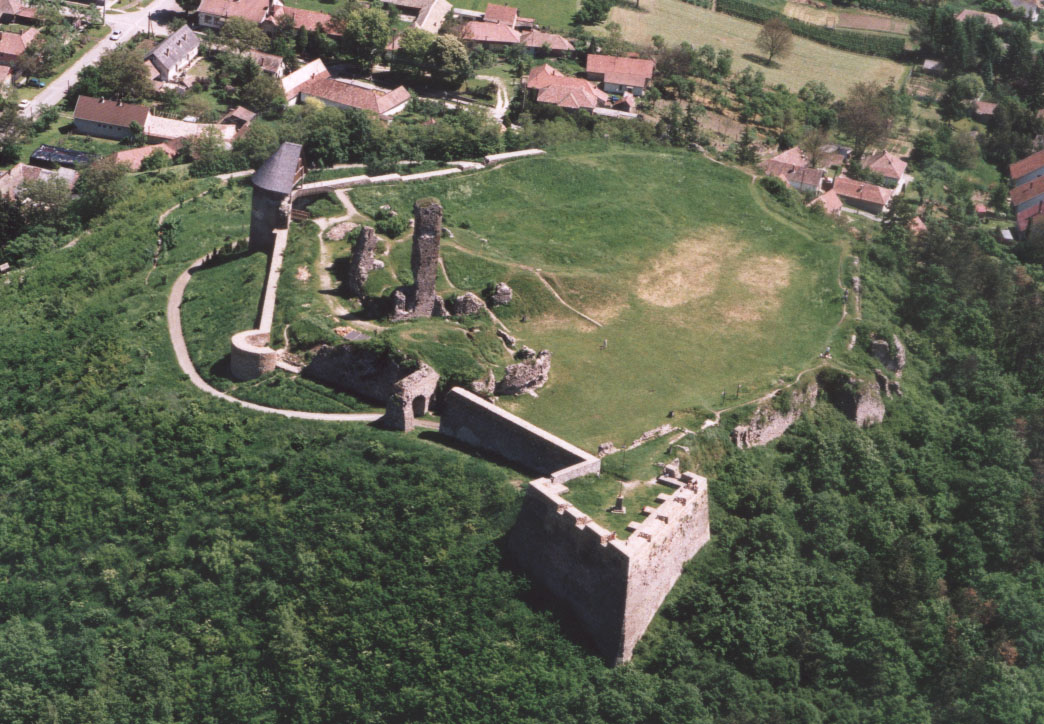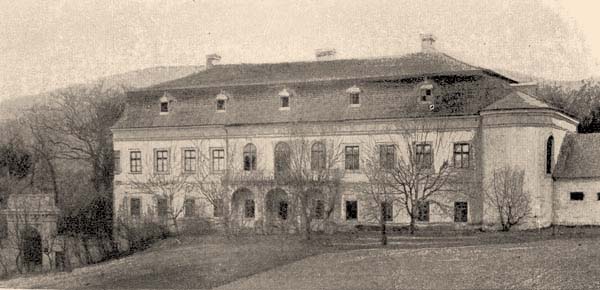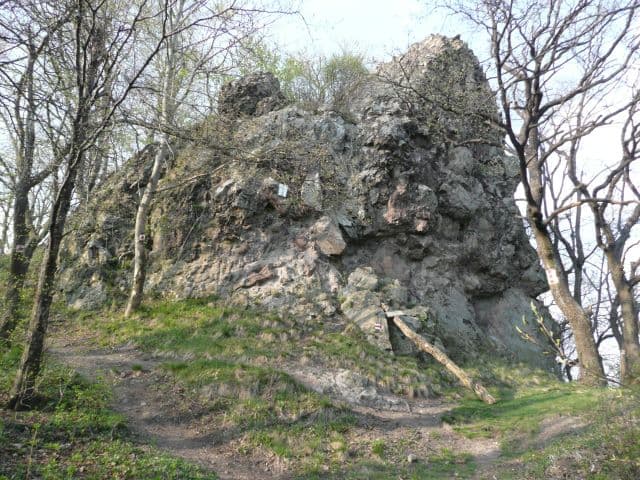
The Castle of Salgó, located near the village of Perőcsény in Hungary, is a notable example of a hill castle with a rich medieval heritage. Perched on a volcanic hill, the castle's strategic position offered commanding views over the surrounding landscape, which was essential for defense and control during its active years.
Historical background and significance
The origins of the Castle of Salgó date back to the 13th century, placing it firmly within the high medieval period. It was constructed during a time when the Kingdom of Hungary was consolidating its borders and fortifying key positions against external threats. The castle served as a military stronghold and a local administrative center, overseeing the surrounding region.
Throughout its history, the castle witnessed several sieges and ownership changes, reflecting the turbulent medieval politics of Hungary. It was part of the defensive network guarding against invasions, notably from the Ottoman Empire during the 16th century. The castle's decline began after the Ottoman wars, leading to its eventual abandonment and ruin.
Architectural features and layout
The Castle of Salgó is characterized by its hill castle typology, built on elevated terrain to maximize natural defensive advantages. The castle's remains include sections of thick stone walls, remnants of towers, and fragments of the curtain walls that once enclosed the fortress. The irregular shape of the castle follows the contours of the volcanic hill, adapting to the natural rock formations.
Key architectural elements include the foundations of a keep or central tower, which would have served as the last line of defense and residence for the lord. The castle also featured a gatehouse protecting the main entrance, likely equipped with defensive mechanisms such as a portcullis and arrow slits.
The use of local volcanic stone in construction provided durability and a distinctive appearance. Although much of the castle is now in ruins, the remaining structures offer insight into medieval military architecture in Hungary.
Strategic location and natural defenses
Situated on a volcanic hill, the Castle of Salgó leveraged its altitude and natural rocky outcrops for defense. The steep slopes around the castle made direct assaults difficult, forcing attackers to navigate challenging terrain. The elevated position also allowed defenders to spot approaching enemies from a distance.
The castle's location was not only militarily advantageous but also significant for controlling trade routes and local settlements. Its presence helped secure the region and assert the authority of its owners.
Current condition and preservation
Today, the Castle of Salgó stands as a ruin, with only partial walls and foundations visible. Despite its ruined state, it remains a popular destination for visitors interested in medieval history and castle architecture. Efforts to preserve the site focus on maintaining the existing structures and preventing further deterioration.
The castle offers hiking opportunities and panoramic views, attracting tourists and history enthusiasts alike. Interpretive signs and local guides provide context about the castle's history and architectural features, enhancing the visitor experience.
Visiting the castle
The castle is accessible by footpaths from nearby villages, with marked trails leading up the hill. Visitors should be prepared for a moderate hike and wear suitable footwear due to uneven terrain. The site is open year-round, though weather conditions can affect accessibility.
There are no entrance fees, making it an attractive site for those interested in exploring Hungary's medieval heritage without cost. Nearby amenities include small local eateries and accommodation options in the surrounding towns.
Architectural and cultural importance
The Castle of Salgó exemplifies the characteristics of hill castles built during the high medieval period in Central Europe. Its adaptation to the volcanic landscape and use of local materials highlight medieval builders' ingenuity in fortress construction.
As a cultural landmark, the castle contributes to understanding the military and feudal history of Hungary. It also forms part of the broader network of medieval castles that played crucial roles in regional defense and administration.
Frequently asked questions (FAQ)
- How do I get to the Castle of Salgó?
- The Castle of Salgó is located near Perőcsény, Hungary, and can be accessed by car or public transport. The nearest major city is Salgótarján, which is approximately 15 kilometers away. From there, local buses or taxis can take you closer to the castle.
- What is the historical significance of the Castle of Salgó?
- The Castle of Salgó dates back to the 13th century and played a crucial role in protecting the region from invasions. It served as a military fortress and a residence for noble families throughout its history. Today, it stands as a testament to Hungary's medieval heritage.
- When was the Castle of Salgó built?
- Construction of the Castle of Salgó began in the early 13th century, with various additions and renovations made over the centuries. It was strategically built on a hill to offer better defense against attackers. The castle's architecture reflects the styles of several periods, showcasing its historical evolution.
- Can I visit the Castle of Salgó year-round?
- Yes, the Castle of Salgó is open to visitors year-round, although accessibility may vary during winter months due to weather conditions. It is advisable to check local weather reports and castle updates before planning your visit. Guided tours are available, offering insights into the castle's rich history.
- Why is the Castle of Salgó a popular tourist attraction?
- The Castle of Salgó attracts visitors due to its stunning panoramic views of the surrounding landscape and its intriguing history. It is also a popular spot for hiking and outdoor activities, making it ideal for nature lovers. The combination of historical significance and natural beauty makes it a must-visit destination.
- Is it possible to access the castle for people with disabilities?
- Access to the Castle of Salgó may be challenging for visitors with mobility issues due to its elevated location and uneven terrain. However, some areas may be accessible with assistance. It is recommended to contact the castle's administration in advance to inquire about specific accommodations.
- What are the opening hours for the Castle of Salgó?
- The Castle of Salgó typically opens at 9:00 AM and closes at 5:00 PM, but hours may vary seasonally. It's best to check the official website or contact local tourism offices for the most accurate information. Planning your visit during the day allows you to fully enjoy the site and its surroundings.
- Are there any nearby attractions to visit while at the Castle of Salgó?
- Yes, nearby attractions include the beautiful countryside of Nógrád County and other historical sites like the town of Salgótarján. Visitors can also explore hiking trails that lead through the picturesque landscape. These additional activities make for a fulfilling day trip.
- What are the ticket prices for visiting the Castle of Salgó?
- Ticket prices for the Castle of Salgó are generally affordable, with discounts available for children, students, and seniors. It's advisable to check the official website for the latest pricing and any special offers that may be available. Group rates are also offered for larger parties.
Photo gallery

Information
Loading map...
Visitor reviews
No reviews yet. Been here? Write the first review and help other travelers!
Write the first reviewVisited this castle? Share your experience
Your review helps other travelers and adds first-hand knowledge to our encyclopedia.